Sedation for Dental Treatment Abroad: Who Needs It and What It Changes

Key Takeaways
- Sedation does not usually replace local anesthesia; it is used to improve comfort and cooperation during care.
- It may be helpful for dental anxiety, strong gag reflex, extensive treatment, or difficulty getting numb with local measures alone.
- The right sedation choice depends on medical history, the procedure, fasting rules, and how long recovery will take.
- Patients traveling from abroad should plan for a companion, post-treatment rest time, and clear follow-up instructions.
- Safety depends on proper screening, trained staff, appropriate monitoring, and honest disclosure of medications and health conditions.
Medically reviewed by the Acıbadem clinical team — June 13, 2026
Dental sedation can make treatment more manageable for people who feel anxious, need complex care, or struggle to sit through long procedures. For patients considering treatment abroad, understanding the options, benefits, and safety steps helps them plan with confidence.
Overview
For many people, the hardest part of dental treatment is not the procedure itself but the anticipation. Sedation can soften that experience by helping a patient feel calmer, more relaxed, and less aware of time during care. It is commonly discussed for people traveling abroad for dental work because the plan must fit both the treatment and the journey home.
In practical terms, sedation is not one single method. It can range from light calming medicine taken by mouth to deeper forms given and monitored by trained clinicians. The aim is not to “knock someone out” in every case; often the goal is simply to make dental care tolerable, efficient, and less stressful while local anesthesia continues to control pain.
When patients are considering treatment in another country, sedation deserves the same careful planning as the procedure itself. It affects whether someone can drive, whether they need a companion, how long they should stay nearby afterward, and what instructions matter most once they return to their hotel or home.
Symptoms: Signs a Patient May Benefit From Sedation
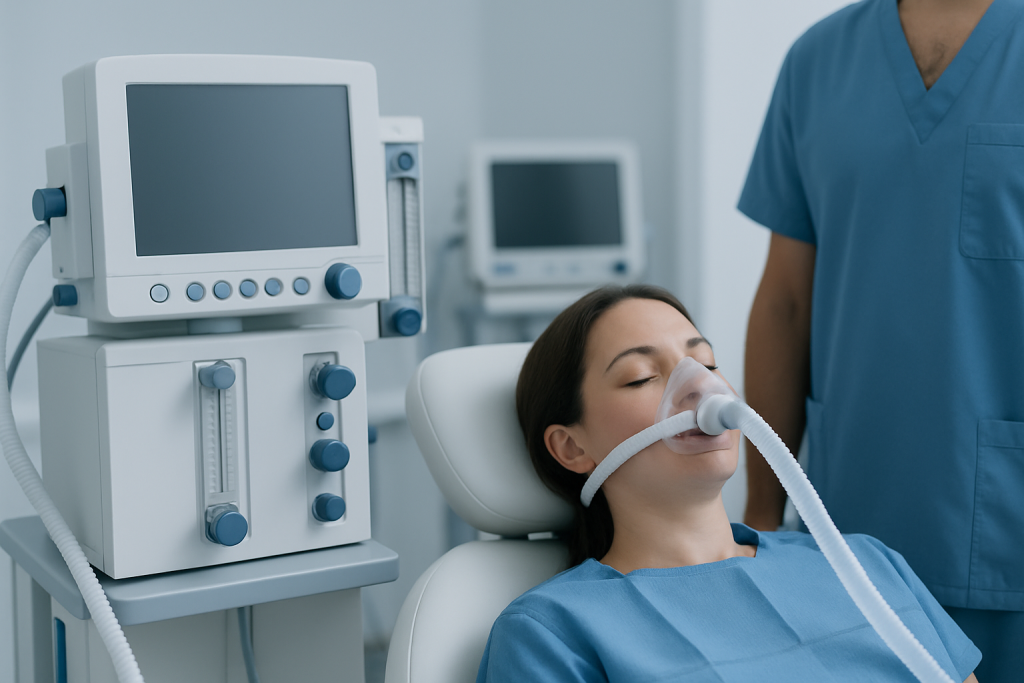
People do not seek sedation because of a disease symptom in the usual sense; they seek it because ordinary dental care feels difficult to manage. A patient may feel tense before even entering the clinic, have trouble sitting still for long appointments, or dread the sound and sensation of dental instruments. These reactions are common and deserve a thoughtful response rather than judgment.
Some patients notice physical signs of anxiety such as sweating, a racing heart, nausea, trembling, or a strong urge to leave the chair. Others have a pronounced gag reflex, difficulty opening the mouth for long periods, or past experiences that made future care feel overwhelming. Sedation may also be discussed when a patient needs several procedures completed in one visit and wants the appointment to feel more manageable.
- Fear or panic before dental appointments
- Strong gag reflex or difficulty tolerating instruments in the mouth
- Low tolerance for long or complex procedures
- Previous difficult dental experiences
- Difficulty becoming comfortable despite reassurance and local anesthesia
For international patients, there is an added layer: treatment may be compressed into fewer visits. That can make sedation more appealing when the care plan includes multiple extractions, implant-related work, or restorative procedures that would otherwise be hard to complete comfortably in a short stay.
Causes & Risk Factors

The reasons people need sedation vary. Dental anxiety is one of the most common factors, but it is far from the only one. Some patients have sensitive teeth, a low threshold for discomfort, or a medical history that makes it harder to relax in the chair. Others simply know from past experience that they cannot comfortably complete treatment while fully awake and highly aware of what is happening.
Complex dentistry is another reason. Long procedures, multiple treatment steps, and work that requires the mouth to remain open for extended periods can be physically and mentally tiring. Sedation may also be considered for patients with a strong gag reflex, movement disorders, special healthcare needs, or a history of difficulty with local anesthesia alone.
Not everyone is a candidate for every sedation method. Risk factors include certain heart or lung conditions, sleep apnea, pregnancy, use of alcohol or recreational substances, and medicines that can interact with sedatives. Older adults may also need extra caution because they can be more sensitive to the effects and may recover more slowly.
Because treatment abroad often involves coordination across time zones, written records and careful medication review become especially important. A patient should always share current prescriptions, supplements, allergies, prior reactions to anesthesia, and any recent illness before a sedation plan is chosen.
Diagnosis: How the Dental Team Decides on Sedation
There is no laboratory test for “needing” sedation. Instead, the dental team makes a decision by combining the patient’s history, the planned procedure, and a safety assessment. The conversation usually starts with the patient’s comfort level, past dental experiences, and whether simpler measures such as local anesthesia, breaks, or a shorter appointment may be enough.
A careful review of health information follows. The clinician may ask about breathing problems, sleep apnea, heart disease, liver or kidney issues, neurologic conditions, pregnancy, allergies, and all current medications. If the treatment is happening abroad, this step should happen before travel whenever possible so that the patient knows whether extra preparation or a medical escort is needed.
The team also considers which sedation level fits the procedure. Light sedation is often used to reduce anxiety while keeping the patient responsive, while deeper sedation requires closer monitoring and a more controlled clinical setting. The goal is always to match the method to the person, not to use a stronger option simply because it sounds easier.
Good planning may include instructions about fasting, arranging transportation, and deciding whether a companion should stay nearby after treatment. These steps are part of the assessment, because safe sedation depends not only on the medication itself but on what happens before and after the appointment.
Treatment Options
Dental sedation is usually described by how deeply it relaxes a patient and how it is given. Minimal or light sedation may help a person feel calm and less reactive while still awake. Moderate sedation can make the appointment feel hazy and distant, and some patients remember very little afterward. Deeper forms require more intensive monitoring and are reserved for selected cases.
Common approaches include inhaled nitrous oxide, oral sedatives, and intravenous sedation. Nitrous oxide is often used for mild to moderate anxiety and wears off relatively quickly. Oral medicines are convenient but may cause lingering drowsiness. Intravenous sedation allows the team to adjust the level more precisely during the procedure, but it requires trained professionals and monitoring equipment.
Whatever the method, sedation is usually paired with local anesthesia so the tooth and surrounding tissues stay numb. That distinction matters: sedation helps the patient feel less distressed, while local anesthesia helps block pain. Patients sometimes expect sedation to remove all awareness, but the experience depends on the type used and the procedure being performed.
During treatment, the clinic should monitor breathing, pulse, blood pressure, oxygen levels, and the patient’s responsiveness as appropriate for the sedation level. Afterward, recovery time varies. Some people feel steady within a short period, while others need several hours of observation and must avoid working, driving, or making important decisions until the effects have fully worn off.
Prevention & Self-care
Self-care before sedation begins with honest communication. A patient should tell the dental team about all medicines, supplements, recent alcohol use, and any prior problems with anesthesia or sedation. It is also wise to ask clear questions about fasting rules, whether a companion is required, and what symptoms after treatment would count as a concern.
Travel adds another layer of preparation. Patients coming from abroad should leave room in the schedule for recovery, rather than trying to fly immediately after a long or complex procedure. They may need soft foods, a place to rest, and a plan for pharmacy access if prescribed medicines are part of recovery. A written summary of the procedure and follow-up instructions can be especially helpful when returning home.
After sedation, the safest approach is to take it slowly. Rest, hydrate as directed, and follow any advice about eating, oral hygiene, and activity limits. If the mouth is sore, avoid disturbing the treatment area. If a patient feels unusually sleepy, dizzy, or unwell beyond the expected recovery period, the dental team should be contacted for guidance.
- Share a full medical history before the visit
- Follow fasting and escort instructions exactly
- Plan a quiet recovery period after treatment
- Avoid alcohol and driving until fully recovered
- Keep follow-up contact details easily available
When to See a Doctor
A dentist or sedation-trained clinician should be consulted early if dental fear has delayed care, if previous appointments were unmanageable, or if a patient knows that a long procedure will be difficult to complete awake. Early discussion gives the team time to review medical history, explain options, and determine whether sedation is appropriate in the planned setting.
Prompt medical advice is also important if the patient has conditions that may affect breathing or medication safety, such as sleep apnea, significant heart or lung disease, or past problems with anesthesia. In those cases, the team may recommend additional evaluation or a different approach rather than simply moving forward with the easiest option.
After treatment, the patient should seek advice if recovery seems slower than expected, if there is persistent vomiting, difficulty breathing, excessive bleeding, worsening swelling, or severe pain that does not improve with the instructions provided. For international patients, it is especially helpful to know in advance who to contact if concerns arise after returning to the hotel or after going home.
Acibadem Health Point supports international patients with multidisciplinary specialists and JCI-accredited hospitals that diagnose and treat dental conditions, including cases where sedation is part of the care plan. The emphasis remains on individualized assessment, clear communication, and safe follow-up across the full treatment journey.
What Sedation Changes for the International Patient Journey
For patients traveling abroad, sedation changes more than the time spent in the chair. It can influence how many procedures are done in one visit, how long recovery takes, and whether the patient needs to stay in the destination city for an extra day or two. That means the sedation plan becomes part of travel planning, not an afterthought.
It also changes the communication style of care. Written instructions matter more when a patient is far from home, because there may be less chance for an immediate in-person check if a question comes up later. Clear discharge notes, medication lists, and emergency contact details help the patient feel more secure once they leave the clinic.
When chosen thoughtfully, sedation can make dental treatment abroad feel far less intimidating. The best outcome comes from matching the method to the patient’s health, the procedure’s complexity, and the realities of travel, so comfort and safety move together rather than competing with each other.
Frequently asked questions
Is dental sedation the same as being put to sleep?
Not always. Some forms of sedation simply help a patient feel calm and less aware, while deeper sedation can make a person very sleepy and less responsive. The exact experience depends on the method used and the procedure being performed.
Will sedation remove pain during dental treatment?
Sedation helps with relaxation and anxiety, but it does not usually replace local anesthesia. Local anesthesia is what blocks pain at the treatment site, while sedation changes how the patient experiences the appointment.
Who is most likely to benefit from sedation dentistry abroad?
Patients with dental anxiety, a strong gag reflex, difficulty sitting through long appointments, or a need for multiple procedures in a short time may benefit most. It is also useful for some patients with special healthcare needs or past difficulty with local anesthesia alone.
Can a patient fly home after dental sedation?
That depends on the type of sedation, the length of the procedure, and how the patient feels afterward. Many patients should rest first and avoid travel until the dental team confirms they are fit to go, especially after deeper sedation or major treatment.
What should be told to the dental team before sedation?
The team should be told about all medical conditions, allergies, current medicines, supplements, recent alcohol use, and any past problems with anesthesia or sedation. This information helps the clinician choose the safest option.
Is sedation dentistry safe?
It can be safe when it is planned carefully, performed by trained professionals, and matched to the patient’s health and procedure. Safety depends on proper screening, monitoring, and following instructions before and after treatment.
References
- American Dental Association
- American Society of Anesthesiologists
- National Institute of Dental and Craniofacial Research
- Mayo Clinic
- NHS
This article is for general information only and is not a substitute for professional medical advice. Please consult a qualified doctor about your individual situation.