Gingival Hyperplasia

Key Takeaways
- Gingival hyperplasia means the gum tissue becomes enlarged or overgrown.
- It can be linked to medications, inflammation from plaque, medical conditions, or inherited factors.
- A dental examination helps identify the cause and guide treatment.
- Improving oral hygiene and addressing the trigger may reduce symptoms.
- In some cases, a procedure is needed to remove excess gum tissue.
- People with persistent gum swelling, bleeding, or pain should see a dentist or doctor.
Gingival hyperplasia is an overgrowth or enlargement of the gum tissue that can change the way the gums look, feel, and function. It is often manageable once the underlying cause is identified, and early dental evaluation helps protect oral health.
Overview
Gingival hyperplasia refers to an abnormal increase in the size of the gums. The tissue may look puffy, bulky, or uneven, and in some people it can begin to cover part of the teeth. Although the change is often gradual, it can affect cleaning, chewing, speech, and appearance.
This condition is not a diagnosis by itself so much as a visible sign that something is irritating the gums or changing how gum tissue grows. In a clinic setting, that means the next step is not simply to remove the overgrowth, but to find out why it developed. That approach matters for patients who are seeking care locally or traveling from another country, because treatment works best when the cause is addressed as well as the gum tissue itself.
Gingival hyperplasia can occur in one area of the mouth or more widely across the gums. Some cases are mild and improve with better plaque control, while others need medication review, periodontal care, or a procedure to reshape the tissue.
Symptoms
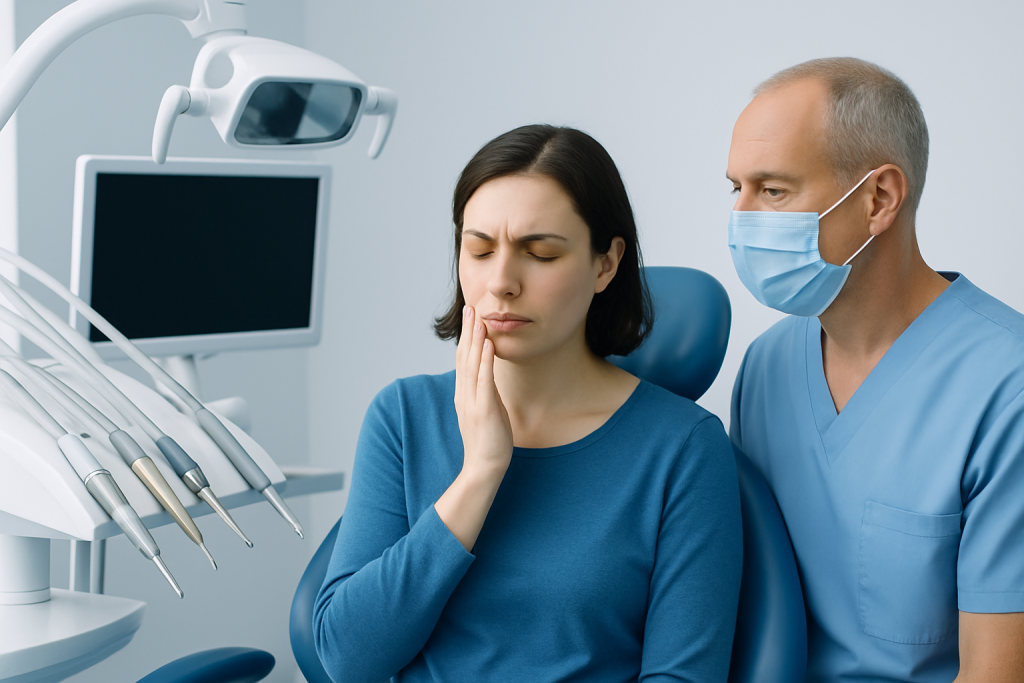
The most obvious sign is gum enlargement, but the details can vary. Some people notice that the gums appear smooth and swollen, while others see firm, fibrous tissue that slowly expands around the teeth. The changes may begin at the gumline and become more noticeable over time.
Other common features include bleeding when brushing, tenderness, bad breath, and difficulty flossing. If the tissue grows over part of the tooth surface, food can collect more easily and cleaning becomes harder, which may worsen inflammation.
- Visible gum swelling or thickening
- Bleeding with brushing or flossing
- Redness or tenderness
- Difficulty keeping teeth clean
- Changes in speech, biting, or chewing in more advanced cases
Some people feel little discomfort, especially early on, and may only notice the change during a dental visit. Even without pain, persistent gum overgrowth deserves attention because it can hide plaque and make gum disease more likely.
Causes & Risk Factors

Several different factors can lead to gingival hyperplasia. One of the most common is chronic irritation from plaque and tartar, which keeps the gums inflamed. When oral hygiene is difficult or inconsistent, the tissue can respond by becoming swollen and enlarged.
Certain medicines are also well known to contribute to gum overgrowth. These include some seizure medications, immunosuppressants, and calcium channel blockers used for blood pressure or heart conditions. Not everyone taking these medicines develops the problem, but the risk is important enough that patients should mention gum changes to the prescribing doctor and dentist.
Other contributors include hormonal changes, some systemic illnesses, mouth breathing, ill-fitting dental appliances, and inherited tendencies. In a few cases, fibrous gum enlargement has a genetic basis or is associated with long-term inflammation. The most useful question is not just whether the gums are enlarged, but what is maintaining that enlargement.
- Plaque buildup and periodontal inflammation
- Medication-related gum changes
- Hormonal shifts
- Medical conditions that affect tissues or immunity
- Genetic predisposition
Diagnosis
Diagnosis usually begins with a detailed oral examination. The dentist or periodontist looks at the pattern of gum enlargement, checks for bleeding or infection, and evaluates how much plaque or tartar is present. The shape and distribution of the tissue can offer clues about the cause.
A careful medication history is especially important. If the patient has recently started a new medicine or changed a long-term prescription, the dental team may work with the primary doctor to consider whether the treatment could be contributing. This is one reason international patients benefit from bringing a current medication list and, if possible, prior dental records or imaging.
Depending on the findings, additional tests may be recommended. These can include dental X-rays to assess bone and tooth support, blood tests if a systemic condition is suspected, or, less commonly, a biopsy when the appearance is unusual or the diagnosis is uncertain. The goal is to distinguish straightforward inflammation from other causes that require a different plan.
Treatment Options
Treatment is guided by the cause. If plaque-related inflammation is the main driver, professional cleaning and improved home care may lead to noticeable improvement. If a medication is suspected, the prescribing physician may consider an alternative when medically appropriate, although patients should never stop a prescribed drug on their own.
When excess tissue remains after the trigger is addressed, a dental procedure may be recommended to remove or reshape the gums. This is often done by a periodontist and may involve scalpel surgery, electrosurgery, or laser techniques, depending on the case and the clinic’s expertise. The procedure is usually planned after inflammation is reduced so the result is more precise and healing is smoother.
Treatment may also include deeper periodontal therapy if gum disease is present. In some patients, the enlarged tissue makes routine cleaning difficult enough that professional maintenance becomes part of the long-term plan. The best outcome usually comes from combining local dental treatment with cooperation from the patient’s medical team when medicines or systemic disease are involved.
Prevention & Self-care
Good daily oral care is one of the most reliable ways to reduce gum inflammation and help prevent worsening enlargement. Gentle but thorough brushing, daily flossing or interdental cleaning, and regular professional cleanings can make a meaningful difference, especially when plaque is a major factor.
Patients who take medicines linked to gum overgrowth should keep both their dentist and physician informed about gum changes. If a treatment plan is adjusted, follow-up visits are important so the oral tissues can be monitored as the body responds. For travelers receiving care abroad, it helps to leave with a clear written plan for home maintenance and follow-up timing.
- Brush twice daily with a soft-bristled brush
- Clean between teeth every day
- Keep dental cleaning appointments
- Avoid tobacco, which can complicate gum health
- Report new swelling after starting a medication
Simple habits also support recovery after treatment. Soft foods may be more comfortable for a short time after a procedure, and careful rinsing as advised by the dental team can help keep the area clean while it heals.
When to See a Doctor
A dentist or periodontist should evaluate gum enlargement that does not improve with routine cleaning, keeps returning, or seems to be spreading. Early assessment is especially useful if the swelling is affecting brushing, flossing, or eating, because the tissue can become harder to manage the longer it remains inflamed.
Medical review is also sensible when the change appears after starting a new medication, when there is frequent bleeding, or when the gums look unusually firm, painful, or asymmetrical. These details help clinicians decide whether the cause is most likely inflammatory, medication-related, or something else that needs closer attention.
For patients planning care internationally, bringing previous prescriptions, dental X-rays, and a summary of recent treatments can speed up diagnosis and reduce unnecessary repeat testing. Acibadem Health Point’s multidisciplinary specialists and JCI-accredited hospitals diagnose and treat gingival hyperplasia for international patients, with coordination between dental and medical teams when needed.
Living With Gingival Hyperplasia
Many people do well once the underlying cause is identified and treated. Even when surgery is needed, the outlook is generally favorable if the gums are kept clean afterward and the contributing factors are controlled. The condition can recur if the trigger returns, so follow-up is an important part of care.
Patients should think of treatment as a partnership. The dental team can remove excess tissue and reduce inflammation, but home care and regular maintenance determine how stable the result will be. For people who travel for treatment, a simple follow-up plan shared with the home dentist or physician can make ongoing care much easier.
With timely attention, gingival hyperplasia is usually manageable and does not need to define daily life. The key is to treat it early, protect the tissues around the teeth, and keep the reason for the gum enlargement in view rather than focusing on appearance alone.
Frequently asked questions
Is gingival hyperplasia the same as gum disease?
Not exactly. Gingival hyperplasia describes an overgrowth of the gums, while gum disease refers to inflammation and infection around the teeth. The two can occur together, and chronic gum inflammation can contribute to enlargement.
Can gingival hyperplasia go away on its own?
Sometimes mild swelling improves if plaque is removed and the gums are kept clean. However, if a medication or another underlying factor is causing the enlargement, it often returns unless the trigger is addressed.
Do all cases need surgery?
No. Some cases improve with professional cleaning, better home care, and medication review. Surgery is considered when excess tissue remains, interferes with cleaning, or affects function or appearance significantly.
Should a patient stop a medicine if gum overgrowth starts?
No, a prescribed medicine should not be stopped without medical advice. The dentist and prescribing doctor can discuss whether an alternative is appropriate and safe for the patient’s overall condition.
Can poor brushing alone cause enlarged gums?
Poor brushing and plaque buildup can definitely lead to swollen, enlarged gums. In many people, though, another factor such as a medication or an underlying health issue is also part of the picture.
How is recovery after gum reduction treatment?
Recovery is usually straightforward, but the gums may feel tender for a short time. Careful oral hygiene, follow-up visits, and guidance from the dental team help healing go smoothly and lower the chance of recurrence.
References
- American Dental Association
- National Institute of Dental and Craniofacial Research
- Mayo Clinic
- Cleveland Clinic
- Merck Manual Professional Edition
This article is for general information only and is not a substitute for professional medical advice. Please consult a qualified doctor about your individual situation.