Night Guard

Key Takeaways
- A night guard helps reduce wear from nighttime grinding and clenching.
- It may ease jaw soreness, morning headaches, and tooth sensitivity in some people.
- A properly fitted guard is more comfortable and effective than a one-size-fits-all product.
- Night guards do not cure the cause of bruxism, so underlying triggers still matter.
- Regular cleaning and dental follow-up help the appliance stay safe and effective.
A night guard is a removable dental appliance worn during sleep to help protect teeth from grinding and clenching. It can also reduce strain on the jaw and support more comfortable mornings for people with bruxism or related jaw tension.
Overview
A night guard is a custom-made or prefabricated oral appliance worn while sleeping to create a protective barrier between the upper and lower teeth. For people who clench or grind their teeth at night, it can reduce the direct force placed on enamel and dental restorations.
Many patients first learn they may need a night guard when a dentist notices flattened tooth surfaces, cracked fillings, jaw tenderness, or signs of wear that the person has not felt directly. Others notice morning symptoms such as a tight jaw, facial fatigue, or a dull headache and then seek an evaluation.
Although the term sounds simple, the purpose of a night guard is broader than “stopping grinding.” It helps protect the teeth, may lessen muscle strain, and can be part of a practical plan for people balancing sleep issues, stress, or travel-related disruptions that make nighttime clenching more noticeable.
Symptoms and Signs That a Night Guard May Help
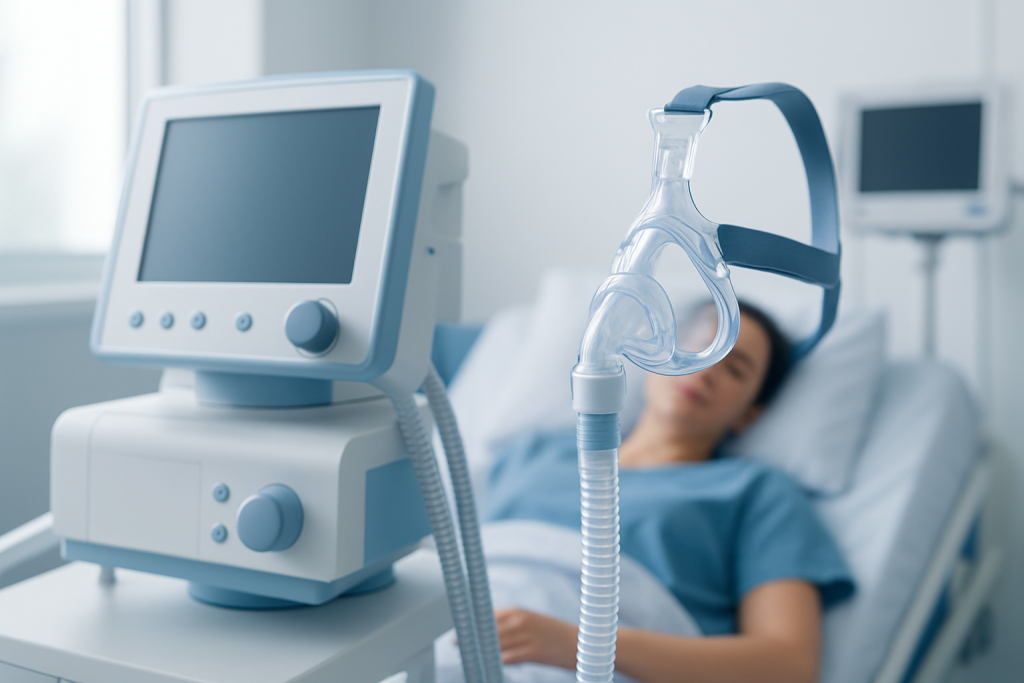
Not everyone who grinds their teeth is aware of it. In many cases, the first clues appear in the morning or during a dental exam rather than during sleep itself. A night guard is often considered when symptoms suggest repeated pressure on the teeth or jaw overnight.
Common signs include tooth sensitivity, chipped enamel, worn edges on the front teeth, tight or tired jaw muscles, and soreness near the temples. Some people also report clicking or discomfort in the jaw joint, disturbed sleep, or waking with the feeling that the bite “does not fit” comfortably at first.
- Morning jaw stiffness or facial soreness
- Headaches on waking
- Flattened, chipped, or sensitive teeth
- Unexplained wear on fillings, crowns, or veneers
- Jaw popping, tightness, or fatigue
These symptoms do not prove bruxism on their own, but they are useful clues. A dental assessment can help determine whether a night guard is appropriate and whether another issue, such as bite changes or a sleep-related problem, should be considered too.
Causes and Risk Factors
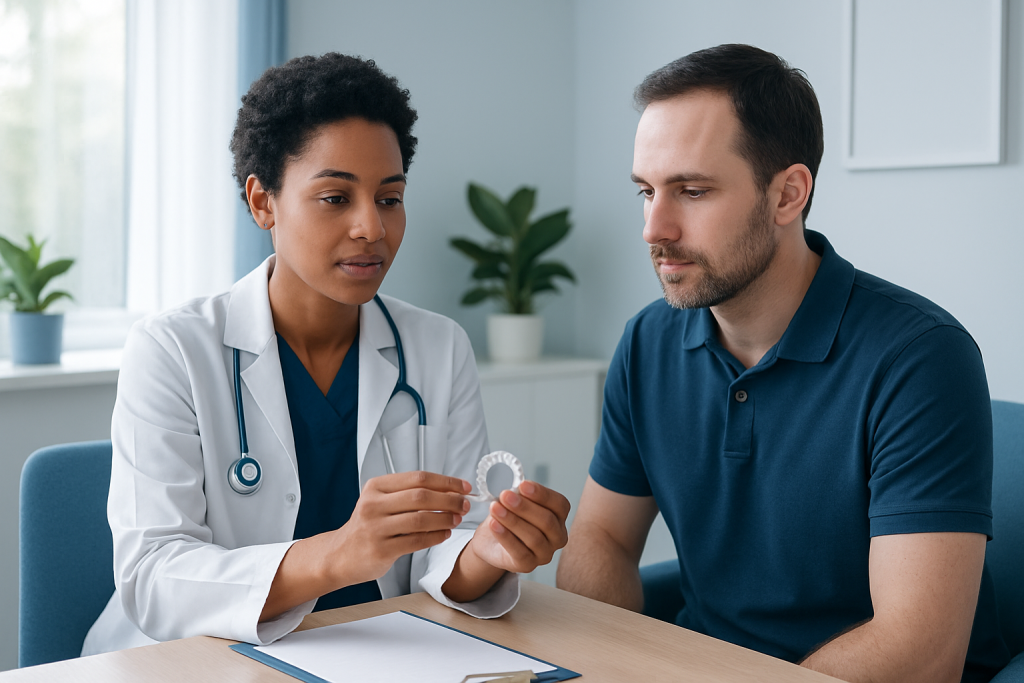
Night-time teeth grinding, also called sleep bruxism, does not usually have a single cause. It is often linked to a mix of factors involving stress, sleep quality, jaw alignment, medications, and certain health conditions. For some people, it comes and goes during periods of pressure or poor sleep rather than staying constant.
Stress and anxiety are commonly associated with clenching, but they are not the only contributors. Bruxism may also be seen with sleep disturbances, snoring or other sleep-disordered breathing, alcohol use, caffeine in excess, smoking, and some medicines that affect the nervous system. Children may grind their teeth as well, often for different reasons than adults.
Risk can be higher when a person has a history of jaw pain, worn teeth, or a family tendency toward bruxism. A dentist may also pay attention to a travel pattern: long flights, changing time zones, or disrupted sleep routines can make jaw tension feel more obvious, especially for international patients already managing stress and unfamiliar schedules.
Diagnosis
Diagnosis usually begins with a dental examination and a conversation about symptoms, sleep habits, stress levels, and any known sleep concerns. The dentist looks for telltale signs such as enamel wear, cracks, muscle tenderness, and patterns of bite contact that suggest repeated grinding or clenching.
In some cases, the history is enough to justify a night guard trial. In others, the dentist may want to rule out problems that can resemble bruxism, such as temporomandibular joint disorder, bite instability, tooth fracture, or sleep apnea. If sleep apnea is suspected, a referral for sleep assessment may be appropriate before or alongside dental treatment.
For a custom guard, dental impressions or digital scans are used to create a device that fits the patient’s mouth closely. That fit matters: a guard that is too loose can feel awkward, while one that is too tight can irritate the gums or bite muscles instead of helping them relax.
Treatment Options
Night guards are one part of treatment, not a complete solution for every cause of grinding. The main role is to protect the teeth and reduce mechanical strain while the underlying triggers are addressed. The best choice depends on symptoms, dental findings, and the person’s sleep and medical history.
Custom-made guards are often preferred because they are shaped for the individual’s bite and tend to feel more stable and comfortable. Over-the-counter guards may be useful in some situations, but they often fit less precisely. A poorly fitting appliance can be uncomfortable, may not protect the teeth evenly, and in some cases may change the bite in unwanted ways if used without guidance.
Other supportive measures may include stress-management strategies, improving sleep routines, reviewing medications with a doctor, or treating a sleep disorder if one is present. If the jaw is painful, a dentist or specialist may also suggest short-term measures to ease muscle irritation and protect the joints while the main cause is being evaluated.
Prevention and Self-care
A night guard works best when it is paired with habits that lower the load on the jaw. Since bruxism can be influenced by lifestyle and sleep quality, small daily changes sometimes make a meaningful difference in symptoms and in how often the appliance is needed.
Helpful self-care starts with noticing patterns. Some people clench more during stressful weeks, after poor sleep, or on nights when they use more caffeine or alcohol than usual. Keeping a simple record can help connect symptoms with triggers, which is especially useful for patients coordinating care across countries and trying to describe symptoms clearly during a short dental visit.
- Follow a regular sleep schedule when possible
- Limit jaw tension by avoiding gum chewing and hard-to-chew snacks when sore
- Use relaxation techniques before bedtime
- Keep the night guard clean and stored in a ventilated case
- Bring the guard to follow-up appointments so the fit can be checked
It is also wise to avoid trying to “bite through” a guard or adjust it at home with heat or tools. If it feels uncomfortable, a dentist can make safe refinements. Good maintenance helps the appliance last longer and keeps the mouth healthier.
When to See a Doctor
A dentist should evaluate ongoing grinding, worn teeth, jaw pain, or a guard that no longer feels right. It is especially important to seek assessment if symptoms are worsening, if teeth are cracking, or if the jaw is locking, popping painfully, or opening unevenly.
Medical attention may also be needed if the person snores loudly, has pauses in breathing during sleep, wakes unrefreshed, or has significant daytime sleepiness. In those situations, bruxism may be linked to a sleep disorder that needs broader assessment rather than a dental device alone.
For people traveling for treatment, follow-up planning matters. A dentist can explain how long to wear the guard, how to clean it, and what symptoms should prompt reassessment after returning home. Acibadem Health Point’s multidisciplinary specialists and JCI-accredited hospitals diagnose and treat this condition for international patients, with coordinated care that can support both treatment and follow-up.
Living With a Night Guard
Many people adapt to a night guard within a short time, especially when it is custom fitted and introduced with clear instructions. At first, the mouth may need a few nights to adjust, and mild fullness or extra saliva can happen. These effects usually settle as the appliance becomes part of the bedtime routine.
Ongoing dental review is important because the mouth changes over time. A guard that fit well last year may need adjustment later if teeth shift, restorations are added, or grinding patterns change. Regular checks also allow the dentist to look for new wear and make sure the appliance is still protecting the right areas.
Used thoughtfully, a night guard can be a practical, low-intervention tool that preserves teeth and improves comfort. It works best as part of a bigger plan that respects sleep, stress, and overall health rather than treating the mouth in isolation.
Frequently asked questions
What is a night guard used for?
A night guard is used to protect the teeth from grinding and clenching during sleep. It can also help reduce jaw strain and protect dental work such as fillings, crowns, or veneers.
Is a custom night guard better than a store-bought one?
A custom night guard usually fits more precisely and is often more comfortable. Store-bought options may help in some cases, but they can fit less well and may not provide the same level of protection.
Can a night guard stop teeth grinding completely?
A night guard does not usually stop the behavior itself. It mainly reduces the damage caused by grinding and clenching while the underlying causes are addressed.
How should a night guard be cleaned?
It should be rinsed after use and cleaned regularly according to the dentist’s instructions, usually with gentle cleaning methods that will not damage the material. Hot water should be avoided unless the dentist specifically says it is safe, because heat can distort the fit.
How long does a night guard last?
That depends on the material, how much grinding occurs, and how well it is cared for. A dentist should check it regularly to see whether it is still fitting properly and protecting the teeth effectively.
When should someone ask a dentist about a night guard?
A dental visit is a good idea if there is jaw pain, worn or sensitive teeth, morning headaches, or signs of grinding. It is also helpful if a person already has crowns, implants, or other restorations that may be affected by clenching.
References
- American Dental Association
- Mayo Clinic
- Cleveland Clinic
- National Institute of Dental and Craniofacial Research
- Sleep Foundation
This article is for general information only and is not a substitute for professional medical advice. Please consult a qualified doctor about your individual situation.