Periodontist

Key Takeaways
- Periodontists treat conditions affecting the gums, jawbone, and tooth-supporting tissues.
- Bleeding gums, persistent bad breath, gum recession, and loose teeth can signal periodontal disease.
- Diagnosis may include a gum exam, measurements around the teeth, and dental X-rays.
- Treatment can range from deep cleaning to gum surgery and, in some cases, implant-related care.
- Daily oral hygiene, smoking cessation, and regular follow-up visits help protect long-term gum health.
A periodontist is a dental specialist who focuses on the gums, bone, and supporting tissues that hold the teeth in place. This article explains what periodontists treat, how they evaluate gum problems, and what patients can expect before, during, and after care.
Overview
A periodontist is a dentist with advanced training in the structures that support the teeth: the gums, the bone around the teeth, and the connective tissues that keep everything stable. While a general dentist handles routine oral care, a periodontist is often involved when gum disease becomes more complex, when gum tissue recedes, or when tooth support needs a more specialized approach.
For many people, the first question is not whether gum disease exists, but whether it has quietly moved beyond what can be corrected with brushing alone. A periodontist helps clarify that picture. They evaluate how much support remains around each tooth, whether inflammation is active, and whether treatment should focus on cleaning below the gumline, restoring lost tissue, or protecting implants and surrounding bone.
Patients traveling from another country for dental evaluation often appreciate that periodontic care is stepwise rather than rushed. A specialist can review existing records, decide which imaging is actually necessary, and build a plan that fits both clinical needs and the time available for treatment and follow-up.
Symptoms

Periodontal problems do not always cause pain in the early stages, which is one reason they can be overlooked. Common warning signs include gums that bleed during brushing or flossing, swelling or tenderness along the gumline, and persistent bad breath that returns soon after cleaning. Some people also notice that their teeth appear longer because the gums are pulling back.
More advanced gum disease may lead to loose teeth, changes in how the teeth fit together when biting, or pockets between the teeth and gums that trap food and bacteria. In some cases, there may be discomfort when chewing, pus around the gums, or sensitivity near the tooth roots. Around dental implants, inflammation, bleeding, and soreness can signal a problem that deserves prompt attention.
These symptoms are not specific to one condition, so they should not be self-diagnosed. However, they are useful clues that a periodontist may need to examine the area more closely, especially if the issue has been recurring or has not improved with routine dental care.
Causes & Risk Factors
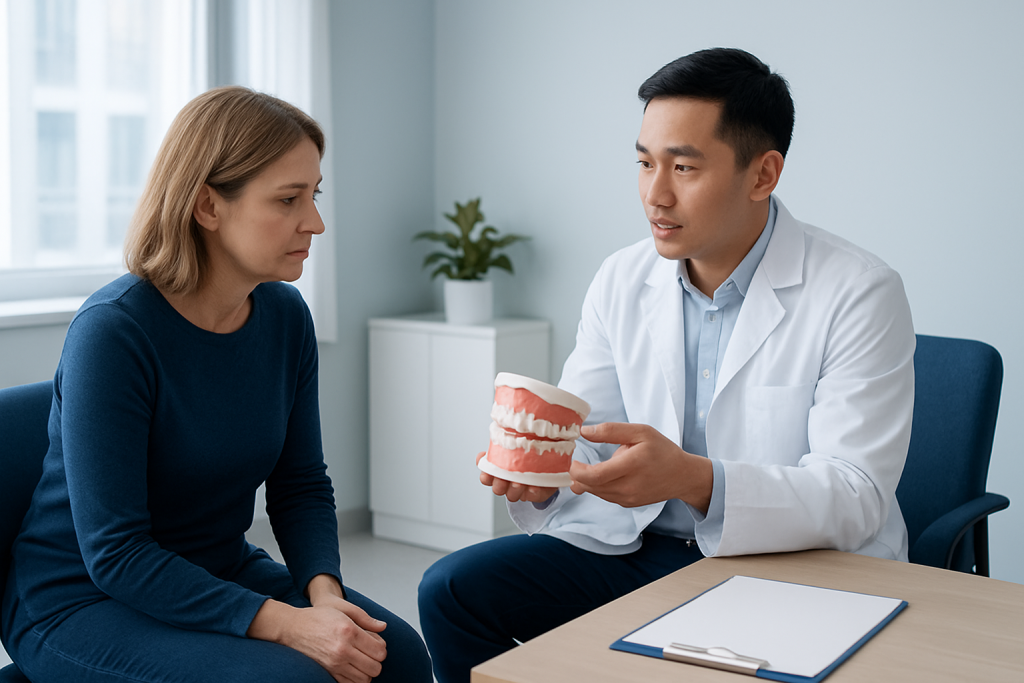
The most common cause of periodontal disease is plaque buildup along and under the gumline. When bacteria remain on the teeth, the gums can become inflamed. If that inflammation continues, the supporting tissues and bone may begin to break down. Tartar, which is hardened plaque, makes the process harder to control without professional cleaning.
Certain factors can make gum disease more likely or more difficult to manage. These include smoking, diabetes, hormonal changes, dry mouth, crowded teeth that are harder to clean, and a family history of periodontal problems. Some medications can also affect gum tissue or saliva flow, which may change how the mouth responds to bacteria.
In implant patients, peri-implant disease can develop when plaque collects around the restoration and surrounding tissues become inflamed. A periodontist may also be involved when a person has had previous gum treatment but still has areas of deep infection, recession, or bone loss that need ongoing maintenance.
- Poor oral hygiene habits
- Tobacco use
- Uncontrolled diabetes or other systemic conditions
- Genetic tendency toward gum disease
- Stress, which may affect self-care and healing
- Previous periodontal disease or implant complications
Diagnosis
Diagnosis usually begins with a detailed conversation about symptoms, medical history, medications, smoking exposure, and previous dental treatment. This background matters because gum health is closely linked to general health, and a treatment plan should reflect both.
The clinical exam includes careful inspection of the gums, measurement of periodontal pockets around each tooth, and assessment of tooth mobility and bleeding. The periodontist may also check how the bite distributes force across the teeth, since uneven pressure can make already weakened support systems work harder.
Dental X-rays are often used to see bone levels that cannot be observed directly. In some cases, additional imaging or records from a referring dentist help determine whether the problem is localized to one area or part of a broader pattern. For international patients, bringing recent radiographs or treatment notes can make the first consultation more efficient and reduce unnecessary repetition.
Treatment Options
Treatment depends on how far the condition has progressed. When inflammation is still limited, the goal may be to remove plaque and tartar below the gumline through scaling and root planing, often called deep cleaning. This helps smooth root surfaces and reduce the bacteria that keep the gums inflamed.
If pockets remain deep, or if the gums and bone have been affected more substantially, the periodontist may recommend periodontal surgery. This can include procedures to access and clean root surfaces, reshape affected tissue, or repair areas where bone and gum support have been lost. In selected cases, regenerative procedures may be considered to help preserve or rebuild support around specific teeth.
Gum grafting may be used when recession exposes the tooth roots and leads to sensitivity, root decay risk, or cosmetic concerns. For implants, treatment may focus on controlling inflammation around the implant surface, improving hygiene access, or addressing the tissues and bone supporting the restoration. The exact approach is individualized, and the best plan often combines in-office treatment with a home-care routine that the patient can realistically maintain after returning home.
Because oral tissues heal over time, follow-up visits are an important part of periodontal care. Maintenance appointments help monitor pocket depth, remove new deposits, and catch small problems before they become larger ones.
Prevention & Self-care
Good periodontal care starts with consistent daily habits. Brushing twice a day with a soft-bristled toothbrush, cleaning between the teeth once daily, and using a fluoride toothpaste can significantly reduce plaque buildup. For some people, interdental brushes, floss, or other cleaning aids work better than one method alone.
Smoking cessation is one of the most important steps for gum health. Tobacco can mask inflammation, slow healing, and make periodontal treatment less predictable. People with diabetes benefit from keeping blood sugar under good medical control, since stable glucose levels support healthier gums and better recovery after treatment.
After periodontal care, patients are often advised to return for regular maintenance visits rather than waiting for symptoms to reappear. This is especially important for people who have already had gum disease, because the condition can return even after successful treatment if plaque control slips or risk factors remain active.
- Use a soft toothbrush and replace it regularly
- Clean between teeth daily
- Avoid smoking and tobacco products
- Keep routine dental and periodontal follow-up visits
- Share updated medical information with the dental team
- Follow post-treatment instructions carefully, especially after surgery
When to See a Doctor
It is wise to see a periodontist or dentist if the gums bleed frequently, bad breath persists despite good home care, or the gums appear to be shrinking away from the teeth. A specialist evaluation is also appropriate when teeth feel loose, chewing becomes uncomfortable, or there is swelling that keeps returning in the same area.
People with diabetes, smokers, implant patients, and those who have already had gum treatment should be especially attentive to early changes. A small shift in gum color, texture, or bleeding can be an early signal that treatment or maintenance needs to be adjusted.
For patients seeking care while traveling, it helps to schedule enough time for an initial exam and a clear treatment discussion, rather than trying to complete everything in one visit without a plan. Acibadem Health Point’s multidisciplinary specialists and JCI-accredited hospitals can diagnose and treat periodontal conditions for international patients, with coordination designed to support both treatment and follow-up planning.
What a Visit May Feel Like
Many people are nervous before seeing a periodontist because they expect complicated procedures. In reality, the first visit is often about information gathering. The specialist explains what they see, which areas are stable, and which tissues need attention, so the patient can understand the condition in practical terms rather than only hearing dental terminology.
If treatment is needed, the team may discuss whether it should begin right away or be staged over several appointments. This pacing matters for patients coming from abroad, since it allows the dentist to match the plan to travel dates, healing time, and any local follow-up that can be arranged back home.
Clear communication is a key part of periodontal care. Patients should feel comfortable asking what the goals are, how long healing may take, and what changes in daily cleaning will be expected afterward.
Living Well After Periodontal Treatment
Long-term success depends on more than the procedure itself. Even after deep cleaning or surgery, the gums need ongoing support through careful home care and periodic professional maintenance. The good news is that many patients are able to keep their teeth and implants healthy for years when they stay consistent.
It can help to think of periodontal treatment as a partnership: the specialist manages disease and monitors healing, while the patient protects the result through daily cleaning and lifestyle choices. When that partnership is strong, the mouth is more likely to remain stable and comfortable.
If a person notices new bleeding, tenderness, or looseness after treatment, it is better to check early rather than wait. Periodontal issues are often easier to address when they are small.
Frequently asked questions
What does a periodontist do that a general dentist may not?
A periodontist focuses on the gums, supporting bone, and tissues around the teeth and implants. They are trained to manage more complex gum disease, recession, and related surgical care when needed. General dentists often refer patients when the problem goes beyond routine cleaning or basic treatment.
Do bleeding gums always mean periodontal disease?
Not always, but bleeding is a sign that the gums are irritated and should not be ignored. It can happen from plaque buildup, brushing too hard, or early gum disease. If bleeding continues, a dental exam is the safest way to find the cause.
Is periodontal treatment painful?
Most periodontal procedures are done with local anesthesia or other comfort measures, so patients usually feel pressure rather than pain during treatment. Some soreness or tenderness afterward is common, depending on the procedure. The dentist or periodontist will explain how to care for the area as it heals.
Can gum disease be reversed?
Early gum inflammation can often improve significantly with professional cleaning and better home care. Once bone loss or tissue damage has occurred, the goal is usually to control the disease and protect what remains. That is why early evaluation is so helpful.
Why are maintenance visits important after periodontal treatment?
Gum disease can return if plaque and bacteria build up again, even after successful treatment. Maintenance visits allow the periodontist to remove deposits, measure gum health, and catch changes early. They are an important part of long-term stability.
Should implant patients see a periodontist too?
Yes, especially if there is inflammation, bleeding, or soreness around the implant. Periodontists often help prevent and treat problems affecting the tissues around implants. Regular monitoring can support the health of the implant and surrounding gums.
References
- American Academy of Periodontology
- Mayo Clinic
- National Institute of Dental and Craniofacial Research
- World Health Organization
This article is for general information only and is not a substitute for professional medical advice. Please consult a qualified doctor about your individual situation.
More from the Health Library



Related Specialists

Prof. Dr. Metin Gürsürer
Cardiology
Dr. Nilüfer Oğuz
Dermatology
Dr. Melike Lider Gezer
Ophthalmology
Prof. Dr. Engin Oral (m) (g)
Obstetrics and Gynecology