

Greater Trochanter

Key Takeaways
- The greater trochanter is the bony prominence on the outer hip and an important attachment point for nearby muscles and tendons.
- Pain in this area is often linked to overuse, tendon irritation, bursitis, or movement patterns that strain the hip.
- Diagnosis usually starts with a medical history and physical examination, with imaging used when another cause needs to be ruled out.
- Treatment commonly includes activity changes, targeted exercises, pain-relief measures, and sometimes injections or other procedures.
- Most people improve with conservative care when the underlying cause is identified early and managed consistently.
Pain around the greater trochanter usually refers to discomfort on the outer side of the hip, where several muscles, tendons, and the trochanteric bursa meet. The cause is often treatable, and a careful evaluation helps match symptoms to the right plan of care.
Overview
The greater trochanter is the prominent bony point on the outside of the upper thigh, just below the hip joint. It serves as a key anchor for muscles that help stabilize the pelvis and move the leg, which is why symptoms in this region can affect walking, climbing stairs, and even sleeping on one side.
When people mention “greater trochanter pain,” they are usually describing pain on the outer hip rather than a problem with the bone itself. The discomfort may come from the tendons that attach there, the fluid-filled bursa that reduces friction, or nearby soft tissues that become irritated over time.
Because this area is involved in so many daily movements, the pain can feel stubborn. A clear diagnosis matters, especially for international patients arranging care while traveling, since the best treatment depends on whether the main issue is tendon overload, bursitis, arthritis, or a less common cause.
Symptoms
Greater trochanter-related pain is often felt as a deep ache or sharp tenderness on the outer side of the hip. Some people notice it most when lying on the affected side, getting up from a chair, or walking for longer periods.
Symptoms may also spread down the outer thigh. In many cases, the area is sore to the touch, and the pain becomes more noticeable with activities that load the hip, such as stairs, standing on one leg, or changing direction quickly.
- Tenderness over the outer hip
- Pain when lying on the affected side
- Discomfort during walking, stair climbing, or prolonged standing
- Stiffness after sitting
- Occasional clicking or a feeling of weakness in the hip
Symptoms can vary from mild and intermittent to persistent and disruptive. If pain begins after a fall, comes with fever, significant swelling, numbness, or inability to bear weight, medical assessment should be arranged promptly.
Causes & Risk Factors

The most common reason for pain in the greater trochanter area is irritation of the soft tissues that pass over this bony prominence. Repeated friction or compression can inflame the local bursa or strain the gluteal tendons that help keep the pelvis stable during movement.
Several factors can make this more likely. Weakness in the hip muscles, changes in walking mechanics, sudden increases in activity, long-distance running, prolonged standing, or occupations that involve repetitive movement may all contribute. Tightness in surrounding muscles and poor load distribution across the pelvis can also play a role.
Risk may be higher in people with previous hip or low-back problems, leg-length differences, obesity, or conditions that alter posture and gait. In some cases, the pain is related to broader musculoskeletal issues rather than a single injury, which is why a whole-body movement assessment is often useful.
Diagnosis
Diagnosis usually begins with a detailed conversation about where the pain is located, what worsens it, and how it affects daily life. A clinician will often examine the hip while the person lies, stands, and walks, looking for tenderness, strength changes, and movement patterns that point to the source of pain.
Many cases can be identified through physical examination alone. Imaging may be recommended when symptoms are persistent, severe, unusual, or not improving as expected, or when another condition such as arthritis, a tendon tear, or a stress fracture needs to be excluded.
Common tools may include:
- X-rays to evaluate bone structure and rule out other hip conditions
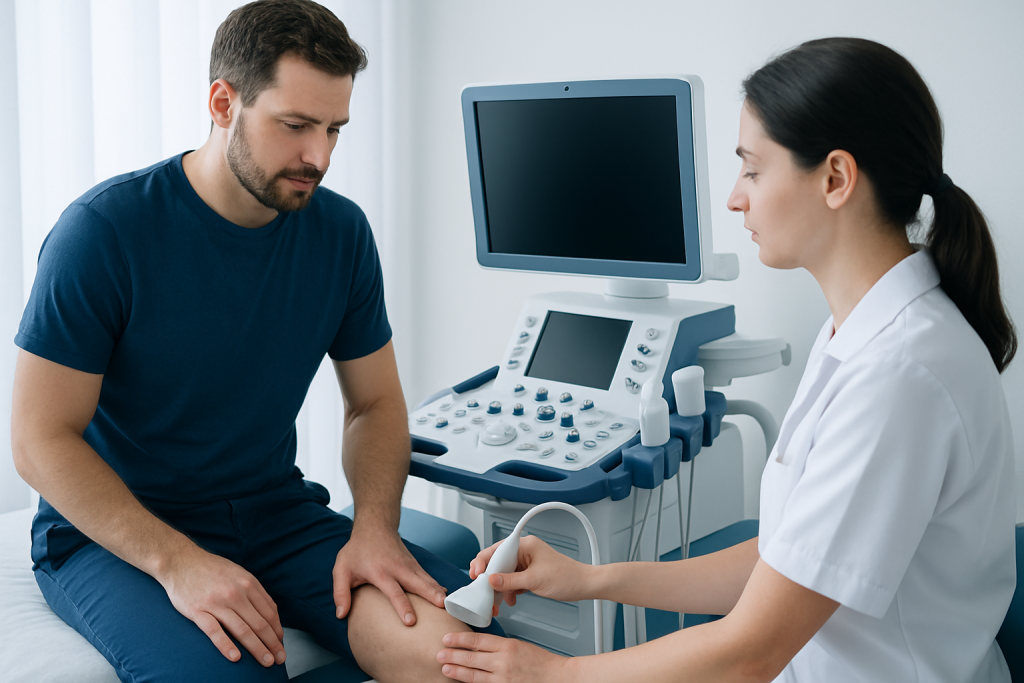
- Ultrasound to assess bursae and tendons
- MRI when soft-tissue detail is needed
For patients traveling from another country, it helps to bring prior scans, operation reports, medication lists, and a brief timeline of symptoms. That information can make the first orthopedic consultation more efficient and reduce the need for repeating tests.
Treatment Options
Treatment depends on the exact cause, but many people improve with conservative care. The first goal is usually to reduce irritation while restoring healthy movement around the hip. This may include modifying activities that trigger pain, improving posture, and using short-term Knee Pain Relief: Causes and Treatment" class="ahp-ilk">pain relief recommended by a clinician.
Physical therapy is often central to recovery. Guided exercises can strengthen the hip abductor muscles, improve control of the pelvis, and reduce compressive stress over the greater trochanter. Stretching may be added carefully, but it should be tailored, since aggressive stretching can sometimes worsen symptoms if tendons are already irritated.
If symptoms remain troublesome, a doctor may consider additional treatments such as:
- Anti-inflammatory measures when appropriate
- Targeted corticosteroid injection in selected cases
- Ultrasound-guided procedures when precise treatment is needed
- Rarely, surgery for persistent structural problems or tendon tears
The best option depends on the diagnosis, symptom duration, and overall hip function. For patients seeking care abroad, a multidisciplinary orthopedic team can coordinate imaging, therapy, and follow-up so recovery planning continues smoothly after the trip home.
Prevention & Self-care
Prevention starts with reducing repeated strain on the outer hip. Gradual training changes, supportive footwear, and attention to walking or running mechanics can help the tissues tolerate load more comfortably.
Simple self-care steps often make a practical difference. Avoid prolonged pressure on the painful side while sleeping, use a pillow between the knees if side-lying is uncomfortable, and break up long periods of standing or sitting with gentle movement breaks. A clinician or physiotherapist can also suggest exercises that build hip strength without overloading the area.
Helpful habits may include:
- Increasing activity intensity gradually
- Keeping the hip and core muscles conditioned
- Avoiding repeated positions that pinch the outer hip
- Using a heat or cold pack if it eases discomfort
- Following the exercise plan consistently, even after pain improves
Recovery is usually steadier when the person understands which movements help and which ones temporarily need to be reduced. That balance is especially important for travelers who need a realistic plan they can continue after returning to their home country.
When to See a Doctor
Medical evaluation is advisable when outer-hip pain lasts more than a short period, keeps returning, or interferes with sleep, walking, or work. A doctor can confirm whether the greater trochanter area is the true source of pain or whether another hip or spine condition is contributing.
Prompt assessment is also important if the pain follows an injury, if there is significant swelling or weakness, or if the person cannot bear weight normally. These features do not always mean something serious, but they do warrant timely examination.
For patients planning treatment across borders, early consultation can help coordinate imaging, treatment choice, and rehabilitation before travel is arranged. Acibadem Health Point notes that its multidisciplinary specialists and JCI-accredited hospitals diagnose and treat conditions affecting the greater trochanter for international patients, with follow-up planning designed to support recovery after discharge.
FAQs
Is greater trochanter pain the same as trochanteric bursitis?
Not always. Trochanteric bursitis is one possible cause, but pain in this area is often linked to tendon irritation or broader “greater trochanteric pain syndrome.” A clinician can help identify the main source.
Can walking make the pain worse?
Yes, especially if the hip muscles are irritated or weak. Shorter walks, temporary activity modification, and guided strengthening often help more than complete rest alone.
Does the pain usually go away on its own?
Mild cases may settle, but persistent pain often needs a targeted plan. Early assessment can prevent the problem from becoming long-lasting.
Is surgery common?
No, surgery is not usually needed. Most people improve with non-surgical treatment such as physiotherapy, load management, and selective injections when appropriate.
Can sleeping position matter?
Yes, lying on the painful side can increase pressure over the greater trochanter and worsen symptoms. A pillow between the knees or sleeping on the other side may reduce discomfort.
What should a traveler bring to an orthopedic appointment abroad?
Previous imaging, reports, a list of medicines, and a clear timeline of symptoms are very helpful. These details allow the care team to build a treatment plan efficiently and minimize duplicate testing.
Frequently asked questions
Is greater trochanter pain the same as trochanteric bursitis?
Not always. Trochanteric bursitis is one possible cause, but pain in this area is often linked to tendon irritation or broader greater trochanteric pain syndrome. A clinician can help identify the main source.
Can walking make the pain worse?
Yes, especially if the hip muscles are irritated or weak. Shorter walks, temporary activity modification, and guided strengthening often help more than complete rest alone.
Does the pain usually go away on its own?
Mild cases may settle, but persistent pain often needs a targeted plan. Early assessment can prevent the problem from becoming long-lasting.
Is surgery common?
No, surgery is not usually needed. Most people improve with non-surgical treatment such as physiotherapy, load management, and selective injections when appropriate.
Can sleeping position matter?
Yes, lying on the painful side can increase pressure over the greater trochanter and worsen symptoms. A pillow between the knees or sleeping on the other side may reduce discomfort.
What should a traveler bring to an orthopedic appointment abroad?
Previous imaging, reports, a list of medicines, and a clear timeline of symptoms are very helpful. These details allow the care team to build a treatment plan efficiently and minimize duplicate testing.
References
- American Academy of Orthopaedic Surgeons
- Mayo Clinic
- NHS
- National Institute of Arthritis and Musculoskeletal and Skin Diseases
This article is for general information only and is not a substitute for professional medical advice. Please consult a qualified doctor about your individual situation.
More from the Health Library



Related Specialists

Prof. Dr. Ahmet Alanay
Orthopedic Surgery & Traumatology
Dr. Sinan Aksu
Orthopedic Surgery & Traumatology
Dr. Sirri Baştürk
Orthopedic Surgery & Traumatology
Prof. Dr. Korhan Özkan
Orthopedic Surgery & Traumatology