

Foot Bones: Anatomy and Common Conditions

Key Takeaways
- The foot contains many small bones that work together with joints, ligaments, and muscles.
- Foot pain can come from fractures, stress injuries, arthritis, deformities, or overuse.
- Diagnosis may include physical examination and imaging such as X-rays, MRI, or CT.
- Treatment depends on the cause and may include rest, immobilization, orthotics, therapy, or surgery.
- Early evaluation helps protect long-term walking comfort and reduce the risk of persistent problems.
Medically reviewed by the Acıbadem clinical team — August 19, 2026
The bones of the foot form a finely balanced framework that supports body weight, absorbs shock, and enables standing, walking, and running. When one part of this structure is injured or misaligned, pain and mobility changes can affect daily life quite quickly.
Overview
The foot is a compact but highly engineered part of the body. It contains 26 bones in each foot, along with many joints, tendons, ligaments, and muscles that work in coordinated layers to support balance and movement. These structures allow the foot to adapt to uneven ground, transfer force during walking, and provide a stable base for the rest of the body.
From an orthopedic perspective, foot bones are not just passive supports. They help shape the arches, distribute pressure, and absorb repeated impact with every step. When a bone, joint, or surrounding soft tissue is irritated or injured, even simple activities such as standing in line or climbing stairs can become uncomfortable.
For international patients deciding where to seek care, understanding the foot’s anatomy can make medical conversations easier. It also helps patients follow treatment plans more confidently, especially when they need imaging, bracing, physical therapy, or travel-based follow-up after returning home.
Symptoms
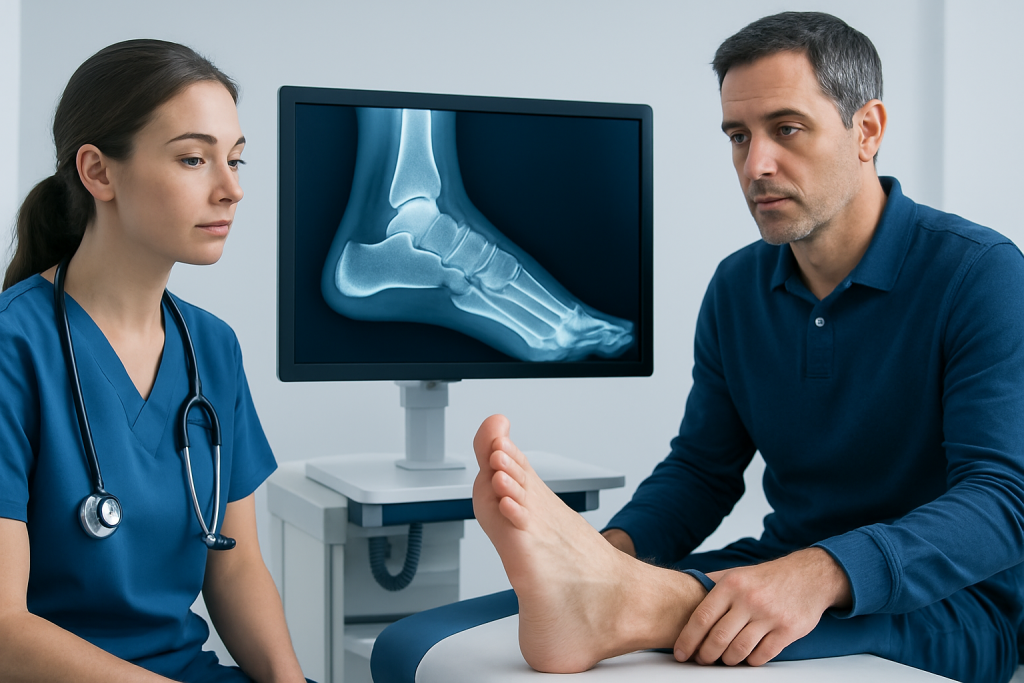
Problems involving foot bones can appear in several ways, and symptoms often depend on which area is affected. Some people notice sharp pain after a twist or fall, while others develop a gradual ache that worsens with walking or exercise. Swelling, bruising, stiffness, or difficulty bearing weight are also common clues.
Pain may be located in the heel, midfoot, forefoot, toes, or along the top or side of the foot. In some conditions, discomfort is felt more strongly during the first steps in the morning or after a period of rest. In others, the pain increases with activity and improves with rest, which can suggest an overuse injury such as a stress fracture.
More specific signs may include visible deformity, reduced range of motion, numbness, tenderness to touch, or a sense that the foot is unstable. If symptoms are persistent or begin after an injury, it is wise to have them assessed rather than waiting for them to settle on their own.
- Pain with walking or standing
- Swelling or bruising
- Stiffness in the foot or toes
- Tenderness over a specific bone
- Difficulty putting weight on the foot
Causes & Risk Factors
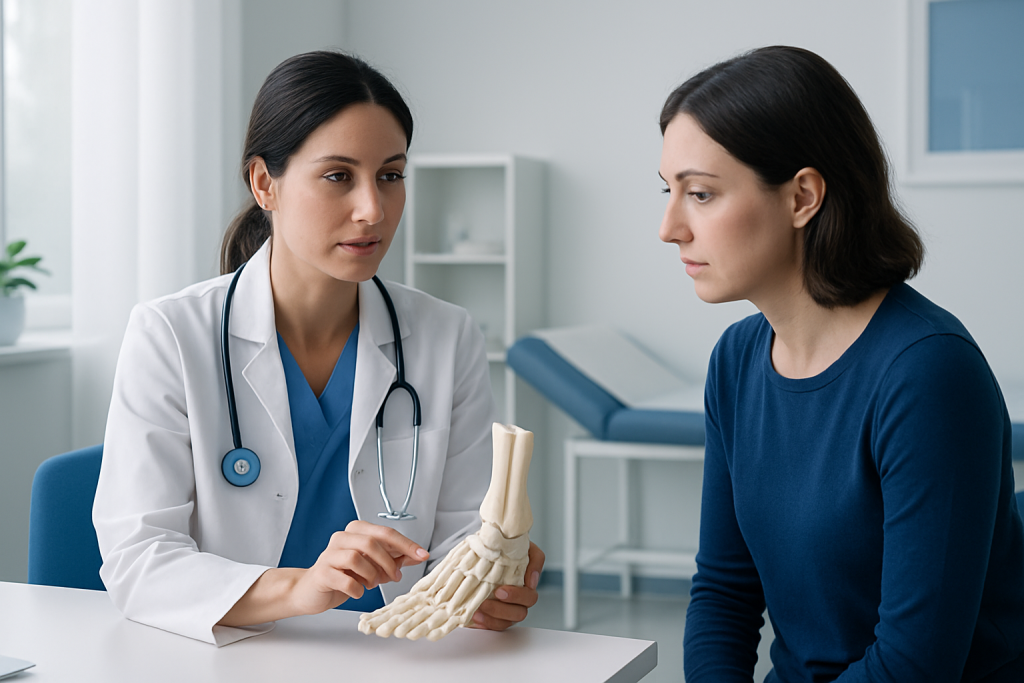
Foot bone problems have many possible causes. Acute injuries such as falls, sports accidents, or missteps can lead to fractures or dislocations. Repetitive strain from running, jumping, long shifts on the feet, or sudden increases in activity can irritate bone tissue and cause stress fractures, especially when recovery time is limited.
Some structural issues develop over time. Flat feet, high arches, bunions, hammertoes, and abnormal walking patterns can place uneven pressure on the bones and joints. Arthritis may gradually wear down cartilage and change joint alignment, while inflammatory conditions can also affect the foot.
Certain risk factors make problems more likely. These include wearing poorly fitting shoes, returning too quickly to sport after a break, reduced bone density, previous foot injuries, and occupations that require prolonged standing or heavy physical work. In older adults, balance changes and bone fragility may also increase the chance of injury.
Diagnosis
A doctor usually begins with a careful history and physical examination. They may ask when the pain began, whether there was an injury, which movements worsen symptoms, and whether the patient can walk normally. Examination of alignment, tenderness, swelling, range of motion, and gait often provides useful clues.
Imaging may be needed to confirm the diagnosis or rule out other causes. X-rays are often the first test because they can show fractures, joint changes, and some structural problems. If a stress injury, ligament injury, or subtle bone damage is suspected, MRI or CT may provide more detail. In selected cases, ultrasound or other studies may be used depending on the clinical question.
For patients traveling for care, diagnostic planning is especially important. A clear diagnosis helps specialists choose the right treatment before departure or coordinate follow-up instructions that can be continued safely at home. Bringing previous imaging, medical records, and a list of symptoms can make the assessment more efficient.
Treatment Options
Treatment depends on the specific condition, the location of the problem, and whether the bone is fractured, inflamed, or structurally misaligned. Some injuries improve with rest, activity modification, and temporary support such as a stiff-soled shoe, walking boot, cast, or brace. The goal is to protect the bone while it heals and reduce pain during daily movement.
Medication may be used to ease discomfort, but treatment should be guided by a clinician, especially when there are other health conditions or concerns about bone healing. Physical therapy can help restore flexibility, improve strength, and retrain walking patterns after immobilization or surgery. Orthotic inserts may also reduce pressure on vulnerable areas and improve foot mechanics.
Surgery is sometimes recommended for displaced fractures, severe deformities, unstable joints, or cases that do not improve with conservative care. Procedures vary widely and may involve fixation of broken bones, correction of alignment, or reconstruction of supportive structures. The recovery plan often includes follow-up imaging, gradual return to activity, and a structured rehabilitation program.
Patients who need Herniated Disc Treatment Abroad: Injection, Rehab, or Surgery?" class="ahp-ilk">treatment abroad may benefit from a coordinated plan that includes imaging review, specialist assessment, surgery if needed, and post-treatment instructions for home recovery. Acibadem Health Point’s multidisciplinary specialists and JCI-accredited hospitals diagnose and treat foot conditions for international patients in a coordinated setting.
Prevention & Self-care
Not every foot bone problem can be prevented, but many can be made less likely with practical daily habits. Supportive shoes that fit well are an important first step, especially for people who walk a lot, stand for work, or exercise regularly. Replacing worn-out footwear can also reduce strain on the foot’s small joints and bones.
Activity changes should be gradual. A sudden jump in training intensity, hill running, or impact sports can overload the foot before it has time to adapt. Warm-ups, cross-training, and rest days help protect against repetitive stress. People with known foot alignment issues may also benefit from orthotic support or tailored advice from an orthopedist or podiatry-trained clinician.
At home, short-term self-care often includes rest, elevation, and icing when appropriate, especially after a minor strain or injury. It is also helpful to keep a symptom diary: where the pain is, what triggers it, and whether swelling or stiffness changes over time. This information can make a specialist visit more productive, particularly if the patient is arranging care from another country and needs a concise plan for recovery.
- Wear shoes with good support and room for the toes
- Increase exercise gradually
- Use orthotics if recommended
- Allow time for recovery after injury
- Seek evaluation for recurring pain or swelling
When to See a Doctor
Medical evaluation is advisable when foot pain lasts more than a few days, keeps returning, or interferes with walking and daily tasks. Pain that follows an injury should be assessed sooner, especially if the foot looks swollen, bruised, or deformed. A doctor can determine whether the problem is a sprain, fracture, stress injury, joint condition, or something else entirely.
Prompt attention is especially important if a person cannot bear weight, notices numbness, has an open wound, or sees that the foot is becoming increasingly painful rather than improving. People with diabetes, poor circulation, or reduced sensation in the feet should seek care early for any new foot problem, since small issues can become more complex if ignored.
Patients who are planning treatment while traveling may want to arrange an evaluation before their trip, or confirm what follow-up will be needed after returning home. A clear diagnosis and recovery plan can reduce uncertainty and help them move forward with confidence.
Living With Foot Bone Conditions
Healing is often not just about the bone itself; it is about restoring a person’s ability to move comfortably and safely. Many patients improve steadily once the cause is identified and treatment is matched to the problem. Recovery may be gradual, especially when a condition has been present for some time or when the foot has been under repeated stress.
Staying engaged with the care plan matters. That may include wearing supportive footwear, doing prescribed exercises, attending follow-up visits, and adjusting activity during recovery. If pain changes unexpectedly, or if walking becomes harder instead of easier, the treatment plan may need to be revised.
Because the foot is so central to daily mobility, even small improvements can make a noticeable difference. With the right diagnosis and a thoughtful approach, many foot bone problems can be managed effectively and with good long-term function.
Frequently asked questions
How many bones are in the foot?
Each foot has 26 bones. These include the tarsals, metatarsals, and phalanges, which work together with joints and soft tissues to support walking and balance.
What is the most common reason for foot bone pain?
There is no single cause, because foot pain can come from injuries, stress fractures, arthritis, or alignment problems. A doctor can help identify the source based on symptoms, examination, and imaging when needed.
Can a stress fracture heal without surgery?
Many stress fractures improve with rest and protection from weight-bearing stress. The exact plan depends on the bone involved and how severe the injury is, so evaluation is important.
Why does my foot hurt more when I start walking after rest?
Pain that is worse with the first steps after rest can occur with several foot conditions, including joint irritation and soft tissue strain. It is a useful clue, but it does not point to one diagnosis by itself.
What imaging test is best for foot bone problems?
X-rays are often the first test because they can show fractures and alignment changes. MRI or CT may be used when the problem is subtle, when soft tissue injury is suspected, or when more detail is needed.
When should foot pain be checked urgently?
Urgent assessment is sensible if the foot cannot bear weight, looks deformed, has major swelling or bruising, or if numbness or an open wound is present. People with diabetes or circulation problems should also seek early care for new foot symptoms.
References
- American Academy of Orthopaedic Surgeons
- Merck Manual Professional Edition
- Mayo Clinic
- National Institute of Arthritis and Musculoskeletal and Skin Diseases
This article is for general information only and is not a substitute for professional medical advice. Please consult a qualified doctor about your individual situation.
Joint and spine care in Turkey — expert assessment & treatment
JCI-accredited · board-certified surgeons · reply within 24h
Add us as a Preferred Source to see more of our trusted health content across Google Search, AI Overviews and Discover.
More from the Health Library



Related Specialists

Prof. Dr. Ahmet Alanay
Orthopedic Surgery & Traumatology
Dr. Sinan Aksu
Orthopedic Surgery & Traumatology
Dr. Sirri Baştürk
Orthopedic Surgery & Traumatology
Prof. Dr. Korhan Özkan
Orthopedic Surgery & Traumatology