

Flat Feet

Key Takeaways
- Flat feet can be flexible or rigid, and the difference helps guide treatment.
- Many people with flat feet never need treatment if they have no pain or limitation.
- New pain, swelling, or one-sided arch collapse may point to an underlying issue.
- Supportive footwear, orthotics, exercise, and targeted therapy often help.
- Surgery is usually considered only when symptoms are persistent and function is affected.
Flat feet occur when the arches of the feet are lower than usual or absent, and this may be present from childhood or develop later in life. Many people have no symptoms, but others notice pain, fatigue, or changes in walking that deserve assessment by a foot and ankle specialist.
Overview
Flat feet, also called flatfoot or fallen arches, describe a foot shape in which the arch is lower than expected or appears absent when standing. In many people, this is simply a normal variation. In others, it reflects a change in the bones, tendons, ligaments, or joints that support the foot.
The arch is part of the foot’s natural shock-absorbing system. When it is lower than usual, the foot may roll inward more than expected, which can affect the ankles, knees, legs, or even the lower back in some people. The impact varies widely: one person may never notice it, while another may develop discomfort during walking, exercise, or long periods on their feet.
For international patients deciding whether to travel for care, the most useful question is not simply whether the feet look flat, but whether the condition is causing pain, limiting activity, or changing over time. Those details help a specialist decide whether the flat feet are a benign trait or a sign of a treatable problem.
Symptoms
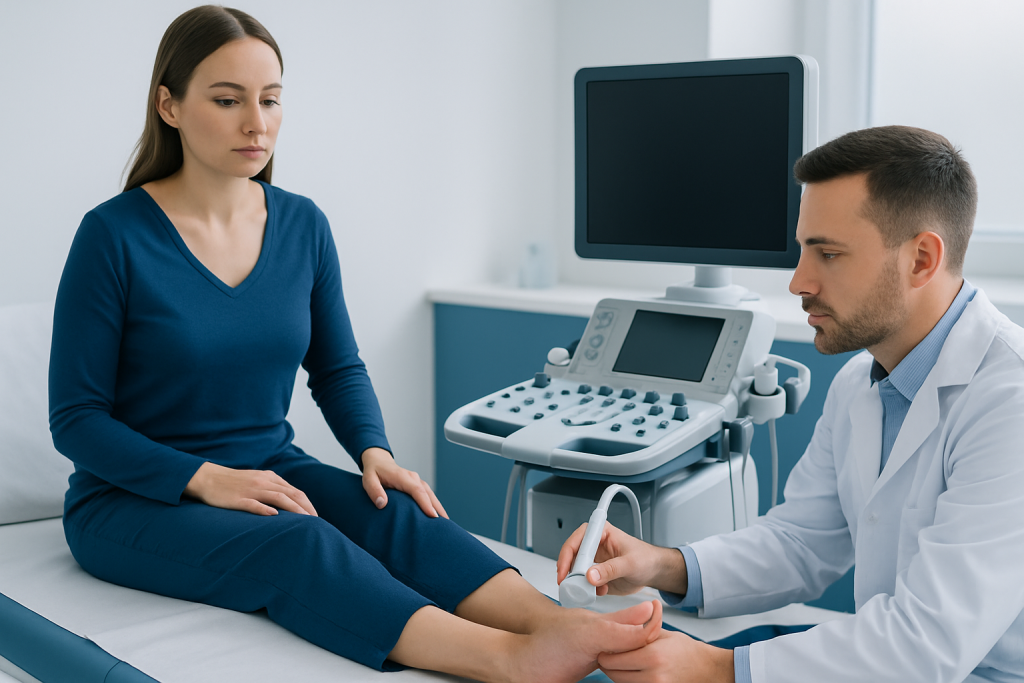
Flat feet do not always cause symptoms, especially in children or in adults whose feet have always had a low arch. When symptoms do appear, they may be mild at first and become more noticeable with standing, walking, running, or wearing unsupportive shoes.
Common complaints include aching along the inside of the foot or ankle, tired feet after short periods of activity, and a feeling that shoes wear out unevenly. Some people notice the foot turns outward more than before, or that one foot looks flatter than the other.
- Pain in the arch, heel, ankle, or outer foot
- Swelling along the inside of the ankle
- Foot fatigue after activity
- Difficulty standing on tiptoe or pushing off while walking
- Changes in gait, posture, or balance
When pain is sudden, one-sided, or linked to swelling and weakness, it deserves closer evaluation. Those features can suggest tendon irritation or another condition rather than a simple foot shape difference.
Causes & Risk Factors
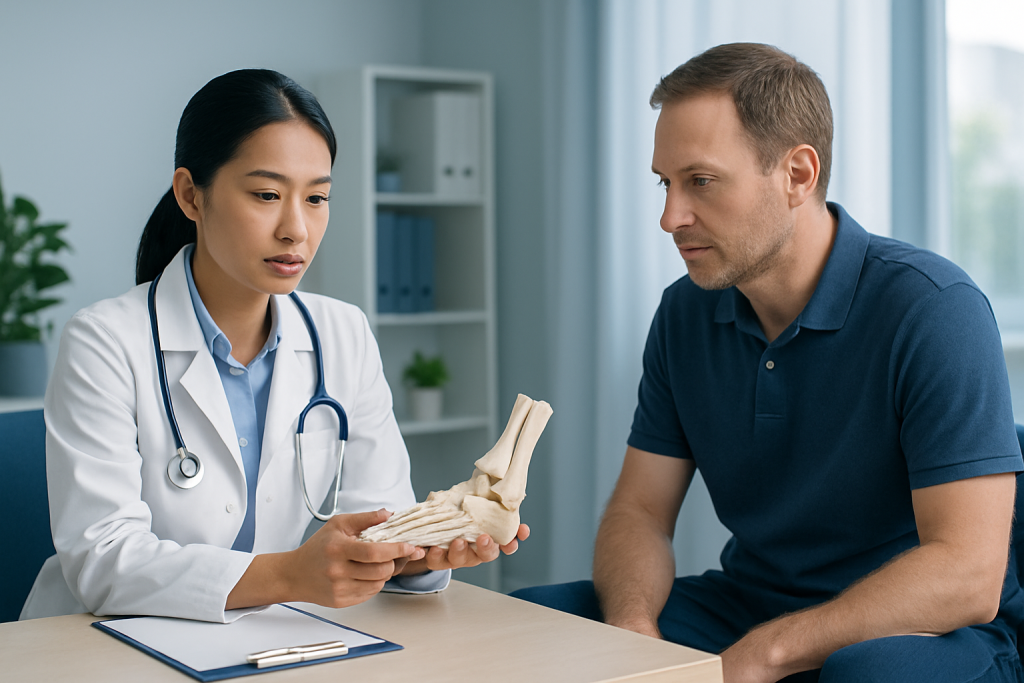
Flat feet may be present from early childhood, or they may develop later. Flexible flat feet are common in younger people and often cause no trouble. In adults, a new or worsening flattening of the arch can happen when the structures that support the foot become strained, inflamed, or injured.
Several factors can contribute. A family history of flat feet can make the foot shape more likely, while obesity may increase stress on the arches. Injury, arthritis, tendon dysfunction, nerve problems, and certain connective tissue conditions can also play a role. In some people, tight calf muscles or abnormal foot mechanics contribute to the problem.
Adult-acquired flatfoot is often associated with dysfunction of the posterior tibial tendon, a key structure that helps support the arch. That is one reason specialists pay attention to whether the flattening has been gradual or recent, and whether it is happening in one foot or both.
Diagnosis
Diagnosis usually begins with a discussion of symptoms, activity level, prior injuries, footwear, and whether the foot shape has changed over time. A physical examination helps the clinician see whether the arch appears when the foot is off the ground or whether it remains flat even without weight bearing. That difference helps separate flexible flat feet from rigid ones.
The doctor may also watch how the person walks, stand on tiptoe, and check ankle alignment, muscle strength, and tenderness along the tendons and joints. In some cases, imaging is helpful. X-rays can show bone alignment and arthritis, while ultrasound or MRI may be used if tendon injury, inflammation, or another structural problem is suspected.
Because flat feet can be linked to conditions outside the foot itself, a careful assessment is important when symptoms are new, one-sided, or progressive. That is especially true for people planning treatment while traveling, since the diagnosis should be clear before any decision about orthotics, therapy, or surgery is made.
Treatment Options
Treatment depends on symptoms, foot flexibility, the cause of the flattening, and how much daily function is affected. If a person has flat feet without pain or instability, no treatment may be needed beyond observation and good footwear.
When symptoms are present, first-line care usually focuses on reducing strain. Supportive shoes with firm heel counters and adequate arch support can improve comfort. Custom or over-the-counter orthotic inserts may help distribute pressure more evenly across the foot. Physical therapy can be useful, especially when tendon weakness, calf tightness, or altered walking patterns are part of the picture.
Other conservative measures may include activity modification, stretching, strengthening exercises, and treatment of underlying inflammation. If arthritis or tendon damage is present, a specialist may recommend bracing or a temporary period of reduced weight bearing. Surgery is considered when pain, deformity, or instability persists despite non-surgical care, and the specific procedure depends on the underlying cause rather than the arch shape alone.
Prevention & Self-care
Not every case of flat feet can be prevented, particularly when the condition is inherited or related to anatomy. Even so, there are sensible ways to reduce strain and support foot health over time.
Regular stretching of the calf muscles, maintaining a healthy body weight, and choosing stable footwear can all lower stress on the feet. People who stand for long periods may benefit from alternating tasks, taking sitting breaks when possible, and using cushioned insoles if a clinician recommends them. For those already aware of flat feet, early attention to new aches is often more helpful than waiting for discomfort to become constant.
- Wear shoes that feel stable rather than overly flexible
- Replace worn-out footwear before the soles collapse
- Follow a home exercise plan if prescribed by a therapist
- Ease into new activity levels, especially running or hiking
- Report changes in foot shape, swelling, or weakness promptly
For patients receiving care from abroad, it helps to keep a record of symptoms, prior imaging, and any orthotics or braces already used. That makes follow-up easier whether care continues at home or with the same specialist team after travel.
When to See a Doctor
A medical evaluation is sensible when flat feet are painful, worsening, or affecting walking and daily activity. It is also wise to seek advice if one foot becomes noticeably flatter than the other, since asymmetry can point to tendon or joint problems that benefit from early treatment.
Prompt review is especially important if there is swelling, redness, weakness, trouble standing on tiptoe, or pain after an injury. Children usually do not need urgent care for flexible flat feet, but a clinician should assess them if pain develops, the arch never appears at all, or the feet seem rigid.
In complex cases, an orthopedics team can clarify whether the foot shape is harmless or part of a larger mechanical problem. At Acibadem Health Point, multidisciplinary specialists and JCI-accredited hospitals can help diagnose and treat flat feet for international patients, with care plans tailored to symptoms, imaging findings, and recovery needs.
Living With Flat Feet
Many people live comfortably with flat feet for years. The key is to focus on function rather than appearance: if the feet are stable, pain-free, and able to support normal activity, the condition may simply be a personal anatomical feature.
For those who do have symptoms, improvement often comes from a combination of small changes rather than one dramatic fix. Better footwear, guided exercises, and gradual activity adjustments can make standing, walking, and exercise feel easier. When symptoms are linked to a tendon or joint problem, early treatment tends to be more effective than waiting until the foot shape becomes more pronounced.
Follow-up matters, particularly if care begins in another country. A clear plan for home exercises, orthotic use, and re-evaluation helps patients continue progress after they leave the clinic and reduces the chance of misunderstandings about recovery.
Frequently asked questions
Are flat feet always a problem?
No. Many people have flat feet and never develop pain or limitations. Treatment is usually only needed if the feet are uncomfortable, unstable, or changing over time.
Can flat feet develop in adults?
Yes. Adult-acquired flatfoot can appear when tendons, ligaments, or joints lose support over time. A new flattening on one side deserves medical evaluation.
Do flat feet need surgery?
Most people do not need surgery. Non-surgical care such as supportive shoes, orthotics, stretching, and physical therapy often helps manage symptoms.
Can special shoes fix flat feet?
Shoes do not usually change the underlying foot structure, but they can improve comfort and support. A clinician may suggest footwear with better stability and arch support.
Is it safe to exercise with flat feet?
Often yes, especially if pain is absent or controlled. Low-impact activity, gradual progression, and proper footwear can make exercise more comfortable, and a therapist can suggest appropriate strengthening exercises.
When should a child with flat feet be checked?
A child should be assessed if the feet are painful, stiff, or unusually tired, or if the arch never appears and walking seems awkward. Flexible flat feet without symptoms are often observed rather than treated.
References
- American Academy of Orthopaedic Surgeons
- Mayo Clinic
- NHS
- Cleveland Clinic
- Merck Manual Professional Edition
This article is for general information only and is not a substitute for professional medical advice. Please consult a qualified doctor about your individual situation.
More from the Health Library



Related Specialists

Prof. Dr. Ahmet Alanay
Orthopedic Surgery & Traumatology
Dr. Sinan Aksu
Orthopedic Surgery & Traumatology
Dr. Sirri Baştürk
Orthopedic Surgery & Traumatology
Prof. Dr. Korhan Özkan
Orthopedic Surgery & Traumatology