Flatfoot: Symptoms, Causes, and Treatment

Key Takeaways
- Flatfoot can be flexible or rigid, and not every flat foot needs treatment.
- Pain, swelling, stiffness, or trouble walking are more important than arch shape alone.
- Flatfoot may develop from childhood, injury, arthritis, tendon problems, or inherited structure.
- Diagnosis usually starts with a physical exam and may include imaging when symptoms persist or the arch changes.
- Treatment often begins with supportive shoes, activity changes, and exercises; surgery is reserved for selected cases.
Flatfoot is a common foot shape in which the arch is lower than expected or absent when standing. For many people it causes no problems, but in others it can lead to pain, fatigue, or changes in walking that deserve medical attention.
Overview
Flatfoot describes a foot that has a reduced arch when standing. Some people notice it in childhood, while others develop it later after an injury, tendon weakness, or joint changes. The condition can affect one foot or both, and it may be completely painless or cause discomfort during walking, standing, or exercise.
For many individuals, flatfoot is simply a variation in foot shape rather than a disease. The key question is not whether the arch looks low, but whether the foot is functioning comfortably and supporting daily activity. When pain, fatigue, or instability appear, a structured evaluation can help clarify whether the arch itself is the issue or whether another foot or ankle problem is contributing.
In international-patient care, flatfoot is often assessed alongside overall mobility, footwear habits, work demands, and travel plans. That broader view matters because treatment is usually most successful when it fits the person’s routine, rather than focusing only on the foot in isolation.
Symptoms
Flatfoot does not always cause symptoms. When it does, the most common complaint is aching along the inside of the foot, the arch, or the ankle, especially after prolonged standing or walking. Some people also notice tired feet, a feeling of heaviness, or shoes wearing unevenly.
As symptoms progress, the pain may spread toward the heel, calf, or outer ankle. The foot can feel less stable, and some people find that their walking pattern changes without realizing it. In children, clumsiness, frequent tripping, or avoiding sports may be the first clues.
- Arch pain or heel discomfort
- Swelling along the inside of the ankle
- Stiffness or reduced foot flexibility
- Difficulty standing on tiptoe
- Frequent shoe wear on one side
Symptoms tend to become more noticeable with activity, long distances, or unsupportive footwear. A flatfoot that is painless and flexible is often monitored rather than treated aggressively.
Causes & Risk Factors

Flatfoot has several possible explanations. Some people are born with a lower arch pattern that remains flexible throughout life. Others develop flatfoot because the structures that support the arch weaken, stretch, or become injured over time.
In adults, one important cause is dysfunction of the posterior tibial tendon, which helps support the arch. Arthritis, ligament laxity, obesity, nerve conditions, fractures, and previous trauma may also contribute. In children, the arch may simply take time to develop, and many flexible flatfeet improve naturally with growth.
Factors that may increase the chance of symptoms include:
- Family history of flatfoot or loose joints
- Prior foot or ankle injury
- Inflammatory or degenerative arthritis
- Obesity or prolonged standing
- Neuromuscular conditions affecting muscle support
Flatfoot in adults deserves attention when it appears suddenly, becomes painful, or is associated with swelling or a change in foot alignment. Those features can suggest a tendon or joint problem that benefits from early management.
Diagnosis
Diagnosis usually begins with a detailed history and a physical examination. A clinician may ask when the problem started, what activities make it worse, and whether the foot has become flatter over time. The examination often includes checking arch shape while standing and sitting, walking pattern, ankle motion, and the ability to rise onto the toes.
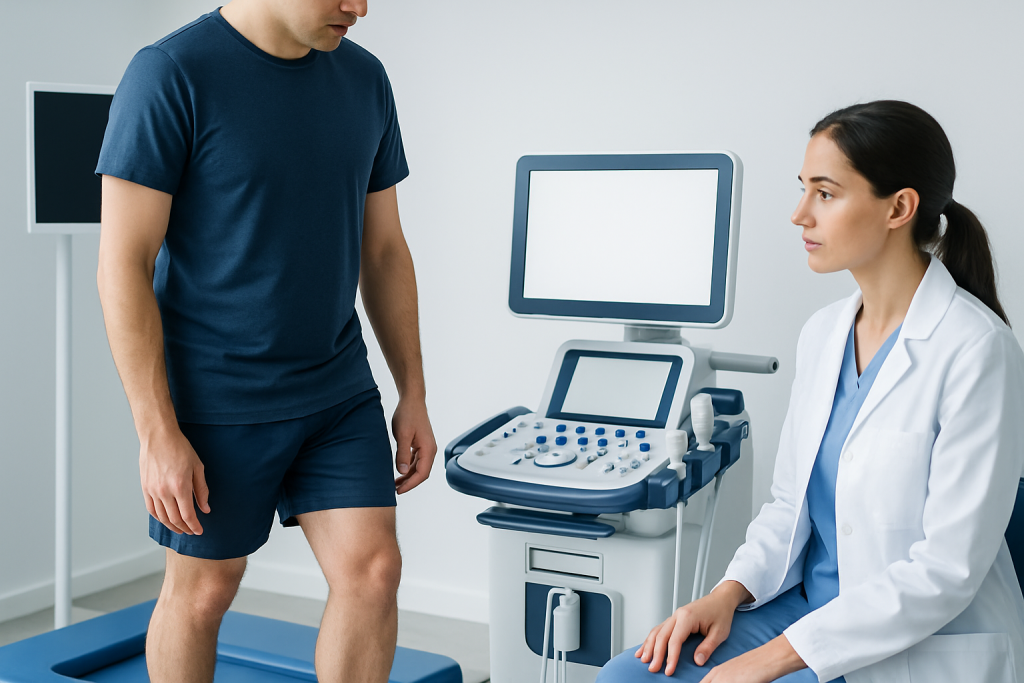
Imaging is not always necessary, especially when the flatfoot is flexible and symptoms are mild. If pain is significant, the deformity is changing, or a rigid foot is suspected, X-rays may help assess bone alignment and arthritis. In selected cases, ultrasound or MRI may be used to evaluate tendons, ligaments, or inflammation.
For patients traveling from another country, it is helpful to bring any previous imaging, orthotics, and surgical records. That information can reduce repeat testing and support a more coordinated plan, especially when follow-up time is limited.
Treatment Options
Treatment depends on whether the flatfoot is flexible or rigid, whether symptoms are present, and what is causing the arch change. Mild, painless flatfoot often needs no active treatment beyond observation and practical footwear choices. When discomfort exists, the goal is to reduce strain on the arch and improve function.
Non-surgical treatment is usually tried first. Supportive shoes with a firm sole, over-the-counter arch supports, custom orthotics when needed, and activity modification can ease symptoms. Stretching the calf and strengthening the muscles around the foot and ankle may improve mechanics and help the foot tolerate daily loads more comfortably.
When inflammation is present, a clinician may recommend short-term measures such as rest, ice, or temporary bracing. Physical therapy can be especially useful when flatfoot is linked to tendon dysfunction or poor lower-limb mechanics. In children, treatment is often conservative unless pain or stiffness is significant.
Surgery is considered only for selected patients, typically when pain persists despite conservative care or the foot has become rigid or markedly misaligned. The procedure chosen depends on the cause and may involve tendon repair, bone realignment, or fusion in more advanced arthritis-related cases.
Prevention & Self-care
Not every case of flatfoot can be prevented, particularly when it is inherited or related to anatomy. Still, people can reduce strain on the feet by choosing well-fitting shoes, avoiding prolonged use of unsupportive footwear, and gradually increasing activity rather than making sudden jumps in training or walking distance.
Daily habits can make a noticeable difference when symptoms are mild. Stretching the calves, strengthening the foot and ankle muscles, maintaining a healthy body weight, and taking breaks during long periods of standing may all lower discomfort. If a clinician recommends orthotics, consistent use is usually more helpful than occasional wear.
- Choose shoes with stable heel support and firm midsoles
- Replace worn-out footwear before support breaks down
- Warm up before exercise and increase intensity gradually
- Follow prescribed home exercises or therapy plans
- Monitor both feet for changes in shape, swelling, or pain
For people recovering while traveling, self-care also means planning ahead. It is wise to allow time for walking breaks, carry any prescribed supports during the trip, and confirm how follow-up care will be arranged once back home.
When to See a Doctor
A medical evaluation is advisable if flatfoot is painful, worsening, or interfering with daily activities. New swelling, stiffness, limping, or difficulty standing on tiptoe can point to a tendon or joint problem rather than a harmless foot shape variation.
Children should be assessed if the feet are painful, unusually stiff, or linked to repeated tripping, or if one foot looks different from the other. Adults should seek care more promptly if the arch suddenly collapses after an injury or if the ankle turns inward more than before. These changes do not always signal something serious, but they are worth checking early.
People considering treatment abroad often benefit from an orthopedic review that includes exam, imaging if needed, and a clear explanation of conservative versus surgical options. Acibadem Health Point can support international patients through multidisciplinary specialists and JCI-accredited hospitals that diagnose and treat flatfoot with coordinated care.
Seeking care does not mean surgery is likely. In many cases, the right diagnosis leads to a simple plan that combines support, exercise, and monitoring, which is often enough to keep symptoms under control.
Frequently asked questions
Is flatfoot always a problem?
No. Many people have flat feet and never develop pain or mobility issues. Treatment is usually only needed when symptoms, stiffness, or progressive deformity are present.
Can flatfoot improve on its own?
In children, flexible flatfoot may improve as the arch develops with growth. In adults, the arch shape usually does not change much on its own, but symptoms can often be managed well.
Do flat feet cause back or knee pain?
They can contribute to discomfort in the knees, hips, or back in some people, especially if walking mechanics are affected. However, pain in those areas has many possible causes, so a full evaluation is helpful.
Are orthotics necessary for everyone with flatfoot?
Not necessarily. Some people feel better with supportive shoes alone, while others benefit from insoles or custom orthotics if pain is persistent or foot mechanics need extra support.
When is surgery considered for flatfoot?
Surgery is usually reserved for persistent pain, progressive deformity, rigid flatfoot, or significant tendon and joint damage that does not improve with non-surgical care. A specialist can explain whether it is appropriate in a particular case.
Can exercise help flatfoot?
Yes, targeted stretching and strengthening can reduce strain and improve function for many patients. The best exercises depend on the cause of the flatfoot, so a clinician or physiotherapist should guide the plan.
References
- American Academy of Orthopaedic Surgeons
- Mayo Clinic
- NHS
- Orthopaedic Foot & Ankle Society
This article is for general information only and is not a substitute for professional medical advice. Please consult a qualified doctor about your individual situation.