Fallopian And Uterine Tube

Key Takeaways
- The fallopian tube and uterine tube are two names for the same structure.
- These tubes are important for egg transport and natural conception.
- Blockage, infection, inflammation, and scarring can affect tubal function.
- Symptoms may be subtle, so fertility changes or pelvic pain should be evaluated.
- Diagnosis may include pelvic examination, imaging, and fertility testing.
- Treatment depends on the cause and may involve medication, surgery, or assisted reproduction.
The fallopian tubes, also called uterine tubes, play an essential role in reproduction by helping the egg travel and making fertilization possible. Understanding their structure, symptoms of common problems, and treatment options can help patients seek care at the right time.
Overview
The fallopian tubes, also called uterine tubes, are slender passages that connect the ovaries to the uterus. After ovulation, they help guide the egg toward the uterus and are the usual site where fertilization begins. Because of this, healthy tubal function matters not only for fertility, but also for the natural movement of reproductive fluids and cells.
Each tube has a delicate inner lining and muscular walls that work together to move the egg. When the tubes are open and functioning well, sperm can meet the egg in the tube and a fertilized egg can then travel to the uterus. If the tube is narrowed, blocked, or damaged, conception may become more difficult and the risk of certain complications, such as ectopic pregnancy, can increase.
For many Myomectomy Recovery for International Patients: The Usual Travel Timeline" class="ahp-ilk">international patients, tubal problems are discovered during a broader fertility evaluation rather than after a single obvious symptom. That is one reason a careful, step-by-step assessment is important: the tubes cannot be examined directly in the same way as some other organs, so clinicians often combine history, imaging, and sometimes laparoscopy to understand what is happening.
Symptoms
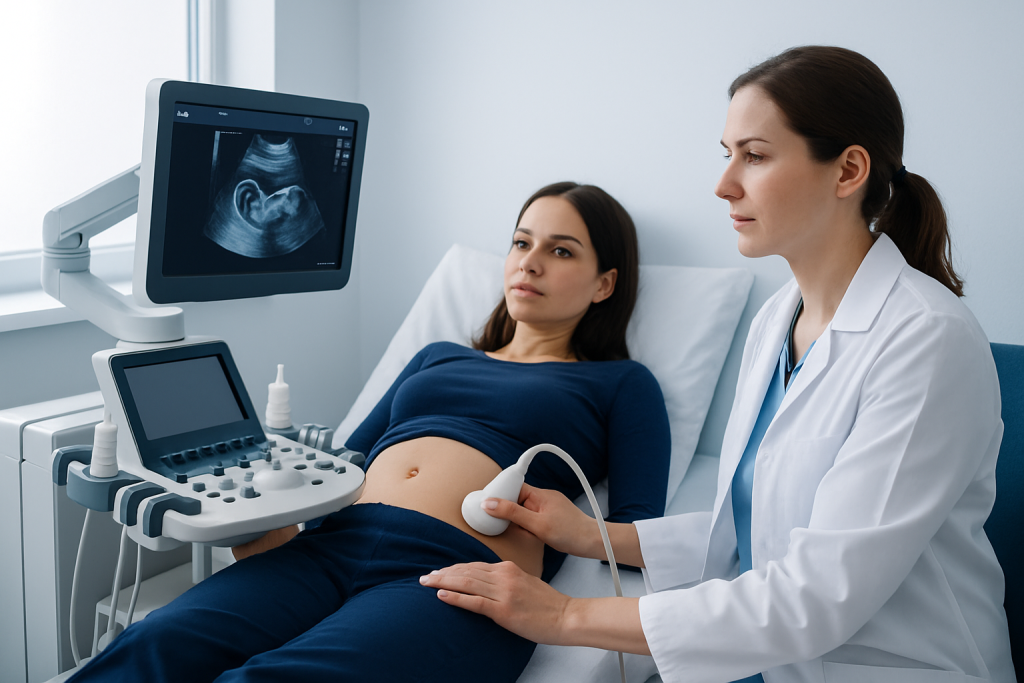
Tubal conditions do not always cause clear warning signs. In some people, the first clue is difficulty becoming pregnant after regular, unprotected intercourse. In others, symptoms reflect an underlying infection or pelvic condition that has affected the tubes over time.
Possible symptoms may include:
- Pelvic or lower abdominal pain
- Pain during intercourse
- Unusual vaginal discharge, especially if infection is present
- Fever or general illness in acute infection
- Irregular bleeding in some inflammatory conditions
- Difficulty conceiving or repeated fertility treatment failure
Some tubal problems are silent until they are found during fertility testing or surgery for another reason. A sudden one-sided pelvic pain, dizziness, shoulder pain, or fainting during possible pregnancy should be treated urgently because these can be signs of an ectopic pregnancy, which requires immediate medical attention.
Causes & Risk Factors
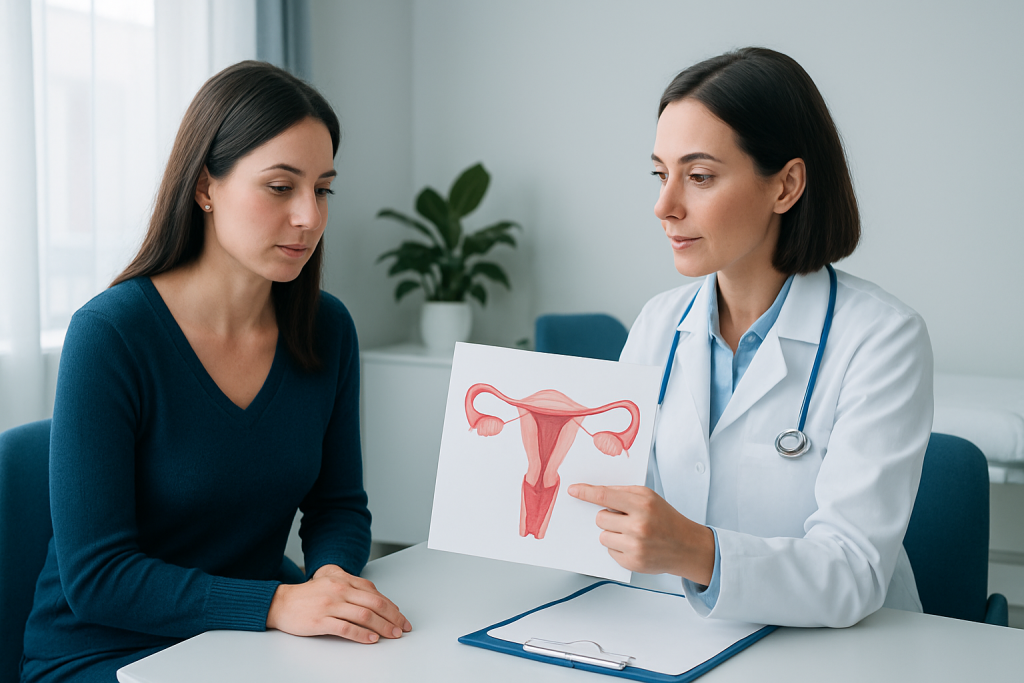
The most common causes of fallopian or uterine tube problems are conditions that irritate, infect, or scar the delicate tissue. When the inner lining or outer surface of the tube is inflamed, normal movement can be disrupted. Over time, this may lead to narrowing, blockage, or adhesions around the tube.
Common causes and risk factors include:
- Pelvic inflammatory disease, often related to untreated sexually transmitted infections
- Previous abdominal or pelvic surgery
- Endometriosis, which can distort the tubes or surrounding anatomy
- Prior ectopic pregnancy
- Pelvic infections after childbirth, miscarriage, or procedures
- Hydrosalpinx, a fluid-filled, damaged tube
Risk is not the same for everyone. A person’s age, infection history, previous surgery, and reproductive history all matter. For patients traveling from abroad, it is helpful to bring any past operative notes, imaging reports, or infection records, because these details can change how doctors interpret a current fertility or pain complaint.
Diagnosis
Diagnosis usually begins with a detailed medical history and pelvic examination. A clinician may ask about menstrual patterns, past infections, prior pregnancies, surgery, and fertility goals. These details help narrow down whether the main concern is infection, blockage, scarring, or another pelvic condition.
Common tests may include:
- Ultrasound to look for pelvic abnormalities, fluid collections, or associated conditions
- Hysterosalpingography, an X-ray test that checks whether the tubes are open
- Sonohysterography or contrast-based ultrasound in some settings
- Blood and swab tests if infection is suspected
- Laparoscopy, a minimally invasive procedure that can directly evaluate the pelvis and tubes
Not every patient needs every test. The choice depends on symptoms and whether the main question is fertility, pain, infection, or a suspected ectopic pregnancy. For international patients, diagnosis is often organized efficiently so that testing, interpretation, and a treatment plan can happen within a coordinated visit when appropriate.
Treatment Options
Treatment depends on the underlying cause and on whether the patient is trying to conceive. If infection is present, prompt treatment is important to reduce further damage. If scarring or blockage is the main issue, the team may discuss whether surgery, fertility treatment, or both offer the most realistic path forward.
Possible treatment approaches include:
- Antibiotics for pelvic or tubal infection
- Pain relief and supportive care for inflammation
- Surgery to remove adhesions, repair damaged tissue, or evaluate endometriosis
- Removal of a severely damaged tube in select cases, especially if it is causing problems or interfering with fertility treatment
- Assisted reproductive treatment such as IVF when the tubes are not functioning well enough for natural conception
There is no single best treatment for every person. Some patients benefit from preserving the tube if it is salvageable, while others do better moving directly to assisted reproduction. A fertility specialist or gynecologist can explain the balance between surgical repair, future pregnancy chances, and recovery time, especially for patients who need to plan care around international travel.
Prevention & Self-care
Not every tubal condition can be prevented, but some risks can be lowered with timely care. Prompt treatment of pelvic infections is especially important, since untreated infection can leave lasting scarring. Safer sexual practices and regular gynecologic care also help reduce the chance of problems going unnoticed.
Helpful self-care and preventive steps include:
- Seek evaluation quickly for symptoms of pelvic infection
- Use protection to reduce sexually transmitted infection risk
- Follow up after any miscarriage, childbirth, or pelvic procedure if symptoms appear
- Keep records of previous surgeries, infections, and fertility tests
- Do not delay evaluation if conception has not occurred after an appropriate period of trying
For patients recovering after treatment, self-care may also mean rest, wound care if surgery was performed, and close follow-up with the treating team. When care is received abroad, asking for a clear written plan before travel home can make follow-up easier and safer.
When to See a Doctor
Medical review is appropriate when pelvic pain keeps returning, when unusual discharge or fever suggests infection, or when pregnancy has not occurred despite regular attempts over time. It is also wise to seek evaluation after a known pelvic infection, because the tubes may be affected even if symptoms settle.
Urgent care is needed for severe one-sided pain, fainting, shoulder pain, heavy bleeding, or a positive pregnancy test with pain, since these can signal an ectopic pregnancy. These symptoms should not be watched at home.
If a patient is exploring treatment abroad, a consultation with a gynecologist or fertility specialist can help determine what testing is needed before travel, which results should be brought along, and whether a single coordinated visit may be enough to build a plan. Acibadem Health Point’s multidisciplinary specialists and JCI-accredited hospitals diagnose and treat fallopian and uterine tube conditions for international patients.
Living With Tubal Conditions
A diagnosis involving the fallopian or uterine tubes can feel personal because it often intersects with fertility hopes, pain, and past health events. Clear explanations matter. Patients do best when they understand whether the main concern is blockage, infection, scarring, or a tube-related fertility issue, because each path leads to different decisions.
Some people will need short-term treatment and monitoring, while others may be guided toward assisted reproduction or surgery. In every case, a calm and organized plan helps reduce uncertainty. Written test results, imaging reports, and a follow-up schedule are particularly valuable for international patients who may split care between countries.
Frequently asked questions
Are the fallopian tube and uterine tube the same thing?
Yes. They are two names for the same structure, the tube that connects the ovary region to the uterus. Both terms are used in medical writing, but their function is the same.
Can fallopian tube problems cause infertility?
Yes, because the tubes are where sperm and egg usually meet and where early embryo transport begins. If a tube is blocked, scarred, or damaged, natural conception can become more difficult.
Do tubal problems always cause symptoms?
No. Many people have no obvious symptoms until they are evaluated for fertility concerns or pelvic pain. That is why history, imaging, and sometimes surgical assessment are important.
What is hydrosalpinx?
Hydrosalpinx is a fluid-filled fallopian tube, usually caused by prior infection or scarring. It can affect fertility and may change the treatment plan, especially before IVF.
Can a blocked tube be treated?
Sometimes, depending on the cause and the amount of damage. Treatment may involve surgery in selected cases, but many patients are advised to consider assisted reproductive options if the tube is significantly affected.
When should someone seek urgent care?
Urgent care is needed for severe one-sided pelvic pain, fainting, shoulder pain, heavy bleeding, or pain with a positive pregnancy test. These can be signs of an ectopic pregnancy or another emergency and should be assessed right away.
References
- World Health Organization
- American College of Obstetricians and Gynecologists
- Mayo Clinic
- Merck Manual Professional Edition
- European Society of Human Reproduction and Embryology
This article is for general information only and is not a substitute for professional medical advice. Please consult a qualified doctor about your individual situation.
More from the Health Library



Related Specialists

Prof. Dr. A. Taner Usta
Gynecology & Obstetrics
Prof. Dr. Ahmet Tayyar
Gynecology & Obstetrics
Prof. Dr. Ahmet Cem Batukan
Gynecology & Obstetrics
Dr. Sevgi Selen
Gynecology & Obstetrics