Endometriosis Treatment Abroad: Medication, Laparoscopy, or Both?

Key Takeaways
- Endometriosis care is individualized; there is no single best treatment for every patient.
- Medication may help control pain and slow symptom return, but it does not remove existing lesions.
- Laparoscopy can diagnose and treat endometriosis in the same procedure, especially when symptoms persist or fertility is a concern.
- Many patients benefit from a combined plan that includes surgery plus ongoing medical management.
- Care abroad can offer coordinated specialist review, but follow-up planning is important before traveling home.
Medically reviewed by the Acıbadem clinical team — June 13, 2026
Endometriosis treatment abroad is often chosen when patients want access to specialist evaluation, advanced imaging, and a treatment plan that matches symptom pattern, fertility goals, and disease extent. The right approach may include medication, laparoscopy, or both, depending on how endometriosis affects daily life.
Overview
Endometriosis can be frustratingly inconsistent: one person may notice heavy periods and deep pelvic pain, while another mainly experiences bloating, bowel symptoms, or difficulty conceiving. Because the condition behaves differently from patient to patient, treatment decisions are usually built around symptoms, age, fertility plans, and how extensive the disease appears to be.
When people consider endometriosis treatment abroad, they are often looking for more than a procedure. They may want time with a specialist who can review the full picture, confirm the diagnosis carefully, and suggest a plan that fits travel, recovery, and long-term follow-up. In many cases, that plan involves one of three broad paths: medication alone, laparoscopy alone, or a combination of both.
There is no universal “best” option. The most helpful question is usually, “What will address this patient’s symptoms and goals most safely and effectively?” That question becomes especially important when care is being arranged across borders, because timing, continuity, and aftercare need to be planned with extra care.
Symptoms
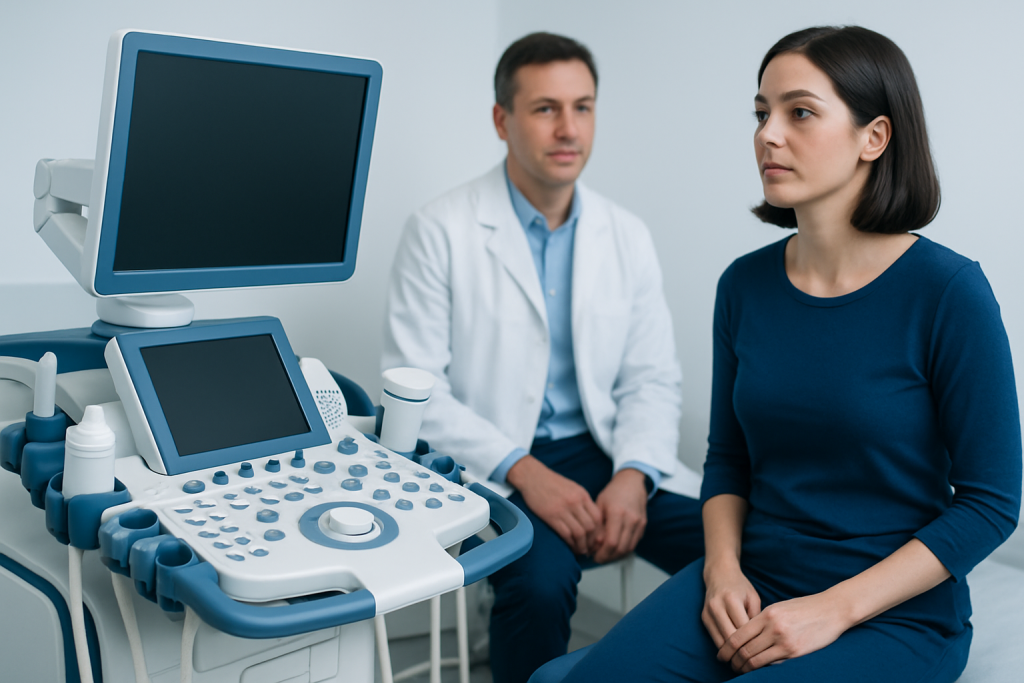
Endometriosis often announces itself through pain, but the pattern of pain can vary. Some patients notice pain that is clearly tied to menstruation. Others feel persistent pelvic discomfort, painful intercourse, pain with bowel movements, or lower back ache that worsens at certain times of the month. Fatigue is also common and may be overlooked because it is easy to blame on a busy life or stressful schedule.
Fertility challenges can also bring endometriosis to medical attention. In some people, the condition is discovered during an infertility workup or during surgery for another reason. Symptoms do not always match the visible extent of disease, so even mild-looking endometriosis can cause significant distress, while more extensive disease may sometimes cause surprisingly few symptoms.
Typical symptoms may include:
- Pelvic pain before or during periods
- Pain during or after intercourse
- Painful bowel movements or urination, especially around menstruation
- Heavy or irregular periods
- Bloating or digestive discomfort
- Difficulty becoming pregnant
Causes & Risk Factors
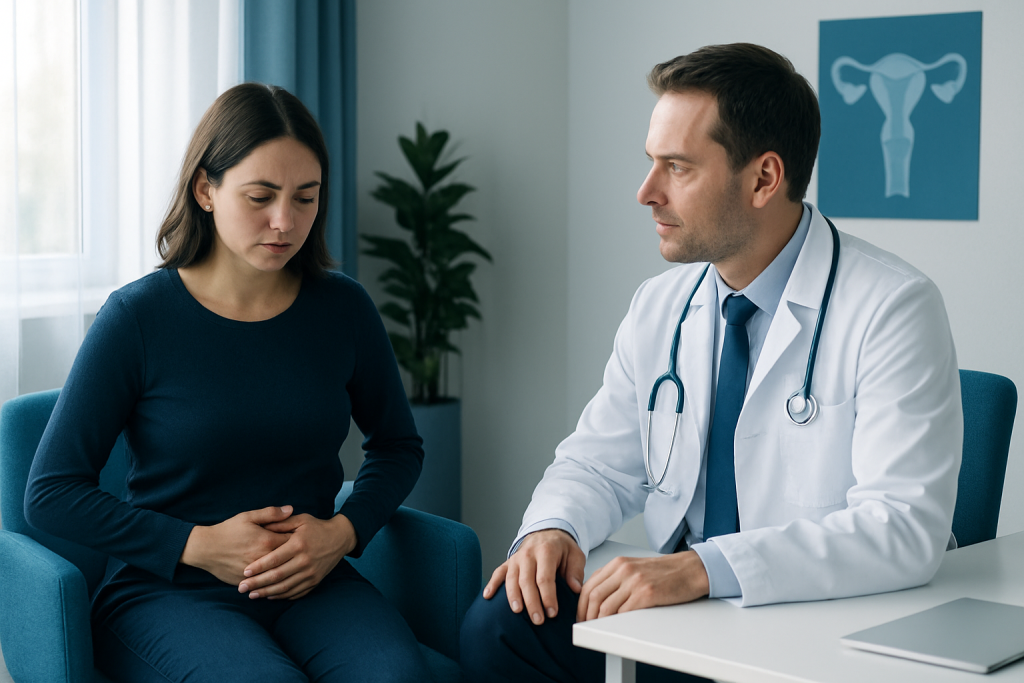
The exact cause of endometriosis is still not fully understood. What is clear is that tissue similar to the uterine lining grows outside the uterus, where it can respond to hormonal changes and trigger inflammation, irritation, and scar tissue. Over time, this may contribute to pain, organ adhesion, or fertility problems.
Several factors can increase the likelihood of developing endometriosis, although none of them predict it with certainty. Family history matters, which suggests that inherited tendencies may play a role. Short menstrual cycles, early onset of menstruation, and menstrual flow that is frequent or prolonged have also been associated with higher risk in some patients.
Because symptoms and risk factors can overlap with other pelvic conditions, endometriosis should not be self-diagnosed. Similar complaints can come from fibroids, ovarian cysts, pelvic inflammatory disease, bowel disorders, or bladder conditions. A specialist evaluation helps narrow the cause and avoids delaying the right treatment.
Diagnosis
Diagnosis usually starts with a careful history. A clinician will ask about pain timing, menstrual patterns, bowel or bladder symptoms, fertility concerns, previous surgeries, and how the symptoms affect work, travel, sleep, and relationships. That conversation matters because endometriosis is as much a functional problem as an anatomic one.
Pelvic examination can provide clues, but it does not confirm the diagnosis by itself. Imaging, especially transvaginal ultrasound and sometimes MRI, can help identify ovarian endometriomas or signs of deep disease. These tests are particularly useful before planning treatment abroad because they help the team decide whether medication, surgery, or a fertility-focused approach makes the most sense.
Laparoscopy remains the most definitive way to diagnose endometriosis in many cases. During this minimally invasive surgery, a surgeon looks directly inside the pelvis and may remove or treat visible lesions at the same time. For some patients, the journey abroad is arranged specifically because they want a specialist center where diagnosis and treatment can happen in one coordinated pathway.
Treatment Options
Medication is often the first step when symptoms are manageable and there is no urgent need to remove tissue surgically. Pain relief medicines and hormonal therapies may reduce cramps, lower inflammation, and suppress the monthly cycle that feeds endometriosis activity. For some patients, this is enough to restore day-to-day comfort and delay or avoid surgery.
Laparoscopy is usually considered when pain remains significant despite medication, when imaging suggests disease that may benefit from removal, or when fertility planning is part of the picture. During surgery, the doctor may excise or ablate endometriosis lesions, release adhesions, and address ovarian endometriomas when appropriate. Excision by an experienced surgeon is often preferred in specialized centers because it aims to remove affected tissue more thoroughly.
Many patients do best with a combined approach. Surgery may reduce the current disease burden, while medication helps control recurrence and symptom return afterward. This is especially relevant for Myomectomy Recovery for International Patients: The Usual Travel Timeline" class="ahp-ilk">international patients, because treatment abroad often needs to be paired with a clear plan for what happens once the person returns home.
Common treatment paths include:
- Medication alone: often used for symptom control when surgery is not immediately needed
- Laparoscopy alone: used for diagnosis and removal of visible disease
- Combined care: surgery followed by hormonal or other medical management
- Fertility-oriented treatment: tailored to conception plans, which may involve surgery, IVF, or both
Prevention & Self-care
Endometriosis cannot be fully prevented, but day-to-day habits can make symptoms easier to live with and can support treatment results. A symptom diary can be surprisingly useful, especially when seeing doctors abroad. Recording pain timing, bleeding patterns, bowel symptoms, and medication response helps the specialist understand the condition faster and plan more accurately.
Gentle movement, heat therapy, pacing activities during flares, and attention to sleep can all help some patients feel more in control. These steps do not replace medical care, but they can reduce the sense that symptoms are running the schedule. Many patients also benefit from discussing diet and stress management in practical terms rather than chasing rigid rules that are hard to sustain while traveling or recovering.
For patients preparing for treatment abroad, self-care also means logistics. It helps to arrange test results, past operative notes, fertility records, and a list of current medications before traveling. After surgery, planning for rest, wound care instructions, and follow-up contact with the treating team can make the return trip smoother and safer.
When to See a Doctor
A doctor should be consulted when period pain becomes disruptive, when pelvic pain lasts beyond the menstrual period, or when symptoms are interfering with work, travel, intimacy, or sleep. It is also wise to seek specialist advice if pain medication is no longer sufficient, if bowel or bladder symptoms recur monthly, or if pregnancy has not occurred after a reasonable period of trying.
Urgent evaluation is not common in endometriosis, but severe pain, fainting, heavy bleeding, fever, or sudden new symptoms should not be ignored because they may point to another condition that needs prompt care. A thoughtful assessment can separate chronic endometriosis symptoms from problems that require faster treatment.
For international patients, timing matters. A consultation before booking travel can confirm whether imaging, surgical planning, or fertility evaluation should happen first. Acibadem Health Point’s multidisciplinary specialists and JCI-accredited hospitals can help diagnose and treat endometriosis for international patients within a coordinated care pathway.
Recovery and Follow-up
Recovery depends on the treatment chosen. Medication-based care usually requires follow-up to check symptom response and side effects, and to adjust the plan if pain returns. After laparoscopy, recovery may be relatively quick compared with open surgery, but the body still needs time to heal, and fatigue or abdominal soreness can last longer than patients expect.
When treatment is done abroad, follow-up planning is especially important. Before leaving, the patient should know which symptoms are expected, which signs should prompt medical review, when to resume normal activity, and how pathology results or surgical findings will be shared. If hormone therapy or fertility treatment is part of the plan, the overseas team and the home-country doctor should ideally be aligned.
Endometriosis care often works best as an ongoing conversation rather than a one-time event. Even after a successful procedure, symptoms can change over time, so future management may need to be adjusted. A clear handover from the treating center helps patients continue care confidently after they return home.
Frequently asked questions
Is medication enough for endometriosis?
For some patients, yes. Medication can reduce pain and suppress symptoms, especially when disease is mild or surgery is not needed right away. If symptoms remain disruptive or fertility is a priority, a specialist may recommend laparoscopy or a combined plan.
Does laparoscopy cure endometriosis?
Laparoscopy can remove or treat visible lesions and often improves symptoms, but it does not guarantee that endometriosis will never return. Many patients still need follow-up care or hormonal treatment afterward. The goal is usually long-term symptom control rather than a permanent cure.
How do doctors decide between medication and surgery?
They consider symptom severity, imaging findings, age, fertility goals, past treatments, and how much the condition affects daily life. Medication is often tried first when appropriate, while surgery is more likely when symptoms persist or diagnosis needs confirmation. Some patients are advised to use both approaches at different times.
Is treatment abroad safe for endometriosis?
It can be safe when the patient chooses a qualified team, shares complete medical records, and plans for follow-up before traveling. The key is coordination, not just the procedure itself. A clear recovery and continuity plan is essential, especially if medications or fertility care will continue at home.
Can endometriosis affect fertility even without major pain?
Yes. Some patients have limited pain but still face fertility challenges related to endometriosis. That is one reason a full evaluation matters, especially for people who are trying to conceive or planning pregnancy soon.
What should a patient prepare before traveling for treatment?
It helps to gather previous scans, blood tests, operative reports, and a list of current medicines, plus a summary of symptoms and fertility history. Patients should also ask about expected recovery time, activity limits, and how follow-up will be managed after they return home.
References
- World Health Organization
- American College of Obstetricians and Gynecologists
- National Institute for Health and Care Excellence
- Endometriosis Foundation of America
- European Society of Human Reproduction and Embryology
This article is for general information only and is not a substitute for professional medical advice. Please consult a qualified doctor about your individual situation.
More from the Health Library

Related Specialists

Prof. Dr. A. Taner Usta
Gynecology & Obstetrics
Prof. Dr. Ahmet Tayyar
Gynecology & Obstetrics
Prof. Dr. Ahmet Cem Batukan
Gynecology & Obstetrics
Dr. Sevgi Selen
Gynecology & Obstetrics