How Long Does A Period Last

Key Takeaways
- Most periods last about 2 to 7 days, though normal variation is common.
- Cycle length and bleeding flow can change with age, stress, hormones, and health conditions.
- Very heavy, very prolonged, or suddenly irregular bleeding deserves medical assessment.
- Tracking periods can help identify patterns and make discussions with a doctor more useful.
- Treatments depend on the cause and may include lifestyle changes, medicines, or procedures.
A period is usually a predictable part of the menstrual cycle, but its length can vary from person to person and even from month to month. Understanding what is typical, what may signal a change, and when to seek medical advice can help support better menstrual health.
Overview
For many people, the question is not only how long does a period last, but what “normal” actually looks like from one month to the next. In general, menstrual bleeding lasts about 2 to 7 days. Some people consistently bleed near the shorter end of that range, while others have periods that run closer to a week and still remain within a typical pattern.
A period is only one part of the menstrual cycle. The cycle begins on the first day of bleeding and ends the day before the next period starts. Because hormones, age, stress, and underlying health conditions can all influence this rhythm, it is common for periods to vary over time. A brief change is often harmless, but a persistent change in timing, flow, or duration can be a useful signal that the body deserves a closer look.
For Myomectomy Recovery for International Patients: The Usual Travel Timeline" class="ahp-ilk">international patients, menstrual concerns may come to attention while traveling, changing time zones, or preparing for fertility care. In those situations, a clear record of the cycle and a focused evaluation by a doctor can make the next steps easier to understand, whether the goal is reassurance, symptom relief, or treatment of an underlying condition.
What a Typical Period Looks Like
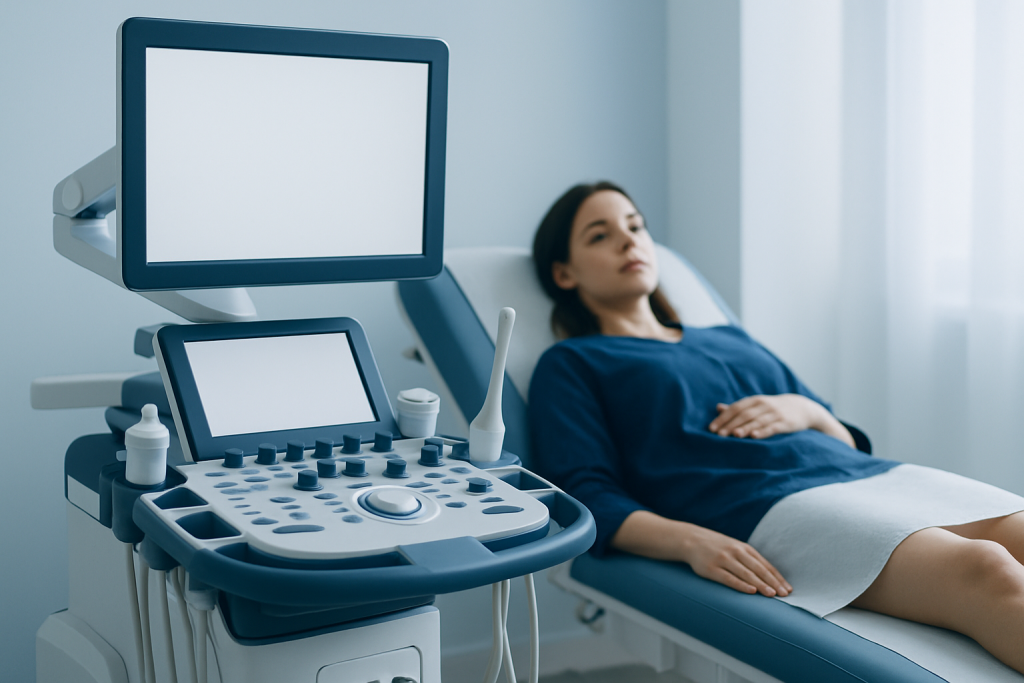
A typical period often starts with lighter bleeding or spotting, then becomes heavier for a day or two before tapering off. The color may range from bright red to darker brown, especially near the beginning or end of bleeding. Mild cramping, bloating, breast tenderness, and mood changes can accompany the cycle and do not necessarily mean something is wrong.
Period length should be considered together with flow. A short period with very heavy bleeding can be just as important to discuss as a longer period with light bleeding. Doctors also look at how often pads or tampons are changed, whether clots are present, and whether bleeding interferes with work, sleep, exercise, or travel plans.
Small month-to-month shifts are common. In adolescence, cycles may be irregular for a time as hormones mature. Later in life, especially approaching perimenopause, periods may become less predictable, shorter, longer, lighter, or heavier before they eventually stop.
Symptoms and Signs That the Pattern Has Changed

A change in period length may appear as bleeding that stops after only a day or two, continues beyond a week, or becomes much heavier or lighter than usual. Some people notice that their cycle is shorter or longer overall, while others find that spotting occurs between periods. These changes can be temporary, but repeated irregularity is worth attention.
Other symptoms can help point toward a cause. Pelvic pain, pain during intercourse, dizziness, fatigue, or bleeding after sex can provide clues during an evaluation. If bleeding soaks through protection rapidly, disrupts daily activities, or comes with significant weakness, a doctor should review the situation even if the period duration itself seems familiar.
- Bleeding lasting longer than 7 days
- Periods occurring very close together or far apart
- Very heavy flow or large clots
- Spotting between periods
- New or worsening pelvic pain
Causes & Risk Factors
Many everyday factors can influence how long a period lasts. Stress, major changes in sleep, travel, intense exercise, weight change, and hormonal shifts can all affect the cycle. In some people, the body simply needs time to settle back into a regular pattern after an event such as puberty, childbirth, or starting or stopping hormonal contraception.
Medical causes are also common and should not be overlooked. Thyroid disorders, polycystic ovary syndrome (PCOS), uterine fibroids, endometriosis, adenomyosis, bleeding disorders, and infections can alter menstrual bleeding. Pregnancy-related bleeding can sometimes be mistaken for a period, so this possibility should always be considered when cycles change unexpectedly.
Risk can increase when there is a family history of heavy periods or bleeding problems, a personal history of anemia, or known hormonal conditions. Medications such as blood thinners may also affect bleeding. For patients seeking care abroad, bringing a medication list and any previous imaging or lab results can help the evaluating team move more efficiently toward the cause.
Diagnosis
Evaluation usually begins with a careful history. A doctor may ask when the bleeding started, how many days it lasts, how heavy it is, whether there is pain, and whether the cycle has changed over time. Questions about stress, medication use, sexual activity, and pregnancy risk are also part of a normal assessment.
Depending on the pattern, the doctor may recommend a pelvic examination, blood tests, or imaging such as ultrasound. Tests may look for anemia, hormone imbalance, thyroid problems, or signs of a structural issue in the uterus or ovaries. If bleeding is very heavy or unusual, further investigation may be needed to rule out less common but important causes.
Keeping a simple menstrual diary before the appointment can be very helpful. Recording the first and last day of bleeding, estimated flow, pain level, and any spotting between periods gives the clinician a clearer picture and may reduce the need for repeated visits, especially for patients coordinating care from another country.
Treatment Options
Treatment depends on the cause, the severity of symptoms, and whether future pregnancy is desired. Some people need only reassurance and follow-up after a normal evaluation. Others may benefit from medications that help regulate the cycle, reduce bleeding, or ease cramps. In certain cases, iron treatment is recommended if heavy periods have led to low iron or anemia.
When a structural problem is identified, treatment may be more specific. Fibroids, polyps, or endometrial abnormalities may be managed with medication, minimally invasive procedures, or surgery depending on size, symptoms, and overall health. Hormonal treatments are sometimes used to make cycles more predictable and reduce excessive bleeding.
It is important that treatment be individualized. A therapy that works well for one person may not suit another, especially when fertility goals, other medical conditions, or travel plans are involved. A qualified gynecologist can help match the option to the person rather than to a one-size-fits-all pattern.
Prevention & Self-care
Not every change in period length can be prevented, but some habits can support more stable cycles and better symptom control. Regular sleep, balanced nutrition, maintaining a healthy weight for the individual, and managing stress may all help the body’s hormonal rhythm. For those who exercise intensely, making sure energy intake matches activity level can also matter.
Simple comfort measures can ease the days around a period. Heat, gentle movement, hydration, and rest may reduce cramping or fatigue. If a doctor has advised iron-rich foods or iron supplements, following that guidance can be important for people with heavy bleeding.
Tracking cycles in a calendar or app can be especially useful when a person is preparing for travel, fertility treatment, or a follow-up appointment after returning home. Good records make it easier to spot patterns and communicate clearly with healthcare teams across borders.
- Track start and end dates of each period
- Note heaviness, clots, and pain level
- Record spotting or bleeding after sex
- Review medications and contraception with a doctor
When to See a Doctor
Medical advice is appropriate if periods suddenly become much longer, shorter, heavier, or more frequent than usual. A doctor should also evaluate bleeding that lasts more than a week, bleeding between periods, or periods that are so heavy they interfere with daily life. Even if the change seems minor, a persistent new pattern deserves attention.
Prompt assessment is especially important if there is dizziness, fainting, shortness of breath, severe pelvic pain, or a chance of pregnancy. These symptoms do not always indicate a serious problem, but they should be checked without delay so the correct cause is not missed.
Patients who are planning treatment abroad may prefer a center that can coordinate testing and care efficiently. At Acibadem Health Point, multidisciplinary specialists and JCI-accredited hospitals diagnose and treat menstrual concerns for international patients with an emphasis on clear communication and individualized care.
Frequently asked questions
How long does a period usually last?
Most periods last between 2 and 7 days. A person’s usual pattern matters as much as the exact number of days, since some variation can still be normal.
Is it normal for a period to change from month to month?
Yes, mild variation can happen because of stress, travel, illness, hormonal shifts, or changes in routine. If the change is large, repeated, or accompanied by heavy bleeding or pain, it should be checked.
What counts as a heavy period?
Heavy bleeding is often described as soaking through pads or tampons quickly, passing large clots, or needing to change protection very often. If bleeding affects daily activities or causes fatigue, medical review is a good idea.
Can stress make a period shorter or longer?
Stress can influence hormones that regulate ovulation and bleeding, so it may affect timing and duration. If cycles stay irregular after stress improves, another cause may need to be considered.
Should a person worry if their period stops after 2 days?
Not always. Some people naturally have shorter periods, but a sudden change from a usual pattern can be worth discussing with a doctor, especially if pregnancy is possible or there are other symptoms.
Can birth control affect how long a period lasts?
Yes, hormonal contraception can make periods lighter, shorter, or sometimes irregular, especially when first started or changed. A doctor can help determine whether the pattern is expected or needs review.
References
- American College of Obstetricians and Gynecologists
- National Health Service
- World Health Organization
- Mayo Clinic
This article is for general information only and is not a substitute for professional medical advice. Please consult a qualified doctor about your individual situation.
More from the Health Library



Related Specialists

Prof. Dr. A. Taner Usta
Gynecology & Obstetrics
Prof. Dr. Ahmet Tayyar
Gynecology & Obstetrics
Prof. Dr. Ahmet Cem Batukan
Gynecology & Obstetrics
Dr. Sevgi Selen
Gynecology & Obstetrics