Ovulation Bleeding

Key Takeaways
- Ovulation bleeding is usually light spotting that appears around mid-cycle, close to ovulation.
- Hormonal changes are the most common reason, but other causes of bleeding can look similar.
- The color is often pink, red, or brown and may last only a short time.
- A symptom diary can help distinguish ovulation spotting from period-related or abnormal bleeding.
- Medical review is important if bleeding is heavy, persistent, painful, or happens frequently.
- International patients can discuss evaluation and treatment with a qualified gynecologist before traveling for care.
Ovulation bleeding is light spotting that can happen around the middle of the menstrual cycle, usually near the time an egg is released. In many cases it is harmless, but it is important to know how to tell it apart from other causes of bleeding and when to seek medical advice.
Overview
Ovulation bleeding refers to light vaginal bleeding or spotting that can occur around the middle of a menstrual cycle, when ovulation takes place. It is often brief and may appear as pink, red, or brown staining on underwear or toilet paper rather than a full flow.
For many people, this kind of spotting is linked to normal hormonal shifts. As the body prepares to release an egg, estrogen levels change and the uterine lining may become slightly unstable, which can lead to a small amount of bleeding. Although this can be a normal pattern, it should still be considered in the wider context of a person’s cycle and health history.
Because mid-cycle spotting can resemble bleeding from other causes, the first step is not to assume it is ovulation-related. A doctor may want to review the timing, cycle regularity, associated symptoms, contraception use, and any chance of pregnancy to make sure the explanation is appropriate.
Symptoms
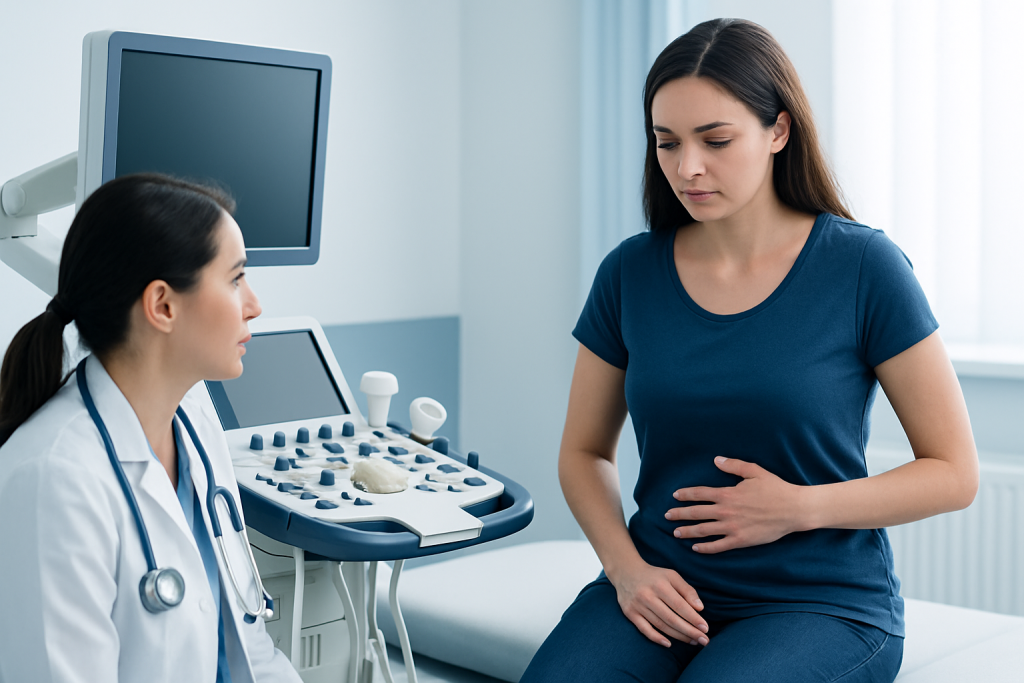
Ovulation bleeding is usually light and short-lived. Some people notice only a few spots, while others have enough bleeding to require a panty liner for a day or two. The blood may look fresh and red or appear brown as it leaves the body more slowly.
It often happens near the middle of the menstrual cycle, sometimes alongside other ovulation signs such as mild one-sided pelvic discomfort, a change in cervical mucus, or increased awareness of fertility signals. Some individuals do not feel ovulation at all and only notice the spotting.
Symptoms that suggest something more than typical ovulation spotting include heavier bleeding, bleeding lasting many days, bleeding after sex, severe pain, fever, foul-smelling discharge, or bleeding that occurs at irregular and unpredictable times. These patterns deserve medical attention because they may point to another gynecologic issue.
Causes & Risk Factors

The most common explanation is a temporary hormonal fluctuation around ovulation. Estrogen rises and then drops slightly before the egg is released, and that shift can cause a small amount of the uterine lining to shed. This is usually a benign, self-limited event.
Some people may be more likely to notice mid-cycle spotting if their hormone levels vary more noticeably from cycle to cycle. Stress, major weight changes, intense exercise, thyroid disorders, and certain medications can all affect cycle patterns and make spotting more noticeable, although they do not always mean anything serious is wrong.
It is also important to remember that not every episode of mid-cycle bleeding is ovulation bleeding. Other possible causes include:
- Hormonal contraception changes or missed doses
- Pregnancy-related bleeding
- Cervical irritation or infection
- Uterine fibroids or polyps
- Endometriosis or other pelvic conditions
- Perimenopausal hormonal changes
A doctor may look at age, cycle regularity, reproductive plans, and overall health to decide whether the spotting is likely to be harmless or needs more evaluation.
Diagnosis
Diagnosis usually starts with a careful history rather than a single test. A doctor will ask when the spotting happens in relation to the menstrual cycle, how long it lasts, how much blood is seen, and whether there are pain, discharge, or pregnancy concerns. This information helps separate normal ovulation spotting from other forms of bleeding.
If the pattern is unclear, the doctor may suggest a pelvic examination, pregnancy testing, and sometimes blood tests to check hormone or thyroid levels. Depending on the situation, imaging such as a pelvic ultrasound may be recommended to look for structural causes like fibroids or polyps.
For people seeking care from another country, it can help to bring a menstrual diary, dates of recent periods, photos of any spotting if appropriate, and a list of medications or contraceptive methods. Clear records can speed up assessment and help the specialist interpret the bleeding pattern accurately.
Treatment Options
When spotting is truly related to ovulation and is otherwise harmless, treatment is often not needed. Reassurance and observation may be enough, especially if the bleeding is brief, light, and occurs predictably in the middle of the cycle.
If the spotting is bothersome or related to another condition, treatment depends on the cause. For example, hormonal contraception may be adjusted, an infection may need treatment, or a structural issue such as a polyp may require a procedure. The goal is not to treat the spotting itself in isolation, but to address what is driving it.
In fertility care, ovulation timing may also be reviewed more closely. Tracking cycles, ovulation kits, or ultrasound monitoring may be used when appropriate, particularly if a person is trying to conceive or wants to understand whether the bleeding coincides with egg release.
Prevention & Self-care
There is no guaranteed way to prevent ovulation bleeding if it is part of an individual’s natural cycle. Still, keeping a regular record of periods, spotting episodes, and related symptoms can make patterns easier to recognize and can reduce uncertainty.
Simple self-care steps may also be useful. Wearing a panty liner during the expected time window, staying hydrated, managing stress, and maintaining a balanced lifestyle can support overall menstrual health. If a person uses contraception, taking it consistently and as directed may help reduce irregular bleeding caused by missed doses or timing changes.
When traveling for medical evaluation, it helps to note the first day of the last period, average cycle length, and any recent changes in medication, exercise, or weight. This practical information can make a remote consultation or an in-person visit more efficient and more useful.
When to See a Doctor
Medical advice is appropriate whenever bleeding does not match the person’s usual cycle pattern or feels different from prior episodes. A doctor should assess spotting that is heavy, recurrent, associated with significant pain, or accompanied by dizziness, weakness, or fainting.
It is also important to seek evaluation if there is any possibility of pregnancy, if bleeding occurs after menopause, if it follows sex, or if there is fever, unusual discharge, or pelvic pain. These symptoms do not automatically mean something serious, but they deserve a proper explanation.
For Myomectomy Recovery for International Patients: The Usual Travel Timeline" class="ahp-ilk">international patients, planning matters. If mid-cycle bleeding is recurring or unexplained, a gynecologist can help determine whether travel for diagnostic workup or treatment is worthwhile, and multidisciplinary teams can coordinate the next steps. Acibadem Health Point’s multidisciplinary specialists and JCI-accredited hospitals diagnose and treat this condition for international patients in a coordinated setting.
Living With a Mid-Cycle Spotting Pattern
Some people notice that their cycles follow a stable personal rhythm, even if that rhythm includes occasional ovulation spotting. Understanding one’s own pattern can make the experience less worrying and can help distinguish a normal recurring sign from a new symptom that needs attention.
If spotting becomes more frequent, changes character, or begins to interfere with daily life, it is worth reassessing rather than assuming it is still ovulation-related. Menstrual patterns can change over time, and the reasons for that change may be simple, treatable, or occasionally important to investigate.
The most useful mindset is a calm, informed one: track what happens, note what is different, and ask a clinician when the pattern is unclear. That approach supports both peace of mind and timely care.
Frequently asked questions
Is ovulation bleeding normal?
Light spotting around ovulation can be a normal cycle-related event for some people. It is usually brief and mild, but new, heavy, or frequent bleeding should be evaluated to rule out other causes.
What does ovulation bleeding look like?
It is often a small amount of pink, red, or brown spotting rather than a heavy period. Some people only notice it when wiping or on underwear.
How long does ovulation spotting last?
It often lasts a few hours to a couple of days. If bleeding continues longer than expected or becomes heavier, a doctor should assess it.
Can ovulation bleeding mean pregnancy?
Mid-cycle spotting is not the same as pregnancy bleeding, and it does not confirm pregnancy. If pregnancy is possible, testing is recommended because early pregnancy bleeding can have several causes.
Should ovulation bleeding be treated?
If it is truly ovulation-related and there are no other concerns, treatment may not be necessary. Treatment is directed at any underlying cause if the spotting is due to infection, hormonal imbalance, or another condition.
How can someone tell ovulation bleeding from a period?
Timing is the biggest clue: ovulation spotting usually occurs around the middle of the cycle, while a period happens later, after the luteal phase ends. A cycle diary can be very helpful when the pattern is hard to judge.
References
- American College of Obstetricians and Gynecologists
- Mayo Clinic
- NHS
- Merck Manual Consumer Version
- World Health Organization
This article is for general information only and is not a substitute for professional medical advice. Please consult a qualified doctor about your individual situation.
More from the Health Library



Related Specialists

Prof. Dr. A. Taner Usta
Gynecology & Obstetrics
Prof. Dr. Ahmet Tayyar
Gynecology & Obstetrics
Prof. Dr. Ahmet Cem Batukan
Gynecology & Obstetrics
Dr. Sevgi Selen
Gynecology & Obstetrics