Pregnancy Nose

Key Takeaways
- Pregnancy nose is a common, usually temporary nasal symptom during pregnancy.
- Hormonal shifts and increased blood volume can cause swelling inside the nasal passages.
- Safe self-care measures, such as saline rinses and humidified air, may help ease discomfort.
- Persistent symptoms, fever, facial pain, or breathing difficulty should be assessed by a clinician.
- Treatment focuses on symptom relief while protecting both mother and baby.
Pregnancy nose is a common term for nasal congestion, swelling, and runny nose that can appear during pregnancy. It is usually related to hormonal changes and increased blood flow, and it often improves after delivery.
Overview
“Pregnancy nose” is a common way to describe nasal symptoms that develop during pregnancy, especially stuffiness, a blocked feeling, or a clear runny nose. In medical terms, this is often called pregnancy rhinitis. For many people, it is one of those changes that arrives quietly but can make everyday comfort, sleep, and concentration noticeably harder.
The condition is generally linked to the body’s normal pregnancy changes rather than infection or allergy alone. Hormones can affect the lining of the nose, and blood flow throughout the body increases, which may make the nasal passages feel swollen and sensitive. While it can be frustrating, pregnancy nose is usually not dangerous and often settles after delivery.
Because nasal symptoms can also come from colds, allergies, sinusitis, or environmental irritants, it is helpful to look at the full pattern of symptoms rather than assume every stuffy nose in pregnancy has the same cause. A clinician can help distinguish pregnancy rhinitis from other conditions if symptoms are persistent, severe, or unusual.
Symptoms
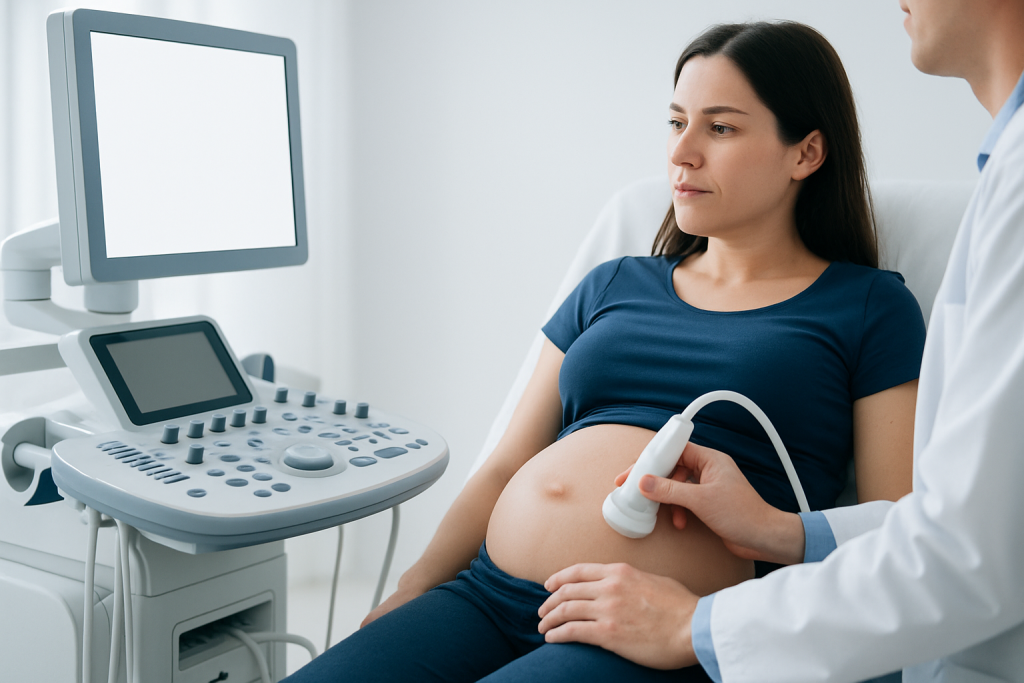
Pregnancy nose may show up as a blocked nose, frequent sneezing, a watery or clear runny nose, or a feeling that the nose is swollen from the inside. Some people notice that one side feels more congested than the other, or that symptoms become more obvious at night. Snoring can also increase when the nasal passages narrow.
These symptoms may come and go during the day, and they can be more bothersome in dry rooms, during sleep, or when lying flat. Unlike a typical cold, pregnancy rhinitis usually does not cause body aches or a fever. Unlike many allergies, it may appear without clear exposure to a trigger such as dust, pollen, or pet dander.
Sleep disruption is one of the most common indirect effects. When a person cannot breathe comfortably through the nose, they may wake often, feel less rested, or develop headaches from poor sleep. Even mild congestion can feel significant when it lasts for weeks.
Causes & Risk Factors
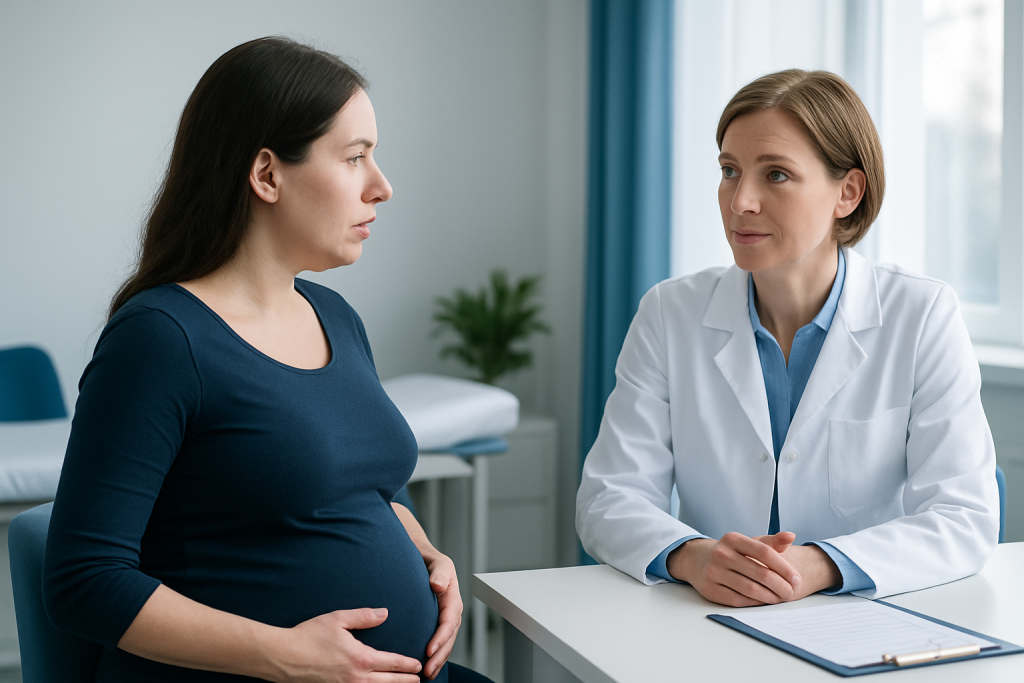
The exact reason pregnancy nose develops is not fully understood, but several pregnancy-related changes are thought to contribute. Higher estrogen levels may increase swelling in the nasal lining, while increased blood volume can make the delicate tissues inside the nose more congested. The result is a nose that reacts more strongly to ordinary changes in temperature, humidity, or irritants.
Some people may be more likely to notice symptoms if they already have allergic rhinitis, asthma, frequent sinus congestion, or sensitivity to environmental triggers. Smoking exposure, dry air, and air pollution can also make the nose feel more irritated. In some cases, pregnancy simply unmasks a tendency toward nasal swelling that was not obvious before.
Risk is not usually tied to anything the person has done wrong. Pregnancy nose is common enough that it should be viewed as a physiological change rather than a sign of poor health. Still, because it can overlap with other conditions, the broader symptom picture matters.
Diagnosis
Diagnosis is usually based on the symptom pattern and a clinician’s review of the pregnancy history. A doctor will typically ask when the congestion started, whether there is itching or fever, whether the discharge is clear or colored, and whether the symptoms are seasonal or linked to a specific environment. This careful history often provides more useful clues than a single test.
Most people do not need extensive testing for pregnancy rhinitis. If the symptoms are atypical, severe, or accompanied by signs that suggest infection or allergy, a clinician may examine the nose and throat or consider additional evaluation. The goal is to rule out conditions such as a common cold, sinus infection, allergic rhinitis, nasal polyps, or, less commonly, a structural issue.
For someone traveling internationally for care, the evaluation can often be done in one visit, with follow-up planned around the pregnancy timeline. Clear communication about pregnancy stage, medications already used, and any previous nasal or allergy history helps the specialist recommend the safest next step.
Treatment Options
Treatment for pregnancy nose focuses on easing discomfort while keeping care gentle and pregnancy-appropriate. Many people start with non-medicine measures such as saline nasal sprays or rinses, which can help thin mucus and reduce the feeling of blockage. Humidified air, adequate hydration, and sleeping with the head slightly elevated may also bring relief.
Medication decisions during pregnancy should be made with a qualified clinician, because some products are not ideal in pregnancy or may be used only in specific situations. A doctor may suggest options based on symptom severity, the person’s overall health, and whether the congestion appears more like pregnancy rhinitis, allergies, or another condition. It is best not to self-start decongestants or combination cold products without professional guidance.
If symptoms are linked to allergies, the treatment approach may be different from pregnancy rhinitis alone. In that situation, a clinician may discuss allergen avoidance and pregnancy-compatible therapies. The practical aim is not to eliminate every symptom instantly, but to restore enough comfort for breathing, sleep, and daily functioning.
Prevention & Self-care
Pregnancy nose cannot always be prevented, but a few habits may reduce how intense it feels. Using saline spray regularly, especially before sleep, can keep the nasal passages from drying out. A cool-mist humidifier may help in dry climates or air-conditioned rooms, as long as it is cleaned properly to prevent mold buildup.
Gentle self-care can also make a difference. Drinking enough fluids, avoiding cigarette smoke, and limiting exposure to strong odors or dust can reduce irritation. Some people find that a warm shower or steam from a bathroom helps temporarily open the nose, although care should be taken to avoid overheating during pregnancy.
- Sleep with the upper body slightly elevated.
- Use saline nasal spray or rinse as directed by a clinician.
- Keep indoor air clean and moderately humid.
- Avoid smoke, heavy fragrances, and obvious irritants.
- Check with a doctor before taking any over-the-counter medicine.
Self-care is also about noticing patterns. If congestion clearly worsens in a particular room, season, or after exposure to pets or dust, that information can help a clinician distinguish pregnancy rhinitis from allergies or another cause.
When to See a Doctor
A medical review is important if nasal symptoms are persistent, severe, or making sleep and breathing difficult. It is also wise to seek advice if the discharge becomes thick, yellow-green, or bloody, or if symptoms are accompanied by fever, facial pain, ear pain, or a cough that is getting worse. These features may point to a different condition that deserves specific treatment.
Breathing difficulty should never be ignored, especially if it feels like more than simple nasal blockage. People with asthma, chronic sinus problems, or significant allergy history may need a tailored plan during pregnancy. A clinician can help choose safe options and avoid unnecessary medicines.
For Myomectomy Recovery for International Patients: The Usual Travel Timeline" class="ahp-ilk">international patients, it can be helpful to arrange care early if symptoms are affecting sleep, travel, or overall comfort. Acibadem Health Point’s multidisciplinary specialists and JCI-accredited hospitals diagnose and treat conditions like pregnancy nose for international patients, with coordinated care that supports follow-up after the visit.
Even when pregnancy nose is the likely explanation, an evaluation can provide reassurance and practical guidance. That support can be especially valuable when someone is managing pregnancy in a new country or balancing care between home and travel.
Living With Pregnancy Nose During and After Pregnancy
Many people are relieved to learn that pregnancy nose is common and usually temporary. While it may last through part or all of pregnancy, it often improves after delivery as hormone levels and fluid shifts settle. Knowing that the symptom is usually self-limited can make it easier to focus on comfort and rest rather than worrying that something is seriously wrong.
Still, the experience can affect everyday life in very real ways. A blocked nose can interrupt sleep, make eating less enjoyable, and leave someone feeling unusually tired. It is reasonable to ask for help, especially if nasal symptoms are compounding other pregnancy discomforts.
After pregnancy, if congestion continues for several weeks, it is worth reassessing the cause. Ongoing symptoms may reflect allergies, chronic rhinitis, sinusitis, or another issue that was present before pregnancy or became more noticeable during it.
FAQ-Style Practical Guidance
Pregnancy nose is not usually a sign of a problem with the pregnancy itself. It is a body change that can be managed step by step with safe measures and medical guidance when needed. The most useful approach is to match treatment to the likely cause and avoid using medicines casually.
If a person is unsure whether the symptom is pregnancy rhinitis or something else, a clinician can help clarify the pattern and recommend the right level of care. That is especially important when symptoms are intense, one-sided, or accompanied by pain or fever. In most cases, a calm review and a few adjustments are enough to make breathing easier.
By paying attention to triggers, using gentle self-care, and checking in with a doctor when needed, most people can move through this symptom with confidence. The condition may be inconvenient, but it is usually manageable and temporary.
Frequently asked questions
What is pregnancy nose?
Pregnancy nose refers to nasal congestion, swelling, sneezing, or a runny nose that develops during pregnancy. It is often caused by hormonal and circulation changes rather than infection. The symptoms are usually temporary and improve after delivery.
How is pregnancy nose different from a cold?
A cold often comes with sore throat, body aches, or fever, while pregnancy nose usually does not. Pregnancy rhinitis may last longer and can appear without other signs of illness. If the symptoms change or become severe, a doctor should evaluate them.
Is it safe to use nasal sprays during pregnancy?
Some saline sprays are generally considered gentle and are commonly used for symptom relief, but medicine choices should still be reviewed with a clinician. Not all over-the-counter nasal products are appropriate in pregnancy. It is best to ask a doctor or pharmacist before starting anything new.
Can pregnancy nose affect sleep?
Yes, congestion can make it harder to breathe comfortably at night and may lead to snoring or frequent waking. Elevating the head and using saline or humidified air may help. If sleep is significantly disrupted, medical advice is worthwhile.
Will pregnancy nose go away after birth?
In many cases, yes. As pregnancy-related hormone and fluid changes settle after delivery, nasal swelling often improves. If congestion persists, another cause such as allergies or sinusitis may need to be checked.
When should a pregnant person see a doctor for nasal symptoms?
They should seek medical advice if symptoms are severe, last a long time, or come with fever, facial pain, bloody discharge, or breathing difficulty. A doctor can help rule out infection or allergies and suggest safe treatment. This is especially important if symptoms are affecting sleep or daily life.
References
- American College of Obstetricians and Gynecologists
- Cleveland Clinic
- Mayo Clinic
- National Health Service
- Merck Manual Professional Edition
This article is for general information only and is not a substitute for professional medical advice. Please consult a qualified doctor about your individual situation.
More from the Health Library



Related Specialists

Prof. Dr. A. Taner Usta
Gynecology & Obstetrics
Prof. Dr. Ahmet Tayyar
Gynecology & Obstetrics
Prof. Dr. Ahmet Cem Batukan
Gynecology & Obstetrics
Dr. Sevgi Selen
Gynecology & Obstetrics