Dental Implants: What Changes the Final Price More Than the Implant Itself

Key Takeaways
- The implant post is only one part of the total treatment cost.
- Additional procedures such as bone grafting or sinus lift can change the final price significantly.
- The number of teeth treated, the type of restoration, and the need for temporary teeth also affect cost.
- Good treatment planning includes imaging, medical review, surgery, and follow-up care.
- Patients traveling for treatment should ask what is included before making decisions.
Medically reviewed by the Acıbadem clinical team — June 13, 2026
The price of a dental implant is often shaped less by the implant fixture itself and more by the steps needed to prepare the mouth, restore function, and support healing. Understanding these variables helps patients compare treatment plans more clearly and ask better questions before traveling for care.
Overview
A dental implant is often described as a single treatment, but in practice it is usually a sequence of services. The implant itself is the small titanium or ceramic post placed into the jawbone, yet the final bill may also include imaging, surgical planning, temporary teeth, the visible crown or bridge, and later adjustments.
That is why two patients can hear very different estimates for what sounds like the same procedure. One person may need a straightforward replacement of a single tooth, while another may need gum treatment, bone grafting, or several implants to support a full-arch restoration. The final price is shaped by the complexity of the mouth, not just the implant part.
For international patients, it helps to think in stages: preparation, placement, healing, and restoration. Each stage may involve separate appointments and different specialists. A clear written plan is usually the best way to understand what is included and what may be added later.
Why the implant itself is only part of the price
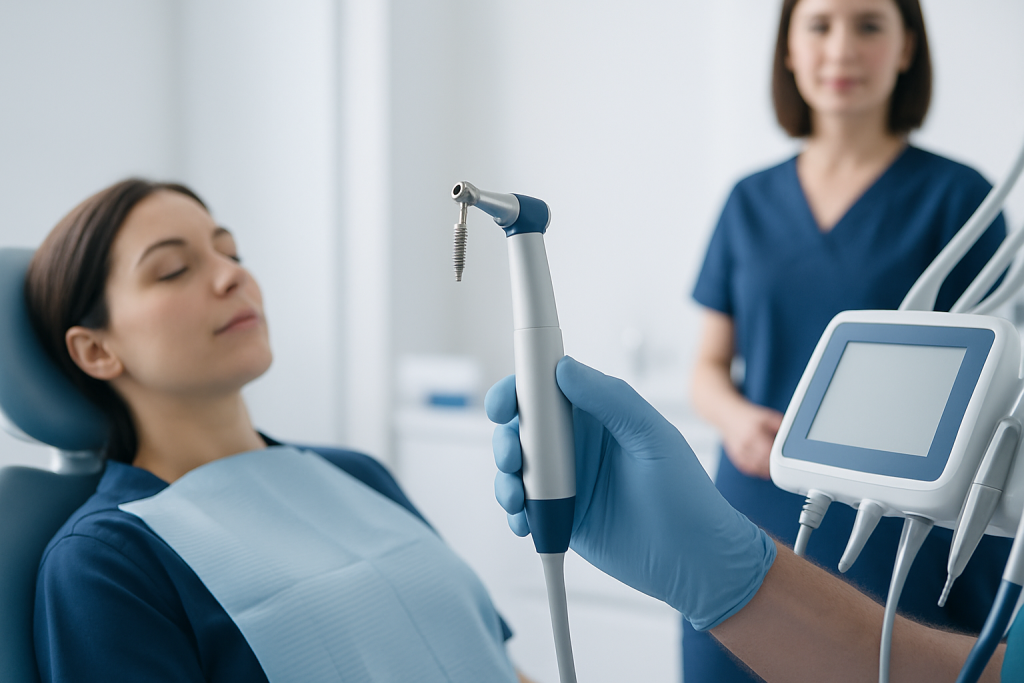
Many people begin by comparing the price of the implant “brand,” but the fixture is only one item in a larger treatment pathway. The total cost often rises or falls because of the work needed around the implant, such as scans, laboratory design, sedation, or the final prosthetic tooth.
There are also professional fees. An oral surgeon, periodontist, prosthodontist, or multidisciplinary team may be involved depending on the case. Their training and the coordination between specialists can influence cost, especially when treatment is planned carefully for long-term function and aesthetics.
- Diagnostic work: X-rays, 3D scans, digital impressions, and consultation time.
- Surgery-related steps: tooth extraction, bone grafting, sinus lift, or gum contouring.
- Restorative work: abutment, crown, bridge, or full-arch prosthesis.
- Support services: anesthesia, temporary teeth, follow-up visits, and maintenance.
In some cases, a lower upfront estimate does not mean a lower overall expense. If the treatment plan omits necessary preparation or maintenance, the patient may end up paying more later for corrections or replacements.
Common factors that change the final cost
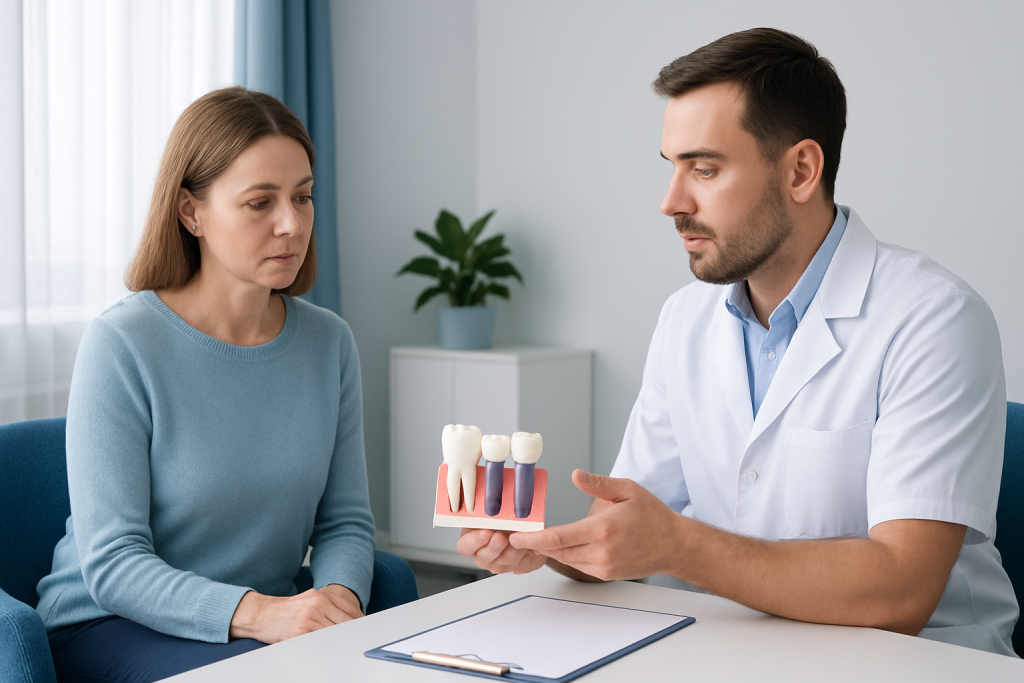
The condition of the jawbone is one of the biggest cost drivers. When bone has shrunk after tooth loss, the implant may need grafting or another augmentation procedure before it can be placed safely. Likewise, implants in the upper back jaw sometimes require a sinus lift, which adds both time and expense.
The number of teeth being replaced also matters. A single missing tooth usually requires one implant and one crown, while several missing teeth may need multiple implants or an implant-supported bridge. Full-mouth treatment can involve a very different plan, especially if temporary fixed teeth are provided during healing.
Other variables can quietly change the total price:
- Material choice: titanium and ceramic implants, as well as different crown materials.
- Case complexity: crooked bite, gum disease, old bridges, or previous failed implants.
- Healing timeline: immediate placement versus staged treatment over several months.
- Sedation or anesthesia: local anesthesia, conscious sedation, or operating-room support in selected cases.
- Travel-related care: extra visits, coordination, and the need for remote follow-up after returning home.
Patients should also ask whether the quoted price includes laboratory fees. In many dental restorations, the laboratory work for the final crown or bridge is a substantial part of the total cost and can vary depending on design and material.
How the treatment plan is built
Before surgery, a proper implant plan usually begins with an exam of the gums, bite, remaining teeth, and bone levels. A 3D scan is often used to map nerves, sinuses, and bone shape so that the implant can be positioned accurately and safely.
The dentist then decides whether the patient is ready for implant placement or needs preparatory care first. This may include treating gum disease, removing a damaged tooth, or rebuilding lost bone. These steps are not “extra” in a clinical sense; they are often what makes the final implant stable enough to last.
For patients traveling abroad, this planning stage is especially important. A reliable treatment estimate should explain how many visits are needed, how long healing may take, whether temporary teeth are possible, and when the final restoration can be completed. If the plan is rushed or unclear, the final cost is harder to predict.
Diagnosis and evaluation before treatment
Diagnosis is not only about confirming that a tooth is missing. It is about understanding whether the mouth can support an implant and what kind of restoration will work best. A clinician may assess medical history, medications, smoking status, jaw shape, bite forces, and any signs of infection or inflammation.
Imaging often includes panoramic X-rays and cone beam CT scans, depending on the case. These studies help the dental team measure bone volume and avoid important anatomic structures. In some situations, digital impressions or photographs are added to plan the shape and appearance of the final tooth.
Patients with health conditions such as uncontrolled diabetes, active gum disease, or a history of head and neck radiation may need additional evaluation before proceeding. The goal is not to delay care unnecessarily, but to ensure the treatment is appropriate and as predictable as possible.
Treatment options and how they differ in cost
Single-tooth implants are often the simplest to understand: one implant, one abutment, and one crown. Even then, the cost can change if the tooth must be extracted first, if the site needs grafting, or if the neighboring teeth require cosmetic matching.
When several teeth are missing, an implant-supported bridge may be more efficient than placing one implant for every tooth. For patients missing most or all teeth, options such as All-on-4 or similar full-arch concepts may be considered. These approaches can reduce the number of implants needed, but the prosthetic design, laboratory work, and immediate temporary teeth can still make the overall treatment more involved.
Some patients compare removable dentures with implant-supported options because the monthly or annual maintenance is different. A removable solution may have a lower initial price, while an implant-based solution may involve a larger early investment but better stability and chewing comfort. The right choice depends on anatomy, expectations, and long-term oral health, not price alone.
Prevention, planning, and self-care after placement
Once treatment is underway, good home care helps protect the investment. Gentle brushing, cleaning around the implant as instructed, and keeping scheduled follow-ups all support healing and long-term function. A healthy implant depends on healthy surrounding gums and bone.
Patients are usually advised to avoid smoking, because it can interfere with healing and increase the risk of complications. Managing diabetes, controlling gum inflammation, and wearing a night guard if recommended can also help reduce strain on the restoration.
For those coordinating care from another country, keeping copies of scans, operative notes, and restoration details is useful. It helps a local dentist continue care later and makes future maintenance easier. A well-documented case is often safer and more economical over time than one that is difficult to track.
When to see a doctor
A dentist or implant specialist should be consulted if a missing tooth is affecting chewing, speech, or the way the bite feels. It is also wise to seek evaluation if the area is painful, the gums are swollen, or an old bridge or denture no longer fits well.
After implant surgery, the patient should contact the clinic if there is worsening pain, persistent bleeding, fever, increasing swelling, or a restoration that feels loose. These symptoms do not always mean something serious, but they do deserve timely assessment.
For patients considering treatment abroad, the best time to ask questions is before travel. A thorough consultation should clarify what the quote includes, what could change the price, how follow-up will work after returning home, and whether the clinic can coordinate with a dentist in the patient’s country. Acibadem Health Point’s multidisciplinary specialists and JCI-accredited hospitals diagnose and treat dental implant cases for international patients with coordinated care across the treatment journey.
Frequently asked questions
Why does one dental implant quote look much lower than another?
A lower quote may include only the implant fixture and surgery, while a fuller quote may also cover scans, grafting, the abutment, the crown, and follow-up visits. Comparing what is included is more useful than comparing a single number. Patients should ask for an itemized plan before deciding.
Is bone grafting always needed before an implant?
No. Bone grafting is only needed when the jawbone is not thick or strong enough for stable implant placement. Some patients have sufficient bone and can proceed without it, while others need preparatory treatment first.
Do full-arch implant treatments cost more than single implants?
Usually yes, because full-arch treatment involves more planning, more complex prosthetics, and often temporary teeth during healing. However, the exact cost depends on how many implants are used and whether extra procedures are required. The final design matters more than the label alone.
How long should a patient wait before the final crown is placed?
Timing varies with the healing plan and bone quality. Some cases allow earlier restoration, while others need several months for the implant to integrate with the bone. The dentist decides based on stability and overall healing, not on a fixed timeline for everyone.
Can an implant be placed soon after a tooth is removed?
In some cases, yes. Immediate placement may be possible when the site is healthy and stable, but many patients need a healing period or additional preparation. The decision depends on infection, bone condition, and the shape of the extraction site.
What should an international patient ask before traveling for implants?
They should ask what the quoted price includes, how many visits are needed, what happens if bone grafting is required, and how follow-up will be handled after they return home. It is also important to confirm the materials used and whether the treatment plan is suitable for their schedule. Clear answers before travel can prevent surprises later.
References
- American Academy of Implant Dentistry
- American Dental Association
- Mayo Clinic
- International Team for Implantology
- NHS
This article is for general information only and is not a substitute for professional medical advice. Please consult a qualified doctor about your individual situation.