How Long Does Implant Treatment Take Abroad? A Step-by-Step Timeline

Key Takeaways
- Implant treatment abroad often begins with planning, imaging, and travel coordination before surgery is scheduled.
- The surgical phase may take only one visit, but healing and bone integration usually require several weeks to months.
- Some patients need extra steps such as tooth extraction, bone grafting, or sinus lifting, which can lengthen the timeline.
- A temporary tooth may be possible in selected cases, but the final crown usually comes later after healing is complete.
- Follow-up care matters, especially for patients returning home, because implant success depends on regular checks and good oral hygiene.
Medically reviewed by the Acıbadem clinical team — June 13, 2026
Dental implant treatment abroad is usually a staged process rather than a single appointment, and the total timeline depends on oral health, bone quality, and whether additional procedures are needed. For many international patients, the in-clinic portion is short, while the full treatment continues over weeks or months as the implant integrates with the bone.
Overview
Dental implant treatment abroad is best understood as a sequence of carefully timed steps, not a single procedure. Many international patients arrive expecting one quick visit, but the real timeline usually includes consultation, imaging, surgical placement, healing, and later restoration with the final crown or bridge.
That staged approach is actually one of the strengths of implant care. It gives the implant time to bond with the jawbone, which is what allows it to function as a stable replacement for a missing tooth. The length of the process varies from person to person, especially when the patient needs extra preparation before the implant can be placed.
For people traveling from another country, timing also includes practical decisions: how many trips are needed, how long each visit should last, and whether some steps can be done in advance through records and remote review. A well-planned timeline helps patients avoid rushing through treatment and supports safer, more predictable results.
What the treatment journey usually looks like
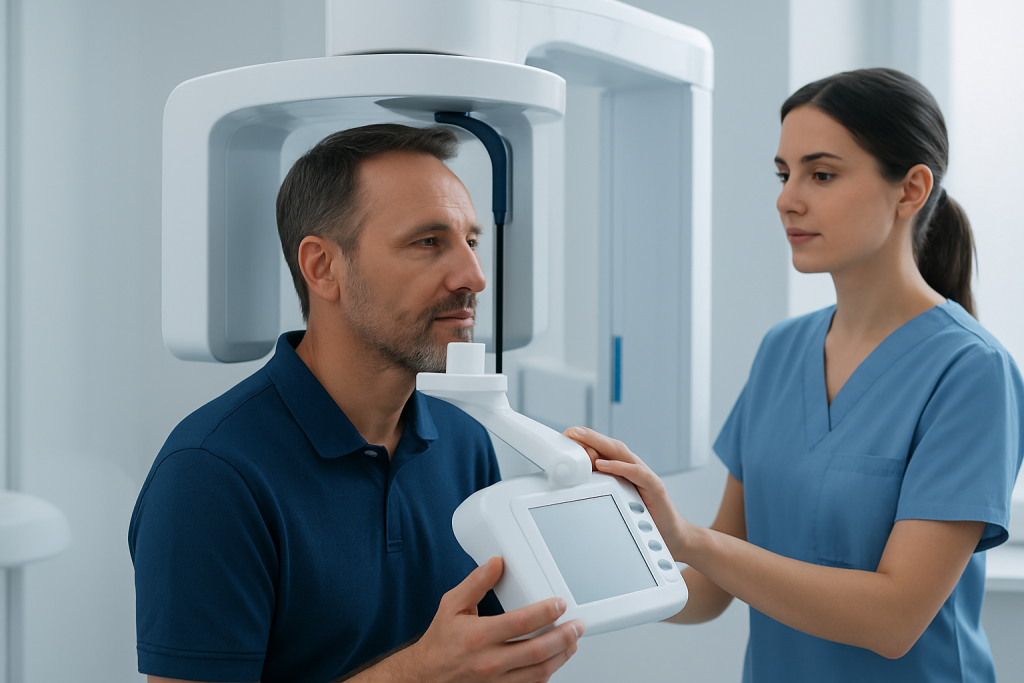
The journey often begins before the patient boards a plane. A dental team may review medical history, past x-rays, current symptoms, and images taken locally or after arrival. If the case is suitable, the dentist can outline whether the patient needs a straightforward implant, a full-arch solution, or preparatory care first.
Once the patient is in the clinic, the first in-person phase usually includes a detailed examination and imaging, commonly with panoramic x-rays or 3D scans. These images help measure bone volume, locate important structures, and decide the best implant position. In some cases, a digital or physical model is also used to plan the restoration.
The actual treatment then moves through a familiar pattern:
- Consultation and diagnosis
- Any necessary extractions or gum treatment
- Implant placement surgery
- Healing and bone integration
- Abutment placement, if needed
- Final crown, bridge, or prosthesis fitting
For international patients, the main challenge is matching this clinical sequence to travel schedules. Some phases can be completed in a short stay, while others require a return visit after healing.
Typical timeline: from first visit to final tooth
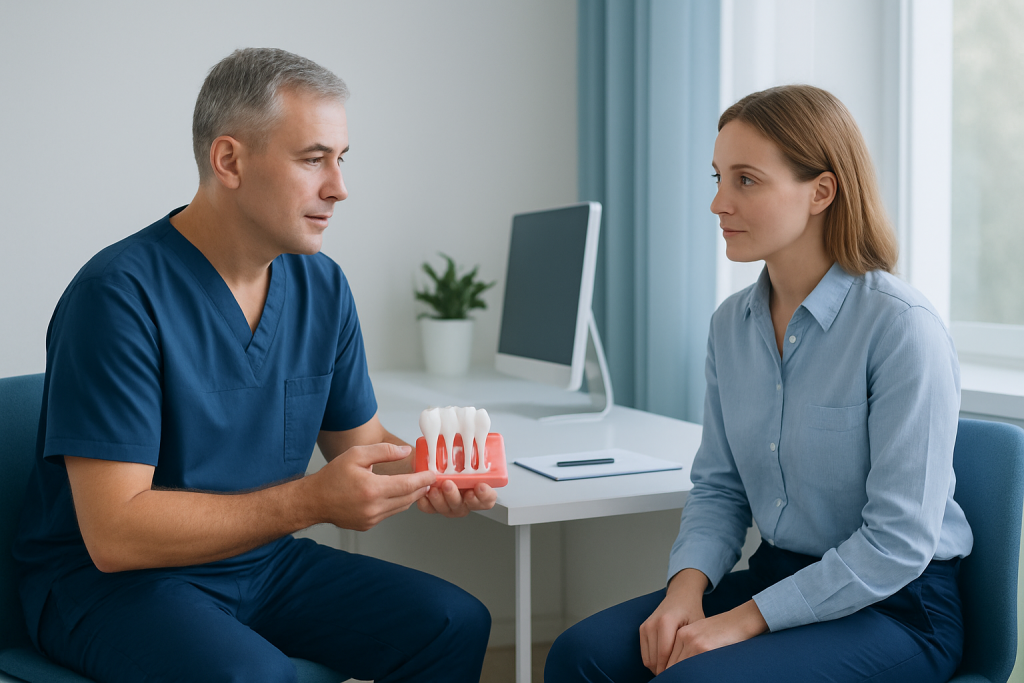
In a straightforward case, the first appointment may take only one day for examination, planning, and digital imaging. If the mouth is healthy and the bone is adequate, implant placement can often be scheduled soon after. Many patients are surprised that the surgery itself is usually just one part of a much longer healing process.
After placement, the implant is left to integrate with the bone. This healing phase is important because the implant becomes secure through a process known as osseointegration. Depending on the case, this stage may take several weeks to several months, and the timing can be longer if the patient had bone grafting or needed other preparatory treatment.
Once healing is complete, the dentist checks that the implant is stable and ready for the next step. An abutment may be attached, and impressions or scans are taken for the final restoration. The crown, bridge, or denture is then fitted so that the replacement tooth matches the bite and the surrounding teeth as closely as possible.
For some patients, a temporary tooth can be placed earlier to improve appearance during healing. Whether this is possible depends on the implant’s stability, the location of the tooth, and the dentist’s assessment of bite forces. Front teeth and full-arch cases may be planned differently from single back-tooth implants.
Why the timeline differs from one patient to another
Implant timelines are individualized because the mouth is not the same for every patient. Bone quality and quantity make a major difference: if the jawbone is thin or has shrunk after tooth loss, the team may need to add bone before or during implant treatment. That adds time, but it can also improve long-term stability.
The reason the tooth was lost matters too. A tooth removed long ago may leave less bone available than a tooth that was extracted recently. Gum disease, smoking, clenching, poorly controlled diabetes, and some medical conditions can also slow healing or influence how the treatment is sequenced.
Other timing factors include the number of implants, whether the treatment is for one tooth or a full mouth, and whether the patient needs sedation, specialist input, or laboratory work. Even the type of final restoration can change the schedule, since crowns, bridges, and hybrid prostheses require different planning and fabrication steps.
When extra procedures extend the schedule
Some patients can move directly from consultation to implant placement, but many need preparation first. A tooth that cannot be saved may need extraction before an implant is placed. In other situations, a site must heal for a period before the implant can be inserted, especially if there is active infection or significant inflammation.
Bone grafting is one of the most common reasons for a longer treatment timeline. When the jaw does not have enough volume to support an implant, graft material may be used to rebuild the area. A sinus lift may also be recommended for upper back teeth where the sinus sits too close to the implant site.
These additional steps are not setbacks; they are part of planning treatment responsibly. The team may prefer a slower, staged approach if it offers a better chance of stability, proper alignment, and a natural-looking result.
- Tooth extraction can add a healing period before implant placement.
- Bone grafting may require time for new bone to mature.
- Sinus lifting can delay final implant placement in upper jaw cases.
- Treating gum disease first helps create a healthier foundation.
What international patients should plan for
Travel adds a second layer to the treatment timeline. Many clinics can estimate how long the first trip should last, but patients should also ask how many visits are likely needed and how much time should pass between them. In simple cases, the initial trip may cover assessment and surgery, while the return visit happens after healing for the final restoration.
It helps to share all relevant medical information before travel, including medications, chronic conditions, allergies, and recent dental records. This allows the team to plan realistically and may reduce the chance of surprises after arrival. Patients who fly in with a tight schedule should be especially clear about departure dates, because the mouth may need more time than expected to settle after surgery.
Recovery arrangements matter as much as the clinic schedule. Patients may need a quiet day or two after surgery, soft foods, and a nearby place to rest before traveling home. If follow-up imaging or a check-up is needed before departure, it is better to build that into the itinerary rather than assume it can be skipped.
Recovery, self-care, and follow-up after surgery
The early recovery period usually focuses on comfort and protecting the surgical site. Most patients are advised to keep the area clean, avoid disturbing the implant, and follow the dentist’s instructions about diet and oral hygiene. Soft foods are often easier during the first days, especially if there is tenderness or swelling.
Good daily care supports healing, but it should be gentle. Patients should avoid aggressive brushing near the surgical area until the dentist says it is safe, and they should keep up with cleaning elsewhere in the mouth. Smoking can interfere with healing, so patients are generally encouraged to stop or reduce it as much as possible before and after treatment.
Follow-up is particularly important for people who return home soon after the procedure. They should know how to contact the clinic, when the next review is due, and what signs should prompt a sooner check. A clear aftercare plan helps keep the timeline on track and gives the patient confidence once the trip is over.
When to see a doctor
Patients should contact a dentist promptly if pain becomes worse instead of gradually improving, swelling increases after the first few days, or there is persistent bleeding, fever, or a bad taste that does not settle. These symptoms do not always mean there is a serious problem, but they deserve professional review.
It is also wise to seek advice if the implant area feels loose, the bite changes suddenly, or a temporary restoration breaks. For international patients, it is better to reach out early rather than wait until travel plans make follow-up difficult. Quick communication can often prevent small issues from becoming larger ones.
People with medical conditions such as diabetes, heart disease, or immune-related concerns should keep both their dental team and regular physician informed. In coordinated care settings, such as Acibadem Health Point, multidisciplinary specialists and JCI-accredited hospitals can diagnose and treat dental implant cases for international patients with attention to planning, recovery, and follow-up.
Any patient who is unsure whether a symptom is expected should ask. A qualified dentist can explain what is normal at each stage and help the treatment timeline stay safe and realistic.
The short answer to the timeline question
There is no single answer to how long implant treatment takes abroad, because the process is shaped by the condition of the mouth, the number of implants, and whether supporting procedures are needed. Some patients complete the surgical phase in one trip and return later for the final tooth, while others need a more extended, staged plan.
What usually remains constant is the principle behind the timeline: the implant must heal securely before the final restoration is attached. That patience is part of what makes implants reliable, and it is why a thoughtful schedule is more valuable than a rushed one.
For patients traveling internationally, the best results often come from a clear plan, honest timing, and close communication with the dental team before and after the journey. When those pieces are in place, treatment abroad can be organized in a way that feels manageable and well supported.
Frequently asked questions
How long does the full dental implant process usually take abroad?
The full process often takes weeks to months because the implant needs time to integrate with the bone before the final restoration is attached. The exact timeline depends on bone health, extractions, grafting, and the type of implant work planned. A dentist can estimate the schedule after examination and imaging.
Can the implant surgery and final tooth be done in one trip?
Sometimes the first trip can include assessment, planning, and implant placement, but the final tooth usually comes later after healing. In selected cases, a temporary tooth may be possible sooner. Whether this is appropriate depends on stability, bite forces, and the treatment area.
Why would I need bone grafting before an implant?
Bone grafting is used when the jaw does not have enough support for a stable implant. It helps rebuild the area so the implant has a stronger foundation. This step can improve the long-term outlook, even though it may lengthen the timeline.
Is it normal to have swelling after implant surgery?
Mild swelling and discomfort can be part of normal early healing. These symptoms should gradually improve over the first few days. If swelling worsens, pain becomes intense, or fever develops, the patient should contact the dental team.
How soon can I fly after implant treatment?
Many patients can travel after the dentist confirms they are stable, but the timing depends on the surgery, anesthesia, and how the person feels. It is best to plan some rest time before flying and to ask the treating dentist for personalized travel advice. A short, thoughtful recovery window is usually safer than leaving immediately.
What should I bring when traveling abroad for implant treatment?
Patients should bring medical history, a list of medications, allergy information, and any recent dental images or records. It is also helpful to have travel plans that allow for recovery and follow-up. Clear communication before arrival makes scheduling more efficient.
References
- American Dental Association
- Mayo Clinic
- NHS
- International Team for Implantology
- European Association for Osseointegration
This article is for general information only and is not a substitute for professional medical advice. Please consult a qualified doctor about your individual situation.