

Dental Hygienist

Key Takeaways
- Dental hygienists support prevention through cleanings, oral health screening, and patient education.
- Regular hygiene visits can help reduce plaque buildup and support gum health.
- A hygienist may notice early signs of cavities, gum disease, or other oral concerns.
- Home care habits and professional care work best together over time.
- People with bleeding gums, persistent bad breath, or sensitivity should seek dental advice.
- International patients can use hygiene visits as part of a broader dental treatment plan and follow-up schedule.
A dental hygienist is a licensed oral health professional who focuses on prevention, helping people protect their teeth and gums before small concerns become larger problems. Their work is often a key part of routine dental care, whether someone is visiting locally or planning treatment while traveling for care.
Overview
A dental hygienist is an oral health professional whose daily work centers on prevention. In practical terms, that means helping patients keep teeth and gums healthy through professional cleaning, screening, and guidance that is tailored to individual needs.
For many people, the hygienist is the clinician who spends the most time discussing brushing, flossing, diet habits, and signs that deserve a closer look. In a routine appointment, the visit is not only about removing plaque and tartar; it is also a chance to build a care plan that fits a person’s age, dental history, gum health, and comfort level.
In international dental care, this role is especially useful because preventive appointments can be coordinated before a larger procedure, between treatment stages, or during follow-up after returning home. A dental hygienist helps keep oral health on track even when care is spread across countries or time zones.
What a dental hygienist does
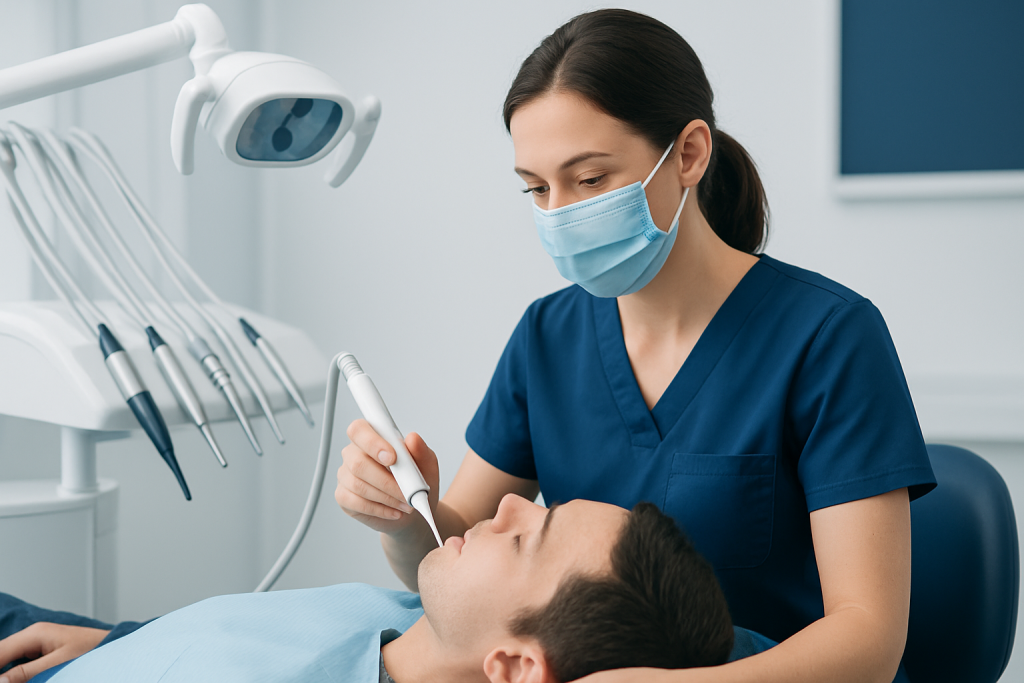
The work of a dental hygienist includes several preventive tasks that support the dentist’s broader treatment plan. Most visits involve removing hardened plaque, polishing tooth surfaces, and checking for early signs of inflammation around the gums. Hygienists also review the patient’s oral hygiene routine and explain where small changes may make a meaningful difference.
Depending on the clinic and local regulations, the hygienist may also take dental X-rays, record measurements around the gums, or document areas that need attention from the dentist. In some settings, they are the first to notice a pattern of bleeding, recession, dryness, or build-up that may suggest the need for further evaluation.
Just as importantly, hygienists teach. They may show a person how to clean around braces, implants, bridges, or crowded teeth, or how to choose tools that match sensitivity and dexterity. That educational role is often what makes preventive care easier to sustain after the appointment ends.
Common symptoms or signs that a hygiene visit may help

Many people see a dental hygienist on a routine schedule even when they feel well. Others make an appointment because the mouth is sending out small warning signs that are easy to dismiss at first. These signs often point to plaque accumulation or gum irritation rather than an emergency, but they should not be ignored.
- Bleeding during brushing or flossing
- Persistent bad breath
- Swollen, red, or tender gums
- Tooth sensitivity, especially near the gumline
- A rough or “fuzzy” feeling on the teeth
- Food getting trapped more often between teeth
These symptoms do not always mean a person has serious disease, but they can be early clues that preventive care needs to become more regular or more targeted. A hygienist can help identify what may be contributing and whether a dentist should examine the area more closely.
For patients traveling for treatment, a hygiene visit can also be useful before a longer trip home. It may reduce the chance that minor concerns are overlooked when follow-up will happen with another provider later.
Causes and risk factors for needing more frequent hygiene care
Dental plaque naturally forms on teeth each day, and when it is not removed well enough, it can harden into tartar. That build-up is one of the most common reasons a person needs professional cleaning more often. Gum tissue can then become inflamed, and over time this may contribute to periodontal disease if not managed.
Several factors can increase the need for hygiene support. These include smoking or tobacco use, diabetes, dry mouth, orthodontic appliances, crowded teeth, a history of gum disease, and limited ability to clean between teeth effectively. Certain medications and changes in hormone levels may also affect the gums or saliva flow.
Travel and treatment planning can play a role too. People coming from another country for crowns, implants, gum treatment, or full-mouth rehabilitation may have a more complex oral history, making preventive maintenance especially valuable before and after the main procedure.
How dental hygienists work with dentists
A dental hygienist does not replace the dentist; instead, the two work as a team. The hygienist focuses on prevention and monitoring, while the dentist diagnoses conditions and plans treatment when a deeper problem is found. This collaboration helps keep care organized and efficient.
During a visit, the hygienist may record observations, take images or measurements, and share findings with the dentist. If anything looks suspicious, such as advanced gum inflammation, a cavity, loosened teeth, or an unusual lesion, the dentist can then examine the patient and determine the next step.
For international patients, this teamwork can be reassuring because it supports continuity. A clear hygiene record, cleaning history, and notes about gum status can make it easier for a home-country dentist or future specialist to continue care smoothly.
Treatment options and what to expect during an appointment
A typical hygiene appointment starts with a review of the patient’s dental history and any symptoms since the last visit. The hygienist then examines the gums and teeth, removes plaque and tartar, and polishes the surfaces to help reduce future build-up. The process is usually straightforward, although sensitive areas may require a gentler pace.
If gum disease is suspected, the visit may include deeper cleaning measures, such as scaling and root planing, depending on the dentist’s treatment plan. Patients may also receive fluoride treatment, personalized home-care advice, or recommendations for specific tools such as interdental brushes, floss aids, or prescription toothpaste when appropriate.
Comfort matters. A hygienist can often adjust technique for anxious patients, sensitive teeth, or patients recovering from dental procedures. People traveling for care may also ask about scheduling follow-up timing so their next hygiene visit fits with healing, flight plans, and local care after returning home.
Prevention and self-care at home
Professional cleaning is only one part of oral health. Daily home care is what keeps results going between visits. Brushing twice a day with a soft-bristled toothbrush and cleaning between the teeth once a day are the foundations most hygienists emphasize, because plaque starts forming again quickly after a cleaning.
Other habits matter as well. Drinking water, limiting frequent sugary snacks, avoiding tobacco, and keeping regular dental appointments all support healthier gums. People with dry mouth, orthodontics, or implants may need a more individualized routine, which a hygienist can help design.
- Brush gently along the gumline, not just the tooth surfaces
- Clean between teeth with floss, interdental brushes, or another recommended aid
- Replace toothbrushes regularly or when bristles fray
- Use products recommended by the dental team for sensitivity or gum care
- Keep routine follow-up visits even if the mouth feels fine
For patients recovering abroad, a written home-care plan can be especially useful. It gives practical steps to follow once the person is back home and may be seeing a different clinician for continued maintenance.
When to see a doctor or dentist
A dental hygiene visit is appropriate for routine prevention, but some findings deserve a dentist’s attention. People should arrange an examination if bleeding gums do not improve, if pain is persistent, if a tooth feels loose, if swelling develops, or if there is a sore or patch in the mouth that does not heal.
Sudden facial swelling, fever with dental pain, difficulty swallowing, or trouble breathing require urgent medical attention. These symptoms are not typical hygiene concerns and should not be managed by waiting for the next cleaning appointment.
Patients who are traveling or planning treatment abroad should ask for clear follow-up instructions before leaving the clinic. Acibadem Health Point’s multidisciplinary specialists and JCI-accredited hospitals can diagnose and treat dental concerns for international patients as part of coordinated care.
Frequently asked questions
Is a dental hygienist the same as a dentist?
No. A dental hygienist focuses on prevention, cleaning, screening, and patient education, while a dentist diagnoses conditions and plans treatment. The two professionals often work closely together as part of the same care team.
How often should someone see a dental hygienist?
The timing depends on the person’s gum health, dental history, and risk factors. Many people are seen every six months, while others may need more frequent visits if they have gum disease, implants, orthodontic appliances, or ongoing plaque buildup.
Does a professional cleaning hurt?
It should not be painful, although some people feel sensitivity during cleaning, especially if their gums are inflamed or their teeth are sensitive. A hygienist can usually adjust technique and pace to improve comfort.
Can a hygienist treat gum disease?
A hygienist plays an important role in managing gum disease through cleaning, monitoring, and education. More advanced cases may also need treatment from a dentist or periodontist, depending on the severity and the tissues involved.
Why is oral hygiene still important after dental treatment?
Teeth, gums, and restorations still need ongoing maintenance after treatment to stay healthy. Regular hygiene care helps protect results, spot early problems, and support long-term comfort and function.
What should international patients bring to a hygiene appointment?
It helps to bring previous dental records, a list of recent treatments, and any X-rays or scans if available. This makes it easier for the hygienist and dentist to understand past care and plan the next steps safely.
References
- American Dental Hygienists' Association
- American Dental Association
- NHS
- Mayo Clinic
- World Health Organization
This article is for general information only and is not a substitute for professional medical advice. Please consult a qualified doctor about your individual situation.
More from the Health Library



Related Specialists

Respiratory Therapist Nursev Hazar
Treatment of RespiratoryDr. Mustafa Şevki Ekim
Anesthesiology and Reanimation
Dr. Tayfun Agbulut
Cardiology
Dt. Oya Albayrak Taş
Dentistry