Bone Graft For Tooth Implant

Key Takeaways
- Bone grafting is often done to make dental implants more secure and predictable.
- The need for grafting depends on jawbone quality, tooth loss history, gum health, and the implant site.
- Healing takes time, and the graft must integrate before an implant is placed or loaded.
- Most people manage recovery with simple aftercare and guidance from their dental team.
- A dentist or oral surgeon can confirm whether grafting is necessary after a clinical exam and imaging.
A bone graft for tooth implant is a procedure used to rebuild or strengthen the jaw before implant placement. It can help create a stable foundation when the bone is too thin, soft, or has shrunk after tooth loss.
Overview
A bone graft for tooth implant is a preparatory procedure that helps rebuild the jaw where bone has been lost or has not developed enough to hold an implant safely. In simple terms, it gives the future implant a stronger base, which matters because implants work best when the surrounding bone can support them securely over time.
This step is not needed for every implant patient. Some people have enough healthy bone already, while others need a graft because of long-term tooth loss, gum disease, injury, infection, or natural bone thinning. For international patients planning treatment abroad, the grafting decision is usually made after careful scans and a treatment plan that maps out both the surgery and the healing period.
Although the idea of adding bone may sound complex, the procedure is routine in modern dentistry and is often designed to be as comfortable and predictable as possible. The main goal is straightforward: to improve the chances that the implant will function well and blend naturally with the rest of the mouth.
Symptoms and Signs That a Graft May Be Needed
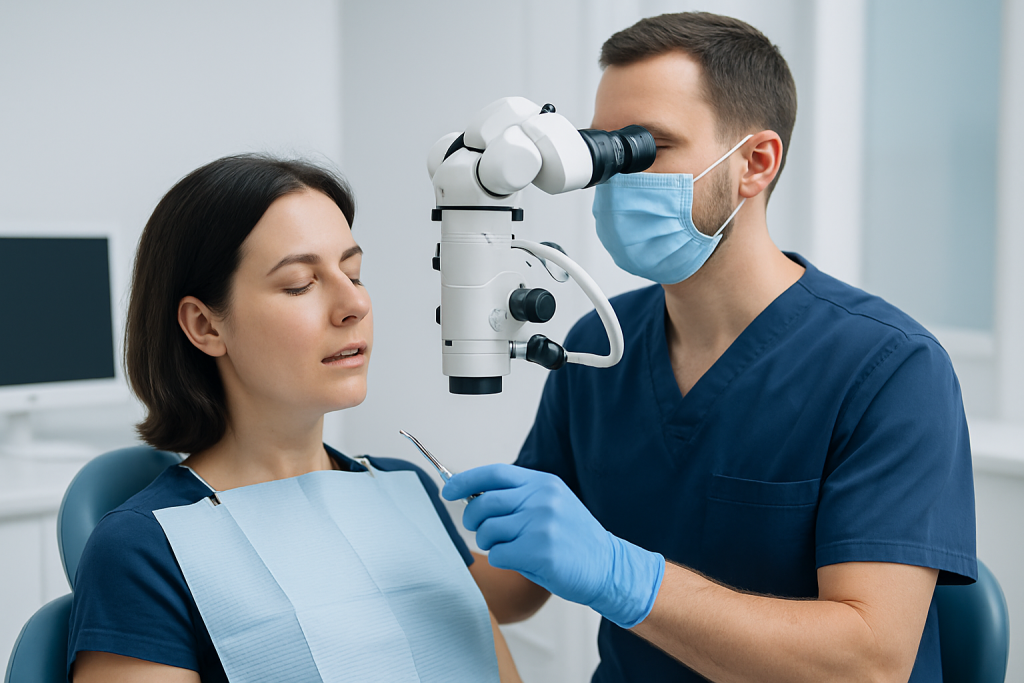
There are not always obvious symptoms that a bone graft is required. Many people only discover the issue during a dental evaluation for an implant, when imaging shows that the jawbone is too narrow, too soft, or too close to important structures such as the sinus or nerves.
Still, certain changes can suggest bone loss over time. These may include a sunken appearance where a tooth has been missing for a while, shifting nearby teeth, trouble fitting a denture, or a history of periodontal disease. In some cases, patients notice that prior tooth extraction sites look flat or have not filled in as expected.
- Missing teeth for a long period
- Advanced gum disease or previous infection
- Jawbone loss after tooth extraction
- Trauma to the mouth or jaw
- Need for an implant in an area with limited bone height or width
Because these signs are subtle and not always visible from the outside, a proper dental workup is more reliable than guesswork. A qualified implant dentist can determine whether grafting is necessary and whether other steps, such as gum treatment, should come first.
Causes and Risk Factors
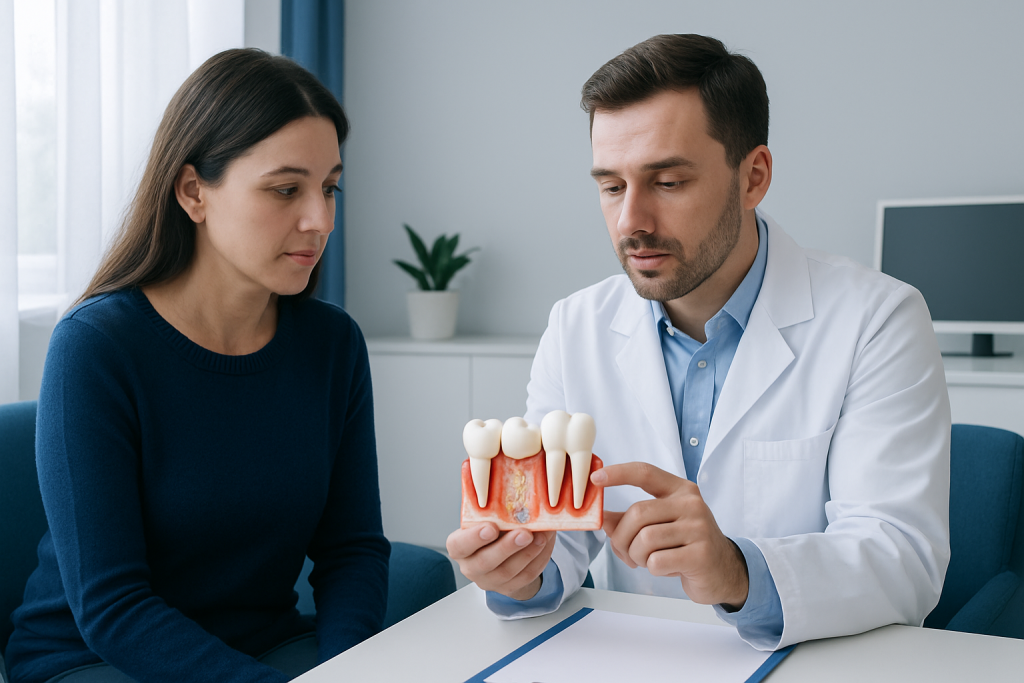
The jawbone naturally responds to pressure from chewing and tooth roots. When a tooth is lost, that stimulation decreases, and the bone in that area may gradually shrink. This process can be slow at first, but it can become significant enough to affect implant placement, especially if several teeth are missing or if the tooth has been absent for years.
Periodontal disease is one of the most common contributors to bone loss around teeth. Infection, inflammation, and untreated gum problems can weaken the structures that keep teeth supported. Other causes include dental trauma, cysts or tumors affecting the jaw, and anatomy that leaves little space for a safe implant.
Risk factors that can make grafting more likely include smoking, poorly controlled diabetes, a history of repeated tooth loss, and delayed replacement after extraction. People who have had prior jaw surgery or wearing ill-fitting dentures for a long period may also have reduced bone volume. In international care planning, clinicians often review these factors in advance so that the patient understands whether treatment can be completed in one trip or should be staged over time.
How Diagnosis Is Made
The evaluation usually starts with a dental examination and a discussion of the person’s oral health history. The dentist or oral surgeon looks at the missing tooth site, checks the gums, and asks about prior extractions, infections, or previous implant work. This conversation helps reveal whether bone loss is likely and whether the area is ready for an implant.
Imaging is the key step. Dental X-rays and, in many cases, a 3D scan help the team measure bone height, width, and density. These images show whether the bone can accept an implant directly or whether grafting is needed first. They also help the clinician avoid sensitive nearby structures and choose the most suitable grafting method.
For patients traveling from abroad, this planning stage is especially important. A clear diagnosis helps align the procedure, recovery, and follow-up schedule before travel begins. It also reduces surprises, because the patient can understand whether the case involves simple grafting, a sinus lift, ridge preservation, or a more complex reconstruction.
Treatment Options
Bone grafting is not one single operation. The technique depends on how much bone is missing and where the implant will go. In some cases, the graft is placed at the same time as tooth extraction to preserve the socket. In others, grafting is done months before the implant, allowing the area to heal and mature first.
Graft material may come from the patient’s own bone, a donor source, animal-derived material, or a synthetic substitute. The dentist chooses the option based on the site, the size of the defect, and the overall treatment plan. The body gradually incorporates the graft as new bone forms, creating a more stable foundation for the implant.
Common approaches include:
- Socket preservation: placed after extraction to reduce future bone shrinkage
- Ridge augmentation: used to widen or rebuild a thin jaw ridge
- Sinus lift: adds bone in the upper back jaw when the sinus is too close
- Block grafting or guided bone regeneration: used for more significant defects
Recovery and timing vary. Some patients can proceed to implant placement after a healing period, while others need additional follow-up to confirm that enough bone has formed. The goal is not speed alone, but a stable and durable result that supports long-term function.
What to Expect During and After the Procedure
Bone grafting is usually performed with local anesthesia, and sedation may be offered in some cases depending on the extent of the work and the patient’s comfort needs. The dentist opens the gum tissue, places the graft material in the prepared area, and secures it with a membrane, stitches, or both if needed. The exact steps depend on the chosen technique.
After the procedure, mild swelling, tenderness, and short-term bruising are common. These effects typically improve with routine aftercare, which may include soft foods, careful oral hygiene, and avoiding pressure on the area. Patients are usually advised not to smoke, because tobacco can interfere with healing and reduce the success of both grafts and implants.
Healing takes time because the body must remodel the graft into living bone. Follow-up visits help the dental team check the site, monitor recovery, and decide when the implant can be placed. For patients returning home after treatment abroad, the discharge plan should include clear instructions for medications, oral care, and the timing of local follow-up with a dentist in their own country if needed.
Prevention and Self-care
The best way to avoid future grafting is to preserve teeth and bone whenever possible. Prompt treatment of cavities, gum disease, and dental infections can reduce the chance of tooth loss, which is one of the main reasons jawbone shrinks. Replacing missing teeth in a timely way may also help maintain the bone’s natural shape.
Daily oral care remains important before and after implant treatment. Brushing gently twice a day, cleaning between the teeth, and attending regular dental checkups all support healthier gums and bone. If a patient is preparing for implant travel, it is wise to ask the dental team about the expected healing timeline, flight timing, and how to manage the mouth comfortably during the journey.
Helpful habits include:
- Stopping smoking or reducing tobacco exposure
- Managing diabetes and other chronic conditions well
- Wearing dentures that fit properly
- Following extraction and implant aftercare instructions closely
- Reporting unusual pain, swelling, or discharge promptly
Self-care does not replace professional treatment, but it can make a meaningful difference in healing and long-term implant success.
When to See a Doctor
A dentist or oral surgeon should evaluate any person considering a dental implant, especially if the tooth has been missing for a long time or if there is a history of gum disease or jaw infection. Early consultation can reveal whether the bone is ready or whether preparation is needed first.
It is also sensible to seek review if there is persistent swelling, pain, loose teeth, difficulty wearing dentures, or a visible change in the jaw shape. These signs do not always mean a serious problem, but they do deserve professional assessment so the treatment plan can be tailored appropriately.
For patients planning care from another country, it can help to arrange the consultation before travel and confirm the expected number of visits, healing intervals, and follow-up steps. Acibadem Health Point’s multidisciplinary specialists and JCI-accredited hospitals diagnose and treat this condition for international patients with coordinated planning and clear communication.
Frequently asked questions
Is a bone graft always needed before a dental implant?
No. Some patients have enough healthy bone for an implant without any grafting. The need depends on the amount and quality of bone at the implant site, which is usually assessed with an exam and imaging.
How long does healing take after a bone graft for a tooth implant?
Healing time varies with the size and type of graft and the person’s overall health. In many cases, the bone must heal for several months before an implant is placed, but the exact schedule should be set by the treating dentist.
Is the procedure painful?
The procedure is typically done with anesthesia, so it should not be painful during treatment. Some soreness, swelling, or mild bleeding can occur afterward, and these effects are usually manageable with standard aftercare instructions.
Can a dental implant be placed on the same day as the graft?
Sometimes, but not always. This depends on how much bone is missing, the stability of the area, and the specific grafting technique used.
What can make a bone graft fail?
Smoking, infection, poor oral hygiene, and certain medical conditions can interfere with healing. Following post-treatment instructions and attending follow-up visits can help protect the graft.
Can patients travel soon after grafting?
Travel plans should be discussed with the treating dentist before the procedure. If travel is necessary, the team can advise on timing, comfort, and follow-up so healing is not disrupted.
References
- American Academy of Implant Dentistry
- American Dental Association
- Mayo Clinic
- Cleveland Clinic
- National Institute of Dental and Craniofacial Research
This article is for general information only and is not a substitute for professional medical advice. Please consult a qualified doctor about your individual situation.