Home Remedies For Headache

Key Takeaways
- Most everyday headaches improve with rest, hydration, food, and reduced sensory strain.
- Cold or warm compresses, relaxation, and gentle movement may help depending on the headache type.
- Frequent, severe, sudden, or changing headaches deserve medical evaluation.
- Home care is useful for mild headaches but should not delay care for urgent warning signs.
- Tracking triggers such as sleep loss, stress, dehydration, or skipped meals can reduce repeat episodes.
Headaches are common, and many mild episodes improve with simple self-care measures at home. Understanding the possible cause can help a person choose the safest way to ease discomfort and know when medical advice is needed.
Overview
A headache is not a diagnosis by itself; it is a symptom that can appear for many different reasons. For some people, it follows a missed meal, a long day at a screen, a stressful meeting, or a night of poor sleep. For others, it is part of a migraine, sinus issue, eye strain, or another health condition.
When the pain is mild and the person otherwise feels well, home care can often make a meaningful difference. The most helpful approach is usually simple and practical: rest the body, reduce triggers around the person, and correct common stressors such as dehydration or hunger.
In an international-patient setting, headaches may also arise during travel, jet lag, or changes in routine. A few steady habits during flights, hotel stays, or busy treatment trips can help reduce discomfort and make recovery easier to manage away from home.
Common Symptoms
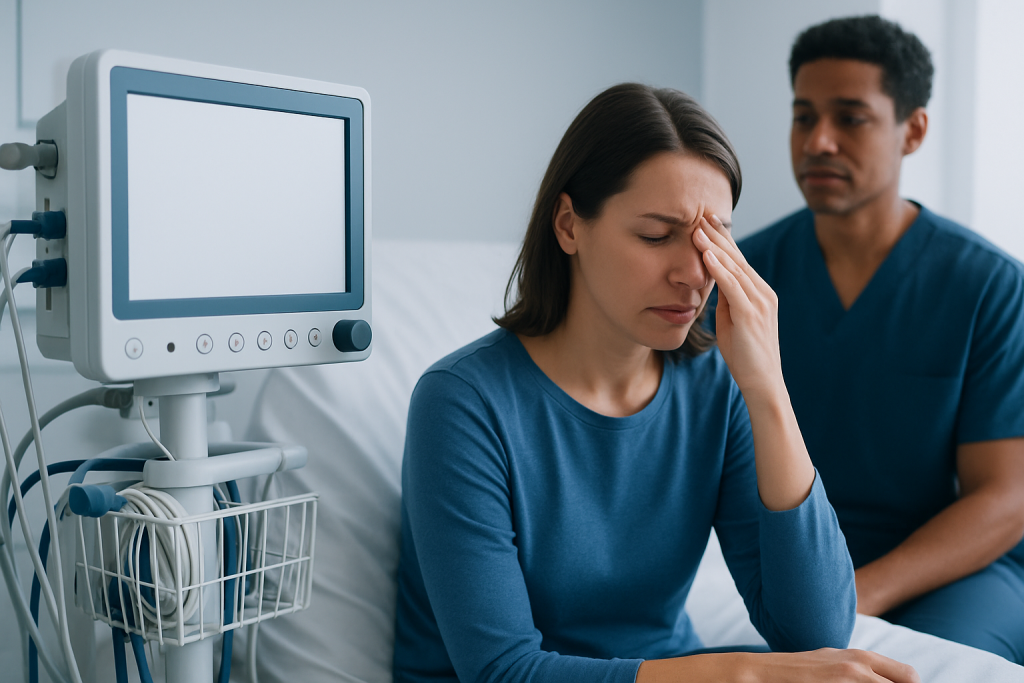
Headache pain can feel dull, tight, throbbing, pressing, or sharp, and the location can vary. Some headaches affect both sides of the head or the forehead, while others stay behind one eye, around the temples, or at the back of the neck.
Depending on the cause, a person may also notice sensitivity to light or sound, scalp tenderness, a heavy feeling in the head, neck tightness, or mild nausea. Tension-type headaches often feel like a band around the head, while migraines may be more pulsating and may worsen with activity.
Home remedies work best for headaches that are mild to moderate, familiar in pattern, and not accompanied by concerning changes. If the headache is new, unusually severe, or unlike prior episodes, it deserves medical attention rather than self-treatment alone.
Causes & Risk Factors
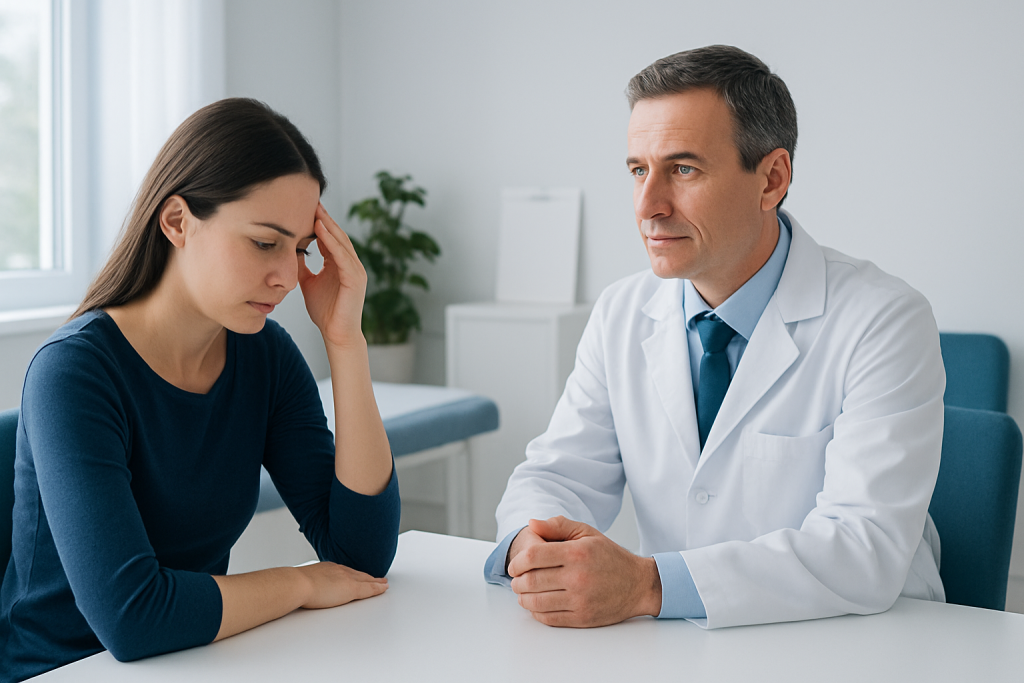
Many headaches begin with everyday triggers rather than a serious illness. Common ones include dehydration, skipped meals, caffeine changes, sleep deprivation, prolonged screen use, poor posture, stress, strong smells, loud noise, and eye strain.
Some people are more prone to headaches because of a personal or family history of migraines, frequent tension in the neck and shoulders, or a lifestyle that leaves little room for regular meals and rest. Travel can also add strain through time-zone shifts, unfamiliar sleeping arrangements, and disrupted hydration.
Less commonly, headaches can be linked to infections, sinus inflammation, dental problems, high blood pressure, medication overuse, hormone changes, or neurological conditions. Because the list is broad, the pattern of symptoms matters as much as the pain itself.
- Dehydration or heat exposure
- Stress, anxiety, or muscle tension
- Long periods of reading or screen time
- Sleep changes, including jet lag
- Alcohol use or caffeine withdrawal
- Ill-fitting glasses or uncorrected vision problems
Diagnosis
For many headaches, diagnosis begins with a careful history. A clinician usually asks where the pain is located, how it feels, how long it lasts, what makes it better or worse, and whether there are associated symptoms such as nausea, fever, vision changes, or weakness.
Physical examination may include blood pressure measurement, a neurological check, and an assessment of the neck, eyes, and sinuses. If the headache pattern suggests another cause, the clinician may recommend blood tests, imaging, or an eye examination.
A headache diary can be especially useful. Recording sleep, meals, fluids, stress, travel, menstrual timing, screen time, and medications often helps reveal patterns that are easy to miss from memory alone.
Treatment Options
Home remedies for headache are most effective when they match the likely cause. Resting in a quiet, dim room may help a migraine-like headache, while a warm compress and gentle neck stretching may be more useful for tension from muscle tightness. A cold pack on the forehead or temple can also soothe some people.
Hydration is important, especially if the person has been traveling, sweating, or forgetting to drink. Eating a light, balanced meal can help when headache is related to low blood sugar or missed food. Some people also benefit from reducing screen exposure, blinking more often, and adjusting posture at a desk or while using a phone.
Relaxation techniques can be valuable because stress commonly amplifies pain. Slow breathing, guided relaxation, meditation, and brief walks can settle the nervous system. Over-the-counter pain relievers may help some people, but frequent use should be discussed with a doctor because repeated use can itself worsen headaches in some cases.
- Drink water steadily rather than all at once.
- Rest in a quiet, darkened space if light or sound increases pain.
- Use a warm compress for neck tension or a cool compress for throbbing pain.
- Take screen breaks and loosen tight shoulder and jaw muscles.
- Return to regular sleep and meal timing as soon as possible.
Prevention & Self-care
Preventing headaches often means identifying and lowering daily triggers. Regular sleep, consistent meals, enough fluids, and short movement breaks can be more effective than trying many remedies only after the pain starts.
Posture and environment matter too. A properly adjusted chair, eye-level screen, supportive lighting, and reduced glare can ease strain for people who work on computers for long periods. For travelers, packing water, snacks, prescribed glasses, and any routine medicines can make a difference during long journeys or treatment trips.
Self-care also includes noticing patterns early. If a person learns that skipped meals, wine, long meetings, or poor sleep tend to precede headaches, it becomes easier to act before pain becomes harder to control.
- Keep a regular sleep schedule when possible.
- Drink water throughout the day.
- Do not skip meals for long periods.
- Take screen breaks and stretch the neck and shoulders.
- Limit known triggers when practical, such as strong odors or excess caffeine.
When to See a Doctor
Medical evaluation is important if headaches are new, frequent, worsening, or interfering with daily life. A doctor should also be consulted when headaches begin after age 50, follow a head injury, or appear along with fever, stiff neck, confusion, fainting, weakness, numbness, trouble speaking, or vision changes.
Urgent assessment is especially important for a sudden, very severe headache, often described as the worst headache of the person’s life. Headaches that wake someone from sleep repeatedly, change pattern over time, or happen after cancer treatment, pregnancy, or immune suppression also deserve prompt medical advice.
For international patients, follow-up planning is worth discussing early, particularly if the person may need imaging, specialist review, or medication adjustments after returning home. Acibadem Health Point’s multidisciplinary specialists and JCI-accredited hospitals can diagnose and treat headache-related conditions for international patients as part of a coordinated care pathway.
Frequently Asked Questions
Are home remedies enough for every headache?
No. Home remedies are most appropriate for mild, familiar headaches without warning signs. If the pain is severe, unusual, persistent, or comes with other symptoms, a clinician should assess the cause.
Does a cold pack or a warm compress work better?
It depends on the headache type and the person’s preference. Cold often feels soothing for throbbing pain, while warmth may relax tight neck and shoulder muscles.
Can dehydration really cause a headache?
Yes, dehydration is a common trigger. Drinking water slowly and regularly may help, especially after travel, exercise, illness, or exposure to heat.
Should caffeine be avoided completely?
Not necessarily. Some people find a small amount helpful, while sudden caffeine withdrawal can trigger headache in others. The key is consistency and moderation rather than sudden changes.
When is a headache an emergency?
A headache should be treated as urgent if it starts suddenly and intensely, follows a head injury, or occurs with weakness, confusion, seizure, fainting, or vision loss. Those symptoms need prompt medical care.
Can a headache diary really help a doctor?
Yes. A diary often reveals triggers and patterns that are hard to spot from memory alone. It can make diagnosis more precise and help guide prevention.
What if headaches happen during travel?
Travel headaches are often related to dehydration, missed meals, sleep disruption, or stress. Keeping fluids, snacks, rest, and routine medicines nearby can help, but recurring or severe pain should still be evaluated.
References
World Health Organization
Mayo Clinic
National Institute of Neurological Disorders and Stroke
American Migraine Foundation
MedlinePlus
Frequently asked questions
Are home remedies enough for every headache?
No. Home remedies are most appropriate for mild, familiar headaches without warning signs. If the pain is severe, unusual, persistent, or comes with other symptoms, a clinician should assess the cause.
Does a cold pack or a warm compress work better?
It depends on the headache type and the person’s preference. Cold often feels soothing for throbbing pain, while warmth may relax tight neck and shoulder muscles.
Can dehydration really cause a headache?
Yes, dehydration is a common trigger. Drinking water slowly and regularly may help, especially after travel, exercise, illness, or exposure to heat.
Should caffeine be avoided completely?
Not necessarily. Some people find a small amount helpful, while sudden caffeine withdrawal can trigger headache in others. The key is consistency and moderation rather than sudden changes.
When is a headache an emergency?
A headache should be treated as urgent if it starts suddenly and intensely, follows a head injury, or occurs with weakness, confusion, seizure, fainting, or vision loss. Those symptoms need prompt medical care.
Can a headache diary really help a doctor?
Yes. A diary often reveals triggers and patterns that are hard to spot from memory alone. It can make diagnosis more precise and help guide prevention.
What if headaches happen during travel?
Travel headaches are often related to dehydration, missed meals, sleep disruption, or stress. Keeping fluids, snacks, rest, and routine medicines nearby can help, but recurring or severe pain should still be evaluated.
References
- World Health Organization
- Mayo Clinic
- National Institute of Neurological Disorders and Stroke
- American Migraine Foundation
- MedlinePlus
This article is for general information only and is not a substitute for professional medical advice. Please consult a qualified doctor about your individual situation.
More from the Health Library



Related Specialists

Prof. Dr. Nezihe Seden Küçücük
Radiation Oncology
Prof. Dr. Süleyman Özyalçin
Treatment of Pain Algology
Dr. Feride Pinar Doğru
Ophthalmology
Dr. Atiye Ayral
Physical Medicine & Rehabilitation