

Memories

Key Takeaways
- Memory is not one single function; it includes attention, encoding, storage, and recall.
- Short-term forgetfulness can happen with stress, poor sleep, medications, or illness.
- Persistent or worsening memory problems may need medical assessment.
- A structured diagnosis helps identify reversible causes and distinguish them from neurological conditions.
- Healthy routines can support brain function, but sudden changes should be discussed with a doctor.
Memories are the brain’s way of storing, organizing, and retrieving information from daily life, from names and places to skills and experiences. When memory feels less reliable, the cause may be temporary, treatable, or part of a wider neurological issue that deserves proper evaluation.
Overview
Memory is the brain’s ability to take in information, keep it, and bring it back when needed. It shapes everyday life in ways that are easy to overlook until something feels off: forgetting a familiar word, missing an appointment, or losing track of a conversation. For many people, these slips are occasional and harmless. For others, memory changes can be the first sign that the brain needs closer attention.
It helps to think of memory as a process rather than a single storage box. The brain must notice information, decide whether it matters, encode it, keep it available over time, and then retrieve it later. Each step can be affected by different factors, which is why memory concerns do not always point to the same cause.
In an international-patient setting, memory questions often come up when someone is comparing notes across languages, adjusting to travel, or trying to follow a new routine in another country. A careful evaluation looks beyond the symptom itself and asks what the person has noticed, when it started, and how it is affecting daily life. That broader view often makes the next step clearer and less stressful.
How memory works
New information first passes through attention. If the brain is distracted, tired, anxious, or overwhelmed, it may never fully register the detail in the first place. This is why a person may later believe they have “lost” a memory when, in fact, the information was never strongly encoded.
Once encoded, memories can be short-lived or long-lasting. Short-term memory supports immediate tasks such as remembering a phone number long enough to dial it. Long-term memory includes facts, events, and skills. Different brain regions help with these different jobs, so a person may have trouble recalling recent conversations while still remembering childhood experiences or familiar routines.
Recall also depends on cues. A smell, a song, a face, or a place can bring information back quickly. That is one reason memory can seem inconsistent: someone may struggle to recall a detail on demand but remember it later when the right cue appears.
Symptoms

Memory concerns can look very different from one person to another. Some people notice repeated forgetfulness in daily tasks, while others feel mentally “slower” or less organized. The symptom is not only about forgetting names; it may also involve trouble learning new information or following multi-step instructions.
Common signs include:
- Repeating the same question or story
- Misplacing items more often than usual
- Struggling to remember recent conversations or appointments
- Finding it harder to learn new information
- Needing more time to plan, focus, or switch between tasks
Occasional forgetfulness is common at any age. More concerning changes are those that are persistent, clearly worsening, or interfering with work, relationships, finances, driving, or self-care. When memory problems are paired with confusion, language difficulty, personality change, or balance problems, medical assessment becomes especially important.
Causes & Risk Factors
Many memory problems have everyday explanations. Sleep deprivation, emotional stress, depression, anxiety, dehydration, alcohol use, and certain medicines can all blur concentration and recall. In these situations, the brain may be healthy but overloaded, making memory feel unreliable.
Medical causes are also important to consider. Thyroid disorders, vitamin deficiencies, infections, head injury, seizures, and poorly controlled chronic diseases can affect cognition. Some neurological conditions, including mild cognitive impairment, dementia, stroke, and other brain disorders, may present with memory loss as one of the first noticeable symptoms.
Risk tends to rise with age, but aging itself does not automatically mean disease. Family history, vascular risk factors, smoking, low physical activity, social isolation, and untreated hearing or vision loss may also increase the chance that memory will become more difficult over time. Understanding these factors helps clinicians focus on what can be treated, corrected, or monitored.
Diagnosis
A memory evaluation usually starts with a detailed conversation. The doctor may ask what the person has noticed, how long the issue has been present, whether it is getting worse, and whether it affects daily life. Input from a family member or close friend can be helpful, especially if the person has trouble describing the changes themselves.
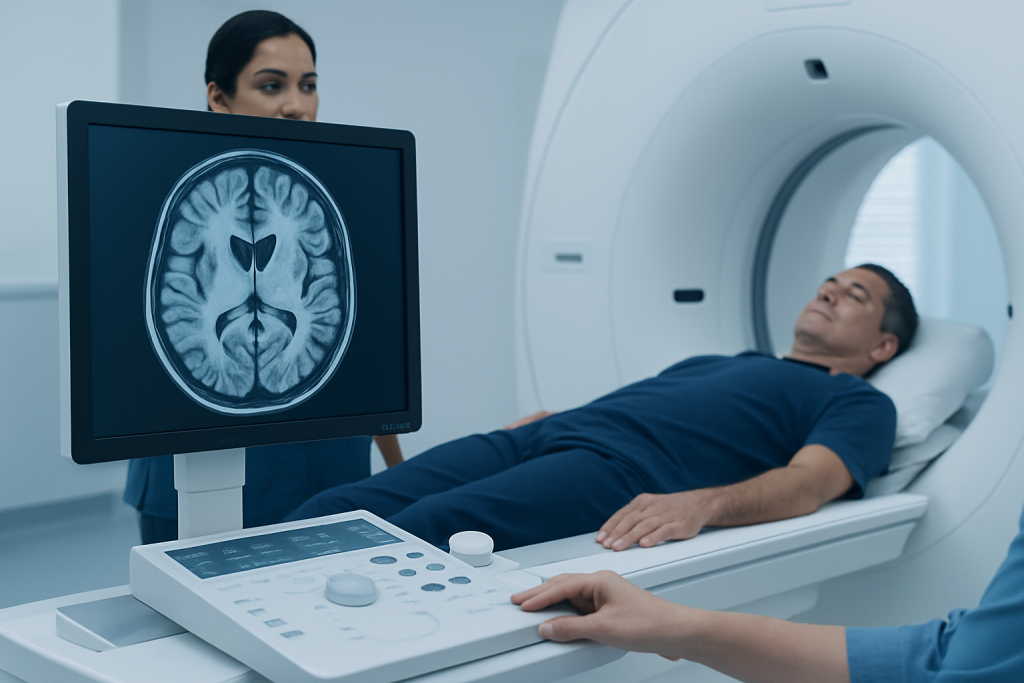
Testing may include a neurological examination, brief cognitive screening, and blood tests to look for reversible causes such as thyroid problems or vitamin deficiencies. Depending on the situation, the doctor may recommend brain imaging, hearing assessment, or more detailed neuropsychological testing. The aim is not simply to label the problem, but to understand which part of memory is affected and why.
For international patients, organization matters. Bringing a medication list, previous scan reports, and any notes about when the symptoms began can make the appointment more efficient. It also helps clinicians compare current findings with earlier information and plan follow-up care that can continue after returning home.
Treatment Options
Treatment depends on the cause. When memory changes are linked to sleep issues, stress, medication side effects, or a vitamin deficiency, addressing the underlying problem may improve thinking and recall. If another medical condition is involved, treating that condition is often the first priority.
When memory loss is part of a neurological disorder, care may include medicines, rehabilitation, caregiver guidance, and practical strategies for daily function. Even when memory cannot be fully restored, the goal can still be meaningful: slowing decline where possible, supporting independence, and reducing the strain on the person and family.
Useful supports often include:
- Medication review to remove or reduce drugs that may impair cognition
- Occupational therapy or cognitive rehabilitation
- Hearing and vision correction
- Routine-based planning and reminder tools
- Caregiver education and safety planning
In some cases, a multidisciplinary team is the best fit, especially when the person is travelling for diagnosis or treatment. At Acibadem Health Point, multidisciplinary specialists and JCI-accredited hospitals diagnose and treat memory-related conditions for international patients in a coordinated setting.
Prevention & Self-care
Not every memory problem can be prevented, but daily habits can support brain health. Regular sleep, physical activity, a balanced diet, social connection, and mental engagement all help the brain stay alert and resilient. These steps are most effective when they are realistic and consistent rather than extreme.
It also helps to reduce the small frictions that make memory seem worse than it is. Writing down appointments, using phone reminders, keeping belongings in the same place, and giving full attention during conversations can all lower the chance of forgetting. These habits are not a sign of failure; they are practical tools that many people use, especially during stressful periods or travel.
If memory changes are being monitored, keeping a simple log can be useful. Note when the symptoms happen, whether they are linked to fatigue or stress, and whether they affect work or home life. This information can help the doctor tell the difference between a temporary pattern and a more persistent neurological change.
When to See a Doctor
Medical advice is appropriate when memory issues are new, persistent, or clearly interfering with daily living. A doctor should also be consulted if a person becomes confused, has trouble finding words, gets lost in familiar places, or notices that memory changes are becoming more frequent. Even when the symptoms are subtle, early review can be reassuring and practical.
Some signs call for prompt attention, especially if they appear suddenly: weakness on one side of the body, severe headache, speech problems, seizure activity, or marked confusion. These symptoms can suggest an urgent neurological problem that needs immediate care.
It is also wise to seek evaluation if a family member is worried about safety, finances, medication use, or driving. Memory concerns are often easier to address when they are discussed early, before they begin to disrupt independence or cause avoidable stress.
Frequently asked questions
Is forgetting things always a sign of dementia?
No. Many memory lapses are related to stress, poor sleep, distractions, medication effects, or other treatable causes. Dementia is one possible explanation, but it is not the only one, and a proper medical evaluation helps clarify the cause.
What is the difference between normal forgetfulness and a real memory problem?
Normal forgetfulness is usually occasional and does not interfere much with daily life. A more concerning memory problem is persistent, getting worse, or affecting work, safety, finances, or relationships.
Can memory improve after the cause is treated?
Yes, sometimes it can, especially when the issue is linked to sleep problems, depression, vitamin deficiency, dehydration, or a medicine side effect. If the cause is a chronic neurological condition, treatment may focus more on slowing change and supporting function.
What tests are used to check memory?
Doctors often use cognitive screening, a neurological exam, blood tests, and sometimes brain imaging or more detailed memory testing. The exact approach depends on the symptoms, age, medical history, and how quickly the problem developed.
Do memory exercises prevent memory loss?
Brain games can be enjoyable, but they are only one part of brain health. Sleep, exercise, social engagement, hearing and vision care, and managing medical conditions are often more important for overall cognitive support.
Should family members be involved in the evaluation?
Yes, especially if the person has difficulty describing the changes clearly. A family member can help explain when symptoms started, how they affect daily life, and whether there have been safety concerns.
References
- World Health Organization
- National Institute on Aging
- Alzheimer's Association
- Mayo Clinic
- American Academy of Neurology
This article is for general information only and is not a substitute for professional medical advice. Please consult a qualified doctor about your individual situation.
More from the Health Library



Related Specialists

Dyt. Dietician Elif Derya Cinisli
Nutrition and Dietetics
Dr. Soysal Turhan
Cardiovascular Surgery
Dr. Korkut Bozan
Emergency Service
Dr. Belgin Küçükkaya
Check-Up and Wellness