Neuropathy Symptoms

Key Takeaways
- Neuropathy symptoms often begin gradually and may include numbness, tingling, burning, pain, or weakness.
- Symptoms can affect the feet, hands, and sometimes the digestive, urinary, or cardiovascular systems.
- Common causes include diabetes, vitamin deficiencies, alcohol use, autoimmune disease, infections, medications, and inherited conditions.
- Diagnosis usually combines a medical history, physical examination, blood tests, and sometimes nerve studies.
- Treatment focuses on the underlying cause, symptom relief, and protecting the affected nerves from further injury.
Neuropathy symptoms can affect sensation, movement, and daily comfort in ways that are easy to overlook at first. Recognizing patterns such as numbness, tingling, burning pain, or weakness can help a person seek the right evaluation before symptoms interfere further with walking, sleep, or balance.
Overview
Neuropathy describes a problem with one or more nerves outside the brain and spinal cord. When those nerves are irritated or damaged, the message they carry can become distorted, delayed, or interrupted. The result may be a change in sensation, strength, coordination, or the automatic functions that help regulate digestion, blood pressure, and sweating.
People often notice neuropathy first in the feet or hands because the longest nerves are frequently affected first. A person may describe a shoe that suddenly feels “off,” a hand that seems clumsy with buttons, or a strange electric sensation that comes and goes. These changes can be subtle at the beginning, which is why paying attention to new patterns matters.
Neuropathy is not one single disease. It is a broad term for many possible conditions, each with different causes and different paths to treatment. That is why a careful evaluation is important: the same symptom, such as tingling, can have very different explanations depending on the rest of the picture.
Symptoms
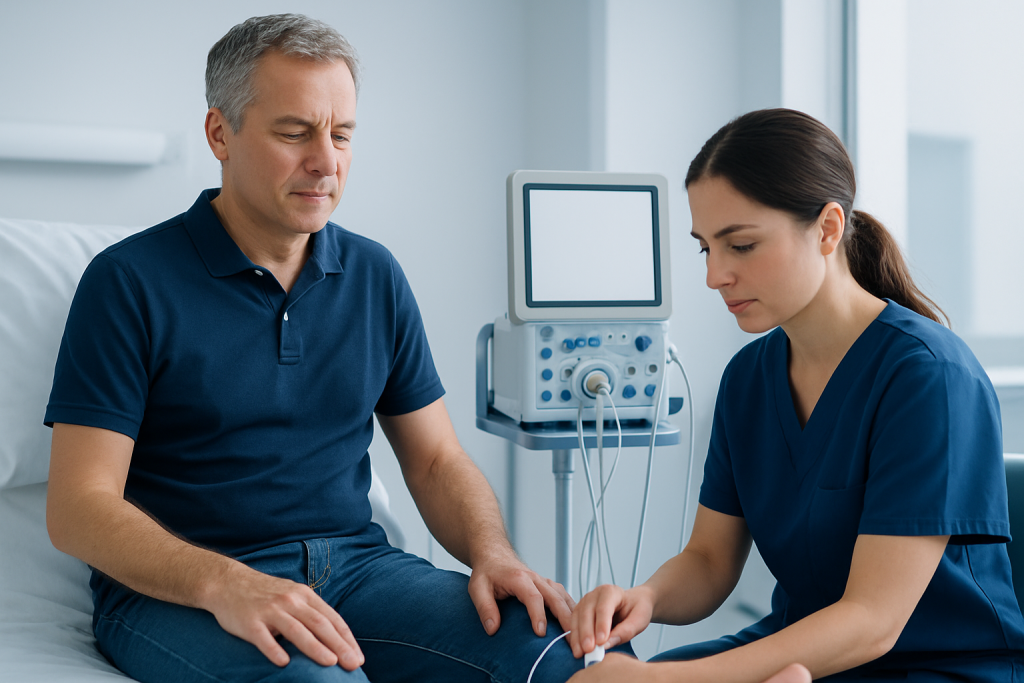
Neuropathy symptoms vary according to which nerves are involved. Sensory nerves may cause numbness, tingling, burning, prickling, or pain. Some people notice hypersensitivity, where a light touch, bedsheet, or sock feels unusually uncomfortable. Others experience a “walking on pebbles” sensation or reduced awareness of temperature and injury.
Motor nerve involvement can lead to muscle weakness, cramps, twitching, or a tendency to trip. Fine tasks may become more difficult, especially if the hands are affected. In some cases, the feet or hands may look unchanged while function is clearly different, which can make the symptoms feel confusing or easy to dismiss.
Autonomic neuropathy affects nerves that manage involuntary body functions. This can contribute to lightheadedness when standing, abnormal sweating, digestive changes such as bloating or constipation, bladder issues, or changes in heart rate. Symptoms may develop slowly, or they may appear after an illness, medication change, injury, or worsening of an underlying condition.
- Numbness or reduced sensation
- Tingling or “pins and needles”
- Burning, stabbing, or shooting pain
- Weakness or unsteady walking
- Loss of balance or coordination
- Changes in sweating, digestion, or bladder function
Causes & Risk Factors

Diabetes is one of the best-known causes of peripheral neuropathy, but it is far from the only one. Nerves can be affected by low vitamin levels, especially vitamin B12, long-term alcohol use, autoimmune disorders, thyroid disease, kidney disease, infections, chemotherapy, and exposure to certain toxins. In some people, a specific cause is not identified right away.
Risk can increase when several factors overlap. Poorly controlled blood sugar, nutritional problems, repetitive compression of a nerve, smoking, and some medications can all contribute. Family history also matters, because certain inherited neuropathies affect how nerves develop or function over time.
Sometimes the cause is more local, such as nerve compression in the wrist, elbow, or spine. In other situations, neuropathy is part of a broader medical condition. For international patients deciding whether to travel for care, it can help to gather previous lab results, medication lists, and prior imaging before the first consultation so the specialist can build the clearest possible history.
Diagnosis
Diagnosis begins with a detailed conversation about the symptoms: where they started, how they changed, what makes them worse, and whether they are linked to diabetes, medication use, alcohol intake, or another condition. A neurological examination usually follows, checking sensation, strength, reflexes, gait, and balance.
Blood tests are commonly used to look for treatable causes such as diabetes, vitamin deficiency, thyroid problems, kidney problems, or inflammatory markers. Depending on the pattern of symptoms, a doctor may recommend nerve conduction studies or electromyography to see how well the nerves and muscles are working. In selected cases, imaging or additional testing may be needed if a compressed nerve, spinal issue, or another systemic condition is suspected.
The goal is not only to confirm neuropathy, but to understand its type and likely source. That distinction guides treatment and helps determine whether the main focus should be correcting an underlying disease, reducing pressure on a nerve, or easing symptoms while the nerve recovers or stabilizes.
Treatment Options
Treatment depends on the cause, severity, and pace of progression. If neuropathy is linked to diabetes, blood sugar management is central. If a vitamin deficiency is found, replacing the missing nutrient can be important. When a medication, toxin, or alcohol exposure is involved, adjusting that factor may help prevent additional nerve injury.
Symptom control is often part of the plan as well. Doctors may suggest pain-relief strategies, physical therapy, occupational therapy, or aids that improve walking and hand function. Some patients benefit from a combination of approaches, especially when pain, weakness, and balance changes occur together. For nerve compression, treatment may include activity changes, splinting, or in some cases a procedure or surgery.
Recovery can be slow because nerves heal gradually, and some nerve damage may be long-lasting. Even so, treatment can still improve comfort, function, and safety. For people traveling from another country, follow-up planning is especially useful, since symptom monitoring, medication adjustments, and rehabilitation often continue after returning home.
Prevention & Self-care
Not every case of neuropathy can be prevented, but risk can often be reduced. Good control of diabetes, balanced nutrition, moderation or avoidance of alcohol, and regular review of medications all support nerve health. People with known risk factors benefit from routine medical follow-up rather than waiting for symptoms to become severe.
Daily self-care can also protect the feet and hands. Checking the feet for cuts, blisters, pressure points, or color changes is important when sensation is reduced. Comfortable footwear, fall-prevention habits, and attention to skin care may lower the chance of accidental injury. If hands are affected, using larger grips, adaptive tools, and extra lighting can make daily tasks easier and safer.
It is wise to avoid self-diagnosing neuropathy as “just circulation” or “stress” without an evaluation. Mild symptoms sometimes have a straightforward and reversible explanation, but they can also be an early sign of a condition that benefits from timely treatment. A practical prevention plan is one that is tailored to the person’s overall health, not just the nerve symptoms alone.
- Keep chronic conditions such as diabetes under regular review
- Ask a doctor about vitamin, thyroid, or kidney testing when appropriate
- Limit alcohol and avoid unprescribed supplements or toxins
- Inspect feet daily if sensation is reduced
- Use stable footwear and reduce fall risks at home
When to See a Doctor
A medical evaluation is advisable when numbness, tingling, burning pain, or weakness is new, persistent, worsening, or affecting daily activities. It is especially important if symptoms are spreading, if balance is becoming unstable, or if there is unexplained muscle loss. Early assessment can help identify treatable causes before the problem advances.
Prompt care is also recommended if neuropathy symptoms occur alongside major weight loss, fever, severe back pain, bowel or bladder changes, or rapidly increasing weakness. These symptoms do not automatically mean something serious, but they do deserve timely attention because they may point to a condition needing faster treatment.
For people arranging care across borders, it can be useful to bring previous prescriptions, test reports, and a simple symptom timeline. Acibadem Health Point supports international patients with multidisciplinary specialists and JCI-accredited hospitals that diagnose and treat neurological conditions in a coordinated way, with attention to both the medical workup and the practical steps of follow-up care.
Living With Neuropathy Symptoms
Living with neuropathy often means learning how to reduce strain on affected nerves while keeping life as normal as possible. Small adjustments, such as pacing activity, using hand supports, or choosing safer footwear, can make a meaningful difference. Many people also find that tracking symptoms helps them notice patterns related to sleep, blood sugar, posture, or medication changes.
Emotional well-being matters too. Chronic nerve symptoms can interrupt sleep, limit mobility, and create frustration, especially when the cause is still being clarified. A patient-friendly care plan should address pain, function, and day-to-day confidence, not only test results.
When neuropathy is managed well, the aim is usually stability, comfort, and preserving independence. That may involve ongoing medical supervision, physical rehabilitation, and periodic reassessment, particularly if the underlying condition can change over time.
Frequently asked questions
What do neuropathy symptoms usually feel like at first?
They often begin as mild tingling, numbness, burning, or a strange change in sensation in the feet or hands. Some people notice clumsiness, reduced balance, or pain that is worse at night. Because the changes can be subtle, early symptoms are sometimes mistaken for fatigue or poor circulation.
Does neuropathy always cause pain?
No. Some people have mostly numbness, weakness, or balance problems rather than pain. Others have significant burning or stabbing discomfort. The symptom pattern depends on which nerves are affected and what is causing the nerve injury.
Can neuropathy improve?
It can improve in some cases, especially when the cause is found early and treated. Vitamin deficiency, pressure on a nerve, medication-related neuropathy, and some metabolic causes may respond better than long-standing nerve damage. Even when symptoms do not fully disappear, treatment can often reduce discomfort and help function.
How is neuropathy different from poor circulation?
Poor circulation can also cause discomfort or coldness, but neuropathy usually involves changes in sensation such as tingling, burning, numbness, or pain. A doctor may need to examine both possibilities because some conditions can cause overlapping symptoms. A proper evaluation helps avoid delays in treatment.
Should someone travel for neuropathy evaluation if local tests are unclear?
Travel for care may be reasonable when symptoms are progressing, a specialist opinion is needed, or previous testing has not explained the problem. A center with neurology, rehabilitation, and related specialties can be helpful when the cause is complex. Bringing all prior records makes the visit more efficient and useful.
References
- National Institute of Neurological Disorders and Stroke
- Mayo Clinic
- Cleveland Clinic
- World Health Organization
- American Academy of Neurology
This article is for general information only and is not a substitute for professional medical advice. Please consult a qualified doctor about your individual situation.