

Bone Spurs: Symptoms, Causes and Treatment

Key Takeaways
- Bone spurs are extra bone growths, often linked to joint wear and long-term stress.
- Many bone spurs do not cause symptoms and are found on imaging tests done for another reason.
- Symptoms depend on location and may include pain, stiffness, swelling, numbness, or limited motion.
- Treatment usually starts with conservative care such as activity changes, physical therapy, and pain relief measures.
- Surgery is considered when a spur causes persistent pain, nerve compression, or major loss of function.
Medically reviewed by the Acıbadem clinical team — August 19, 2026
Bone spurs are smooth bony overgrowths that can form along the edges of bones, often in response to aging, joint wear, or repeated stress. Many cause no symptoms, but when they press on nearby tissue they may lead to pain, stiffness, or reduced movement.
Overview
Bone spurs, also called osteophytes, are small bony projections that can form along the edges of bones. They develop gradually and are often the body’s response to ongoing stress, friction, or degeneration in a joint or along a tendon or ligament attachment.
Despite the name, bone spurs are usually not sharp in the way many people imagine. They are often smooth and go unnoticed for years. Problems begin when the spur rubs against nearby tissues, narrows space around a joint, or irritates a nerve.
They can appear in several parts of the body, including the spine, shoulders, knees, hips, hands, fingers, feet, and heels. The most important point for patients is that the spur itself is only part of the picture; the underlying condition that led to it often matters just as much when treatment is planned.
Symptoms
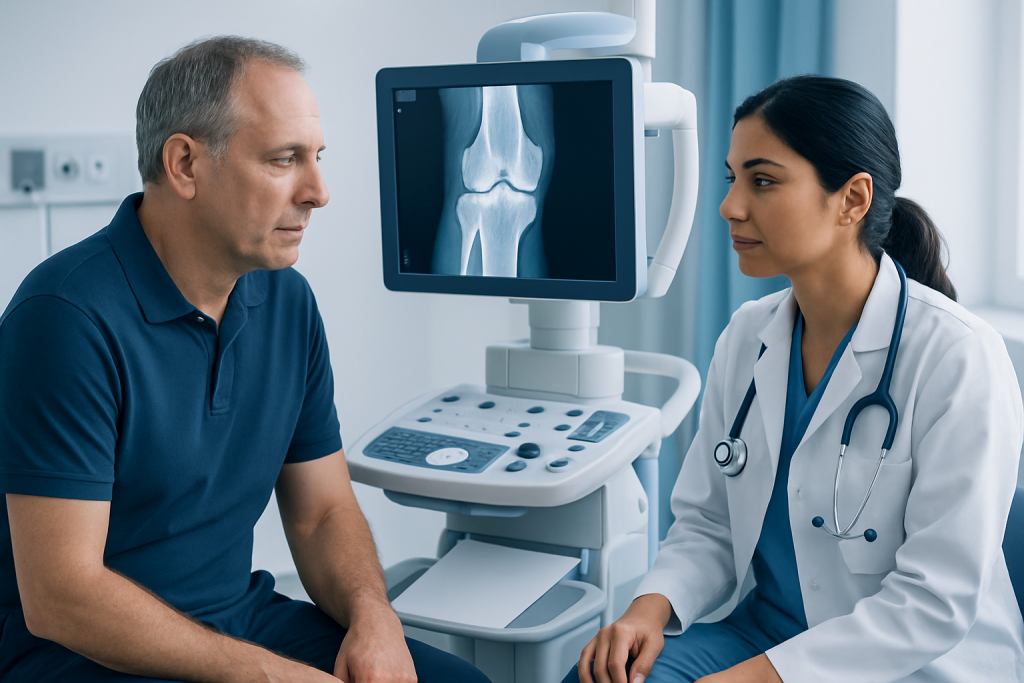
Some bone spurs cause no symptoms at all and are discovered during an X-ray or another scan done for a different reason. When symptoms do appear, they usually depend on where the spur is located and what nearby structures it affects.
Common symptoms may include joint pain during movement, stiffness after resting, swelling around the area, or a reduced range of motion. In the spine, a spur may contribute to neck or back pain, or it may press on a nerve and cause tingling, numbness, or weakness in an arm or leg.
In the foot or heel, discomfort is often felt most clearly with standing, walking, or the first steps in the morning. In the hand or finger joints, people may notice bony lumps, aching with use, or difficulty bending the joint fully. Symptoms can feel mild at first and then become more noticeable with repeated strain.
Causes & Risk Factors
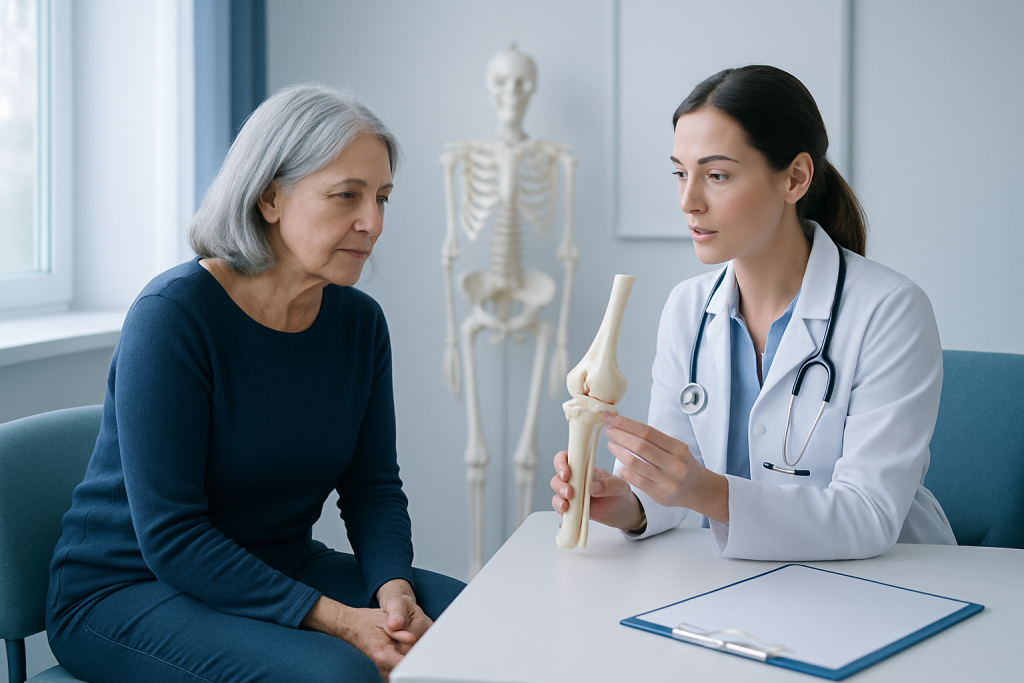
Bone spurs usually form when the body tries to repair or stabilize a joint that has been under repeated stress. Over time, the repair process may create extra bone at the edge of the joint. This is common in osteoarthritis, where cartilage wears down and the joint surfaces no longer move as smoothly as they once did.
Other causes can include past injuries, chronic inflammation, repetitive motion, poor alignment of a joint, or age-related changes in bone and cartilage. In the spine, discs that lose height over time may shift pressure onto surrounding structures, encouraging spur formation.
Risk is often higher in people with long-standing joint wear, a history of injury, occupations or sports that involve repetitive loading, or conditions that affect posture and body mechanics. Footwear, body weight, and activity patterns may also influence how much strain a joint or tendon attachment experiences.
Diagnosis
Diagnosis begins with a medical history and physical examination. A clinician will ask where the pain is felt, when it started, what makes it better or worse, and whether the patient has numbness, weakness, or trouble moving the joint. This helps determine whether the spur is actually the source of symptoms or simply an incidental finding.
Imaging tests are often used to confirm the presence and location of a bone spur. X-rays are the most common starting point because they show bony changes clearly. Depending on the situation, an MRI or CT scan may be recommended to assess soft tissues, nerves, cartilage, or the surrounding joint in more detail.
In international care settings, patients often arrive with prior imaging from another country. A specialist may review those images, compare them with a new examination, and decide whether updated scans are needed before planning treatment. This step is especially useful when symptoms do not match the first report or when surgery is being considered.
Treatment Options
Treatment depends on symptoms, location, and how much the spur is affecting daily life. Many people improve without surgery. The first goal is usually to reduce irritation in the area and address the problem that led to the spur, such as joint inflammation, poor mechanics, or repetitive overload.
Conservative care may include activity modification, physical therapy, supportive footwear or orthotics, weight management when relevant, and pain-relief strategies recommended by a clinician. In some cases, a doctor may suggest anti-inflammatory medication or an injection to calm inflammation around the joint or soft tissue. These approaches aim to ease symptoms rather than remove the spur itself.
Surgery is considered when pain remains persistent, a nerve is compressed, movement is severely limited, or the spur interferes with function despite appropriate non-surgical care. The procedure may involve removing the spur, smoothing the bone, or addressing the underlying joint problem at the same time. Recovery time varies based on where the spur is located and what type of treatment is performed.
Prevention & Self-care
Not every bone spur can be prevented, especially when age-related joint wear is part of the cause. Even so, there are practical ways to reduce strain on joints and lower the chance of ongoing irritation. Regular movement, balanced strengthening, and attention to posture can all support healthier joint mechanics.
For foot or heel symptoms, well-cushioned shoes and appropriate arch support may reduce pressure during walking. For spine or joint discomfort, pacing activities, avoiding sudden increases in load, and keeping muscles around the joint strong may help. If a patient spends long hours at a desk or on their feet, ergonomic adjustments can make a meaningful difference.
Self-care also includes noticing patterns. Pain that appears after specific activities, shoe changes, sports, or work tasks may point to a mechanical trigger that can be modified. A clinician or physiotherapist can help match the plan to the patient’s routine, especially when travel, prolonged sitting, or changes in climate and activity level are part of recovery or follow-up.
When to See a Doctor
Medical evaluation is advisable when pain keeps returning, movement becomes restricted, or symptoms do not improve with simple self-care. It is also important to seek assessment if there is numbness, weakness, swelling that persists, or pain that interferes with walking, sleeping, or using the hand or arm.
People with known arthritis, previous fractures, or spine symptoms should not assume that all discomfort comes from the bone spur itself. A doctor can determine whether another joint issue, tendon problem, or nerve condition is contributing to symptoms and whether imaging is needed.
For patients traveling from abroad, it can be helpful to arrange orthopedic review before the trip or soon after arrival, especially if follow-up is limited where they live. Acibadem Health Point’s multidisciplinary specialists and JCI-accredited hospitals diagnose and treat bone spur conditions for international patients, with care coordinated around imaging, treatment planning, and recovery follow-up.
Frequently asked questions
What exactly is a bone spur?
A bone spur is an extra bony growth that develops along the edge of a bone, usually near a joint. It often forms slowly in response to wear, stress, or inflammation. Many bone spurs never cause symptoms and are only found on imaging.
Do bone spurs always cause pain?
No, many do not cause any symptoms at all. Pain usually happens when the spur irritates nearby tissues, limits movement, or presses on a nerve. The location of the spur is often more important than its size.
Can bone spurs go away on their own?
Bone spurs usually do not disappear on their own. However, symptoms can improve with conservative care even if the spur remains in place. Treatment focuses on easing irritation and addressing the underlying cause.
How are bone spurs diagnosed?
Doctors start with a physical examination and a discussion of symptoms, then often use X-rays to look for bony growths. In some cases, MRI or CT imaging is helpful to assess nerves, cartilage, or soft tissues around the spur.
When is surgery needed for a bone spur?
Surgery is usually reserved for cases where non-surgical treatment has not helped or where the spur is causing major pain, nerve compression, or loss of function. The decision depends on the spur’s location and the patient’s overall condition.
Can lifestyle changes help with bone spurs?
Yes, lifestyle changes can make symptoms easier to manage. Supportive shoes, physical therapy, pacing of activity, and joint-friendly movement can reduce irritation. These steps are especially useful when the spur is related to repeated strain or arthritis.
References
- Mayo Clinic
- Cleveland Clinic
- American Academy of Orthopaedic Surgeons
- National Institute of Arthritis and Musculoskeletal and Skin Diseases
- NHS
This article is for general information only and is not a substitute for professional medical advice. Please consult a qualified doctor about your individual situation.
Joint and spine care in Turkey — expert assessment & treatment
JCI-accredited · board-certified surgeons · reply within 24h
Add us as a Preferred Source to see more of our trusted health content across Google Search, AI Overviews and Discover.
More from the Health Library



Related Specialists

Prof. Dr. Ahmet Alanay
Orthopedic Surgery & Traumatology
Dr. Sinan Aksu
Orthopedic Surgery & Traumatology
Dr. Sirri Baştürk
Orthopedic Surgery & Traumatology
Prof. Dr. Korhan Özkan
Orthopedic Surgery & Traumatology