

Ethmoid Bone

Key Takeaways
- The ethmoid bone sits between the eyes and helps shape the nasal cavity, eye sockets, and nearby sinuses.
- It plays a key role in airflow, smell, and the structure of the skull base.
- Ethmoid problems may arise from trauma, sinus inflammation, infection, or rare structural conditions.
- Symptoms can include nasal blockage, facial pressure, reduced smell, eye-related changes, or fluid leakage after injury.
- ENT evaluation may involve examination, nasal endoscopy, and imaging such as CT scans.
- Treatment depends on the cause and may range from medical therapy to surgical repair in select cases.
The ethmoid bone is a small but important bone at the center of the face, helping form the nose, eye sockets, and sinuses. When it is injured or affected by sinus disease, symptoms may involve breathing, smell, headaches, or the eyes, so proper evaluation matters.
Overview
The ethmoid bone is a small, delicate bone deep in the face, tucked between the eyes and behind the bridge of the nose. Even though it is not easy to see or feel, it is an important part of the framework that supports the nose, the eye sockets, and the front part of the skull.
Its position makes it relevant to everyday breathing and smell, and also to several ENT conditions. Because the ethmoid bone sits near the sinuses, the brain, and the eyes, changes in this area can sometimes cause symptoms that seem unrelated at first, such as pressure behind the nose, watery eyes, or changes in the sense of smell.
For people considering care internationally, the ethmoid region is one of the areas that ENT specialists often evaluate with close attention. A careful diagnosis helps separate routine sinus inflammation from conditions that need more specific treatment, including injury or infection involving the skull base.
Symptoms

Problems involving the ethmoid bone are usually noticed through the surrounding structures rather than the bone itself. A person may feel blocked nasal breathing, pressure between the eyes, pain around the nose, or a reduced sense of smell. Some people also report headaches that seem to sit in the center of the face or behind the eyes.
When the ethmoid sinuses are inflamed, symptoms may include nasal congestion, thick discharge, facial fullness, postnasal drip, and discomfort that worsens when bending forward. If the issue is related to trauma, symptoms can be more urgent and may include swelling around the eyes, nosebleeds, double vision, or clear fluid leaking from the nose.
Less commonly, ethmoid-related conditions can affect the eyes or the skull base. Any sudden change in vision, severe facial pain, or watery drainage after a head injury deserves medical assessment, because the structures around the ethmoid bone are tightly connected and deserve careful evaluation.
Causes & Risk Factors
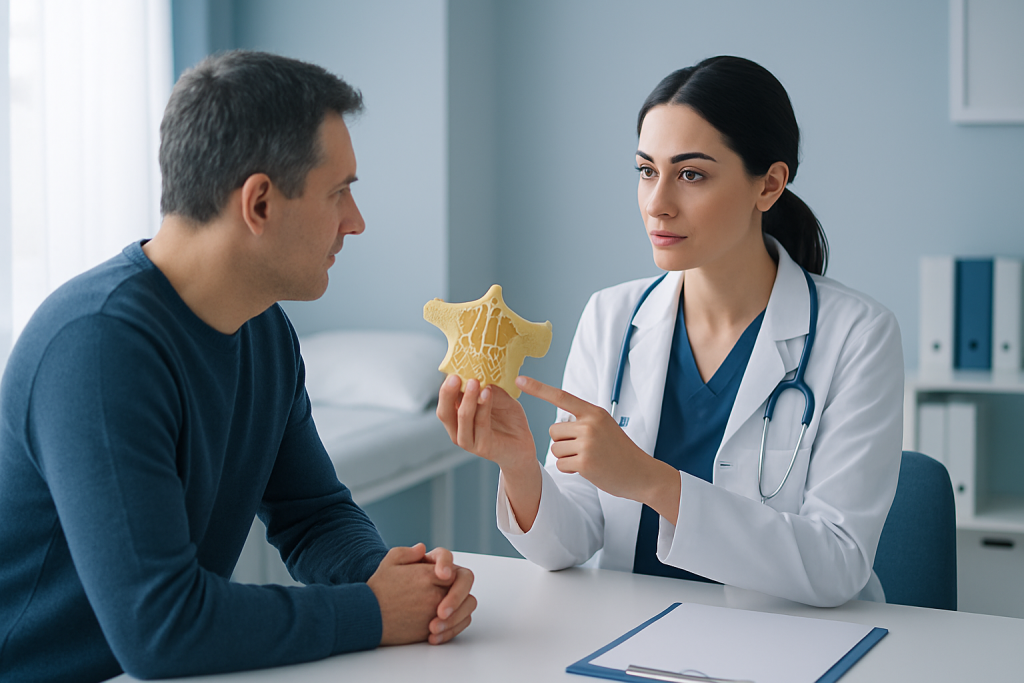
The ethmoid bone itself is usually affected by problems in nearby tissues. One of the most common causes is sinus inflammation, especially ethmoid sinusitis, which can happen after a cold, with allergies, or as part of chronic sinus disease. When the ethmoid sinuses do not drain well, mucus and inflammation can build up in this narrow space.
Head injury is another important cause. A facial fracture may involve the ethmoid bone or the thin bone surfaces around it, especially after accidents, falls, or sports injuries. Because this area lies close to the eye sockets and the brain, fractures can be associated with swelling, bleeding, or leakage of cerebrospinal fluid.
Other risk factors include repeated sinus infections, nasal polyps, allergic rhinitis, and structural differences inside the nose that reduce drainage. In rare cases, growths, congenital abnormalities, or infection spreading from nearby tissues may involve the ethmoid area. People with weakened immunity may need particularly careful follow-up if infection is suspected.
Diagnosis
Diagnosis usually begins with a detailed history and a focused examination by an ENT specialist. The doctor may ask about nasal blockage, facial pressure, smell changes, previous trauma, allergy symptoms, infection history, and whether there are any eye-related or neurologic symptoms.
A nasal endoscopy is often useful because it allows direct visualization of the nasal passages and the drainage pathways around the ethmoid sinuses. This can help identify swelling, polyps, mucus, bleeding, or signs of infection. When the problem may involve bone injury or deeper sinus disease, imaging is commonly recommended.
CT scanning is often the most informative test for the ethmoid bone and its surrounding sinuses because it shows bony detail and drainage anatomy clearly. In selected cases, MRI may be used to assess soft tissues, complications, or suspected masses. If there is concern about a skull-base leak or infection, additional tests may be added based on the clinical picture.
Treatment Options
Treatment depends entirely on what is affecting the ethmoid bone. For inflammatory sinus disease, doctors may recommend measures aimed at reducing swelling and improving drainage. This can include saline irrigation, allergy control, and other non-surgical therapies chosen by the treating physician.
If an infection is present, treatment may involve medical therapy guided by the severity of symptoms and the doctor’s evaluation. Chronic sinus problems that do not improve with medication may be considered for Sinus Surgery" class="ahp-ilk">endoscopic sinus surgery, which can open the drainage pathways and restore ventilation in the ethmoid area.
After trauma, management is guided by the type of fracture and whether the eye, sinus, or skull base is involved. Some fractures are observed carefully, while others may need surgical repair. If there is a cerebrospinal fluid leak, vision change, or evidence of deeper injury, treatment is usually planned by a multidisciplinary team, which may include ENT, neurosurgery, and eye specialists.
Prevention & Self-care
Not every ethmoid problem can be prevented, but some steps help lower the chance of complications. People with allergies or recurring sinus symptoms often benefit from early treatment, because keeping the nasal passages open can improve drainage around the ethmoid sinuses. Avoiding smoke and irritants may also reduce ongoing inflammation.
After facial trauma, it is important not to ignore persistent swelling, nosebleeds, double vision, or clear nasal drainage. Resting, following the care plan exactly, and avoiding forceful nose blowing are common precautions after an injury or sinus procedure, since pressure changes can worsen delicate healing tissues.
- Manage allergies and colds promptly when advised by a clinician.
- Use saline nasal care if recommended for nasal hygiene and comfort.
- Wear protective gear during sports or work where facial injury is possible.
- Keep follow-up appointments after sinus treatment or surgery, especially when traveling from another country.
When to See a Doctor
Medical assessment is advisable if nasal blockage, facial pressure, or reduced smell lasts longer than expected, especially when symptoms recur or do not respond to basic care. Persistent one-sided symptoms deserve attention because they may point to a localized sinus problem that needs a closer look.
Urgent evaluation is important after head or facial injury if there is clear fluid leaking from the nose, double vision, worsening headache, confusion, heavy bleeding, or swelling around the eyes. These symptoms may signal a fracture or complication in the ethmoid region and should not be monitored at home alone.
For international patients, it helps to seek a center that can coordinate imaging, ENT review, and any needed surgical planning in one pathway. Acibadem Health Point’s multidisciplinary specialists and JCI-accredited hospitals diagnose and treat ethmoid-related conditions for international patients with coordinated follow-up when needed.
Living With Ethmoid-Related Conditions
Most people do best when treatment is matched closely to the underlying cause and the anatomy of the ethmoid area. Because this bone is so central to the nose, sinuses, and eye sockets, even a small problem can affect daily comfort, breathing, and sleep. A clear plan from an ENT specialist often makes symptoms easier to manage and recovery more predictable.
Patients who travel for care may also benefit from a simple follow-up strategy before returning home. That may include written instructions, medication guidance, warning signs to watch for, and a plan for local follow-up if needed. With the right support, many ethmoid-related conditions can be evaluated and treated effectively while keeping the process understandable and safe.
Related Conditions to Know
Ethmoid bone issues are often discussed together with conditions in the ethmoid sinuses, because the bone and the air spaces are closely linked. Ethmoid sinusitis, chronic rhinosinusitis, nasal polyps, and facial fractures are among the more common related concerns seen in ENT practice.
In rare situations, doctors may also consider skull-base disorders, cerebrospinal fluid leaks, orbital complications, or growths in the nasal cavity and sinuses. Sorting out these possibilities is one reason detailed examination and imaging matter; they help define whether the problem is simple inflammation or something that needs a more specialized approach.
Frequently asked questions
What is the ethmoid bone responsible for?
The ethmoid bone helps form the nose, eye sockets, and skull base, and it contains air cells that are part of the ethmoid sinuses. It also supports airflow and contributes to the normal sense of smell. Because it is located in a crowded area, problems nearby can affect several functions at once.
Can ethmoid sinus problems cause headaches?
Yes, inflammation in the ethmoid sinuses can cause pressure or pain behind the nose and between the eyes. Some people describe this as a central facial headache. Since headaches can have many causes, persistent or severe symptoms should be assessed by a doctor.
How is an ethmoid fracture diagnosed?
Doctors usually start with an examination and then order imaging, most often a CT scan, to see the bone and surrounding structures clearly. They may also check vision, eye movement, and signs of fluid leakage. Prompt evaluation is important after facial trauma because the area is close to the eyes and skull base.
Is ethmoid sinusitis treated with surgery?
Not always. Many cases improve with medical treatment and measures that reduce swelling and improve drainage. Surgery is generally considered when symptoms are persistent, complications develop, or anatomy prevents the sinuses from draining properly.
Can ethmoid bone problems affect smell?
Yes, the ethmoid region is closely connected to the structures involved in smell. Swelling, infection, or blockage in this area can reduce the sense of smell temporarily, and sometimes for longer periods if the underlying problem persists. Treating the cause early often helps preserve function.
When should clear fluid from the nose be taken seriously?
Clear drainage from the nose after a head or facial injury should be evaluated by a doctor, especially if it is persistent or one-sided. It can sometimes indicate a cerebrospinal fluid leak. This is not common, but it is important to check promptly so the right care can be given.
References
- Merck Manual Professional Edition
- American Academy of Otolaryngology–Head and Neck Surgery
- Cleveland Clinic
- National Institute on Deafness and Other Communication Disorders
- Radiological Society of North America
This article is for general information only and is not a substitute for professional medical advice. Please consult a qualified doctor about your individual situation.
More from the Health Library



Related Specialists

Prof. Dr. Ahmet Alanay
Orthopedic Surgery & Traumatology
Dr. Sinan Aksu
Orthopedic Surgery & Traumatology
Dr. Sirri Baştürk
Orthopedic Surgery & Traumatology
Prof. Dr. Korhan Özkan
Orthopedic Surgery & Traumatology