

Adenomyosis: Symptoms, Causes and Treatment

Key Takeaways
- Adenomyosis affects the uterus and may cause heavy, painful, or prolonged periods.
- Symptoms can overlap with fibroids, endometriosis, and other pelvic conditions.
- Diagnosis often begins with a medical history, pelvic exam, and imaging such as ultrasound or MRI.
- Treatment depends on symptoms, age, and pregnancy goals, and may include medication or surgery.
- Good follow-up matters, especially for people who travel for care and need a clear plan after returning home.
Medically reviewed by the Acıbadem clinical team — August 19, 2026
Adenomyosis is a common uterine condition in which tissue similar to the lining of the womb grows into the muscle wall. It can lead to heavy periods, cramping, pelvic pressure, and tiredness, but many people improve with the right diagnosis and treatment plan.
Overview
Adenomyosis is a condition in which tissue similar to the endometrium, the lining of the uterus, grows into the muscular wall of the uterus. Each month, this tissue responds to hormones and can contribute to inflammation, enlargement of the uterus, and menstrual symptoms that feel difficult to ignore.
For some people, adenomyosis is found only after years of heavy periods or pelvic discomfort. For others, it is discovered during an ultrasound, MRI, or after surgery for another reason. Because its symptoms can resemble fibroids or endometriosis, the path to the correct diagnosis is not always straightforward.
The condition is not dangerous in the same way as cancer, but it can affect daily life, energy, fertility planning, and emotional well-being. The encouraging part is that there are several ways to manage it, and treatment can be tailored to a person’s symptoms and reproductive goals.
Symptoms
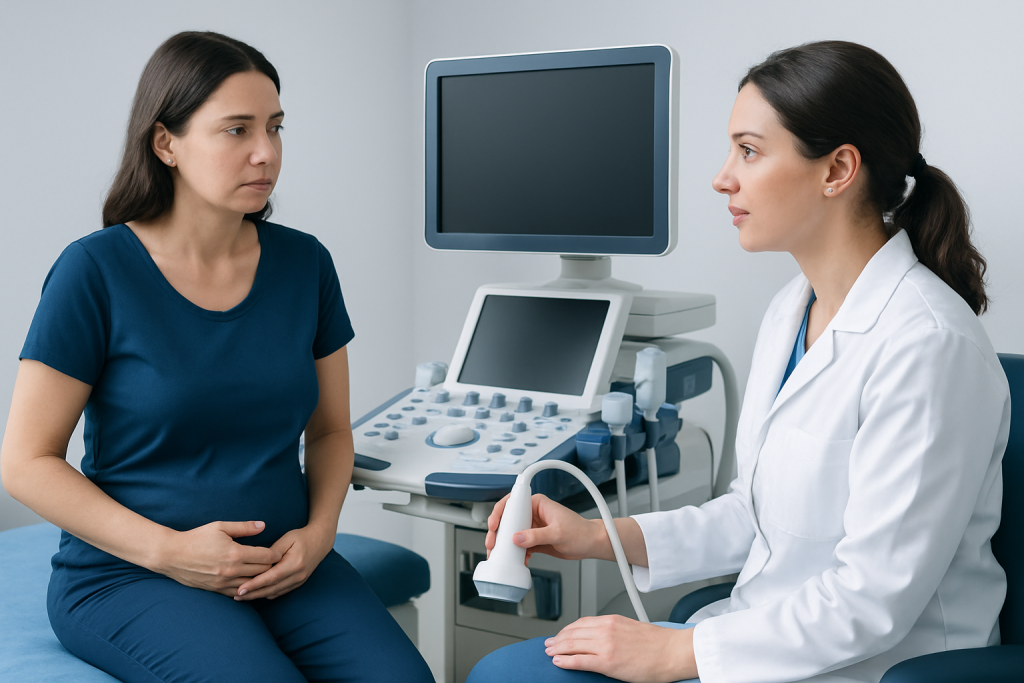
Adenomyosis can be quiet in some people and very disruptive in others. The most familiar pattern is menstrual bleeding that becomes heavier, longer, or both, often with cramping that starts before the period and continues during it.
Other symptoms may include pelvic pressure, pain during sex, bloating, and a sense that the uterus feels enlarged or tender. Some people notice fatigue or dizziness related to blood loss, especially when heavy bleeding has continued for months.
Because symptoms vary, it helps to look beyond a single period and notice patterns over time. A doctor may ask about the length of bleeding, clotting, pain intensity, and whether symptoms interfere with work, sleep, travel, or exercise.
- Heavy menstrual bleeding
- Severe or worsening period cramps
- Pelvic pain or pressure
- Prolonged menstrual periods
- Pain during intercourse
- Fatigue related to blood loss
Causes & Risk Factors
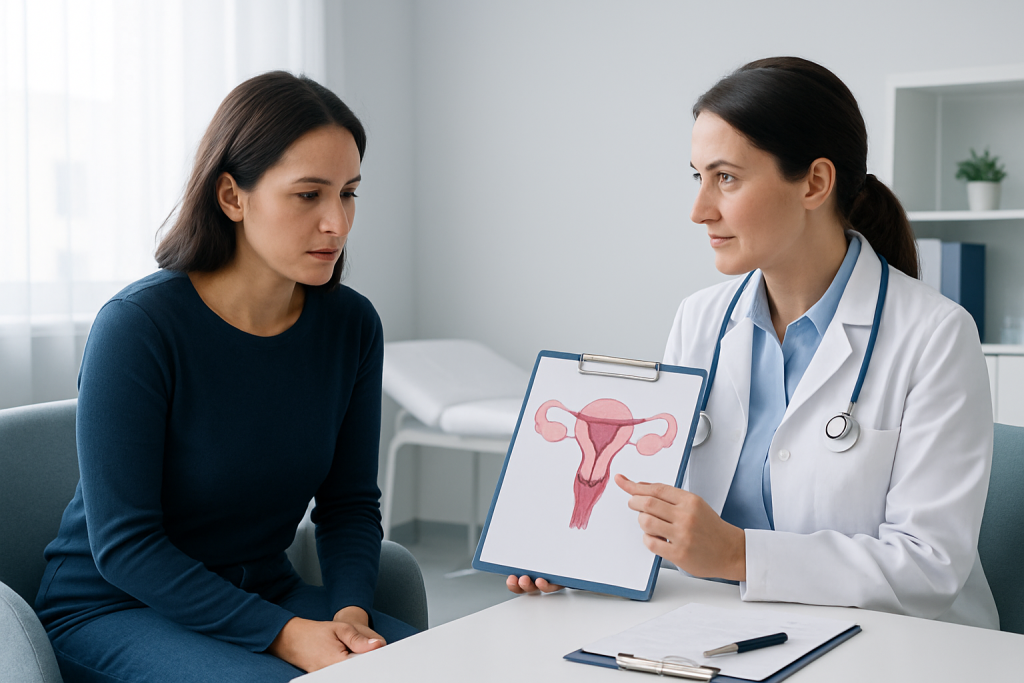
The exact cause of adenomyosis is not fully understood. One theory is that the boundary between the uterine lining and the muscle wall becomes disrupted, allowing endometrial-like tissue to extend into the muscle layer. Hormonal influences, especially estrogen, appear to play a role in how the condition behaves.
Adenomyosis is diagnosed more often in people in their 30s and 40s, although it can occur at other ages. It is also commonly seen in people who have had previous uterine surgery, such as a cesarean section or fibroid surgery, though these procedures do not automatically lead to the condition.
Some people have adenomyosis alongside endometriosis or fibroids, which can make symptoms more intense and the evaluation more complex. A doctor looks at the full picture rather than assuming one cause explains everything.
- Middle reproductive age
- Previous uterine surgery
- History of childbirth in some cases
- Coexisting endometriosis or fibroids
Diagnosis
Diagnosis begins with a careful conversation about symptoms, menstrual history, and any previous gynecologic procedures. A pelvic examination may suggest an enlarged or tender uterus, but it cannot confirm the condition on its own.
Imaging is often the next step. Transvaginal ultrasound is commonly used first because it is accessible and can show signs that point toward adenomyosis. MRI may be recommended when the picture is unclear or when doctors need a more detailed look at the uterus and nearby structures.
In many cases, the diagnosis is made based on symptoms plus imaging rather than surgery. That matters for Myomectomy Recovery for International Patients: The Usual Travel Timeline" class="ahp-ilk">international patients as well: before traveling, it is useful to share prior scans, pathology reports, and treatment history so the specialist team can compare findings and avoid repeating tests unnecessarily.
Blood tests may be ordered to check for anemia if heavy bleeding has been ongoing. If symptoms suggest another problem, doctors may broaden the evaluation to rule out fibroids, endometriosis, polyps, pregnancy-related issues, or other causes of pelvic pain.
Treatment Options
Treatment is individualized. Some people need only symptom control, while others want a plan that addresses fertility concerns, preserves the uterus, or relieves severe bleeding and pain. The best choice depends on age, symptom burden, anemia risk, and whether future pregnancy is desired.
Medication-based treatment may include anti-inflammatory medicines for cramping and hormone-based options that reduce bleeding or suppress menstruation. Hormonal approaches are often considered when symptoms are frequent or heavy enough to disrupt normal life, but the right option varies from person to person.
When symptoms are severe or other treatments do not help, procedural options may be discussed. Uterus-sparing procedures can be considered in selected cases, while hysterectomy is the most definitive treatment for people who do not wish to preserve fertility and want a permanent solution. A doctor will explain the expected benefits, limitations, and recovery time for each path.
- Pain-relief medicines for cramps
- Hormonal therapy to reduce bleeding and pain
- Treatment of anemia when present
- Uterus-sparing procedures in selected patients
- Hysterectomy for definitive treatment in appropriate cases
For patients traveling from another country, treatment planning should include timing, length of stay, and follow-up after discharge. Acibadem Health Point’s multidisciplinary specialists and JCI-accredited hospitals diagnose and treat adenomyosis for international patients, with care coordinated across imaging, gynecology, and recovery support.
Prevention & Self-care
There is no guaranteed way to prevent adenomyosis, but symptoms can often be managed more comfortably with practical self-care and regular medical review. Tracking periods, pain levels, and bleeding patterns can help identify changes early and make appointments more productive.
People with heavy bleeding may benefit from watching for signs of anemia such as tiredness, shortness of breath with activity, pale skin, or lightheadedness. Balanced nutrition, adequate fluids, and iron-rich foods can be helpful, although supplements should be used only on a clinician’s advice.
Heat packs, gentle movement, and planned rest during severe cramping may ease discomfort for some people. Just as important is making space for follow-up, since symptoms can shift over time and treatment may need adjustment.
- Keep a symptom and cycle diary
- Attend regular gynecology follow-up
- Use medicines only as advised by a doctor
- Ask about anemia screening if bleeding is heavy
- Plan recovery time if treatment or travel is involved
When to See a Doctor
Medical evaluation is a good idea when periods become noticeably heavier, longer, or more painful than usual. Persistent pelvic pain, pain with sex, or a feeling of pressure in the lower abdomen also deserves attention.
Prompt care is especially important if bleeding soaks through pads or tampons quickly, if dizziness or fainting occurs, or if fatigue begins to interfere with everyday activities. These symptoms can point to significant blood loss or another condition that needs treatment.
People who are trying to conceive and also have painful, heavy periods should mention these symptoms early. A clear diagnosis can help distinguish adenomyosis from other causes of fertility challenges and guide the next steps more effectively.
If a person is planning care while traveling, it is wise to arrange records transfer, ask what follow-up will be needed at home, and know which symptoms should trigger a return call. The more complete the plan, the easier it is to recover with confidence after treatment.
Living With Adenomyosis
Adenomyosis often becomes easier to manage once the condition is named. That diagnosis can validate symptoms that may have been dismissed as “just bad periods,” and it gives doctors a clearer starting point for treatment.
Living well with adenomyosis usually means combining medical care with realistic daily adjustments. Some people need a long-term medication plan, while others choose a procedure after discussing future pregnancy plans and expected recovery.
Questions about fertility, travel, or second opinions are normal. A thoughtful consultation can help a person understand options without pressure, compare them with personal priorities, and move forward with a plan that feels manageable.
Frequently Asked Questions
Below are answers to some common questions patients ask when adenomyosis is first suspected or confirmed.
Frequently asked questions
Is adenomyosis the same as endometriosis?
No. Both conditions involve tissue similar to the uterine lining, but they affect different parts of the body. Adenomyosis grows into the muscle wall of the uterus, while endometriosis usually grows outside the uterus. Some people have both conditions at the same time.
Can adenomyosis cause heavy bleeding?
Yes. Heavy menstrual bleeding is one of the most common symptoms. Some people also have longer periods and clots, which can lead to anemia if the bleeding continues over time.
Does adenomyosis affect fertility?
It can, but not everyone with adenomyosis has fertility problems. The impact depends on the severity of the condition and whether other factors are present. A doctor can help discuss fertility goals and the safest treatment approach.
How is adenomyosis diagnosed without surgery?
Doctors often use a combination of symptoms, pelvic examination, ultrasound, and sometimes MRI. In many cases, this information is enough to make a practical diagnosis and start treatment. Surgery is not always needed just to confirm the condition.
What treatments are usually tried first?
The first step often focuses on easing pain and reducing bleeding. This may include anti-inflammatory medicines, hormone-based options, and treatment for anemia if needed. The exact plan depends on symptom severity and reproductive goals.
When should someone seek urgent medical care?
Urgent care is appropriate if bleeding is very heavy, fainting occurs, or severe pain develops suddenly. It is also important to seek help if symptoms are causing marked weakness or shortness of breath. These signs need prompt assessment to rule out other problems.
References
- American College of Obstetricians and Gynecologists
- Mayo Clinic
- National Health Service
- World Health Organization
This article is for general information only and is not a substitute for professional medical advice. Please consult a qualified doctor about your individual situation.
Persistent digestive symptoms? Get evaluated in Turkey
JCI-accredited · board-certified surgeons · reply within 24h
Add us as a Preferred Source to see more of our trusted health content across Google Search, AI Overviews and Discover.
More from the Health Library


Related Specialists

Dr. Gamze Karababa
Gynecology & Obstetrics
Dr. Onur Özdenoğlu
Gynecology & Obstetrics
Dr. Selcen Bahadır
Gynecology & Obstetrics
Prof. Dr. A. Taner Usta
Gynecology & Obstetrics