

Can You Still Be Pregnant And Have Periods

Key Takeaways
- A true period stops during pregnancy, but vaginal bleeding can still occur for other reasons.
- Light bleeding may happen in early pregnancy and is not always a sign of a problem.
- Heavy bleeding, pain, dizziness, or one-sided pain should be assessed promptly by a doctor.
- A pregnancy test is the simplest first step if pregnancy is possible.
- Any bleeding in pregnancy deserves medical advice, especially if it is new or unusual.
Medically reviewed by the Acıbadem clinical team — August 19, 2026
A true menstrual period does not happen during pregnancy, but some people do experience bleeding that can look and feel like a period. Understanding the difference can help someone decide when to take a pregnancy test and when to seek medical care.
Overview
The short answer to the question can you still be pregnant and have periods is no: a true menstrual period does not continue once pregnancy has begun. Menstruation happens when the uterine lining sheds because pregnancy has not occurred, while pregnancy keeps that lining in place to support the developing embryo.
What often causes confusion is that vaginal bleeding can still happen during pregnancy. Some bleeding is light and brief, while other bleeding may need prompt evaluation. For someone who is unsure whether they are pregnant, the pattern, timing, and amount of bleeding can offer clues, but they are not reliable enough to replace a pregnancy test.
People who travel for care or live abroad may find this especially unsettling if bleeding starts before a planned trip, during transit, or while they are away from their regular doctor. A calm, step-by-step approach helps: confirm pregnancy when possible, monitor symptoms, and seek medical review if the bleeding is heavier than expected or accompanied by pain.
Symptoms
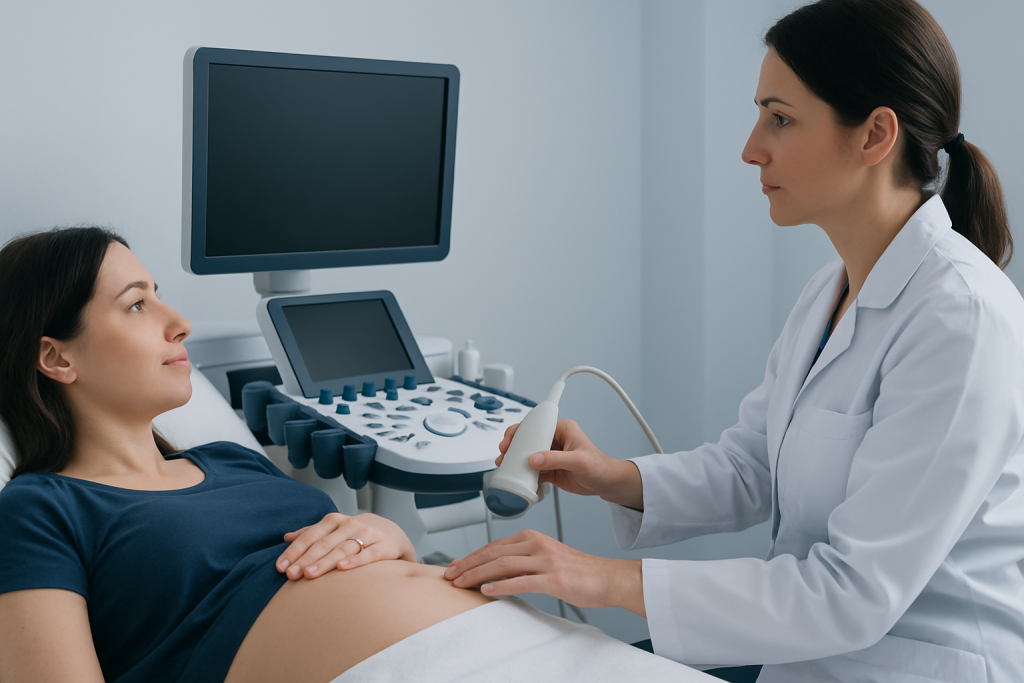
Bleeding in early pregnancy can be mistaken for a period because it may occur around the time a menstrual cycle is expected. However, pregnancy-related bleeding often looks different from a typical period. It may be lighter, shorter, brownish or pink rather than bright red, and it may not follow the usual monthly pattern.
Common early pregnancy symptoms may also appear at the same time as bleeding. These can include breast tenderness, nausea, fatigue, frequent urination, bloating, and a missed period. Some people notice only a few of these signs, while others have none at all.
Bleeding that is more concerning may come with other symptoms such as:
- Cramping that is strong or worsening
- One-sided pelvic pain
- Passing clots or tissue
- Dizziness or fainting
- Shoulder pain
These symptoms do not always mean something serious, but they should not be ignored. They may point to a condition that needs medical evaluation, including ectopic pregnancy or miscarriage.
Causes & Risk Factors

There are several reasons why someone might bleed in early pregnancy. One common explanation is implantation bleeding, which can happen when a fertilized egg attaches to the uterine lining. This is usually light and short-lived, and it does not occur in everyone.
Other possible causes include hormonal changes, irritation of the cervix after sex or an examination, and changes in the uterine lining. In some cases, bleeding may be linked to a miscarriage, an ectopic pregnancy, or a less common problem with the placenta later in pregnancy. Because the cause cannot be confirmed by appearance alone, medical assessment matters.
Risk factors for pregnancy-related bleeding can include a history of miscarriage, previous ectopic pregnancy, pelvic infection, fertility treatment, smoking, and certain uterine or cervical conditions. Even so, bleeding can occur in people with no obvious risk factors. That is why any unexplained bleeding deserves attention rather than assumptions.
Diagnosis
When a person asks whether they could still be pregnant despite what seems like a period, diagnosis usually starts with a pregnancy test. Home urine tests are often the first step, especially if a period is late or bleeding is unusual. If the result is unclear, a clinician may recommend a blood test, which can detect pregnancy earlier and measure hormone levels more precisely.
A doctor will usually ask about the timing of the last menstrual period, the amount and color of bleeding, pain, sexual activity, contraception use, and any pregnancy symptoms. A pelvic examination may be considered if needed, but it is not always required. Depending on the situation, an ultrasound may be used to confirm the location and progress of the pregnancy.
For people who are abroad or planning to travel, it can help to bring note of dates, symptoms, and any test results to the appointment. If care is being arranged in another country, clear communication about prior pregnancy history, medications, and allergies supports safer evaluation and follow-up.
Treatment Options
Treatment depends entirely on the cause of the bleeding. If the bleeding is due to early pregnancy changes and the pregnancy is otherwise healthy, a doctor may recommend observation and follow-up rather than immediate treatment. If there is an infection, hormonal issue, or cervical irritation, management will be based on that specific finding.
When bleeding is related to miscarriage or ectopic pregnancy, care needs to be guided by a clinician without delay. These situations may require medication, procedures, or close monitoring, depending on the diagnosis and how stable the person is. The most important goal is to confirm what is happening before making decisions based on guesswork.
Supportive care may also include rest, symptom monitoring, and instructions on when to return for urgent review. For Myomectomy Recovery for International Patients: The Usual Travel Timeline" class="ahp-ilk">international patients, coordinated follow-up is especially important if treatment begins during travel or if they need to continue care after returning home. Multidisciplinary specialists and JCI-accredited hospitals, such as those at Acibadem Health Point, can help diagnose and treat this condition for international patients.
Prevention & Self-care
Because bleeding in pregnancy can have different causes, it is not always preventable. Still, a few practical habits can support safer pregnancy care. If pregnancy is possible, using a reliable test when a period is late or bleeding is unusual can reduce uncertainty and help someone seek care sooner if needed.
Anyone who is pregnant or might be pregnant should know which symptoms deserve prompt medical review. It is also sensible to avoid self-medicating for bleeding or pain without checking with a doctor, since some medicines are not recommended in pregnancy. If a person has a history of ectopic pregnancy or miscarriage, early contact with a clinician after a positive test may be wise.
General self-care steps can include staying hydrated, tracking bleeding on a pad rather than a tampon or menstrual cup if a doctor advises monitoring, and keeping a record of cramps, dizziness, or passing clots. For someone managing symptoms while traveling, carrying a copy of test results and emergency contact details can make it easier to obtain care if symptoms change.
When to See a Doctor
Medical advice should be sought if bleeding occurs and pregnancy is possible, even when the bleeding seems light. It is especially important to get evaluated if a home pregnancy test is positive, if the bleeding is different from a usual period, or if cycles are irregular and the timing is hard to judge.
Urgent assessment is recommended for heavy bleeding, severe abdominal or pelvic pain, fainting, shoulder pain, fever, or passage of large clots or tissue. These symptoms may indicate a condition that needs quick treatment. If there is any doubt, it is safer to contact a doctor or emergency service promptly.
For people coordinating care across borders, seeking help early can prevent delays in diagnosis and reduce the chance of travelling while symptoms are worsening. A clinician can help decide whether observation, testing, or immediate treatment is appropriate.
A clearer way to think about the question
Many people use the word “period” to describe any bleeding that happens around the expected time of menstruation. In pregnancy, however, that bleeding has a different meaning. The body is not shedding the uterine lining as it would in a menstrual cycle; instead, the bleeding has another cause that needs to be understood.
That distinction matters because it changes the next step. If pregnancy is possible, the first task is to confirm or exclude it. If pregnancy is confirmed, bleeding should be discussed with a doctor so the cause can be checked and the safest plan made.
In practical terms, the question is less about whether someone can have a true period in pregnancy and more about whether bleeding can happen during pregnancy. The answer to that is yes — and that is why timely testing and professional advice are so useful.
Frequently asked questions
Can you still be pregnant and have periods?
A true period does not happen during pregnancy because menstruation stops once pregnancy begins. However, some people do have bleeding in pregnancy that can seem similar to a period. That is why a pregnancy test is important if pregnancy is possible.
Is bleeding in early pregnancy always a miscarriage?
No, not always. Light bleeding can happen in early pregnancy for several reasons, including implantation or cervical irritation. Still, any bleeding should be discussed with a doctor so the cause can be checked.
How can someone tell the difference between a period and pregnancy bleeding?
It is not always possible to tell by appearance alone. Pregnancy-related bleeding is often lighter, shorter, or different in color, but there is overlap. A pregnancy test and, if needed, a doctor’s evaluation are the most reliable ways to know.
When should a pregnancy test be taken if bleeding starts?
If pregnancy is possible, a test can be taken as soon as the period is late or bleeding seems unusual. If the result is negative but pregnancy is still suspected, testing again in a few days or asking a doctor about a blood test can help.
Can cramps happen with pregnancy bleeding?
Yes, mild cramping can happen in early pregnancy, but strong or worsening pain needs medical attention. One-sided pain, dizziness, or shoulder pain are especially important to report promptly.
Is it safe to travel if there is bleeding in pregnancy?
That depends on the cause and how severe the symptoms are. Light spotting may only need monitoring, but heavy bleeding or pain should be checked before travel. If travel is unavoidable, it is best to speak with a doctor first and know where to get care along the way.
References
- American College of Obstetricians and Gynecologists
- NHS
- Mayo Clinic
- World Health Organization
This article is for general information only and is not a substitute for professional medical advice. Please consult a qualified doctor about your individual situation.
Explore treatments in Turkey — costs, top hospitals & a free quote
JCI-accredited · board-certified surgeons · reply within 24h
Add us as a Preferred Source to see more of our trusted health content across Google Search, AI Overviews and Discover.
More from the Health Library



Related Specialists

Dr. Gamze Karababa
Gynecology & Obstetrics
Dr. Onur Özdenoğlu
Gynecology & Obstetrics
Dr. Selcen Bahadır
Gynecology & Obstetrics
Prof. Dr. A. Taner Usta
Gynecology & Obstetrics