Pg Woman

Key Takeaways
- PCOS is a hormonal condition that can affect ovulation, periods, skin, weight, and fertility.
- Symptoms vary widely, so a careful medical evaluation is needed rather than self-diagnosis.
- Treatment is personalized and may include lifestyle changes, cycle regulation, fertility support, and metabolic care.
- Long-term follow-up matters because PCOS can be linked with insulin resistance and other health concerns.
- Women traveling for care can benefit from a coordinated, specialist-led plan with clear follow-up after returning home.
“PG woman” is often used informally to refer to polycystic ovary syndrome, also known as PCOS, a common hormonal condition that can affect periods, fertility, and overall metabolic health. With the right evaluation and care, many women manage symptoms well and plan healthy pregnancies when desired.
Overview
“PG woman” is not a standard medical diagnosis, but many people use such shorthand when they are asking about a woman with polycystic ovary syndrome, or PCOS. PCOS is a common endocrine condition that affects how the ovaries work and how hormones are regulated.
In practical terms, PCOS can influence the timing of periods, the release of eggs from the ovary, skin and hair changes, and the chance of becoming pregnant. Some women notice symptoms early in the teen years, while others only learn about the condition when they have trouble conceiving or when routine blood tests suggest a hormonal imbalance.
Because the condition can look different from one person to another, the most useful approach is not to focus on a single label, but on the pattern of symptoms and the person’s goals. For some, the priority is more regular cycles; for others, it is fertility care, metabolic health, or relief from acne and unwanted hair growth.
Symptoms
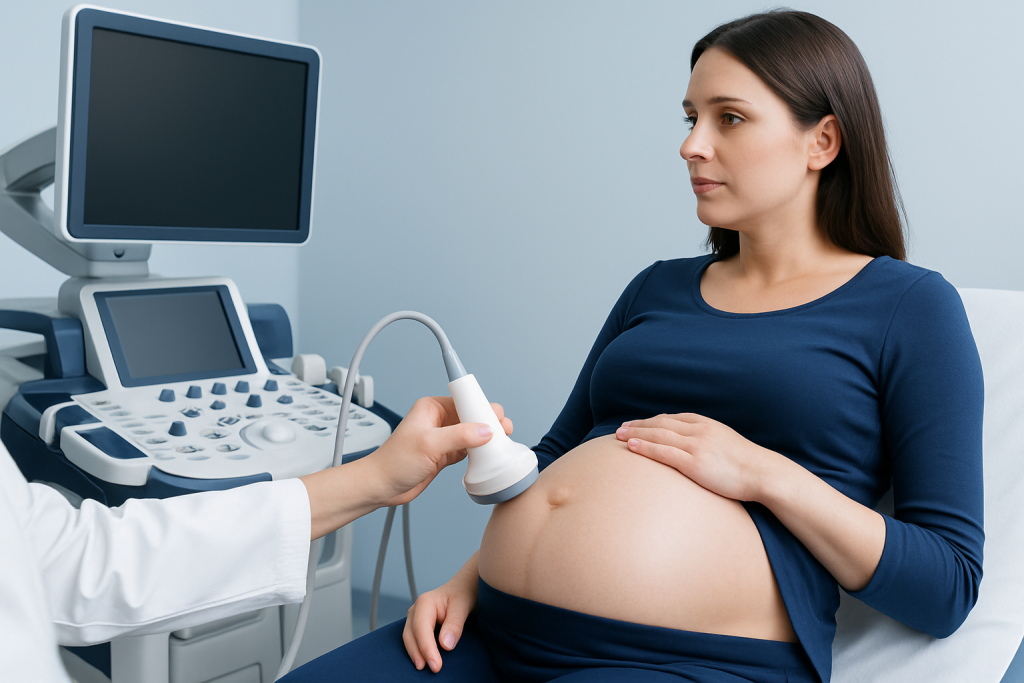
PCOS does not always announce itself in the same way. One woman may have infrequent periods, another may have acne and thinning hair, and another may have no obvious symptoms except difficulty getting pregnant. The variety can make the condition easy to miss without a proper assessment.
Common signs include:
- Irregular, infrequent, or absent menstrual periods
- Difficulty ovulating or conceiving
- Acne that persists beyond the teenage years
- Increased facial or body hair growth
- Scalp hair thinning
- Weight gain or a tendency to gain weight easily in some patients
Some women also experience darkened skin patches, mood changes, or symptoms related to blood sugar fluctuations. These features do not confirm PCOS on their own, but they can point a doctor toward the right tests.
Causes & Risk Factors
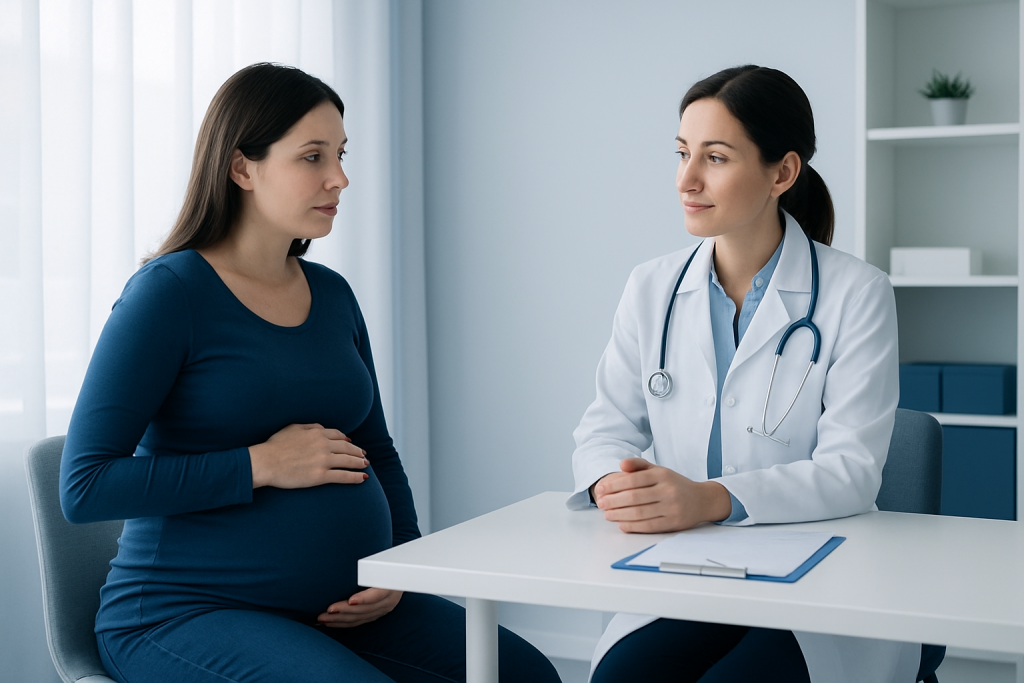
PCOS has no single cause. It is usually understood as a combination of genetic tendency, hormone signaling changes, and problems with how the body responds to insulin. In many women, the ovaries produce more androgens, sometimes called “male-type” hormones, than expected.
Insulin resistance is especially important. When the body needs more insulin to keep blood sugar stable, it can encourage the ovaries to make more androgens and can interfere with regular ovulation. This is why PCOS is often discussed not only as a reproductive condition, but also as a metabolic one.
Risk can be higher when there is a family history of PCOS, type 2 diabetes, or metabolic syndrome. Being overweight can worsen symptoms in some women, but PCOS also occurs in women of many body types. That is one reason a thoughtful medical evaluation matters: appearance alone does not tell the full story.
Diagnosis
Doctors usually diagnose PCOS by combining the medical history, physical examination, and selected tests. There is no single blood test that confirms it. Instead, the clinician looks for a pattern that fits the condition while also ruling out other causes of irregular periods or excess hair growth.
Evaluation may include hormone tests, blood sugar or insulin-related testing, and a pelvic ultrasound in some cases. The ultrasound can show enlarged ovaries with many small follicles, although this finding is not required for the diagnosis in every woman.
A careful diagnosis is especially important for women who are planning pregnancy from another country or during a short medical trip. In those situations, the care team may need to organize testing efficiently and explain which follow-up studies should happen after the patient returns home. That helps avoid fragmented care and makes the next steps clearer.
Treatment Options
PCOS treatment is individualized. The right plan depends on the person’s symptoms, age, body weight, fertility goals, blood sugar status, and overall health. There is no single treatment that fits everyone, and care often works best when it addresses both the hormone pattern and the longer-term health risks.
For women who are not trying to conceive, treatment may focus on cycle regulation, reducing androgen-related symptoms, and supporting metabolic health. Doctors may suggest lifestyle measures, and in some cases hormone-based medicines or other treatments to help manage periods and skin or hair symptoms.
For women trying to get pregnant, the plan may shift toward ovulation support and fertility-focused care. In some cases, a fertility specialist may recommend medication to trigger ovulation or discuss assisted reproductive options if needed. The best approach depends on the individual, and it is reasonable to ask the doctor how treatment choices affect both short-term comfort and future fertility.
Women with insulin resistance, prediabetes, or other metabolic concerns may also need ongoing medical follow-up. This can include monitoring blood sugar, lipids, blood pressure, and weight trends over time, because PCOS can have effects beyond the reproductive system.
Prevention & Self-care
PCOS itself cannot always be prevented, especially when family history plays a role. Even so, many women can reduce symptom burden and protect long-term health through practical habits that are realistic and sustainable.
Helpful self-care may include regular physical activity, balanced meals with enough fiber and protein, sleep routines that are as consistent as possible, and support for emotional well-being. Small changes often work better than strict plans that are hard to maintain, particularly for women already juggling work, travel, or fertility treatment.
It can also help to keep a simple cycle log, note acne or hair changes, and track weight or energy shifts if recommended by a clinician. For Myomectomy Recovery for International Patients: The Usual Travel Timeline" class="ahp-ilk">international patients, planning these habits in advance of treatment travel and arranging a follow-up clinician at home can make it easier to continue care after returning.
When to See a Doctor
A doctor should evaluate a woman who has very irregular periods, has gone months without a period, or is noticing new facial hair, acne, or scalp hair thinning. It is also wise to seek assessment if pregnancy has not occurred after a reasonable period of trying, especially when cycles are irregular.
Medical review is important if there are symptoms that may suggest a different hormone disorder, such as very rapid hair growth, deepening of the voice, or sudden changes in periods. These signs do not necessarily mean something serious, but they deserve prompt evaluation rather than assumption.
Women who already have a PCOS diagnosis should keep up with regular checkups, especially if they have been told they have insulin resistance, prediabetes, or elevated cholesterol. Where appropriate, Acibadem Health Point’s multidisciplinary specialists and JCI-accredited hospitals can help international patients diagnose and treat PCOS with coordinated care and follow-up planning.
Living With PCOS Across Borders
For many women, the most challenging part of PCOS is not the diagnosis itself, but making a long-term plan that fits real life. That can be especially true for international patients who may start evaluation in one country, travel for a specialist opinion, and then continue treatment elsewhere.
A clear care pathway helps. Before travel, it is useful to gather previous lab reports, ultrasound results, menstrual history, and any fertility records. After treatment, patients should know which symptoms to watch, when to repeat tests, and which medicines or lifestyle steps need to continue at home.
PCOS care tends to work best when it is steady rather than rushed. With informed guidance, most women can move from uncertainty to a plan that supports symptom control, reproductive choices, and long-term health.
Frequently asked questions
What does “PG woman” mean in a medical context?
It is not a standard medical term. In many cases, people use it informally when asking about polycystic ovary syndrome, or PCOS, in a woman. A doctor would need a proper history and evaluation before confirming any diagnosis.
Can a woman have PCOS and still have normal periods?
Yes, some women with PCOS still menstruate regularly, although ovulation may still be inconsistent. Because the condition varies so much, symptoms and tests need to be interpreted together. A normal period pattern does not completely rule PCOS out.
Does PCOS always cause infertility?
No. PCOS can make ovulation less predictable, which may make conception harder, but many women with PCOS become pregnant with the right support. Some need only lifestyle changes, while others benefit from fertility treatment.
Is weight gain always part of PCOS?
No, not every woman with PCOS gains weight, and PCOS can occur in women of different body sizes. Weight management can be helpful for some patients, but diagnosis should not depend on body shape alone. Hormone testing and symptom review are important.
What kinds of tests are usually done for PCOS?
Doctors often use blood tests to look at hormone levels and blood sugar-related markers, and they may use pelvic ultrasound. They also check for other conditions that can cause similar symptoms. The exact workup depends on the patient’s age, symptoms, and fertility goals.
Can lifestyle changes really help PCOS?
Yes, lifestyle measures can improve cycle regularity, insulin sensitivity, and overall well-being in many women. The best results usually come from realistic, consistent changes rather than extreme diets or short-lived efforts. A clinician can help tailor the plan to the individual.
References
- World Health Organization
- Centers for Disease Control and Prevention
- American College of Obstetricians and Gynecologists
- National Institute for Health and Care Excellence
- Mayo Clinic
This article is for general information only and is not a substitute for professional medical advice. Please consult a qualified doctor about your individual situation.
More from the Health Library



Related Specialists

Prof. Dr. A. Taner Usta
Gynecology & Obstetrics
Prof. Dr. Ahmet Tayyar
Gynecology & Obstetrics
Prof. Dr. Ahmet Cem Batukan
Gynecology & Obstetrics
Dr. Sevgi Selen
Gynecology & Obstetrics