

Endometriosis Symptoms, Causes and Treatment
Key Takeaways
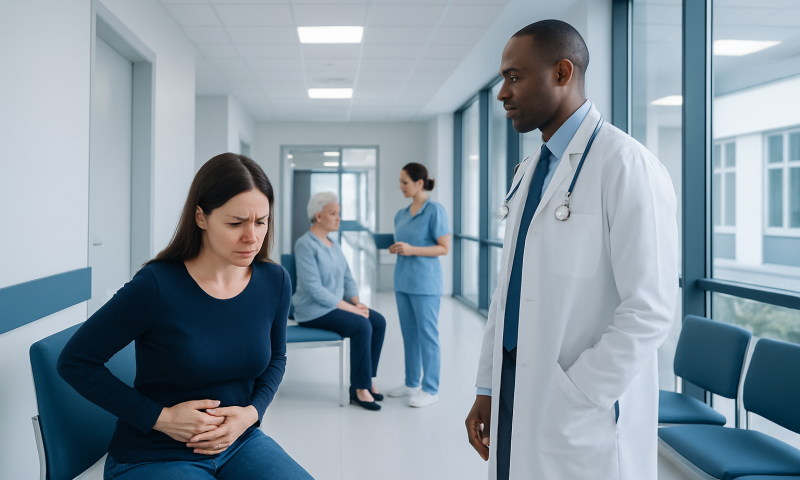
- Painful periods are common, but endometriosis pain may be severe, persistent, or start before bleeding begins.
- Symptoms can also include pain with sex, bowel movements, urination, bloating, fatigue, and fertility problems.
- The severity of symptoms does not always match the amount of disease seen on imaging or surgery.
- Diagnosis usually combines medical history, pelvic examination, imaging, and sometimes laparoscopy.
- Treatment may include pain relief, hormonal therapy, surgery, and lifestyle strategies tailored to the person’s goals.
Medically reviewed by the Acıbadem clinical team — August 19, 2026
Endometriosis symptoms can look different from person to person, which is one reason the condition is often recognized late. Understanding the pattern of pain, menstrual changes, and related bowel or bladder symptoms can help someone seek the right care sooner.
Overview
Endometriosis is a condition in which tissue similar to the lining of the uterus grows outside the uterus. Because this tissue responds to hormonal changes across the menstrual cycle, it can irritate nearby organs and cause inflammation, scarring, and pain. The result is often a pattern of symptoms that affects monthly life, intimacy, digestion, energy, and sometimes fertility.
The experience of endometriosis is highly individual. One person may notice only increasingly difficult periods, while another may have pelvic pain throughout the month or symptoms that seem to involve the bowel or bladder. Some people with significant disease have few symptoms, and others with milder disease feel substantial discomfort. That mismatch can make the condition confusing and easy to overlook.
For people deciding whether to seek care, the key question is not whether pain is “normal,” but whether symptoms are persistent, disruptive, or changing over time. When symptoms begin interfering with school, work, travel plans, exercise, or relationships, a medical evaluation is appropriate.
Symptoms
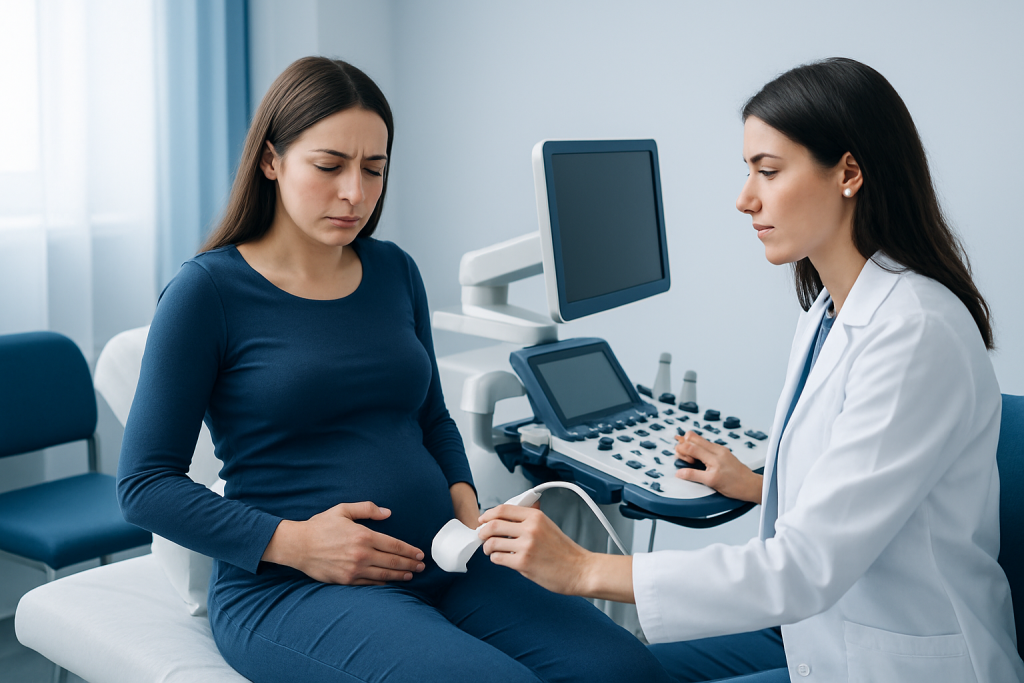
Pelvic pain is the most recognized symptom of endometriosis, but the condition can announce itself in several different ways. Painful periods, medically called dysmenorrhea, are often more intense than typical menstrual cramps and may begin before bleeding starts, continue through the period, or linger afterward.
Other common symptoms include pain during or after sexual intercourse, pain with bowel movements or urination, and chronic lower abdominal or pelvic discomfort. Some people describe bloating, nausea, diarrhea, constipation, or a sense of pelvic pressure that tends to worsen around menstruation. Fatigue is also common and may be linked to pain, poor sleep, heavy bleeding, or the body’s ongoing inflammatory response.
Endometriosis can also affect reproductive health. For some, the first clue is difficulty becoming pregnant. While infertility has many possible causes, endometriosis is an important one to consider when conception is delayed or cycles are otherwise symptomatic.
- Severe menstrual cramps
- Heavy or irregular menstrual bleeding
- Pain during sex
- Pain with bowel movements or urination, especially during periods
- Bloating, constipation, or diarrhea that flares with the cycle
- Chronic pelvic pain or lower back pain
- Fatigue and reduced daily stamina
Symptoms may cluster, but they do not always appear together. Because endometriosis can resemble other gynecologic, bowel, or urinary conditions, a careful history is often more revealing than any single symptom alone.
Causes & Risk Factors
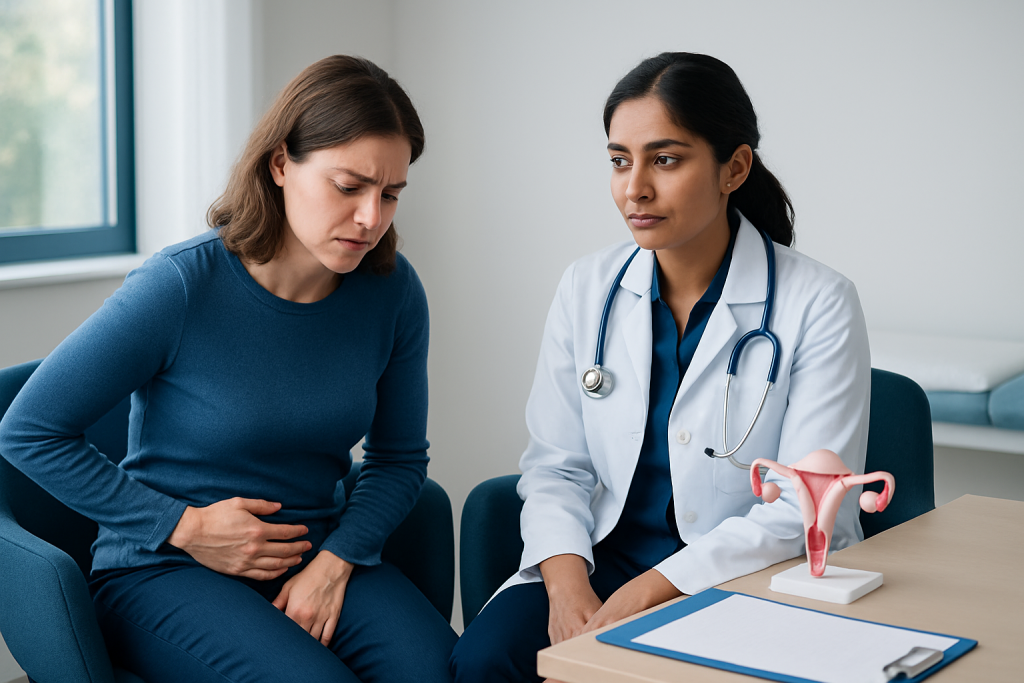
The exact cause of endometriosis is not fully understood. Researchers believe several factors may contribute, including retrograde menstruation, immune system differences, genetic tendency, and changes in how cells grow and respond to hormones. The condition is not caused by lifestyle choices, and it is not contagious.
Hormones play a major role. Endometriosis tissue generally responds to estrogen, which helps explain why symptoms are often linked to the menstrual cycle. The repeated monthly irritation can lead to inflammation and, over time, scar tissue or adhesions that may make pain more persistent.
Certain factors are associated with a higher likelihood of endometriosis, though having one of them does not mean the condition will develop. These include a family history of endometriosis, early onset of periods, short menstrual cycles, and longer or heavier periods. Some people also notice symptoms after previous pelvic surgery, although many cases occur without any obvious risk factor.
Diagnosis
Diagnosis begins with a conversation that pays close attention to symptom patterns. A clinician may ask when the pain started, how it changes during the cycle, whether it affects bowel or bladder function, and whether it interferes with daily activities or fertility. Clear details about timing are especially useful, because endometriosis often follows a menstrual rhythm that is easy to miss at first.
A pelvic examination may identify tenderness or signs of possible pelvic nodules, though a normal exam does not rule out endometriosis. Imaging, most commonly pelvic ultrasound and sometimes MRI, can help evaluate cysts or other pelvic conditions, but imaging may not detect all forms of endometriosis. For that reason, a person can still have endometriosis even if scans look unremarkable.
In some cases, laparoscopy is used to confirm the diagnosis and, when appropriate, treat visible endometriosis at the same time. This minimally invasive surgical approach allows direct visualization of pelvic structures. The choice to proceed depends on symptom burden, response to treatment, fertility goals, and the overall clinical picture.
Treatment Options
Treatment is usually designed around the person’s main symptoms and life plans. For some, the immediate goal is reducing pain enough to work, travel, or sleep comfortably. For others, preserving or improving fertility is central. A thoughtful care plan often combines symptom relief with longer-term disease management.
Pain relief may involve anti-inflammatory medicines or other nonhormonal options recommended by a clinician. Hormonal treatments are often used to reduce or suppress the menstrual cycle, which can lessen the stimulation of endometriosis tissue. Depending on the case, this may include combined hormonal methods, progestin-based therapy, or other medicines that target hormone signaling. Not every treatment suits every person, and side effects, personal preferences, and future pregnancy plans matter.
Surgery may be considered when symptoms remain significant, when endometriosis affects organs, or when fertility treatment requires a clearer view of the pelvis. Surgical options aim to remove or destroy endometriosis lesions and release adhesions when feasible. In complex cases, care from gynecologists, pain specialists, fertility experts, and sometimes bowel or urinary specialists can be helpful, especially when a patient is coordinating treatment from another country and needs a clear follow-up plan before traveling home.
For Myomectomy Recovery for International Patients: The Usual Travel Timeline" class="ahp-ilk">international patients, it is often useful to ask for a written treatment summary, recovery timeline, and follow-up instructions before leaving the treating center. This helps continuity of care with local doctors after travel and supports safer decision-making around pain control, wound care, and fertility planning.
Prevention & Self-care
A medical evaluation is appropriate when periods are consistently painful, pain is getting worse, or symptoms interfere with work, school, intimacy, exercise, or travel. It is also wise to seek care if pelvic pain is not limited to menstruation, if bowel or bladder symptoms repeatedly follow the cycle, or if heavy bleeding leaves a person unusually tired or lightheaded.
Anyone trying to conceive who also has painful periods, pelvic pain, or a known family history of endometriosis should mention this early in the consultation. Fertility can be affected in more than one way, and an earlier conversation may help shorten the path to appropriate testing and treatment.
Urgent care is not usually needed for ordinary endometriosis symptoms, but sudden severe pain, fainting, fever, or heavy bleeding that soaks through protection quickly should be assessed promptly because these symptoms may point to another problem.
At Acibadem Health Point, multidisciplinary specialists and JCI-accredited hospitals support diagnosis and treatment for international patients who need coordinated endometriosis care. The most important step, however, remains a timely evaluation with a qualified clinician who can match treatment to symptoms, fertility goals, and overall health.
Frequently asked questions
Are painful periods always a sign of endometriosis?
No. Period pain is common and can happen for several reasons, including primary dysmenorrhea and other gynecologic conditions. Endometriosis becomes more likely when pain is severe, progressive, linked to bowel or bladder symptoms, or not well controlled with usual measures.
Can someone have endometriosis without pain?
Yes. Some people have few symptoms and learn about endometriosis during fertility evaluation or surgery for another reason. The condition can still be present even when pain is mild or absent.
Why do endometriosis symptoms often change during the month?
Endometriosis tissue responds to hormonal changes, so symptoms often flare around menstruation. This cyclic pattern is one of the clues doctors use when evaluating pelvic pain.
Does the amount of pain show how severe endometriosis is?
Not necessarily. Symptom severity does not always match what is seen on imaging or even during surgery. A person with limited visible disease can still have significant pain, while another with more extensive disease may have fewer symptoms.
Can endometriosis affect bowel or bladder habits?
Yes. It can cause pain with bowel movements or urination, especially during periods, and may also contribute to bloating, constipation, or diarrhea. Because these symptoms overlap with other conditions, medical assessment is important.
What should someone prepare before traveling for endometriosis care abroad?
It helps to bring prior test results, a list of symptoms and medications, and a plan for local follow-up after returning home. Asking for a clear recovery timeline and written instructions before travel can make the transition safer and less stressful.
References
- World Health Organization
- American College of Obstetricians and Gynecologists
- National Institute for Health and Care Excellence
- Mayo Clinic
- Office on Women's Health
This article is for general information only and is not a substitute for professional medical advice. Please consult a qualified doctor about your individual situation.
Persistent digestive symptoms? Get evaluated in Turkey
JCI-accredited · board-certified surgeons · reply within 24h
Add us as a Preferred Source to see more of our trusted health content across Google Search, AI Overviews and Discover.
More from the Health Library

Related Specialists

Dr. Gamze Karababa
Gynecology & Obstetrics
Dr. Onur Özdenoğlu
Gynecology & Obstetrics
Dr. Selcen Bahadır
Gynecology & Obstetrics
Prof. Dr. A. Taner Usta
Gynecology & Obstetrics