Transvaginal Ultrasound

Key Takeaways
- It provides detailed images of pelvic organs using a small ultrasound probe placed in the vagina.
- The test is commonly used to assess pain, bleeding, cysts, fibroids, fertility issues, and early pregnancy concerns.
- Most people tolerate the exam well, and it usually takes only a short time.
- Preparation is often simple, though instructions may vary depending on the reason for the scan.
- Results help a doctor decide whether further testing, treatment, or follow-up is needed.
Transvaginal ultrasound is a common imaging test that gives a close view of the uterus, ovaries, fallopian tubes, and surrounding pelvic structures. It is often used to evaluate symptoms such as pelvic pain, abnormal bleeding, or fertility concerns in a safe, noninvasive way.
Overview
A transvaginal ultrasound is an imaging test that helps clinicians see the pelvic organs more clearly than many external scans can. A slender ultrasound probe, covered for hygiene and comfort, is gently placed in the vagina so sound waves can create real-time images of the uterus, ovaries, cervix, and nearby structures.
Because the probe sits closer to the organs being examined, the images are often more detailed. That can be especially helpful when a doctor is looking for a cause of pelvic pain, irregular bleeding, infertility, or a suspected Cyst Surgery" class="ahp-ilk">ovarian cyst. It may also be used in early pregnancy when a closer view of the uterus is important.
For many Myomectomy Recovery for International Patients: The Usual Travel Timeline" class="ahp-ilk">international patients, this test is part of a larger diagnostic pathway rather than a stand-alone event. It may be scheduled before travel for convenience, or performed after arrival as part of a gynecologic evaluation, with the goal of giving a clearer picture before any treatment plan is discussed.
Symptoms and Reasons It May Be Recommended
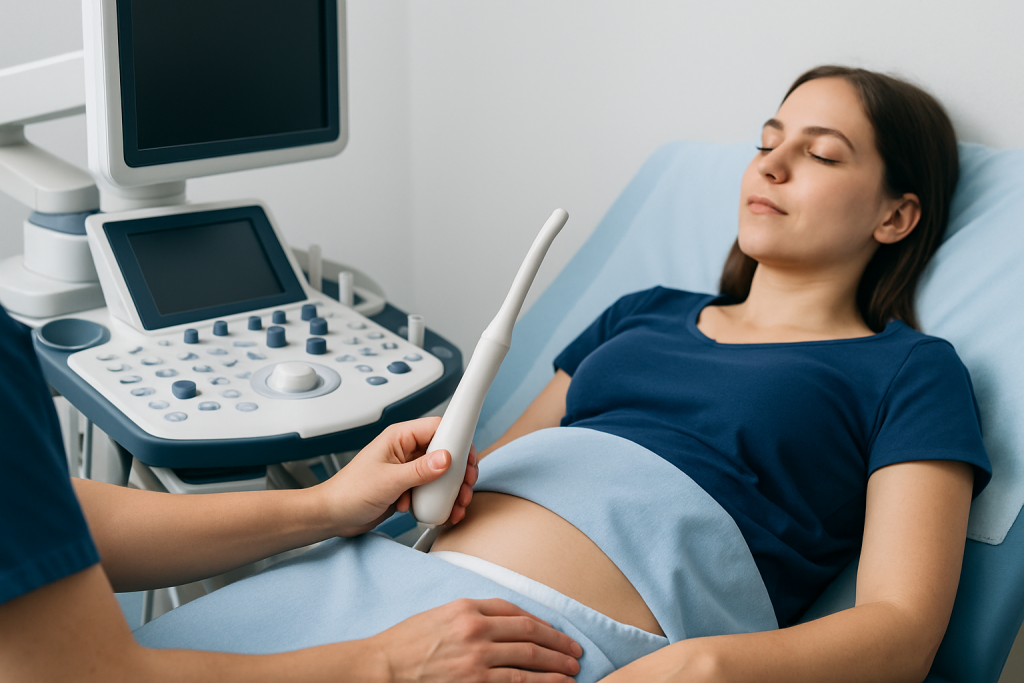
A transvaginal ultrasound is not a treatment; it is a way to understand what may be happening inside the pelvis. Doctors commonly recommend it when someone has symptoms that need a closer look, especially if the pelvic exam or external ultrasound does not provide enough information.
Common reasons include:
- Pelvic or lower abdominal pain
- Abnormal, heavy, or irregular menstrual bleeding
- Suspected ovarian cysts or fibroids
- Evaluation of infertility or ovulation concerns
- Monitoring of early pregnancy
- Checking the lining of the uterus or investigating bleeding after menopause
Sometimes the test is ordered even when symptoms are subtle. For example, a clinician may want to confirm whether a cyst is simple or complex, measure the thickness of the uterine lining, or see whether a structural issue could be affecting fertility. The scan helps narrow down possibilities so the next step is more precise.
Causes & Risk Factors

There are many conditions that may lead a doctor to request a transvaginal ultrasound, but the scan itself does not identify one single disease. Instead, it helps detect patterns that can point toward certain gynecologic or reproductive conditions.
Findings that may be investigated with this test include ovarian cysts, endometriosis-related changes, uterine fibroids, polyps, pelvic inflammatory disease, and changes in the uterine lining. In fertility care, it may help assess follicle development, uterine shape, or the presence of structural barriers to conception.
Risk factors depend on the underlying issue rather than the ultrasound. A person with heavy periods, a history of pelvic infection, a known fibroid, prior infertility workup, or unexplained pelvic pain may be more likely to be offered the exam. The test is chosen because it can provide useful detail when symptoms or history suggest a pelvic cause.
Diagnosis: What the Ultrasound Can Show
During the exam, the sonographer or doctor looks at the shape, size, and texture of pelvic organs. They may measure the uterus and ovaries, assess the endometrial lining, and check for cysts, masses, fluid, or other structural findings. Because the images are live, the operator can examine specific areas from different angles as needed.
Transvaginal ultrasound can help clarify whether a cyst appears simple and fluid-filled or whether it has features that require closer follow-up. It can also help detect fibroids in or on the uterus, signs of endometrial thickening, and some causes of bleeding or pelvic discomfort. In early pregnancy, it may confirm the location of the pregnancy and help estimate gestational age.
It is important to remember that imaging results are interpreted together with symptoms, physical findings, and sometimes blood tests or additional imaging. A scan may show a normal pelvis even when symptoms continue, or it may reveal a finding that needs only monitoring rather than immediate treatment. The meaning of the images depends on the full clinical picture.
Treatment Options After the Scan
The ultrasound itself does not require treatment, but the findings may guide next steps. Some people need no intervention at all and are simply advised to repeat imaging later to make sure a cyst or lining change resolves as expected. Others may need medication, hormonal treatment, or a procedure depending on the underlying diagnosis.
Examples of possible follow-up include observation for small simple cysts, treatment for infection, hormone-based care for certain bleeding patterns, or referral for fibroid management. If the scan suggests a concern that is not fully explained, a doctor may recommend more tests such as blood work, a repeat ultrasound, MRI, or in some cases hysteroscopy or biopsy.
For patients traveling for care, the ultrasound often becomes part of a coordinated plan. That may include same-visit consultation, review of results, and discussion of whether treatment should begin during the trip or be arranged with follow-up in the patient’s home country. A clear report and a practical handoff matter as much as the scan itself.
Preparation, Prevention & Self-care
Preparation for a transvaginal ultrasound is usually straightforward. Patients are often asked to empty their bladder before the exam, because a full bladder is not typically needed for this type of imaging. Wearing comfortable clothing can make the visit easier, and it may help to mention any allergies, pregnancy status, prior surgery, or concerns about discomfort beforehand.
Although there is no way to “prevent” the need for a transvaginal ultrasound, general pelvic health measures can reduce the chance that symptoms become severe before evaluation. Keeping routine gynecologic appointments, seeking care for unusual bleeding or persistent pain, and following up on recurrent infections or fertility concerns can help problems be identified earlier.
After the exam, most people can return to normal activities right away. If a small amount of spotting occurs, it usually settles quickly. If the test was done because of a longer-running issue, keeping a symptom diary may help the doctor connect scan results with cycle patterns, pain timing, or bleeding changes.
When to See a Doctor
A transvaginal ultrasound is often ordered when a doctor needs more detail, but some symptoms should prompt medical review even before an exam is scheduled. Persistent pelvic pain, heavy or prolonged bleeding, bleeding after menopause, pain during sex, or trouble becoming pregnant are all reasonable reasons to seek evaluation.
Urgent assessment is important if symptoms are severe, such as sudden intense pelvic pain, fainting, fever with pelvic pain, or heavy bleeding that soaks through pads rapidly. These symptoms do not always point to a serious problem, but they deserve prompt medical attention so the cause can be identified safely.
For people arranging care from abroad, it can be helpful to bring prior reports, hormone results, surgery notes, and previous ultrasound images if available. Acibadem Health Point supports international patients through multidisciplinary specialists and JCI-accredited hospitals that diagnose and treat this condition as part of coordinated women’s health care.
Frequently asked questions
Is a transvaginal ultrasound painful?
Most people describe it as mildly uncomfortable rather than painful. The probe is small, and the exam is usually brief, but letting the clinician know about tenderness or anxiety can help them proceed more gently.
Do I need a full bladder for this test?
Usually, no. Unlike some external pelvic ultrasounds, a transvaginal ultrasound is often done with an empty bladder, but patients should follow the instructions given by the clinic because preparation can vary.
Can it detect ovarian cysts or fibroids?
Yes, it can help identify ovarian cysts and fibroids and show their size and appearance. The doctor then decides whether the finding needs monitoring, more testing, or treatment.
Is the test safe during early pregnancy?
It is commonly used in early pregnancy when a close view of the uterus is needed. The test uses sound waves, not radiation, but it should only be done when a clinician recommends it for a specific reason.
How long does the exam take?
The scan itself is usually short, often only a few minutes, though the whole visit may take longer with registration and discussion of results. The timing depends on what the clinician needs to evaluate.
Will I get the results right away?
In many settings, the images are reviewed soon after the exam, and a preliminary impression may be available the same day. In other cases, the final report is discussed later after the clinician has reviewed it in the context of symptoms and medical history.
References
- American College of Obstetricians and Gynecologists
- Radiological Society of North America
- NHS
- Mayo Clinic
- World Health Organization
This article is for general information only and is not a substitute for professional medical advice. Please consult a qualified doctor about your individual situation.
More from the Health Library



Related Specialists

Prof. Dr. A. Taner Usta
Gynecology & Obstetrics
Prof. Dr. Ahmet Tayyar
Gynecology & Obstetrics
Prof. Dr. Ahmet Cem Batukan
Gynecology & Obstetrics
Dr. Sevgi Selen
Gynecology & Obstetrics