

Can You Be Pregnant And Still Have A Cycle

Key Takeaways
- A true menstrual period does not occur during pregnancy because the uterine lining is no longer shed in the usual way.
- Light spotting or bleeding can happen in early pregnancy and may be caused by implantation, cervical changes, or other pregnancy-related issues.
- Not all bleeding is harmless; heavier bleeding, pain, or dizziness should be assessed promptly by a clinician.
- A home pregnancy test and, when needed, ultrasound and blood tests can help clarify what is happening.
- People traveling for care can benefit from timely evaluation, especially if they are away from their usual doctor or need follow-up after returning home.
Medically reviewed by the Acıbadem clinical team — August 19, 2026
Bleeding in early pregnancy can be confusing, especially when it looks like a normal cycle. In most cases, true menstrual periods do not continue during pregnancy, but several kinds of bleeding can happen and deserve attention.
Overview
It is a common question: can someone be pregnant and still have a cycle? The short answer is that a true menstrual period does not continue once pregnancy has started. Menstruation happens when the lining of the uterus is shed because pregnancy has not occurred. In pregnancy, that lining is maintained to support the developing embryo.
What often causes confusion is bleeding that looks period-like. Some people have light bleeding, spotting, or even heavier bleeding in early pregnancy, and it may arrive around the time they expected a period. Because bleeding patterns can vary widely, it is not possible to confirm or rule out pregnancy based on bleeding alone.
For people who are trying to understand symptoms before traveling for care, or who are already abroad and notice unexpected bleeding, the key is to look at the whole picture: timing, amount, color, pain, and any associated symptoms. A clinician can help determine whether the bleeding is likely benign or whether it needs prompt evaluation.
Symptoms
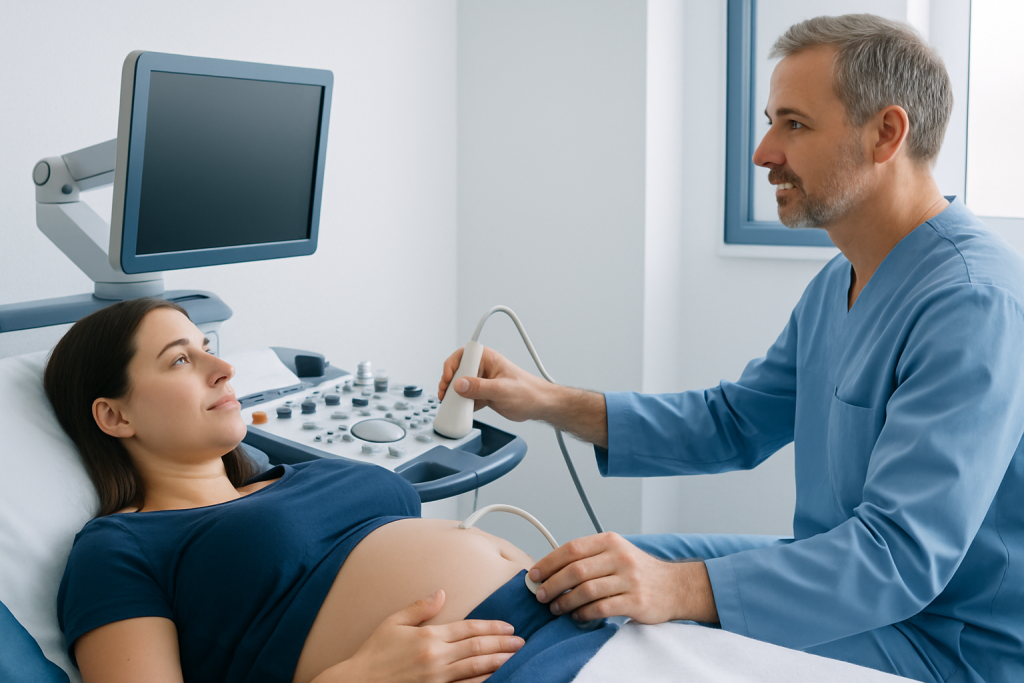
Pregnancy-related bleeding does not always look the same. Some people notice a few drops of pink or brown blood when wiping. Others describe a flow that seems similar to a light period. The difference between spotting and a true menstrual cycle can be difficult to judge without testing.
Bleeding in early pregnancy may occur with no other symptoms, but it can also be accompanied by cramping, breast tenderness, nausea, fatigue, or a missed period. These symptoms can overlap with premenstrual changes, which is why pregnancy can be overlooked when someone assumes they are simply having a late or unusual cycle.
- Light spotting or brown discharge
- Bleeding after sexual intercourse or a pelvic exam
- Cramping that feels mild or brief
- A missed or unusually short period
- Pregnancy symptoms such as nausea, breast tenderness, or fatigue
More concerning symptoms include soaking through pads, passing clots, severe abdominal pain, shoulder pain, fainting, or feeling weak and lightheaded. Those symptoms need medical review because they may signal a problem that should not be watched at home for long.
Causes & Risk Factors
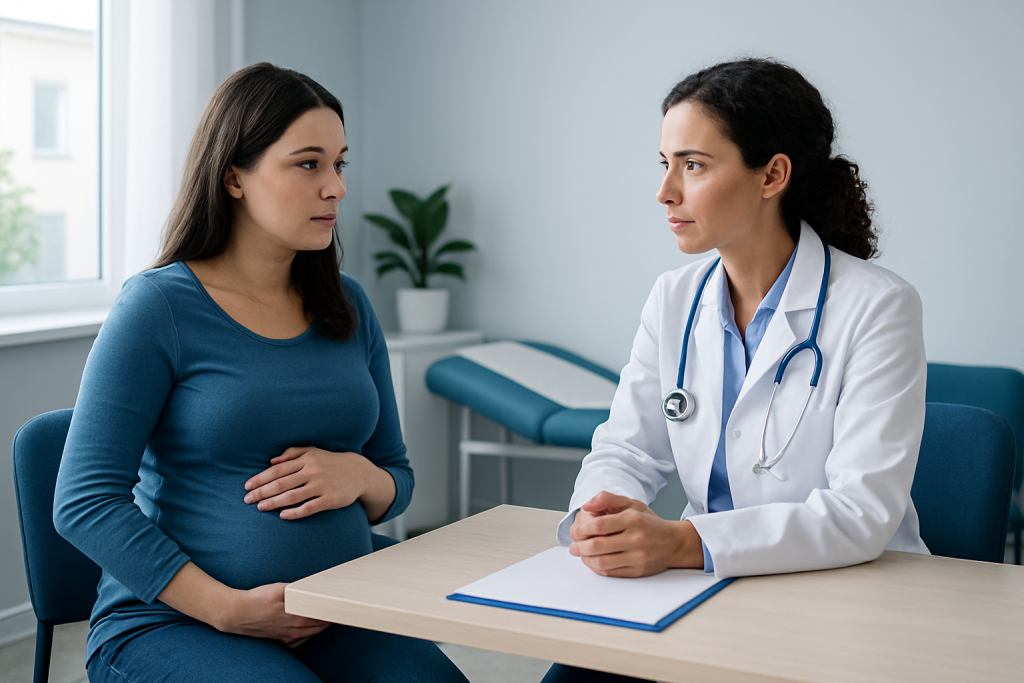
Several different processes can cause bleeding during pregnancy. Implantation bleeding may happen when a fertilized egg attaches to the uterine lining, often around the time a period would be expected. Cervical tissue can also bleed more easily in pregnancy because it becomes more sensitive and has a richer blood supply.
Not all causes are harmless. Bleeding can also be seen with miscarriage, ectopic pregnancy, placental problems later in pregnancy, infection, or changes in the cervix. A healthcare professional considers the timing of bleeding, the amount, and any pain or other symptoms to narrow down the cause.
Certain factors may make pregnancy bleeding more likely or more important to evaluate, including a history of miscarriage, prior ectopic pregnancy, fertility treatment, pelvic infection, smoking, or known uterine or cervical conditions. Even without these factors, any unexplained bleeding in pregnancy should be taken seriously enough to discuss with a doctor.
Diagnosis
When pregnancy and bleeding overlap, diagnosis usually starts with a detailed history. The clinician may ask when the last normal period occurred, whether the bleeding is light or heavy, whether there is pain, and whether a home pregnancy test has been done. This information often gives the first clues.
A pregnancy test is usually the next step. If pregnancy is confirmed and the situation is unclear, blood tests may be used to measure hormone levels over time. Ultrasound is often important because it can show whether the pregnancy is developing in the uterus and whether the bleeding has an identifiable source.
For Myomectomy Recovery for International Patients: The Usual Travel Timeline" class="ahp-ilk">international patients, this is one of the situations where getting care promptly can be practical as well as reassuring. A clear diagnosis helps guide whether observation, repeat testing, or treatment is appropriate, and it can also make travel planning safer if follow-up will need to happen in another country.
Treatment Options
Treatment depends entirely on the cause. If the bleeding is light and the pregnancy is otherwise stable, the doctor may recommend observation and follow-up. In some cases, no treatment is needed beyond monitoring symptoms and returning if the bleeding changes.
When bleeding is related to a miscarriage, ectopic pregnancy, infection, or another medical issue, management is based on the specific diagnosis and how stable the person is. Options may include medications, procedures, or close observation. The goal is always to protect the person’s health and, when possible, the pregnancy.
Because the right approach can change quickly, self-diagnosing from bleeding color or timing is not reliable. A clinician can explain which findings are expected in pregnancy and which findings point toward urgent care. If someone is abroad or planning travel, a documented diagnosis and treatment plan are especially helpful for continuity of care.
Prevention & Self-care
There is no way to prevent every cause of pregnancy bleeding, but some practical steps can reduce uncertainty and support safe care. Anyone who might be pregnant and notices unusual bleeding should take a pregnancy test rather than assuming it is a late period. If the test is positive, medical advice should follow, especially if the bleeding continues.
Until evaluated, it is sensible to monitor the bleeding carefully: note the amount, color, clots, cramps, and any dizziness or pain. Using pads rather than tampons can make it easier to track bleeding and can reduce the chance of irritation. Resting, staying hydrated, and avoiding strenuous activity may also be reasonable until a clinician advises otherwise.
People managing care while traveling may want to save test results, ultrasound reports, and medication lists in a phone or cloud file. That makes it easier for another clinician to review the situation if follow-up care happens away from home. A calm, organized record can be especially useful when a pregnancy is being monitored across borders.
When to See a Doctor
Any bleeding in a confirmed or possible pregnancy deserves a conversation with a healthcare professional, especially if it is new, persistent, or different from usual spotting. It is reasonable to contact a doctor the same day if the person is unsure whether they are pregnant and the bleeding is more than a few drops.
Urgent medical care is important if there is heavy bleeding, severe pain, one-sided pain, fainting, shoulder pain, or signs of shock such as extreme weakness or pallor. These symptoms can indicate a condition that needs prompt treatment. Even if the bleeding stops, evaluation may still be needed to understand what happened.
If someone is traveling internationally, it is better to seek care sooner rather than later when bleeding is accompanied by pain or a positive pregnancy test. Acibadem Health Point’s multidisciplinary specialists and JCI-accredited hospitals diagnose and treat this condition for international patients, helping them navigate care with clear communication and coordinated follow-up.
What To Expect After Evaluation
After assessment, the doctor may recommend watchful waiting, repeat pregnancy testing, or follow-up ultrasound. If the bleeding is judged to be from a benign cause, reassurance and monitoring may be all that is needed. If the cause is more serious, treatment and follow-up will be explained in a stepwise way.
For many people, the hardest part is uncertainty. Knowing whether the bleeding is coming from a normal early-pregnancy change or from a condition that needs treatment can reduce stress and make next steps clearer. When follow-up has to happen after a flight home or while continuing a trip, a written plan can make care easier to continue.
It is also worth remembering that a single episode of bleeding does not always predict the outcome of the pregnancy. A clinician can put the symptoms into context and advise on warning signs to watch for in the days ahead.
Frequently asked questions
Can you have a real period while pregnant?
A true menstrual period does not happen during pregnancy because the uterine lining is not shed in the usual menstrual cycle. However, some people do experience bleeding or spotting that may look like a period. That is why a pregnancy test is important when pregnancy is possible.
Is spotting in early pregnancy normal?
Light spotting can happen in early pregnancy and is sometimes harmless. Still, it should not be ignored if it becomes heavier, lasts longer, or comes with pain. A healthcare professional can help decide whether it needs evaluation.
How can someone tell the difference between a period and pregnancy bleeding?
It is often difficult to tell based on appearance alone. Pregnancy bleeding may be lighter, shorter, or brownish, but that is not always the case. Timing, symptoms, and a pregnancy test provide more reliable information.
When should bleeding in pregnancy be treated as urgent?
Urgent care is needed for heavy bleeding, severe abdominal pain, shoulder pain, fainting, or strong dizziness. These symptoms can point to a problem that should be assessed promptly. If in doubt, it is safer to seek medical advice sooner.
Can pregnancy bleeding happen around the time a period is due?
Yes, some bleeding in early pregnancy can happen around the expected time of a period, which is why it is sometimes mistaken for one. This does not mean it is a normal period. Testing and medical review help clarify the cause.
What should someone do if they are traveling and start bleeding during possible pregnancy?
They should arrange medical assessment as soon as practical, especially if the bleeding is more than spotting or there is pain. Keeping test results and any medical records accessible can help the next clinician respond quickly. If symptoms are severe, urgent local care is the safest choice.
References
- World Health Organization
- American College of Obstetricians and Gynecologists
- NHS
- Mayo Clinic
- Merck Manual Consumer Version
This article is for general information only and is not a substitute for professional medical advice. Please consult a qualified doctor about your individual situation.
Explore treatments in Turkey — costs, top hospitals & a free quote
JCI-accredited · board-certified surgeons · reply within 24h
Add us as a Preferred Source to see more of our trusted health content across Google Search, AI Overviews and Discover.
More from the Health Library



Related Specialists

Dr. Gamze Karababa
Gynecology & Obstetrics
Dr. Onur Özdenoğlu
Gynecology & Obstetrics
Dr. Selcen Bahadır
Gynecology & Obstetrics
Prof. Dr. A. Taner Usta
Gynecology & Obstetrics