Why Am I So Bloated I Look Pregnant

Key Takeaways
- Bloating that makes the abdomen look distended is often caused by trapped gas, constipation, food intolerance, or fluid retention.
- Symptoms that come and go after meals or around a menstrual cycle are often less urgent, but persistent or worsening swelling deserves attention.
- New bloating with pain, vomiting, weight loss, bowel changes, fever, or a hard abdomen should be assessed by a doctor.
- Diagnosis may involve a history, physical exam, blood tests, stool tests, imaging, or digestive testing depending on the suspected cause.
- Diet adjustments, hydration, movement, and treating the underlying condition can often improve bloating safely.
- Traveling for care may involve planning for follow-up after returning home, especially if tests or specialist review are needed.
Feeling so bloated that the abdomen looks noticeably enlarged can be uncomfortable and worrying, but it is often linked to digestion, food intolerance, constipation, or hormonal changes. A careful look at symptoms, triggers, and warning signs can help determine whether home care is enough or medical evaluation is needed.
Overview
When bloating becomes so noticeable that the abdomen appears round, tight, or unexpectedly enlarged, it can feel more than a routine digestive nuisance. Many people describe the experience as “looking pregnant,” even when the cause is something temporary such as gas, constipation, or a meal that did not agree with them.
Bloating is a symptom, not a diagnosis. It may reflect extra gas in the intestines, slower movement of stool, sensitivity to certain foods, hormonal shifts, or fluid buildup in the abdomen. Less commonly, it can be linked to conditions that need medical treatment, which is why the pattern of symptoms matters as much as the swelling itself.
For people arranging care from another country, the first step is often deciding whether the issue seems routine or whether it deserves a focused medical evaluation. A gastroenterologist can help sort out the most likely cause and recommend the next steps based on how long the bloating has been present, what worsens it, and what other symptoms are happening at the same time.
Symptoms
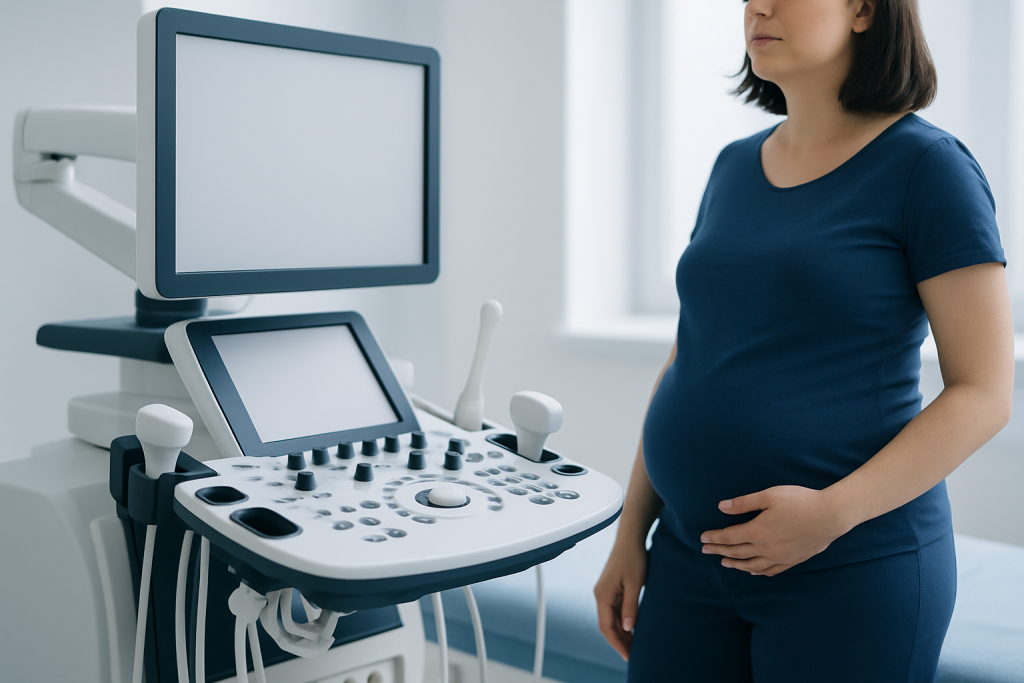
Bloating can feel different from person to person. Some notice pressure, fullness, or tightness in the belly after eating, while others see a clear change in abdominal shape even without much discomfort. The abdomen may feel stretched, gurgly, or sensitive to touch.
Common features include:
- Visible abdominal swelling, especially later in the day
- Burping, passing gas, or a sense of trapped air
- Constipation or fewer bowel movements than usual
- Cramping, heaviness, or discomfort after meals
- Temporary relief after passing stool or gas
Some symptoms suggest a broader problem than simple bloating. Unintentional weight loss, vomiting, blood in the stool, ongoing diarrhea, fever, shortness of breath, or abdominal swelling that does not improve should not be ignored. The same is true if the abdomen becomes very firm or pain is severe.
Causes & Risk Factors
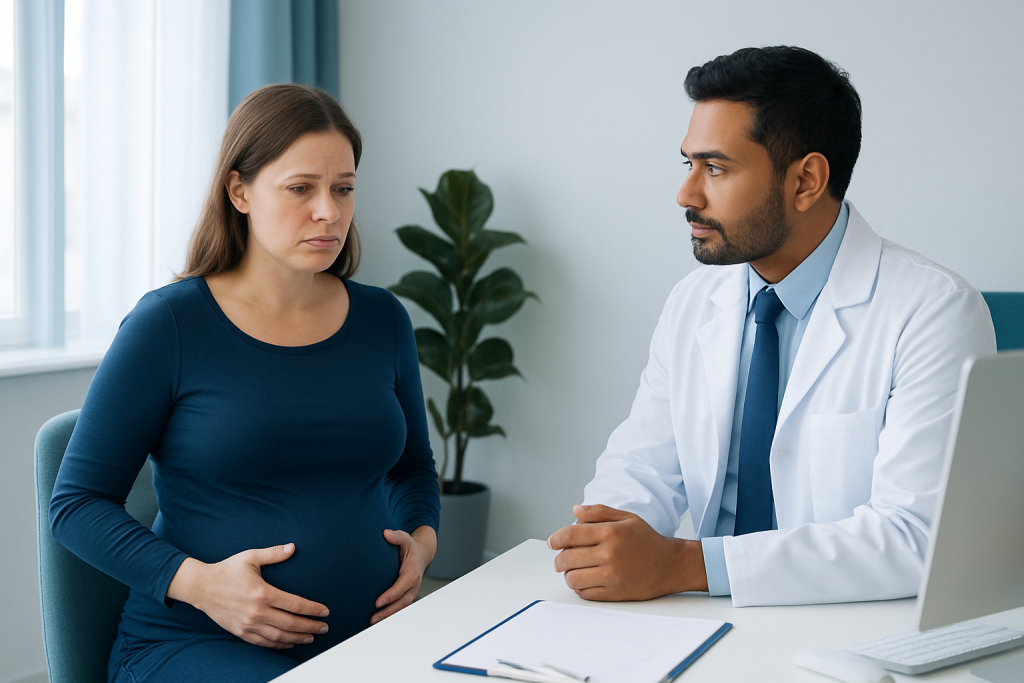
There are many reasons someone might feel markedly bloated. A very common cause is excess gas from swallowing air, eating quickly, carbonated drinks, or digestion of certain foods. Beans, some vegetables, dairy products, and high-FODMAP foods can trigger symptoms in sensitive people.
Constipation is another frequent reason the abdomen looks distended. When stool moves slowly through the intestines, gas and stool can build up, making the belly feel full and enlarged. Irritable bowel syndrome, food intolerance, celiac disease, and other digestive disorders may also play a role.
Hormonal changes can influence bloating, particularly around menstruation. In some cases, fluid retention, ovarian conditions, liver disease, inflammatory bowel disease, intestinal obstruction, or abdominal masses can contribute. Risk is higher when there is a personal history of digestive disorders, recent diet changes, reduced activity, stress, or a family history of gastrointestinal disease.
Diagnosis
Diagnosis begins with a careful conversation about timing, triggers, bowel habits, diet, menstrual patterns, medications, and any other symptoms. A doctor may ask whether the bloating is constant or comes and goes, whether it is linked to meals, and whether it improves after bowel movements.
A physical examination can help identify tenderness, gas distension, fluid in the abdomen, or signs that point to constipation or another digestive issue. Depending on the picture, testing may include blood work, stool studies, pregnancy testing when appropriate, celiac screening, ultrasound, or CT imaging. In some cases, the doctor may recommend breath tests or endoscopy to look more closely at the digestive tract.
The goal is not to test for everything at once, but to match the evaluation to the symptoms. For international patients, this often means planning tests efficiently during one visit and arranging follow-up once a clear care plan has been made.
Treatment Options
Treatment depends on the cause, so the most helpful approach is to address the factor behind the bloating rather than only chasing the swelling itself. For gas-related bloating, simple changes such as eating more slowly, avoiding carbonated drinks, and identifying trigger foods may help. For constipation, restoring regular bowel movements often makes the abdomen feel noticeably less distended.
If a food intolerance, celiac disease, irritable bowel syndrome, or another digestive condition is found, treatment may involve dietary changes, symptom-directed medicines, or long-term management under a specialist’s guidance. When hormones, fluid retention, or another non-digestive cause is involved, treatment is directed at that underlying condition instead.
It is best not to start restrictive diets or supplements without a clear reason. A doctor or dietitian can help avoid unnecessary food limits, especially for patients traveling for care who may need a practical plan they can continue safely after returning home.
Prevention & Self-care
Daily habits can make a real difference, especially when bloating tends to flare after meals or during times of stress. Smaller meals, slower eating, adequate water intake, and regular movement can help digestion work more smoothly. Gentle walking after meals is often more helpful than lying down right away.
Keeping a symptom diary can reveal patterns that are easy to miss. Recording foods, bowel habits, menstrual timing, stress, and the time of day bloating appears can help a doctor identify triggers. Some people also benefit from reviewing high-gas foods, lactose exposure, artificial sweeteners, or very salty meals.
Helpful self-care habits may include:
- Eat slowly and avoid swallowing excess air
- Stay active, even with light daily movement
- Address constipation early rather than waiting it out
- Limit carbonated drinks if they worsen symptoms
- Track repeated bloating episodes and related foods
If a person is recovering after treatment or surgery abroad, it is important to follow the discharge plan closely and clarify which symptoms require local medical review at home.
When to See a Doctor
Medical evaluation is wise if bloating is persistent, keeps returning, or is noticeably different from a person’s usual pattern. It is especially important when the abdomen remains enlarged despite changes in diet, bowel habits, or activity.
Prompt assessment is recommended if bloating comes with severe pain, vomiting, fever, blood in the stool, black stools, unexplained weight loss, trouble breathing, a hard abdomen, or a sudden inability to pass stool or gas. These signs can point to a condition that should not be managed with home care alone.
If someone is traveling for treatment, a gastroenterology team can help determine whether the problem is simple enough for outpatient care or whether additional testing is needed before returning home. Acibadem Health Point’s multidisciplinary specialists and JCI-accredited hospitals diagnose and treat digestive conditions for international patients with coordinated care and follow-up planning.
Frequently asked questions
Why do I look pregnant when I am just bloated?
The abdomen can look enlarged when gas, stool, or fluid builds up in the digestive system. This distension may create a rounded appearance even if there is no pregnancy. If the swelling is persistent or new, a doctor can help identify the cause.
Is bloating after eating always a sign of a problem?
Not always. Many people bloat after large meals, fast eating, carbonated drinks, or certain trigger foods. If it happens often or is getting worse, it is worth discussing with a clinician.
Can constipation make my stomach look very swollen?
Yes, constipation can cause the intestines to become backed up with stool and gas, which may make the belly look noticeably distended. Treating constipation often improves the bloating. If constipation is severe or sudden, medical evaluation is important.
What foods commonly cause bloating?
Common triggers include carbonated drinks, beans, some vegetables, lactose-containing foods for people who are sensitive, and foods high in certain fermentable carbohydrates. Triggers vary, so a food diary can be helpful. A dietitian may also guide a safer elimination plan if needed.
When should bloating be checked by a doctor?
It should be checked if it is persistent, painful, or associated with vomiting, fever, weight loss, blood in the stool, or a hard abdomen. Sudden bloating that does not improve should also be assessed. These symptoms can signal a problem that needs medical attention.
Can stress cause bloating?
Stress can affect digestion and bowel habits, which may contribute to bloating or make symptoms feel worse. Managing stress is often helpful, but ongoing swelling still deserves a medical review if it is frequent or severe. Stress alone should not be assumed to be the only cause.
References
- National Institute of Diabetes and Digestive and Kidney Diseases
- American College of Gastroenterology
- Mayo Clinic
- Cleveland Clinic
- World Gastroenterology Organisation
This article is for general information only and is not a substitute for professional medical advice. Please consult a qualified doctor about your individual situation.
Persistent digestive symptoms? Get evaluated in Turkey
JCI-accredited · board-certified surgeons · reply within 24h
Add us as a Preferred Source to see more of our trusted health content across Google Search, AI Overviews and Discover.