Colorectal Polyp

Key Takeaways
- Many colorectal polyps cause no symptoms and are found during screening tests.
- Some polyps can develop into colorectal cancer if they are not removed.
- Colonoscopy is the main test used to detect and remove polyps.
- Age, family history, and certain inherited conditions can increase risk.
- Regular screening and follow-up are the most effective ways to reduce complications.
Colorectal polyps are growths that form on the inner lining of the colon or rectum. Most are noncancerous, but some can change over time, which is why finding and removing them early matters.
Overview
A colorectal polyp is a small growth that develops on the lining of the colon or rectum. Some are flat, while others sit on a stalk, and they may vary widely in size and cell type. Many are harmless, but certain types can gradually become cancerous over time.
Because polyps often do not announce themselves with clear symptoms, they are commonly discovered during routine screening rather than because a person feels unwell. That is one reason screening plays such a central role in colorectal health: it can identify growths before they create problems.
For people planning care from another country, this condition is often straightforward to assess. A specialist can review symptoms, family history, prior test results, and whether a colonoscopy or another evaluation is the most sensible next step.
Symptoms
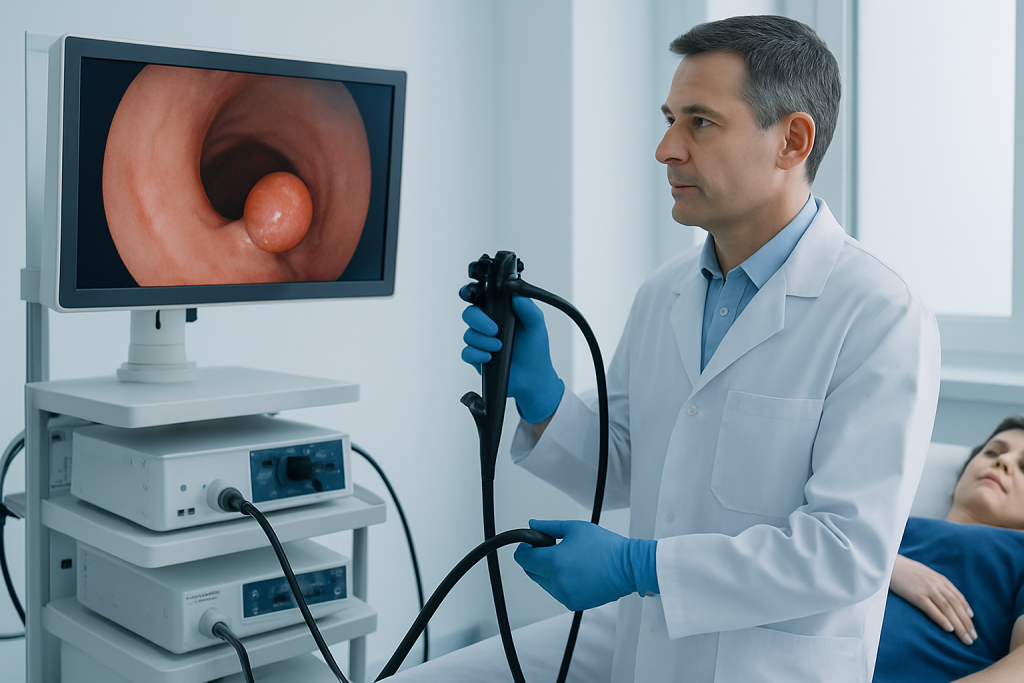
Most colorectal polyps do not cause any symptoms, especially when they are small. When symptoms do appear, they are often subtle and easy to mistake for other digestive issues.
Possible signs may include:
- Blood in the stool or on toilet tissue
- Changes in bowel habits, such as constipation or diarrhea lasting longer than expected
- Abdominal discomfort or cramping
- Rectal bleeding
- Iron-deficiency anemia in some cases, which may cause tiredness or weakness
These symptoms do not always mean a polyp is present, and many other conditions can cause similar complaints. Still, any persistent change in bowel pattern or unexplained bleeding deserves medical attention.
Causes & Risk Factors
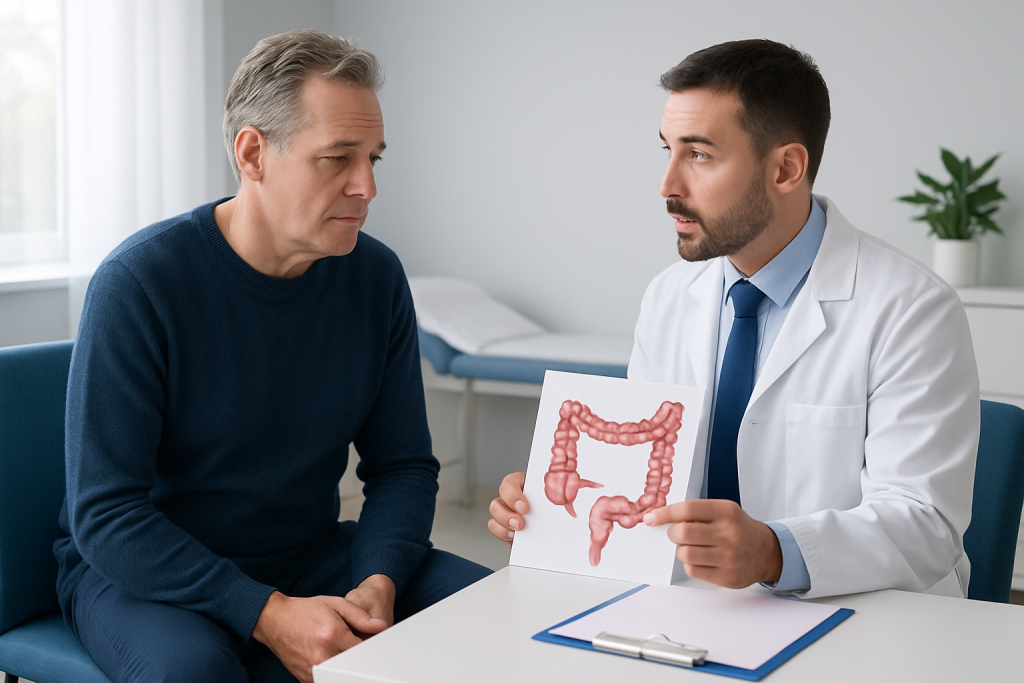
Doctors do not always know why a particular polyp forms. In general, polyps develop when cells in the colon or rectum grow in an unusual pattern and accumulate into a visible lesion.
Several factors can make polyps more likely:
- Increasing age, especially after midlife
- Family history of colorectal polyps or colorectal cancer
- Personal history of polyps
- Inflammatory bowel disease, such as ulcerative colitis or Crohn’s disease
- Inherited syndromes, including familial adenomatous polyposis and Lynch syndrome
- Smoking, excess alcohol intake, obesity, and low physical activity
Diet and lifestyle can influence risk, but they do not fully explain why polyps develop. A person with a healthy lifestyle can still have polyps, which is why screening remains important even when someone feels well.
Diagnosis
Colorectal polyps are most often detected during a colonoscopy, a procedure that lets a doctor examine the inside of the colon and rectum directly. If a polyp is found, it can often be removed at the same time and sent to a laboratory for analysis.
Other tests may be used before or instead of colonoscopy in certain situations, including stool-based screening tests, flexible sigmoidoscopy, or imaging studies. The choice depends on age, risk level, symptoms, and prior screening history.
Pathology results are important because they help determine the type of polyp and whether follow-up should be sooner or later. This is especially useful for international patients, since a clear report can guide care once they return home and continue surveillance with a local physician.
Treatment Options
Not every polyp needs the same approach, but removal is common because it prevents future problems and provides a tissue sample for diagnosis. During colonoscopy, many polyps can be removed with a wire loop, forceps, or other endoscopic tools.
When a polyp is large, flat, difficult to reach, or suspicious in appearance, the doctor may recommend a more advanced endoscopic technique or surgery. The exact plan depends on the size, location, appearance, and pathology findings.
After removal, follow-up timing is based on the number of polyps, their type, and whether any features suggest a higher risk of recurrence. For patients traveling for treatment, the specialist should ideally provide written instructions that can be shared with the next doctor, including when the next colonoscopy is due.
Prevention & Self-care
No strategy can guarantee that colorectal polyps will never develop, but several habits support colon health and lower overall risk. Practical steps often include staying physically active, eating a balanced diet rich in fiber, limiting smoking and alcohol, and maintaining a healthy body weight.
Screening is just as important as lifestyle care. People with average risk may begin screening at a recommended age, while those with a family history or other risk factors may need to start earlier or be checked more often.
After a polyp is removed, self-care usually focuses on following the doctor’s instructions, watching for post-procedure symptoms, and keeping the follow-up schedule. Mild bloating or gas after colonoscopy can occur, but worsening pain, heavy bleeding, or fever should always be discussed promptly.
When to See a Doctor
A medical evaluation is advisable if there is rectal bleeding, blood mixed with stool, persistent change in bowel habits, unexplained anemia, or ongoing abdominal discomfort. Even when symptoms are mild, it is better to have them assessed than to guess at the cause.
People with a family history of colorectal cancer, a personal history of polyps, or inflammatory bowel disease should ask a doctor about the most appropriate screening plan. That conversation can shape the timing of colonoscopy and help prevent avoidable delays.
For international patients who need a clear diagnostic path, Acibadem Health Point’s multidisciplinary specialists and JCI-accredited hospitals diagnose and treat colorectal polyps for international patients in a coordinated setting, with attention to follow-up planning after travel.
Frequently asked questions
Are colorectal polyps the same as colorectal cancer?
No. Polyps are growths on the lining of the colon or rectum, and most are not cancer. Some types can become cancer over time, which is why detection and removal are important.
Can a person have colorectal polyps without symptoms?
Yes. Many people with polyps feel completely well and never notice a problem. That is one reason screening is so valuable.
How are colorectal polyps usually found?
They are most often found during colonoscopy, which allows the doctor to see the colon directly and remove suspicious growths. In some settings, stool tests or other exams may be used first.
Do all colorectal polyps need surgery?
No. Many polyps can be removed during colonoscopy without surgery. Surgery is usually reserved for polyps that are too large, hard to reach, or concerning for cancer.
If a polyp is removed, can another one still develop later?
Yes. Removing one polyp does not prevent all future polyps. Follow-up screening helps catch new growths early if they appear.
What should a traveler do after polyp removal abroad?
It helps to leave with a written pathology report, procedure summary, and a clear follow-up plan. Those documents make it easier for a local doctor at home to continue care without gaps.
References
- American Cancer Society
- American College of Gastroenterology
- National Cancer Institute
- World Gastroenterology Organisation
- Mayo Clinic
This article is for general information only and is not a substitute for professional medical advice. Please consult a qualified doctor about your individual situation.