What Are The First Signs Of A Bad Gallbladder

Key Takeaways
- Early gallbladder symptoms may be vague and can resemble indigestion or bloating.
- Pain in the upper right abdomen, especially after fatty meals, is a common warning sign.
- Gallstones are a frequent cause of gallbladder symptoms, but inflammation and bile duct problems can also occur.
- Diagnosis often includes a medical history, physical examination, blood tests, and imaging such as ultrasound.
- Persistent pain, fever, yellowing of the skin, or vomiting needs prompt medical assessment.
Gallbladder problems often begin with subtle digestive discomfort before becoming more recognizable pain in the upper right abdomen or after meals. Understanding the early signs can help a person seek timely medical evaluation and avoid complications.
Overview
The gallbladder is a small, pear-shaped organ that stores bile, a fluid that helps digest fat. When it is not working well, the early clues are often easy to overlook because they can look like ordinary stomach upset. Some people notice a feeling of fullness after eating, while others first experience a sharp or cramping pain that seems to come and go.
For many patients, the question is not whether the gallbladder can cause pain, but how to tell that the discomfort is more than a passing digestive issue. The first signs of a bad gallbladder often appear after meals, especially richer or fried foods, and may be centered in the upper right abdomen. In some cases, the pain can spread to the back or right shoulder.
Because symptoms may be intermittent at first, people sometimes delay care or try to manage the problem with diet changes alone. That may bring temporary relief, but ongoing symptoms deserve medical evaluation, especially if the person is planning travel, has limited access to follow-up care, or wants a clear diagnosis before symptoms escalate.
Symptoms
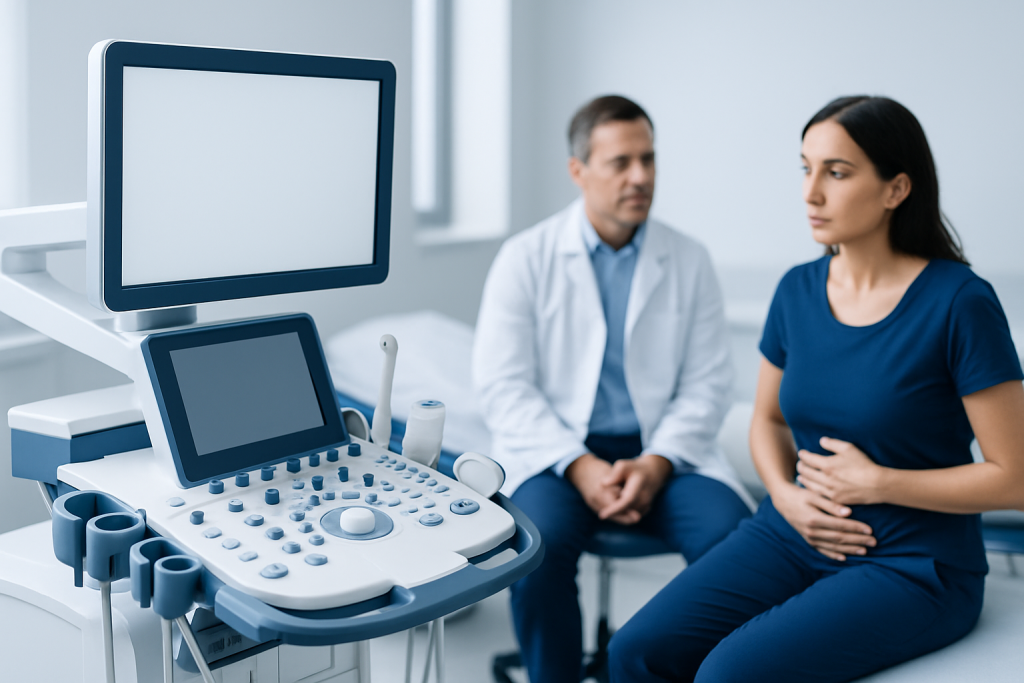
The earliest gallbladder symptoms are not always dramatic. A person may feel bloated, unusually full, or mildly nauseated after meals. These early changes can be easy to dismiss, particularly if they happen only occasionally.
As gallbladder irritation progresses, the symptoms often become more distinctive. Common warning signs include:
- Pain in the upper right abdomen or the center of the upper belly
- Pain that starts or worsens after eating, especially fatty meals
- Discomfort that spreads to the right shoulder blade or back
- Nausea or vomiting
- Indigestion, belching, or a feeling of pressure after meals
Some people describe gallbladder pain as steady rather than sharp, while others feel waves of cramping. An episode may last from minutes to several hours. If the pain becomes severe, is accompanied by fever, or is linked with yellowing of the skin or eyes, it may suggest a more serious problem and needs prompt medical attention.
Causes & Risk Factors

The most common cause of gallbladder symptoms is gallstones, which are hardened deposits that can block the flow of bile. When bile cannot move normally, the gallbladder may become irritated or inflamed, leading to pain after eating and other digestive symptoms. In some cases, inflammation can occur even without stones.
Several factors can make gallbladder problems more likely. These include a family history of gallstones, being overweight, rapid weight loss, pregnancy, certain dietary patterns, and some medical conditions that affect metabolism. Age and sex also influence risk, though gallbladder disease can affect many different people.
International patients often arrive with questions about whether previous dieting, recent travel, or changes in eating habits triggered the problem. Those factors can sometimes play a role in symptom timing, but they do not replace a medical workup. A doctor considers the full picture, including the person’s history, medications, and whether symptoms point to stones, inflammation, or another digestive condition.
Diagnosis
Diagnosis usually begins with a conversation about the symptom pattern. A doctor will want to know where the pain is located, when it started, how long it lasts, and whether meals make it worse. A physical examination may check for tenderness in the upper right abdomen.
Blood tests are often used to look for signs of infection, inflammation, or blockage in the bile ducts. Imaging is especially important, and an abdominal ultrasound is often the first test because it can show gallstones, gallbladder swelling, or signs of blockage. Depending on the situation, additional imaging such as CT, MRI, or a specialized scan may be recommended.
Sometimes the symptoms are not caused by the gallbladder at all, and conditions such as acid reflux, ulcers, liver problems, or pancreatic disease can feel similar. Careful evaluation helps distinguish these possibilities and guides the right treatment. For patients who are seeking care from abroad, a coordinated assessment can help compress testing and follow-up into a manageable timeframe.
Treatment Options
Treatment depends on the cause and severity of the problem. If symptoms are mild and linked to gallstones without ongoing inflammation, a doctor may recommend watchful management, diet changes, and monitoring. However, recurrent attacks or complications often lead to a more definitive approach.
For gallbladder inflammation or repeated gallstone symptoms, removal of the gallbladder is a common treatment. This is often done with minimally invasive surgery, which usually allows a shorter recovery than open surgery. If there is infection, bile duct blockage, or another complication, treatment may also include medications, endoscopic procedures, or a more urgent hospital-based approach.
Recovery plans are individualized. A person returning to another country may need clear instructions about wound care, diet progression, follow-up imaging, and warning signs that should prompt reassessment. Good discharge planning matters because gallbladder symptoms can overlap with broader digestive changes during the healing period.
Prevention & Self-care
Not every gallbladder problem can be prevented, but some habits may reduce strain on the digestive system and help limit symptom flares. Many people find that smaller meals are easier to tolerate than heavy, high-fat meals. Gradual weight management, rather than rapid weight loss, is generally considered safer for gallbladder health.
Practical self-care measures may include:
- Choosing balanced meals with moderate fat rather than very greasy foods
- Staying hydrated
- Keeping a record of foods that seem to trigger pain
- Avoiding crash diets or extreme fasting without medical guidance
- Following up on recurring digestive symptoms instead of waiting for them to pass
Self-care is supportive, not a substitute for diagnosis. If symptoms are already recurring, diet changes alone may not resolve the underlying issue. A timely medical review is the safest way to understand whether the gallbladder is the source of the problem.
When to See a Doctor
A doctor should be consulted when upper abdominal pain keeps returning, especially if it appears after meals or wakes the person from sleep. Even if the discomfort is intermittent, a pattern of repeated episodes suggests that the gallbladder or another digestive organ may need evaluation.
Immediate medical assessment is important if pain is severe or prolonged, or if it occurs with fever, vomiting, yellowing of the skin or eyes, dark urine, pale stools, or a swollen abdomen. These symptoms can point to infection or blockage and should not be ignored.
People who are traveling for care should seek a clinic or hospital that can coordinate imaging, laboratory tests, and follow-up in one pathway. Acibadem Health Point’s multidisciplinary specialists and JCI-accredited hospitals diagnose and treat gallbladder conditions for international patients with coordinated, patient-centered care. A doctor can help determine whether symptoms are minor digestive irritation or a gallbladder problem that needs active treatment.
Frequently asked questions
What are the first signs of a bad gallbladder?
Early signs often include bloating, nausea, and discomfort after meals, especially after fatty foods. As the problem progresses, pain in the upper right abdomen becomes more noticeable. Some people also feel pain in the back or right shoulder.
Can gallbladder problems feel like indigestion?
Yes, early gallbladder symptoms can resemble indigestion, gas, or simple stomach upset. That is one reason the condition may be missed at first. Repeated episodes after eating should be evaluated by a doctor.
Is gallbladder pain always on the right side?
Not always. It is often felt in the upper right abdomen, but some people notice pain in the middle of the upper belly or pain that spreads to the back. The pattern and timing of pain are often as important as the exact location.
Do gallbladder symptoms go away on their own?
Sometimes pain improves temporarily, but the underlying problem may still be present. Recurrent symptoms can mean gallstones or inflammation that needs medical attention. It is safer to get checked rather than waiting for repeated attacks.
What tests are usually done for gallbladder problems?
Doctors commonly use blood tests and an abdominal ultrasound to look for gallstones, inflammation, or blockage. If the picture is unclear, other imaging tests may be needed. The choice depends on the symptoms and examination findings.
Can someone live normally after gallbladder removal?
Many people do well after gallbladder removal and return to normal activities after recovery. Some need a short adjustment period while their digestion settles. A doctor will explain what to expect and how to manage diet during healing.
References
- National Institute of Diabetes and Digestive and Kidney Diseases
- Mayo Clinic
- Cleveland Clinic
- NHS
- World Gastroenterology Organisation
This article is for general information only and is not a substitute for professional medical advice. Please consult a qualified doctor about your individual situation.
Persistent digestive symptoms? Get evaluated in Turkey
JCI-accredited · board-certified surgeons · reply within 24h
Add us as a Preferred Source to see more of our trusted health content across Google Search, AI Overviews and Discover.