Urge To Poop But Only Mucus Comes Out

Key Takeaways
- Mucus alone does not always mean something serious, but it should not be ignored if it keeps happening.
- This symptom can be linked to constipation, infections, inflammatory bowel disease, irritable bowel syndrome, or rectal inflammation.
- A doctor may use a history, physical exam, stool tests, blood tests, or endoscopy to find the cause.
- Treatment depends on the underlying problem and may include diet changes, medicines, or treatment for infection or inflammation.
- Urgent medical review is important if there is blood, severe pain, dehydration, fever, or inability to pass stool or gas.
A strong urge to have a bowel movement followed by only mucus can happen when the rectum or colon is irritated, inflamed, or not emptying normally. The cause is often treatable, but persistent symptoms deserve medical evaluation, especially if they are new or come with pain, bleeding, fever, or weight loss.
Overview
Feeling an urgent need to pass stool but producing only mucus can be unsettling, especially when it happens more than once. In medical terms, this pattern is often related to tenesmus, a sensation that the bowel still needs to empty even when little or nothing comes out.
Mucus is normally present in the intestines in small amounts. It helps lubricate the bowel, but when the lining of the colon or rectum becomes irritated, the body may produce extra mucus. That is why some people notice a clear, white, or slightly yellow discharge instead of a normal bowel movement.
This symptom has several possible explanations, and the right response depends on the full picture. For an international patient deciding whether to travel for care, the key question is not only what the mucus looks like, but whether there are other symptoms such as abdominal pain, rectal bleeding, fever, diarrhea, constipation, or a change in bowel habits that has lasted more than a few days.
Symptoms
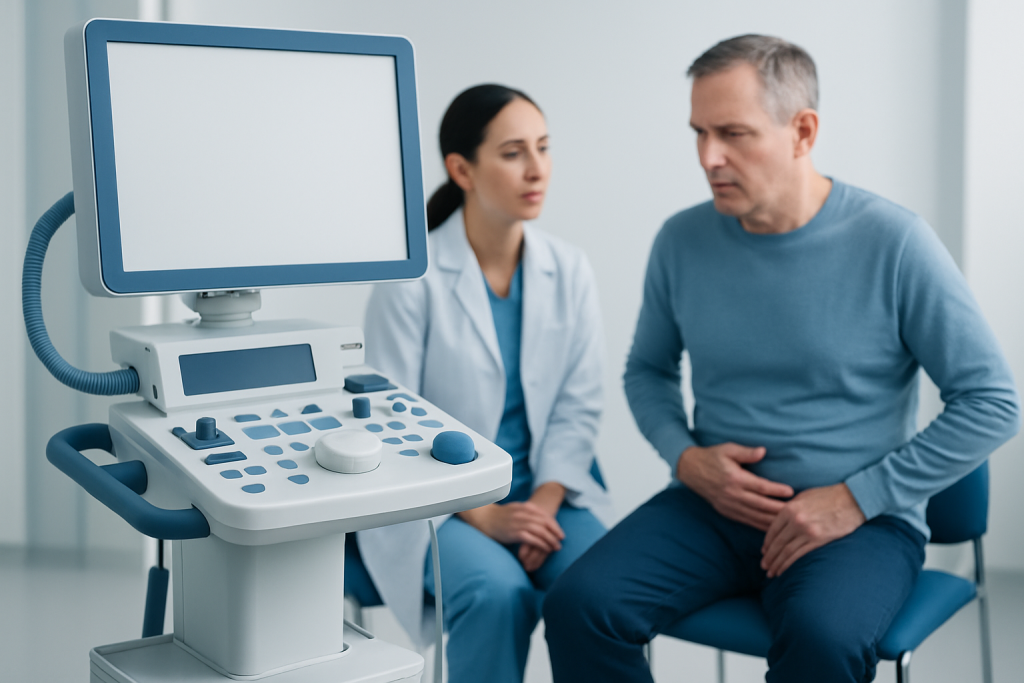
The sensation often starts with a strong urge to go to the toilet, followed by little or no stool and only mucus. Some people describe cramping, rectal pressure, or a feeling that the bowel movement was incomplete. Others notice repeated trips to the bathroom without relief.
Depending on the cause, additional symptoms may appear. These can help a doctor narrow down the reason for the problem:
- Abdominal pain or bloating
- Constipation or hard stools
- Diarrhea or loose stools
- Blood in the stool or on toilet paper
- Rectal pain, burning, or itching
- Fever, nausea, or general fatigue
- Unintended weight loss or reduced appetite
In some cases, mucus appears after straining or passing a hard stool. In others, it may be part of ongoing bowel irritation, where the symptom continues even when stool is not present.
Causes & Risk Factors

There is no single cause for mucus-only bowel attempts. One common reason is constipation, especially when stool is hard, delayed, or impacted. The bowel may produce mucus to help move stool along, and the person may feel blocked even after straining.
Infections of the gut can also trigger mucus production, particularly when diarrhea, abdominal cramps, or fever are present. Bacterial infections, some parasitic infections, and inflammation after travel or contaminated food exposure may all irritate the bowel lining.
Other possible causes include irritable bowel syndrome (IBS), inflammatory bowel disease such as ulcerative colitis or Crohn’s disease, proctitis (inflammation of the rectum), hemorrhoids, anal fissures, and less commonly bowel obstruction or growths in the colon or rectum. Risk is higher in people with a history of chronic bowel symptoms, recent antibiotic use, inflammatory bowel disease in the family, or a recent gastrointestinal infection.
Travel can matter too. A person receiving care abroad may need to consider recent food changes, dehydration from flying, medication changes, and exposure to new infections. These details can be important clues during a medical review.
Diagnosis
Diagnosis usually begins with a careful discussion of bowel habits, stool appearance, pain, medications, recent travel, and any prior digestive conditions. A doctor may also ask how long the symptom has been present and whether there is mucus only occasionally or after every attempt to pass stool.
A physical examination, including an abdominal exam and sometimes a rectal exam, may help identify constipation, tenderness, bleeding, or signs of rectal inflammation. If infection or inflammation is suspected, stool tests and blood tests may be recommended to look for germs, dehydration, anemia, or markers of inflammation.
When symptoms are persistent, unexplained, or accompanied by warning signs, the doctor may suggest further testing such as sigmoidoscopy or colonoscopy. These procedures allow direct inspection of the rectum and colon and can help identify inflammation, bleeding sources, polyps, or other structural causes.
Treatment Options
Treatment is guided by the underlying cause rather than the mucus itself. If constipation is the trigger, the plan may focus on softening stool, improving bowel regularity, and reducing straining. If an infection is present, treatment may involve supportive care and, in selected cases, targeted medication based on the organism involved.
For inflammatory conditions such as ulcerative colitis or Crohn’s disease, a doctor may recommend anti-inflammatory medicines or other therapies to calm bowel inflammation. Rectal inflammation may need locally directed treatment, while IBS is often managed with dietary adjustment, stress management, and symptom-based medicines chosen by a clinician.
Common treatment approaches may include:
- Increasing fluids if safe and appropriate
- Adjusting fiber intake based on the type of bowel problem
- Using prescribed or recommended laxatives for constipation
- Treating infection or rectal inflammation when identified
- Reviewing medications that may worsen constipation or bowel irritation
It is best not to self-treat repeatedly without understanding the cause, especially if mucus continues or new symptoms appear. For patients who need coordinated evaluation before or after travel, a structured gastrointestinal workup can reduce uncertainty and help create a clear follow-up plan.
Prevention & Self-care
Prevention depends on the pattern behind the symptom. Gentle daily habits can reduce irritation in many people, particularly when constipation or bowel sensitivity is part of the picture. Regular meals, enough fluids, and physical activity may support healthier bowel movements.
Self-care can also include paying attention to triggers. Some people notice worse symptoms after certain foods, after antibiotics, during stressful periods, or when they delay bathroom use. Keeping a simple symptom diary may help a doctor connect the timing of mucus episodes with diet, stress, medications, or travel.
Helpful self-care steps may include:
- Avoiding repeated straining on the toilet
- Responding promptly to the urge to pass stool
- Maintaining hydration, especially after flights or illness
- Choosing bowel-friendly foods as advised by a clinician
- Taking prescribed medicines exactly as directed
If the person is traveling for treatment or follow-up, it can help to carry a medication list, prior test results, and a written summary of symptoms. This makes it easier for the next doctor to understand what has already been tried and what still needs evaluation.
When to See a Doctor
A medical visit is a good idea if mucus-only urges continue for more than a few days, keep returning, or interfere with daily life. Persistent change in bowel habits always deserves attention, even when the person otherwise feels well.
Prompt evaluation is especially important if there is blood in the stool, significant abdominal pain, fever, vomiting, dehydration, unexplained weight loss, or a recent history of inflammatory bowel disease. The same applies if the person cannot pass stool or gas, since that may suggest a more serious blockage or severe constipation.
If symptoms begin after travel, food poisoning, antibiotic use, or a known bowel condition flare, the doctor may want to assess the situation sooner rather than later. Acibadem Health Point’s multidisciplinary specialists and JCI-accredited hospitals can help international patients diagnose and treat digestive conditions with coordinated care and follow-up planning.
Living With the Symptom While Awaiting Care
Waiting for an appointment can feel frustrating when bowel symptoms are unpredictable. The most useful approach is usually to avoid overcorrecting with repeated laxatives, enemas, or anti-diarrheal medicines unless a doctor has advised them, because the wrong product can worsen the underlying problem.
Keeping notes on the timing, color, amount of mucus, pain level, stool consistency, and any foods or medicines taken before the episode can make the consultation more productive. If care is being arranged across countries, these notes are especially valuable because they help the receiving team understand the course of symptoms quickly.
Most importantly, mucus alone is a symptom, not a diagnosis. With the right evaluation, the cause is often identifiable and manageable, which can bring both relief and a clearer plan for the future.
Frequently asked questions
Is it normal to pass mucus instead of stool sometimes?
Small amounts of mucus can be normal because the intestines naturally produce it. If it happens once after constipation or mild irritation, it may settle on its own. If it keeps happening, a medical review is a good idea.
Does mucus-only bowel movement always mean infection?
No. Infection is only one possible cause. Constipation, IBS, inflammatory bowel disease, hemorrhoids, and rectal inflammation can also lead to mucus and an urgent feeling of needing to go.
Can stress cause this symptom?
Stress can affect bowel function and may worsen IBS or make bowel symptoms feel more intense. However, stress should not be assumed to be the only cause, especially if there is bleeding, fever, pain, or a lasting change in bowel habits.
Should constipation be treated at home first?
Mild constipation can sometimes improve with fluids, movement, and diet changes, but repeated mucus-only urges should not be ignored. If there is severe pain, vomiting, swelling, or no passage of stool or gas, medical care should be sought promptly.
What tests might a doctor order?
The doctor may start with an exam and then consider stool tests, blood tests, or imaging depending on the symptoms. If the problem persists or warning signs are present, a scope exam of the rectum or colon may be recommended.
When is this symptom an emergency?
Urgent care is needed if there is heavy bleeding, severe abdominal pain, high fever, fainting, dehydration, or signs of bowel obstruction. These symptoms need timely assessment rather than home management.
References
- National Institute of Diabetes and Digestive and Kidney Diseases
- Mayo Clinic
- Cleveland Clinic
- American College of Gastroenterology
- NHS
This article is for general information only and is not a substitute for professional medical advice. Please consult a qualified doctor about your individual situation.
Persistent digestive symptoms? Get evaluated in Turkey
JCI-accredited · board-certified surgeons · reply within 24h
Add us as a Preferred Source to see more of our trusted health content across Google Search, AI Overviews and Discover.