Sigmoidoscopy

Key Takeaways
- Sigmoidoscopy allows a doctor to examine the rectum and lower colon with a thin flexible scope.
- It is commonly used to evaluate rectal bleeding, bowel habit changes, and other lower digestive symptoms.
- Preparation usually involves clearing the lower bowel and following the care team’s instructions closely.
- The procedure is generally well tolerated and may involve mild pressure, cramping, or bloating.
- Results can guide next steps, including reassurance, treatment, or further testing such as colonoscopy.
Sigmoidoscopy is a medical procedure used to look inside the lower part of the large intestine, helping doctors investigate symptoms and detect changes early. It is usually quick, minimally invasive, and can provide useful answers when bowel symptoms need closer evaluation.
Overview
Sigmoidoscopy is a procedure that lets a doctor inspect the rectum and the lower part of the colon from the inside. A thin, flexible tube with a light and camera is gently passed through the anus so the lining can be seen directly on a screen.
For many people, the value of the test is not only in what it finds, but in what it clarifies. Lower abdominal discomfort, rectal bleeding, changes in bowel habits, or unexplained diarrhea can have several possible causes, and sigmoidoscopy helps narrow the picture without requiring a full colon examination in every case.
There are two main forms: flexible sigmoidoscopy, which is commonly performed in modern practice, and rigid sigmoidoscopy, which is used less often. The flexible version gives the care team a clearer view of the bowel with more comfort for the patient and is more often used when doctors need a closer look at symptoms or screening in selected situations.
Symptoms and Reasons It Is Recommended
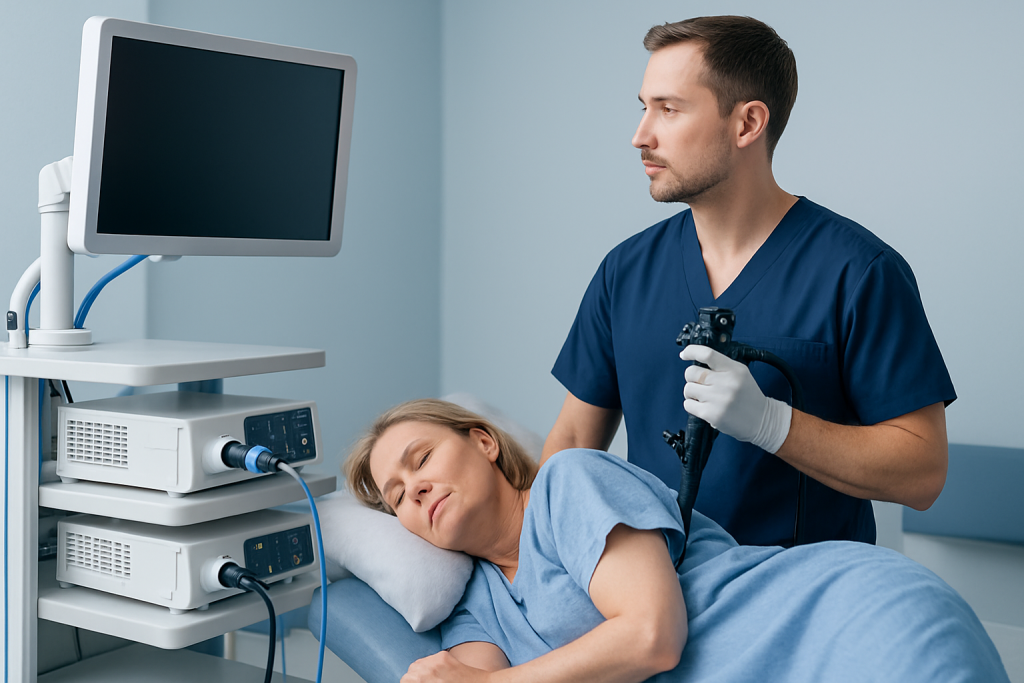
Sigmoidoscopy is usually recommended when a doctor wants to understand symptoms affecting the lower digestive tract. It can help identify inflammation, hemorrhoids, polyps, ulcers, diverticular changes, or signs of colorectal disease in the lower bowel.
Common reasons for the test include:
- Rectal bleeding or blood in the stool
- Ongoing diarrhea or constipation
- Unexplained abdominal pain or bloating
- Change in bowel habits that does not improve
- Follow-up of a previously found abnormality
It may also be used as part of screening in some patients, depending on age, symptoms, and personal or family risk factors. In an international-patient setting, doctors often use the test to answer a focused question efficiently before deciding whether a broader examination is needed.
Causes and Risk Factors
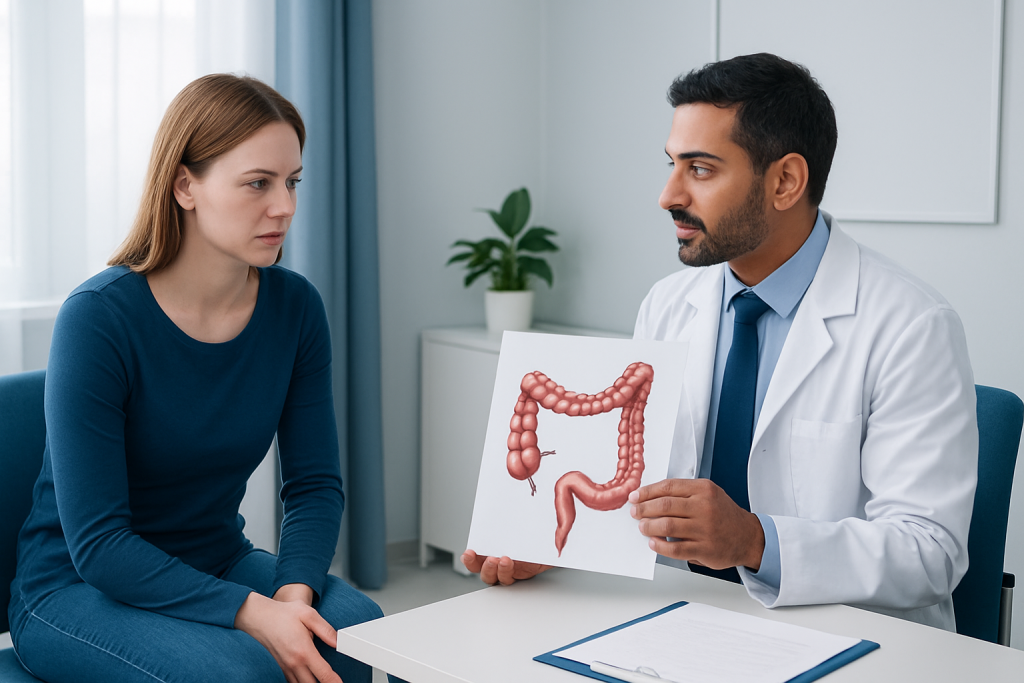
Sigmoidoscopy itself does not treat a disease; it is a way to look for the cause of a problem. The findings may point to conditions ranging from mild irritation to more significant bowel disease, and the next step depends on what the doctor sees and what symptoms the patient has been experiencing.
Risk factors that make lower-bowel evaluation more likely include a family history of colorectal cancer or polyps, inflammatory bowel disease, previous bowel symptoms, older age, and certain lifestyle factors that affect digestive health. A doctor may also recommend the procedure if stool tests or imaging suggest that the lower colon should be examined more closely.
Sometimes the cause turns out to be straightforward, such as hemorrhoids or temporary inflammation. In other cases, the test may reveal a need for biopsy, medication, or a full colonoscopy to complete the assessment.
Diagnosis and What Happens During the Procedure
Before the procedure, the care team reviews symptoms, medications, allergies, and prior test results. The lower bowel usually needs to be emptied with an enema or another preparation method so the lining can be seen clearly; the instructions vary by clinic and by the reason for the test.
During the examination, the patient lies on the side while the doctor gently inserts the sigmoidoscope. Air or carbon dioxide may be used to open the bowel slightly so the lining can be inspected; this can cause a feeling of fullness or mild cramping. If needed, small tissue samples called biopsies may be taken, and these are usually not painful.
The procedure often takes only a short time. Most patients remain awake, and sedation is not always necessary, which is one reason sigmoidoscopy can be convenient for people traveling for care or trying to limit time away from work and home.
Treatment Options and What Results May Lead To
Sigmoidoscopy is not a treatment on its own, but it can lead directly to the right treatment plan. If the doctor finds inflammation, infection, hemorrhoids, polyps, or other abnormalities, the next step may include medication, additional testing, removal of tissue, or referral for another procedure.
If a polyp is found, it may sometimes be removed during the same visit, depending on its size and appearance. If the lower bowel looks normal, that can also be valuable, because it helps rule out several common causes of symptoms and may shift attention toward other digestive or non-digestive explanations.
When results suggest a more extensive problem, a colonoscopy may be advised to evaluate the entire colon. This stepwise approach is especially useful for international patients, because it avoids unnecessary procedures while still making sure the underlying issue is properly investigated.
Prevention and Self-care
People cannot always prevent the conditions that lead to a sigmoidoscopy, but they can support bowel health and make the procedure easier to complete. Following the preparation instructions carefully is the most important practical step, because a clean bowel improves the quality of the examination.
Helpful self-care habits may include:
- Drinking fluids as advised before the test
- Staying close to the toilet after using bowel preparation products
- Sharing a full list of medications with the doctor, including blood thinners and supplements
- Arranging transport home if discomfort or sedation is expected
- Eating a balanced, fiber-aware diet after recovery if the doctor recommends it
For long-term prevention, general digestive health measures matter: regular physical activity, adequate hydration, not ignoring persistent rectal bleeding, and keeping up with age-appropriate colorectal screening. Patients who are traveling for care should also plan follow-up before leaving, so results and next steps are not delayed.
When to See a Doctor
A doctor should be consulted if rectal bleeding, persistent change in bowel habits, ongoing abdominal pain, unexplained weight loss, or repeated diarrhea or constipation occurs. These symptoms do not always mean something serious, but they deserve evaluation rather than guesswork.
Urgent medical attention is appropriate if bleeding is heavy, stool is black and tarry, there is severe abdominal pain, fainting, fever with worsening symptoms, or signs of dehydration. Even when symptoms seem mild, persistent digestive changes are worth discussing early, because timely assessment is often simpler than waiting for problems to progress.
After a sigmoidoscopy, patients should contact their care team if they have severe pain, significant bleeding, fever, or difficulty passing stool or gas. For people coming from abroad, clear discharge instructions and a reliable follow-up plan are especially important, since recovery and test interpretation may continue after they return home. Acibadem Health Point’s multidisciplinary specialists and JCI-accredited hospitals can diagnose and treat this condition for international patients.
Recovery and Follow-up
Recovery after sigmoidoscopy is usually brief. Many people resume normal activities the same day, although they may feel mild bloating or cramping for a short time as the air used during the test passes naturally.
If a biopsy was taken, the doctor will explain when to expect results and whether any temporary restrictions are needed. Patients who travelled for the procedure should make sure they know how to receive pathology reports, how to share prior records with their home doctor, and when to return for additional testing if it is advised.
Follow-up is an important part of the process, because the test only becomes useful when the findings are interpreted in the context of symptoms, risk factors, and any prior bowel history. A good plan leaves the patient knowing not just what was seen, but what happens next.
Frequently asked questions
Is sigmoidoscopy painful?
Most people describe the test as uncomfortable rather than painful. Mild pressure, cramping, or a feeling of fullness can happen, but the procedure is usually brief and well tolerated. If a patient is anxious, they should tell the care team in advance so comfort measures can be discussed.
How is sigmoidoscopy different from colonoscopy?
Sigmoidoscopy looks at the rectum and lower part of the colon, while colonoscopy examines the entire colon. A doctor chooses between them based on the symptom pattern, risk factors, and how much of the bowel needs to be assessed. In some cases, sigmoidoscopy is enough; in others, colonoscopy is the better choice.
What preparation is usually needed?
Preparation commonly involves clearing the lower bowel with an enema or similar instructions from the clinic. The exact steps depend on the doctor and the reason for the test, so patients should follow the written preparation plan carefully. Good preparation helps the doctor see the bowel lining clearly and may reduce the chance of needing a repeat test.
Can a sigmoidoscopy find cancer?
It can detect suspicious growths, polyps, and signs that further evaluation is needed, but it is not a guarantee of finding or ruling out every cancer. If something unusual is seen, a biopsy or a more complete colonoscopy may be recommended. Early assessment is valuable because it helps doctors act on findings sooner rather than later.
Will I need sedation for sigmoidoscopy?
Many sigmoidoscopies are done without sedation, which allows a faster recovery and easier same-day return to normal activities. Some patients may receive medication depending on their comfort level, medical history, and the clinic’s approach. The doctor will explain what is typical in the planned setting.
When can I eat after the procedure?
Most people can return to eating and drinking soon after the test unless the doctor gives different instructions. If biopsies or another procedure were performed, the care team may suggest specific short-term guidance. It is always best to confirm the plan before leaving the clinic.
References
- American Society for Gastrointestinal Endoscopy
- National Institute of Diabetes and Digestive and Kidney Diseases
- American Cancer Society
- Mayo Clinic
- NHS
This article is for general information only and is not a substitute for professional medical advice. Please consult a qualified doctor about your individual situation.