Trigeminal Neuralgia: When Medicines Stop Being Enough

Key Takeaways
- Trigeminal neuralgia typically causes brief, electric shock-like facial pain that can be triggered by ordinary actions such as talking or brushing teeth.
- Medicines are often the first treatment, but some people need dose adjustments, a different drug, or a procedure when pain returns or side effects become difficult.
- Imaging and a careful neurologic examination help confirm the diagnosis and look for underlying causes or contributing nerve compression.
- Surgical and minimally invasive procedures may be considered when symptoms are persistent, medication is ineffective, or medicine tolerance becomes a problem.
- Early specialist care can reduce uncertainty, help protect daily activities like eating and speaking, and support a safer long-term plan.
Medically reviewed by the Acıbadem clinical team — June 13, 2026
Trigeminal neuralgia is a nerve pain condition that can cause sudden, severe facial pain and make everyday activities feel unpredictable. When medicines no longer control symptoms well enough, specialist evaluation can open the door to other treatment options and a more tailored plan.
Overview
Trigeminal neuralgia is a pain disorder that affects the trigeminal nerve, the main sensory nerve for the face. People often describe it as sudden, stabbing, or electric shock-like pain on one side of the face, usually in the cheek, jaw, teeth, or around the eye.
For some, the condition appears in brief attacks that last seconds. For others, pain clusters repeat throughout the day and gradually begin to shape how they eat, speak, wash the face, or go outdoors in cold air. That is often the point when the question changes from “What medicine should be tried next?” to “What comes after medicines?”
Trigeminal neuralgia is not the same as ordinary toothache, migraine, or sinus discomfort, although it can be mistaken for those problems at first. A clear diagnosis matters because the treatment approach depends on whether the pain is classic trigeminal neuralgia, a symptom of another condition, or a related facial pain disorder.
Symptoms
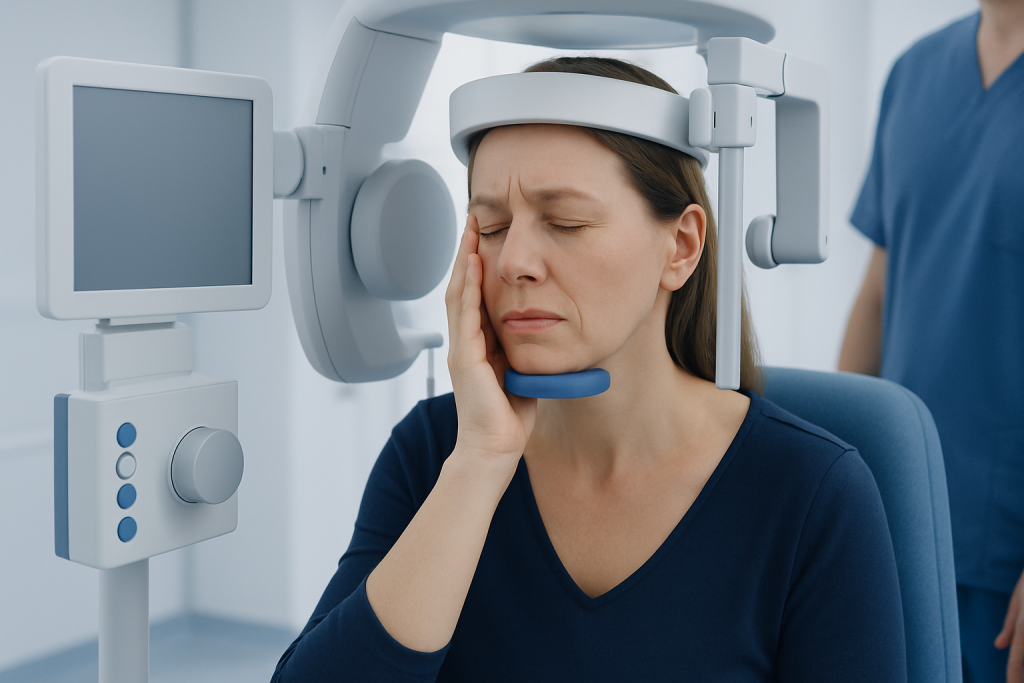
The hallmark symptom is sudden, intense facial pain that comes in bursts. Many people feel it as a shock, jolt, stab, or burning sting on one side of the face. The pain may affect one branch of the trigeminal nerve or more than one area, and episodes can happen many times a day.
Common triggers are usually simple, everyday activities. Light touch, chewing, speaking, smiling, brushing teeth, shaving, applying makeup, or even a breeze across the face can set off an attack. Between episodes, some people feel entirely normal, while others notice a dull ache or lingering sensitivity.
Symptoms that may point to a need for medical review include attacks becoming more frequent, pain spreading, increasing difficulty eating or drinking, and reduced response to previously helpful medicine. When facial pain starts to interfere with sleep, work, or travel plans, it deserves specialist attention rather than repeated guesswork.
- Brief, severe facial pain on one side
- Electric shock-like, stabbing, or shooting quality
- Triggers such as touch, chewing, or speaking
- Periods of pain-free time between attacks, especially early on
- Guarding the face or avoiding normal activities because of pain
Causes & Risk Factors

In many cases, trigeminal neuralgia develops when a blood vessel presses on the trigeminal nerve near the brainstem and irritates it over time. This pressure can disturb how the nerve sends pain signals, making it more likely to fire in response to ordinary stimulation.
Sometimes trigeminal neuralgia is linked to another underlying condition. Multiple sclerosis, prior facial trauma, tumors, structural abnormalities, or less commonly other neurologic diseases may contribute. In those situations, the facial pain is treated alongside the condition that is affecting the nerve.
The condition is more often seen in older adults, but it can occur at younger ages, especially when there is an associated neurologic disorder. A family history does not usually predict trigeminal neuralgia, but a careful personal medical history helps clinicians look for secondary causes and choose the right tests.
Diagnosis
Diagnosis begins with a detailed conversation about the pain pattern. The clinician will usually ask where the pain is located, how long each attack lasts, what triggers it, and whether there are numbness, weakness, hearing changes, or other neurologic symptoms that might suggest a different diagnosis.
A neurologic examination is important, but it may be normal in classic trigeminal neuralgia. Because imaging can help identify nerve compression or another cause, many patients are advised to have magnetic resonance imaging, often with attention to the trigeminal nerve and the structures around it.
When someone is traveling for care, bringing a clear timeline can help. A simple record of attack frequency, trigger patterns, previous medications, side effects, and any earlier scans allows the specialist to move more efficiently from confirmation to planning. That is particularly helpful when time abroad is limited and follow-up may need to be coordinated across countries.
Treatment Options
Medicine is usually the first step, and for many people it provides meaningful relief at least for a time. Commonly used medicines for nerve pain are chosen and adjusted by a physician who monitors benefit, side effects, and interactions with other health conditions.
When medicines stop being enough, the reasons vary. The pain may break through despite treatment, the medication may cause drowsiness, dizziness, or balance problems, or the dose may no longer be tolerated. In those situations, a specialist may discuss a different drug strategy or a procedural option.
Treatment choices can include:
- Adjusting the current medicine or switching to another nerve-pain medication
- Adding supportive treatment for side effects or sleep disruption
- Minimally invasive procedures that target the nerve or its pain signals
- Microvascular decompression in selected patients when blood vessel compression is the main issue
Procedures are not all the same. Some are designed to relieve pressure on the nerve, while others intentionally reduce overactive pain signaling. The best option depends on age, general health, scan findings, how long symptoms have been present, and whether the person prefers a less invasive approach or a longer-lasting surgical solution.
For international patients, treatment planning often includes more than the procedure itself. It may involve preoperative imaging, medication review, anesthesia assessment, a clear recovery plan, and instructions for follow-up once the patient returns home. A coordinated team can make that process more manageable and less stressful.
Prevention & Self-care
Trigeminal neuralgia cannot always be prevented, especially when it is related to nerve compression or another underlying neurologic condition. Still, careful self-management can reduce triggers and help day-to-day life feel more predictable.
Many people benefit from identifying and working around specific triggers. Soft foods during flare periods, a warm scarf in cold weather, gentle oral hygiene tools, and avoiding abrupt facial contact can make routine tasks less painful. Stress does not cause the condition, but tension often makes coping harder, so rest and pacing still matter.
It can also help to keep treatment realistic and organized. Because some medicines require monitoring and procedures may need follow-up visits, patients traveling for care should bring an updated medication list, arrange local support at home, and confirm who will review results or symptoms after they leave the treatment center.
- Track triggers and pain patterns in a simple notebook or phone note
- Use gentle oral care and avoid overly cold or hot stimuli if they worsen pain
- Plan meals around periods when symptoms are usually calmer
- Discuss side effects promptly rather than stopping medicine abruptly
- Keep copies of scans, prescriptions, and follow-up instructions for future care
When to See a Doctor
Facial pain that is intense, recurrent, or clearly triggered by normal activities should be evaluated by a doctor, ideally one familiar with neurologic pain disorders. Early assessment is especially important when the pain affects eating, speaking, oral hygiene, or work.
A specialist visit becomes more urgent if the pain pattern changes, if there is facial numbness or weakness, if the pain affects both sides, or if symptoms do not match the usual pattern of trigeminal neuralgia. These features do not necessarily mean something serious is happening, but they do mean the diagnosis should be checked carefully.
People whose medicines are no longer providing enough relief should not assume they have run out of options. Neurology and neurosurgical evaluation can clarify whether a different medication approach, imaging review, or a procedure may fit the situation better. Acibadem Health Point’s multidisciplinary specialists and JCI-accredited hospitals diagnose and treat trigeminal neuralgia for international patients with coordinated evaluation and follow-up planning.
Living With Trigeminal Neuralgia
Living with trigeminal neuralgia often means adapting to unpredictability. On a good day, speaking, eating, and smiling may feel ordinary; on a difficult day, even light touch can feel unsafe. A practical treatment plan should therefore address both pain control and the parts of life that pain has begun to limit.
Emotional strain is common, especially when symptoms have been misread as dental or sinus problems for some time. A careful diagnosis can be reassuring because it explains why the pain behaves the way it does and why standard pain relievers may not work well. That clarity can make it easier to choose the next step calmly rather than urgently.
For many patients, the goal is not simply to “end pain forever” but to regain dependable daily function with the least risk and the best fit for their overall health. Whether that means medication adjustment, a procedure, or long-term follow-up, a specialist-led plan is usually the most reliable path forward.
Frequently asked questions
What does trigeminal neuralgia pain usually feel like?
It is often described as sudden, severe, electric shock-like pain on one side of the face. Attacks may last only seconds, but they can repeat many times and be triggered by simple actions like talking or brushing teeth.
Why do medicines sometimes stop working for trigeminal neuralgia?
The condition can change over time, and a medicine that once controlled symptoms may no longer be enough. Side effects can also limit how much of a medication a person can safely tolerate, which is why specialist review is important.
Is trigeminal neuralgia always caused by a blood vessel pressing on the nerve?
No. Blood vessel compression is a common cause, but trigeminal neuralgia can also be linked to multiple sclerosis, prior injury, tumors, or other structural problems. Imaging helps look for these possibilities.
Can trigeminal neuralgia be cured?
Some people get long-lasting relief, especially with procedures that address the underlying nerve irritation. Others need ongoing management because the condition can return or evolve over time.
Should someone with facial pain see a dentist first or a neurologist?
Many people start with dental or primary care evaluation because the pain can mimic tooth problems. If the pain pattern is shock-like, one-sided, and triggered by touch or chewing, a neurologist or facial pain specialist is often the right next step.
Is it safe to travel abroad for trigeminal neuralgia treatment?
It can be safe when evaluation, imaging, medication review, and follow-up are well organized. Patients should plan for recovery time, carry all records, and confirm how ongoing care will be coordinated after they return home.
References
- National Institute of Neurological Disorders and Stroke
- Mayo Clinic
- Cleveland Clinic
- American Association of Neurological Surgeons
- NHS
This article is for general information only and is not a substitute for professional medical advice. Please consult a qualified doctor about your individual situation.