

Migraine Relief

Key Takeaways
- Migraine is more than a headache; it is a neurological condition with distinct patterns and triggers.
- Relief usually works best when acute treatment, prevention, and lifestyle adjustments are used together.
- A careful diagnosis helps distinguish migraine from other headache disorders and guides safer care.
- Some people need preventive medicine, while others benefit mainly from trigger awareness and early treatment.
- Urgent medical review is important if headache symptoms change suddenly or come with neurological warning signs.
Migraine is a neurological condition that can cause recurring head pain along with nausea, light sensitivity, and other disabling symptoms. Relief often comes from combining the right diagnosis, trigger management, and a treatment plan tailored to the person’s needs.
Overview
Migraine often announces itself in a way that is hard to ignore: a head pain that can throb, tighten, or move from one side to the other, then bring along nausea, sensitivity to light, sound, or smell, and sometimes a need to retreat from normal activity. For many people, it is not simply “a bad headache.” It is an episodic neurological condition that can interrupt work, travel, family life, and sleep.
Migraine relief begins with understanding that the brain is reacting in a patterned way, not just sending pain signals. Some attacks are brief and manageable; others linger and can leave a person exhausted long after the worst pain fades. Because the condition varies so widely, the most useful care plan is usually individualized rather than one-size-fits-all.
For people seeking care from another country, the practical question is often not only how to stop an attack, but how to build a plan that still makes sense after returning home. That may include confirming the diagnosis, reviewing current medicines, learning which warning signs matter, and arranging follow-up that can be continued locally.
Symptoms
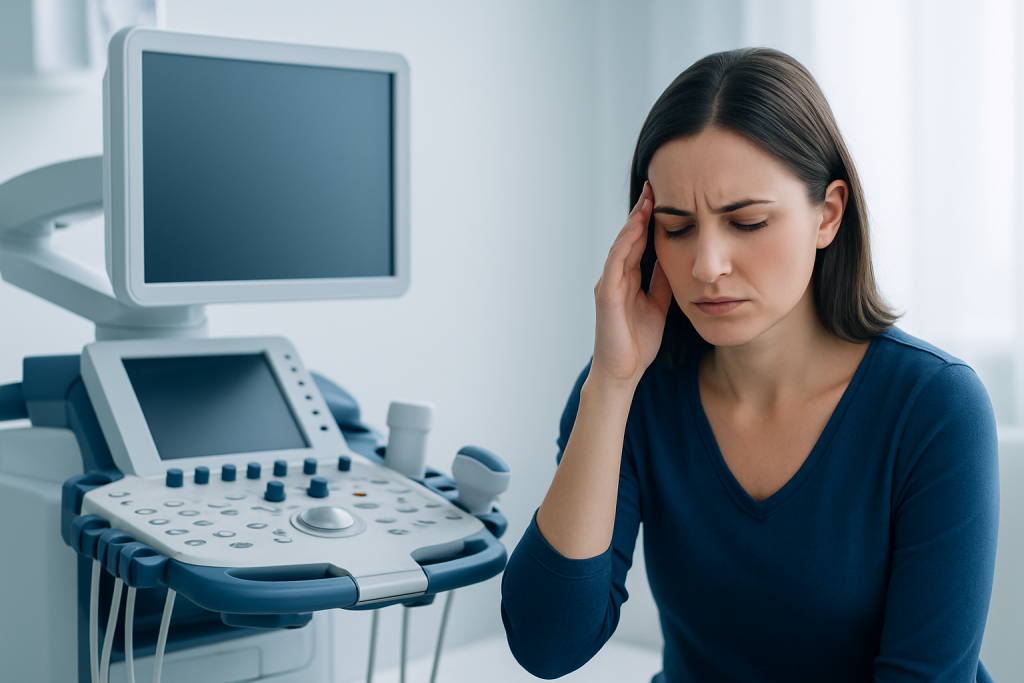
Migraine symptoms can look different from one person to another and even from one attack to the next. The pain may be moderate or severe, pulsating, and worsened by activity. Many people also notice nausea, vomiting, or a strong preference for a dark, quiet room until the episode eases.
Some migraines come with an aura, which can include visual changes such as flashing lights, zigzag lines, blind spots, or temporary difficulty speaking or concentrating. Aura symptoms usually develop gradually and resolve, but they can feel unsettling the first time they occur. Not everyone with migraine has aura, and not every aura is followed by head pain.
Other symptoms may include:
- Neck stiffness or pressure
- Fatigue before or after the headache
- Dizziness or a sense of imbalance
- Increased sensitivity to smell
- Difficulty thinking clearly during the attack
Many people also notice a “prodrome” phase hours or even a day before the pain starts. This may show up as yawning, mood changes, food cravings, or trouble focusing. Recognizing these early clues can help some people treat attacks sooner, when relief is often easier to achieve.
Causes & Risk Factors

Migraine does not have a single cause. It is thought to involve changes in brain signaling, nerve pathways, and the way blood vessels and inflammatory chemicals interact during an attack. Genetics play an important role, which is why migraine often runs in families.
Attacks may be triggered by a variety of factors, although triggers are not the same as the root cause. A trigger may set off an episode in someone who is already prone to migraine. Common triggers include disrupted sleep, skipped meals, dehydration, stress, hormonal shifts, bright light, strong odors, weather changes, and certain foods or drinks in some individuals.
Risk can be higher in people with a family history of migraine, in those who experience hormonal changes, and in those with other headache disorders or frequent stress exposure. Travel can also make attacks more likely for some people because of schedule changes, jet lag, missed meals, dehydration, or sensory overload during transit. Keeping a simple headache diary often helps reveal personal patterns without guessing.
Diagnosis
Diagnosis usually starts with a detailed conversation about the headache pattern. A clinician will often ask when the pain began, how long it lasts, where it is felt, whether nausea or aura is present, and what tends to make it better or worse. A clear history is especially important because migraine can resemble other headache types at first glance.
In many cases, the diagnosis is made clinically, meaning it is based on symptoms and examination rather than a single test. A neurological exam helps check for signs that the headache might be caused by another condition. Imaging or other tests are not always needed, but they may be recommended when the headache pattern is unusual, symptoms change, or the clinician wants to rule out another cause.
For international patients, it can be helpful to bring a record of previous evaluations, current medications, past imaging reports, and a brief timeline of attacks. This can make the consultation more efficient and may reduce repeat testing. The goal is not just to label the headache, but to understand what kind of migraine is present and which treatment approach is safest and most practical.
Treatment Options
Migraine treatment usually has two parts: relieving an attack that is already happening and reducing how often future attacks occur. The right plan depends on attack frequency, symptom severity, other health conditions, and how much the headaches interfere with daily life. Some people do well with occasional treatment, while others need a prevention strategy.
Acute treatment is aimed at easing pain and related symptoms during an episode. This may include over-the-counter medicines, prescription migraine-specific medicines, anti-nausea medicines, or a combination chosen by a doctor. Taking treatment early in an attack often works better than waiting until the pain is severe. A clinician may also advise avoiding medication overuse, since frequent use of some pain medicines can itself lead to more headaches.
Preventive treatment may be considered when attacks are frequent, prolonged, hard to treat, or disruptive enough to affect quality of life. Prevention can include prescription medicines, non-drug approaches, or both. Some people also benefit from physical therapy, sleep support, stress-management strategies, or treatment of related issues such as jaw tension or neck pain when these are part of the broader headache picture.
Examples of treatment approaches a doctor may discuss include:
- Acute medicines for pain and nausea
- Preventive medicines for recurrent attacks
- Behavioral therapies or relaxation techniques
- Hydration and nutrition support during travel or busy schedules
- Adjustments to reduce medication overuse
Because migraine care can be highly individualized, a specialist will usually consider both symptom control and the person’s daily routine. For patients traveling for treatment, a good plan should be clear enough to continue safely after leaving the hospital, with instructions that can be shared with a local doctor if needed.
Prevention & Self-care
Daily habits do not cure migraine, but they can make attacks less frequent or less intense for many people. Consistency matters more than perfection. Regular sleep, steady meals, adequate hydration, and managing stress often help the nervous system stay less reactive.
Keeping track of personal triggers can be useful, but it helps to avoid turning every discomfort into a “trigger hunt.” A headache diary works best when it records a few practical details: sleep, food, fluids, stress level, menstrual timing if relevant, travel, exercise, and medicines taken. Over time, patterns may become visible and easier to act on.
Simple self-care steps may include:
- Eating at regular intervals
- Drinking enough water, especially during flights or hot weather
- Protecting sleep routines as much as possible
- Reducing glare and prolonged screen strain
- Finding a quiet, dim place at the first sign of an attack
People who travel often may also benefit from carrying prescribed medicines in hand luggage, planning for time-zone shifts, and avoiding long stretches without food or fluids. When migraine care is discussed before travel, the aim is to make the plan workable in real life, not only in the clinic. A multidisciplinary team can be especially helpful when headaches overlap with sleep problems, stress, neck pain, or medication management.
When to See a Doctor
Medical evaluation is worthwhile when headaches are new, frequent, getting worse, or interfering with work, school, driving, or sleep. It is also important when over-the-counter medicine is no longer enough, or when someone is relying on pain relief often enough that medication overuse becomes a concern. Early assessment can prevent a long cycle of guessing and repeated attacks.
Prompt care is especially important if the headache pattern changes suddenly, if aura symptoms are new or different, or if headache occurs with weakness, confusion, fainting, fever, stiff neck, seizure, or trouble speaking. These symptoms do not always mean something serious, but they should be assessed without delay.
People traveling internationally for migraine care may want a plan that includes both diagnosis and a clear next step after return home. Acibadem Health Point’s multidisciplinary specialists and JCI-accredited hospitals diagnose and treat migraine for international patients, with attention to follow-up planning and continuity of care.
Living With Migraine Day to Day
Living with migraine often means learning to read the body’s early signals and responding before an episode becomes overwhelming. That may involve stepping away from bright light, taking a prescribed acute medicine early, or pausing activities that tend to intensify symptoms. Small decisions made early can sometimes shorten an attack or make it easier to manage.
It can also help to build a realistic support system. That may include informing family members or coworkers about the condition, keeping medicines accessible, and organizing appointments around periods when headaches are likely to be easier to discuss and evaluate. For people with frequent attacks, a follow-up plan can be just as important as the first consultation.
Migraine care is often most effective when the person and clinician work with the pattern rather than against it. Once the triggers, timing, and response to treatment are better understood, relief becomes less about reacting in crisis and more about anticipating the next step with confidence.
Frequently asked questions
Is migraine just a severe headache?
Not usually. Migraine is a neurological condition that can include head pain, nausea, light sensitivity, sound sensitivity, and sometimes aura. The symptoms and timing often follow a recognizable pattern.
What is the best way to get migraine relief quickly?
Relief often works best when treatment is taken early in the attack, according to a doctor’s instructions. Resting in a dark, quiet room and drinking fluids may also help, but the most effective option depends on the person’s treatment plan.
Can migraine be prevented?
In some people, yes. Prevention may include medicine, regular sleep, steady meals, stress management, and identifying triggers, especially when attacks happen often or are difficult to control.
When should someone worry that a headache is not migraine?
A headache should be checked promptly if it begins suddenly, feels very different from usual, or comes with weakness, confusion, fever, stiff neck, fainting, or trouble speaking. A doctor can help rule out other causes.
Does travel make migraine worse?
Travel can trigger attacks for some people because of dehydration, missed meals, sleep changes, or stress. Planning ahead with water, snacks, rest, and prescribed medicines can reduce the chance of an attack.
Should every person with migraine have imaging tests?
Not necessarily. Many people are diagnosed through symptoms and a neurological examination alone. Imaging is usually reserved for cases with unusual features, changing patterns, or warning signs that need further evaluation.
References
- World Health Organization
- International Classification of Headache Disorders
- American Migraine Foundation
- National Institute of Neurological Disorders and Stroke
- Mayo Clinic
This article is for general information only and is not a substitute for professional medical advice. Please consult a qualified doctor about your individual situation.
More from the Health Library



Related Specialists

Dr. Civan Kalafat
Gynecology & Obstetrics
Dr. Asiye Merve Erdoğan
Otorhinolaryngology
Assoc. Prof. Dr. Gökhan Tosun
Gynecology & Obstetrics
Defne Sürek
Physical Medicine & Rehabilitation