Idiopathic Hypersomnia

Key Takeaways
- Idiopathic hypersomnia causes excessive daytime sleepiness that persists even after a full night of sleep.
- Diagnosis usually requires ruling out other sleep disorders, medication effects, and medical causes of fatigue.
- Treatment often combines sleep-wake scheduling, careful use of medicines, and practical safety planning.
- Lifestyle strategies can reduce daytime impairment, but they do not replace medical evaluation.
- Anyone with unexplained sleepiness that affects driving, work, or daily function should speak with a doctor.
Idiopathic hypersomnia is a sleep disorder marked by persistent, often overwhelming daytime sleepiness that is not explained by another medical or sleep condition. It can affect work, travel, safety, and quality of life, but a careful evaluation can help clarify the diagnosis and guide supportive treatment.
Overview
Idiopathic hypersomnia is a neurological sleep disorder in which a person feels unusually sleepy during the day, even when sleep time at night appears adequate. The term “idiopathic” means the cause is not clearly known. For many people, the most frustrating part is that the sleepiness is real and persistent, yet routine checks may not immediately explain why it is happening.
This condition is different from ordinary tiredness. People often describe difficulty fully waking up, a strong need for naps that may not be refreshing, and a sense of living in “slow motion” for much of the day. Because the symptoms can resemble depression, anemia, thyroid problems, poor sleep habits, or other sleep disorders, the path to diagnosis usually involves a detailed medical review rather than a single test.
For international patients, idiopathic hypersomnia can be especially disruptive when travel, jet lag, work schedules, or long-distance follow-up make symptoms harder to interpret. A structured evaluation with a sleep or neurology specialist can help separate a true sleep disorder from temporary exhaustion and create a practical plan for everyday functioning.
Symptoms
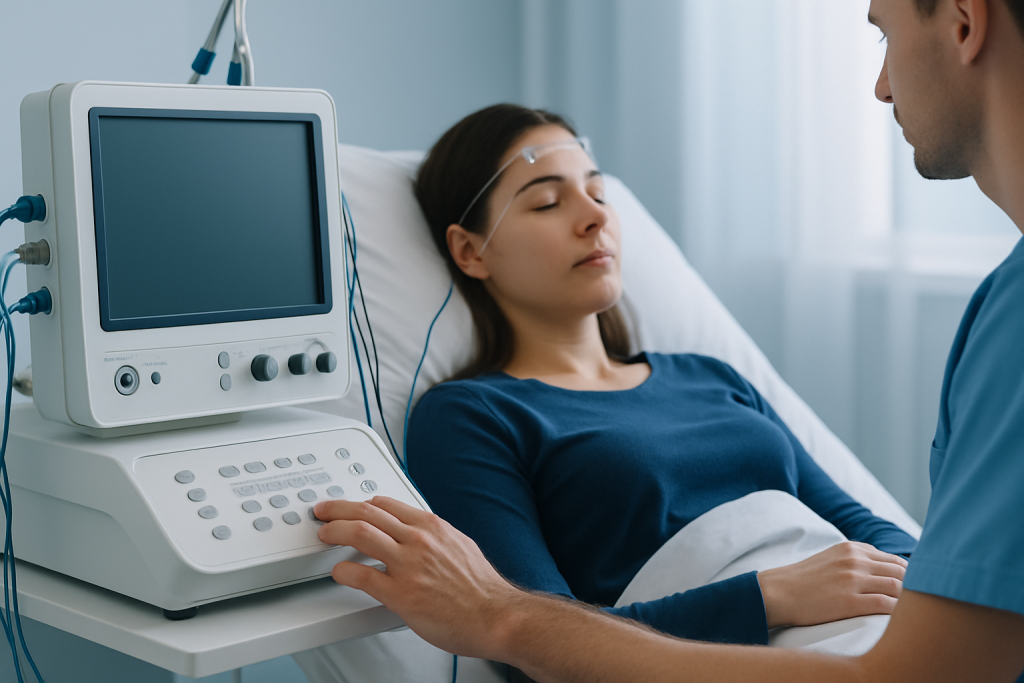
The hallmark symptom is excessive daytime sleepiness. This is not simply feeling sleepy after a late night; it is a heavy, ongoing tendency to doze off or struggle to stay alert during routine activities. Some people can sleep for long periods at night and still wake feeling unrefreshed.
Common features may include:
- Difficulty waking up in the morning or “sleep inertia,” sometimes called sleep drunkenness
- Long, unrefreshing naps
- Mental fog, slowed thinking, or trouble finding words
- Low energy and reduced concentration
- Oversleeping or sleeping longer than expected on many days
- Problems keeping a regular work, school, or travel schedule
Symptoms can vary from one person to another. Some people are able to function for a while by pushing through the day, then crash later. Others may appear outwardly well-rested but feel internally exhausted and struggle with alertness in quiet settings, meetings, or long car rides.
Causes & Risk Factors

The exact cause of idiopathic hypersomnia is not fully understood. Unlike some sleep disorders, it is not usually linked to a simple structural problem or a single known trigger. Researchers believe it may involve differences in how the brain regulates sleep and wakefulness, but the details remain under study.
Because the cause is unclear, doctors focus on ruling out other explanations first. Several conditions can look similar, including obstructive sleep apnea, insufficient sleep, circadian rhythm disorders, narcolepsy, depression, medication side effects, and medical illnesses that cause fatigue. Idiopathic hypersomnia is considered only after these possibilities are thoughtfully assessed.
There is no single clear risk factor that guarantees the condition will develop. However, a personal or family history of sleep disorders may raise clinical suspicion. Life circumstances that disturb sleep patterns, such as shift work, frequent time-zone changes, or long stretches of irregular sleep, can make symptoms more noticeable, even if they are not the root cause.
Diagnosis
Diagnosis begins with a careful conversation about the person’s sleep pattern, daytime symptoms, medications, alcohol use, and overall health. A doctor may ask how long it takes to fall asleep, whether naps are refreshing, whether the person snores, and whether wakefulness changes with weekends, travel, or stress. A sleep diary or wearable sleep record may help show patterns over time.
Testing is often used to rule out other causes of sleepiness and to support the diagnosis. This may include overnight sleep testing followed by daytime nap testing, usually performed in a sleep laboratory. Blood tests may also be ordered to look for conditions such as anemia, thyroid disease, vitamin deficiencies, or other medical contributors to fatigue.
Because several sleep disorders can overlap in symptoms, the diagnosis is sometimes not immediate. That is normal. A good evaluation may take time, especially if a person has recently crossed time zones, has an irregular sleep schedule, or is taking medications that affect alertness. The goal is to understand the full picture rather than label symptoms too quickly.
Treatment Options
There is no one-size-fits-all treatment for idiopathic hypersomnia. Care is usually tailored to the severity of symptoms, the person’s daily responsibilities, and whether there are other sleep or medical problems to address. Treatment often aims to improve alertness, reduce the impact of sleepiness, and protect safety during driving, work, or travel.
Doctors may recommend wake-promoting medicines or other targeted therapies, depending on the individual’s situation and local availability. Treatment plans are chosen carefully because sleep disorders often require balancing benefit, side effects, and the person’s other health conditions. A specialist may also adjust any medications that could be worsening drowsiness.
Supportive strategies matter as well. Regular sleep and wake times, planned rest periods, and realistic scheduling can make days more manageable. For people traveling internationally for care, the treatment plan may also include guidance on returning home, adjusting to a time-zone shift, and arranging follow-up with a local doctor or the treating team.
Key treatment approaches may include:
- Wake-promoting medication prescribed by a doctor
- Reviewing and adjusting medicines that increase sleepiness
- Behavioral strategies for predictable sleep-wake timing
- Work or study accommodations when needed
- Safety planning for driving and other attention-sensitive activities
Prevention & Self-care
Idiopathic hypersomnia itself cannot always be prevented, because its cause is not well defined. Still, many people benefit from habits that reduce symptom burden and make the day easier to manage. These habits are supportive rather than curative, but they can make a meaningful difference.
Consistent sleep timing is one of the most useful steps. Going to bed and waking up at roughly the same time each day can help stabilize the body’s sleep-wake rhythm. Limiting alcohol before sleep, avoiding unnecessary sedating medications, and creating a quiet sleep environment may also help overall sleep quality.
Practical self-care can be especially important for people balancing long flights, unfamiliar schedules, or recovery after traveling for medical care. Short, planned naps may be safer than unplanned dozing, and important tasks are often easier earlier in the day. It can also help to let family, employers, or travel companions know that the condition is medical, not a sign of laziness or poor motivation.
Helpful habits may include:
- Keeping a regular sleep-wake schedule, even on weekends when possible
- Using alarms and structured routines for morning wake-up
- Planning demanding tasks for the times of day when alertness is best
- Avoiding long, unplanned drives when sleepy
- Maintaining follow-up with a sleep specialist, especially after medication changes or travel
When to See a Doctor
Medical evaluation is recommended when sleepiness is persistent, unexplained, or affecting daily life. A person should speak with a doctor if they regularly fall asleep unintentionally, struggle to wake up, need long naps that do not help, or feel mentally slowed despite apparently adequate sleep. These symptoms deserve attention even when blood tests or basic health checks have been normal.
Prompt evaluation is especially important if sleepiness creates safety concerns, such as drowsy driving, work errors, near-misses, or falls. It is also wise to seek assessment if snoring, breathing pauses, restless sleep, or sudden muscle weakness are present, since those clues may point to another sleep disorder that needs different treatment.
For patients considering care abroad, a specialist can help decide which tests are most useful before travel, what records to bring, and how to plan follow-up once home. Acibadem Health Point’s multidisciplinary specialists and JCI-accredited hospitals diagnose and treat sleep-related conditions for international patients in a coordinated way, helping the evaluation feel more organized from start to finish.
Living With Idiopathic Hypersomnia
Living with idiopathic hypersomnia often means learning how to work with limited alertness instead of simply expecting it to disappear. Many people do better when their day is organized around sleepiness patterns, medication timing if prescribed, and realistic expectations for energy and concentration. The condition can be invisible to others, which is why clear communication with family, employers, and healthcare teams matters.
Follow-up is important because symptoms may change over time, and treatment may need adjustment. A person who feels only partially better should not assume there is nothing else to do. Sleep specialists can often refine the plan, reassess for overlooked causes, and help make daily life safer and more predictable.
With the right diagnosis and ongoing support, many people are able to reduce the disorder’s impact and regain more control over routine activities. The key is a steady, individualized approach rather than a quick fix.
Frequently asked questions
How is idiopathic hypersomnia different from being chronically tired?
Idiopathic hypersomnia is a sleep disorder centered on excessive daytime sleepiness, not just low energy. A person may sleep long hours, still wake unrefreshed, and struggle to stay alert despite adequate opportunity for sleep.
Can idiopathic hypersomnia be cured?
There is no universally established cure, and the exact cause is still being studied. Treatment focuses on improving alertness, reducing daily disruption, and addressing anything else that may be worsening sleepiness.
What tests are usually done to diagnose it?
Doctors often begin with a sleep history, sleep diary, and tests to rule out other causes. Overnight sleep testing and daytime nap testing are commonly used in a sleep laboratory when appropriate.
Does idiopathic hypersomnia cause long naps?
Yes, many people with this condition take long naps, but the naps may not feel refreshing. In fact, some people feel groggy or heavier after sleeping during the day.
Can lifestyle changes alone manage idiopathic hypersomnia?
Healthy sleep habits can help, but they usually are not enough on their own for a confirmed case. Most people benefit from a broader plan that may include medical treatment and safety strategies.
Is it safe to drive with idiopathic hypersomnia?
Driving can be risky if a person becomes sleepy without warning or struggles to stay alert. A doctor can help assess safety and advise on practical steps such as limiting driving until symptoms are better controlled.
References
- National Institute of Neurological Disorders and Stroke
- American Academy of Sleep Medicine
- National Health Service
- Mayo Clinic
- National Center for Biotechnology Information
This article is for general information only and is not a substitute for professional medical advice. Please consult a qualified doctor about your individual situation.