

Toe

Key Takeaways
- Toe symptoms can affect walking, balance, and daily comfort, even when the problem seems small.
- Common causes include injury, bunions, ingrown toenails, arthritis, gout, infections, and nerve irritation.
- A doctor may use an exam, imaging, blood tests, or drainage cultures to find the cause.
- Early care can reduce pain, protect mobility, and prevent complications such as spreading infection or worsening deformity.
- Supportive footwear, foot hygiene, and prompt attention to new swelling, redness, or severe pain are important self-care steps.
Toe pain or changes in the toes can come from minor irritation, injury, skin and nail conditions, arthritis, nerve problems, or circulation issues. Most toe concerns are manageable, but persistent pain, deformity, color change, or infection should be assessed by a doctor.
Overview
The toes are small structures, but they play a large role in balance, push-off, and everyday movement. When a toe becomes painful, swollen, stiff, crooked, numb, or discolored, even simple activities such as walking across a room or fitting into a shoe can become difficult.
Toe concerns are not a single condition. They may arise from a minor stubbed toe, an overuse injury, a nail problem, arthritis, a skin infection, or a circulation issue. In some people, the toe is the first place where a broader medical condition becomes visible.
For international patients, toe symptoms are often evaluated in the context of travel, footwear changes, long flights, or a long-standing problem that has finally started to interfere with work or mobility. Care usually begins with a careful history and examination, followed by targeted tests if needed.
Symptoms
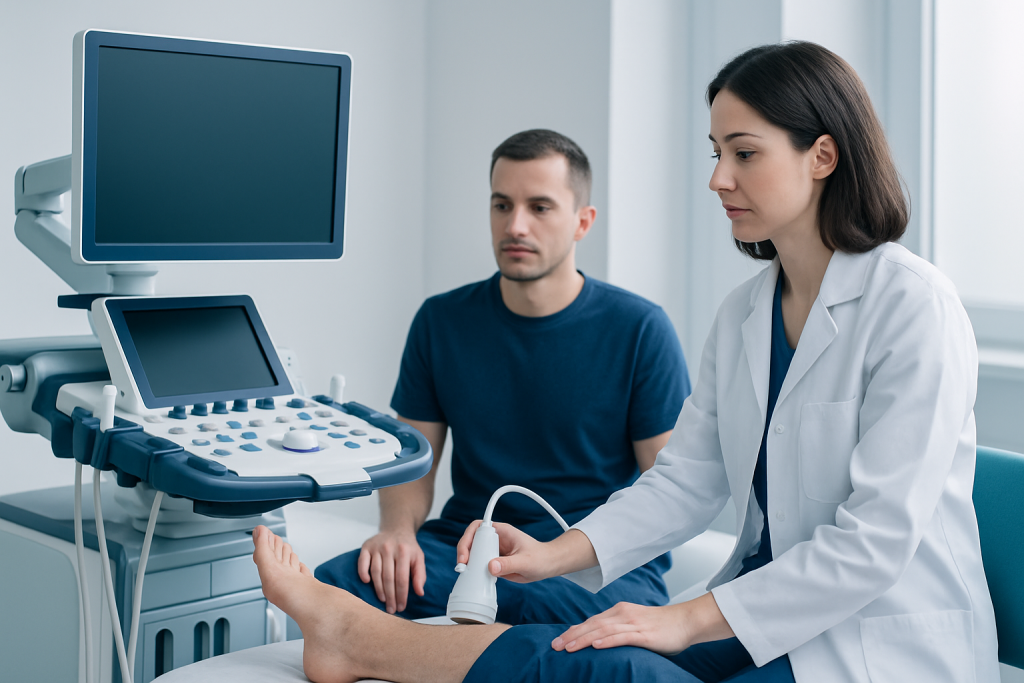
Toe symptoms can appear suddenly after an injury or build gradually over time. Pain may be sharp, aching, throbbing, burning, or tight, depending on the cause. Some people notice discomfort only when wearing shoes, while others have pain at rest or at night.
Common changes include swelling, redness, warmth, tenderness, stiffness, a crooked shape, a nail that grows into the skin, or skin thickening over pressure points. Numbness, tingling, blue or pale color changes, drainage, or an open sore are also important signs to notice.
- Pain when walking or standing on the forefoot
- Swelling after an injury or without a clear reason
- Red, warm skin around the toe or nail
- Difficulty bending or straightening the toe
- Changes in toe color, temperature, or sensation
Symptoms can be mild at first and then progress, especially if the toe keeps rubbing against footwear or if an underlying condition is not treated. Any symptom that is persistent, worsening, or associated with fever, wound drainage, or inability to bear weight deserves medical attention.
Causes & Risk Factors
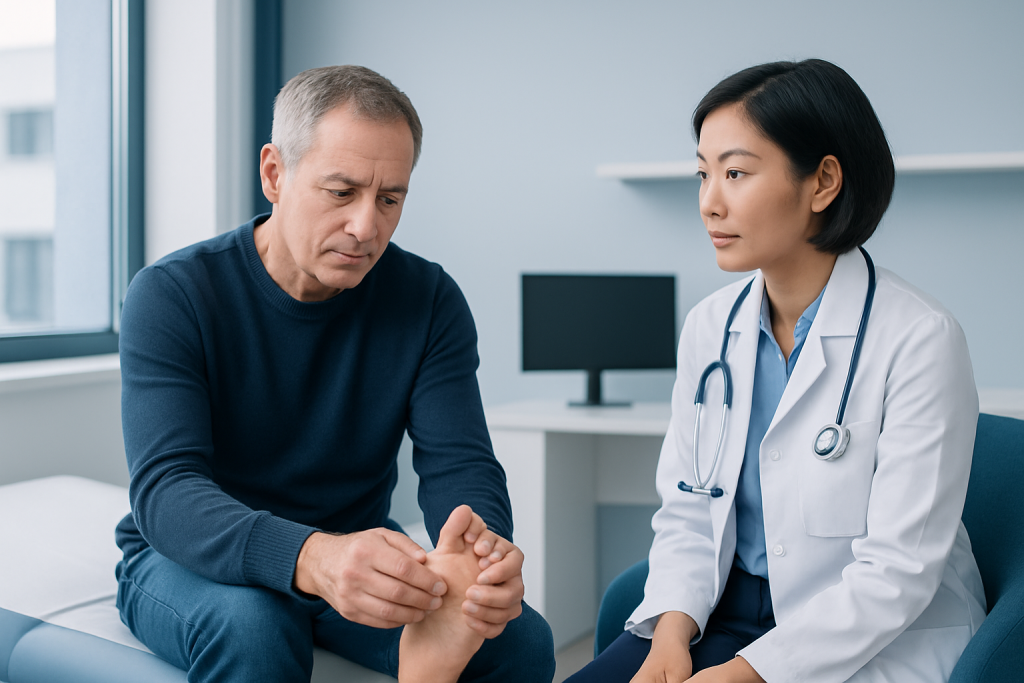
Toe pain and toe deformity have many possible causes. A stubbed toe, fracture, dislocation, sprain, or repetitive stress injury can cause pain and swelling. Shoes that are too tight, narrow, or high-heeled may worsen pressure on the toes and contribute to corns, calluses, hammertoes, or bunions.
Skin and nail conditions are also common. Ingrown toenails, fungal nail infections, blisters, and bacterial infections can all produce pain or swelling around the toe. Arthritis, including osteoarthritis and inflammatory forms such as gout, may lead to redness, stiffness, or sudden severe pain in a single toe.
Other contributors include diabetes, poor circulation, nerve injury, previous foot surgery, aging, and foot shape inherited from family members. People who spend long hours standing, run frequently, or travel often in unsupportive shoes may be more likely to notice toe symptoms.
Risk tends to rise when several factors combine, such as a pre-existing toe deformity plus pressure from footwear plus reduced sensation in the feet. In those situations, a small problem can become more persistent because the toe is repeatedly irritated during daily movement.
Diagnosis
Diagnosis starts with a detailed conversation about when the symptoms began, what makes them better or worse, and whether there was an injury, new footwear, travel, or sports activity before the problem started. The doctor will usually examine the toe, the rest of the foot, and the way the person walks.
Depending on the findings, testing may be helpful. X-rays can show fractures, joint changes, or deformities. Ultrasound, MRI, or other imaging may be used when soft tissue injury is suspected. If infection is present, a sample from drainage or a nail may be taken, and blood tests may help look for inflammation, gout, diabetes-related concerns, or infection.
The goal is not simply to name the toe problem, but to understand why it started and whether any broader issue is involved. That approach is especially useful for people arriving from another country, because a clear diagnosis helps plan treatment, travel timing, and follow-up care more safely.
Treatment Options
Treatment depends on the cause. A minor sprain or bruise may improve with rest, elevation, gentle protection, and supportive footwear. Fractures or dislocations may need immobilization, splinting, or, in some cases, a procedure to realign the toe. When pressure from shoes is contributing to pain, changing footwear can be as important as any medication.
For nail or skin problems, care may include trimming or treating an ingrown nail, cleaning and protecting the area, or prescribing medicine for infection. Inflammatory conditions such as gout or arthritis may be managed with anti-inflammatory treatment and longer-term planning to reduce future flare-ups. If a toe deformity is causing ongoing pain or difficulty walking, orthotic support, padding, and sometimes surgery may be discussed.
Common treatment approaches may include:
- Rest, ice, compression, and elevation for recent injuries
- Footwear changes with a wider toe box or better support
- Padding, taping, or custom inserts
- Medicines for pain, inflammation, or infection when appropriate
- Procedures or surgery for severe deformity, fracture, or recurrent nail problems
When patients travel for care, the treatment plan should also consider recovery time, mobility during the trip home, and whether a follow-up visit or virtual review will be needed after returning home. Clear instructions on wound care, activity limits, and warning signs make recovery easier to manage across countries.
Prevention & Self-care
Many toe problems can be eased or prevented with practical habits. Shoes should fit with enough room for the toes to move without rubbing. For people who stand or walk a lot, footwear with a stable sole and good support often reduces stress on the forefoot.
Regular foot checks are especially useful for people with diabetes, reduced sensation, or circulation problems. Looking for redness, skin breaks, nail changes, or swelling can help detect a concern before it becomes more difficult to treat. Keeping toenails trimmed straight across and avoiding aggressive cutting around the nail edges may also reduce ingrown nails.
Self-care can include resting the foot after strain, protecting a painful toe from repeated rubbing, and avoiding “pushing through” severe pain. If the toe is swollen, blue, numb, or very painful after an injury, it should not be treated as a routine sore spot.
Helpful daily habits include:
- Choosing shoes with a roomy toe area
- Changing socks regularly and keeping feet clean and dry
- Using padding or separators if advised by a clinician
- Addressing blisters, cuts, and nail problems early
- Following instructions for diabetes-related foot care if applicable
When to See a Doctor
Medical assessment is a good idea when toe pain lasts more than a few days, keeps returning, or affects walking. It is also important if the toe is visibly crooked, increasingly swollen, or painful enough to change normal movement patterns.
Urgent evaluation is recommended for signs of infection, such as spreading redness, warmth, pus, fever, or rapidly worsening pain. Sudden severe pain in a toe, especially with redness and swelling, may suggest gout or another inflammatory problem and should be checked promptly.
Anyone with diabetes, poor circulation, numbness, or a wound that is slow to heal should seek care early, even if the pain is modest. In these situations, toe issues can progress quietly, so an expert review is often the safest choice.
Acibadem Health Point’s multidisciplinary specialists and JCI-accredited hospitals can diagnose and treat toe conditions for international patients, with attention to both the medical plan and the practical realities of recovery away from home.
Living With Toe Problems
Toe conditions often improve when the cause is identified early and everyday pressure on the foot is reduced. Small adjustments, such as better footwear, a protective pad, or a structured rehabilitation plan, can make a noticeable difference in comfort and walking confidence.
For people recovering after treatment, progress is usually tracked by changes in pain, swelling, wound healing, and mobility rather than by appearance alone. It may take time for a toe to settle fully, especially after an injury or procedure, so a gradual return to activity is often safer than a rushed one.
When symptoms are persistent or complex, a specialist can help distinguish between a mechanical problem, an inflammatory condition, and an infection. That distinction matters because each one needs a different approach, and the right plan can protect long-term foot function.
Foot Health and Long-Term Protection
The toes work best when they are not forced to compensate for poor footwear, untreated pain, or changes in alignment. A long-term plan may include periodic foot checks, orthotic support, exercise guidance, or follow-up for chronic conditions such as arthritis or diabetes.
If a person has had one toe problem, paying attention to the rest of the foot is wise. Pressure patterns often affect neighboring toes, the ball of the foot, and the nail beds, especially when a person changes how they walk to avoid pain. Addressing the issue early can prevent a small problem from spreading into a wider one.
Toe health is often straightforward once the cause is clear. With the right evaluation and practical care, most people can return to comfortable walking and daily routines without overcomplicating the problem.
Frequently asked questions
What is the most common reason for toe pain?
Toe pain is often caused by a minor injury, pressure from footwear, a nail problem, or joint irritation. In some people, arthritis, gout, or a fracture is responsible, so ongoing pain should not be ignored.
Can a toe problem heal on its own?
Some mild bruises, blisters, and minor strains improve with rest and better footwear. If the toe is deformed, very swollen, infected, or painful for more than a few days, it should be evaluated.
When does a swollen toe need urgent care?
Urgent care is important if swelling comes with severe pain, fever, pus, spreading redness, numbness, blue or pale color, or inability to bear weight. These signs can point to infection, poor circulation, or a more serious injury.
Why does only one toe hurt or swell?
A single toe is often affected by a localized issue such as an ingrown nail, stubbed injury, gout, arthritis, or a small fracture. A doctor can usually narrow down the cause with an examination and, if needed, imaging or lab tests.
Do shoe changes really help toe pain?
Yes. Shoes with a wider toe box and better support can reduce rubbing and pressure, which often makes a meaningful difference. Footwear changes are especially helpful when the pain is caused or worsened by compression.
Should people with diabetes treat toe symptoms differently?
Yes, because reduced sensation and circulation problems can allow small issues to become more serious before they are noticed. Any new redness, cut, swelling, nail problem, or wound should be checked early.
References
- American Academy of Orthopaedic Surgeons
- Mayo Clinic
- National Institute of Arthritis and Musculoskeletal and Skin Diseases
- American Podiatric Medical Association
- NHS
This article is for general information only and is not a substitute for professional medical advice. Please consult a qualified doctor about your individual situation.
More from the Health Library



Related Specialists

Prof. Dr. Ahmet Alanay
Orthopedic Surgery & Traumatology
Dr. Sinan Aksu
Orthopedic Surgery & Traumatology
Dr. Sirri Baştürk
Orthopedic Surgery & Traumatology
Prof. Dr. Korhan Özkan
Orthopedic Surgery & Traumatology