

Axial Skeleton

Key Takeaways
- The axial skeleton includes the skull, spine, ribs, sternum, and related structures.
- It protects vital organs and supports posture, breathing, and movement.
- Pain, stiffness, numbness, or trauma affecting the back, neck, or chest may involve the axial skeleton.
- Diagnosis may include physical examination and imaging tests such as X-rays, CT, or MRI.
- Treatment depends on the cause and may range from rest and physical therapy to specialized procedures or surgery.
The axial skeleton forms the central framework of the body, protecting the brain, spinal cord, and organs while supporting posture and movement. Understanding its structure helps patients recognize when pain, injury, or disease may need medical attention.
Overview
The axial skeleton is the body’s central support system. It is made up of the skull, the vertebral column, the rib cage, the sternum, and several smaller connected structures. Together, these bones create a strong framework that protects the brain, spinal cord, heart, lungs, and other organs in the chest.
For many people, the axial skeleton is easiest to think of as the body’s core architecture. It holds the head upright, gives the torso its shape, and provides anchor points for muscles involved in breathing, chewing, speaking, and movement. Because it sits at the center of daily function, even a small problem in this region can affect comfort, mobility, and confidence.
Patients preparing for travel or Herniated Disc Treatment Abroad: Injection, Rehab, or Surgery?" class="ahp-ilk">treatment abroad often hear about the axial skeleton in the context of spine, trauma, or orthopedic care. In clinical practice, doctors look at this system as a whole, not just one painful area, because symptoms in the neck, back, ribs, or pelvis can be connected.
What the axial skeleton includes
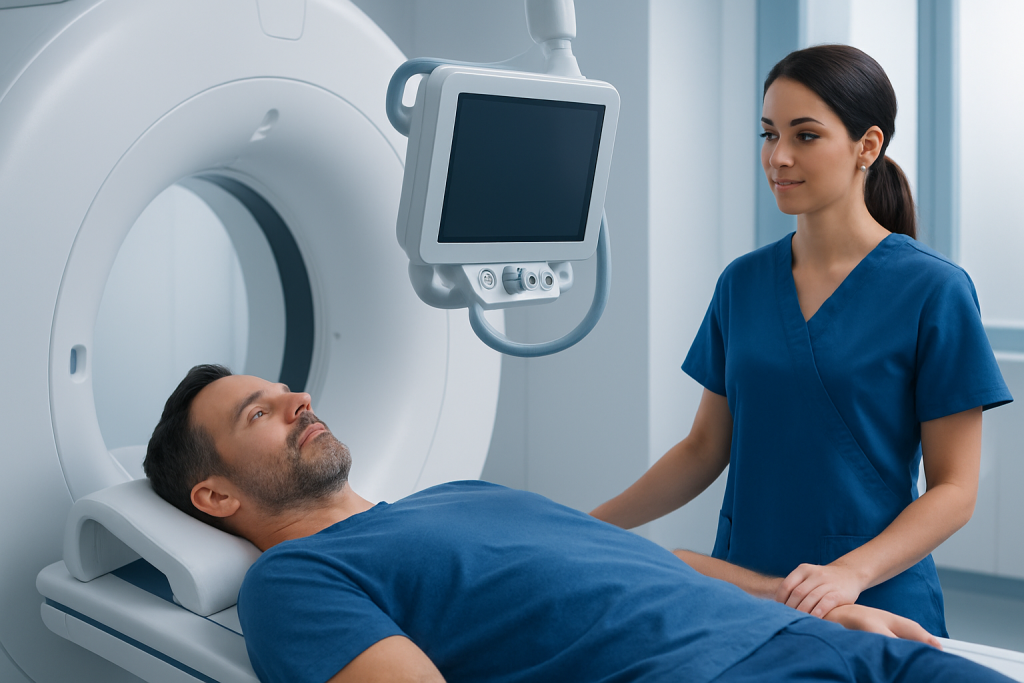
The axial skeleton is usually divided into a few main parts. The skull protects the brain and forms the framework of the face. The vertebral column, or spine, runs from the neck to the pelvis and is made of individual vertebrae separated by cushioning discs. The rib cage includes the ribs and sternum, creating a protective enclosure for the chest organs.
Some anatomy references also include the hyoid bone in the neck and the tiny auditory ossicles of the middle ear. These structures may be small, but they have important roles in speech, swallowing, and hearing. The exact list can vary slightly depending on the textbook, but the core idea remains the same: the axial skeleton is the body’s central bony axis.
Because this framework is so interconnected, a concern in one area may influence another. For example, changes in the spine can alter posture, and chest wall problems can affect breathing mechanics. That is why doctors often assess symptoms in context rather than focusing on a single bone or joint.
Symptoms and when the axial skeleton feels affected
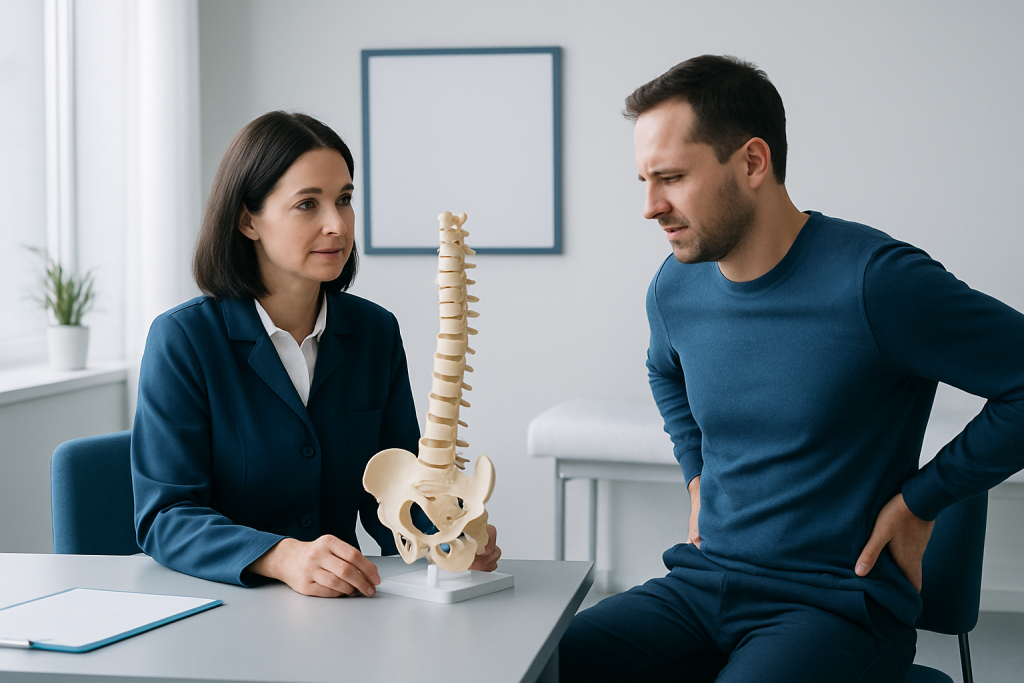
Problems involving the axial skeleton do not always cause obvious bone pain. Some people notice a deep ache in the neck or back, stiffness when getting out of bed, reduced range of motion, or tenderness after an injury. Others may feel pain that seems to spread around the ribs or into the shoulders.
More specific symptoms can appear depending on the structure involved. Compression or irritation of spinal nerves may cause numbness, tingling, weakness, or pain that travels into the arms or legs. Chest wall injuries may make deep breathing, coughing, or twisting uncomfortable. Skull or facial issues may lead to headaches, jaw discomfort, or difficulty with chewing or swallowing.
A few symptoms deserve especially careful attention because they may signal a more urgent issue rather than a routine strain:
- Sudden severe pain after a fall or accident
- New weakness, numbness, or loss of coordination
- Difficulty breathing with chest pain or rib pain
- Loss of bladder or bowel control with back pain
- Fever, unexplained weight loss, or pain that worsens at night
These symptoms do not always mean something serious, but they are reasons to seek prompt medical assessment.
Causes and risk factors
Axial skeleton problems can arise from many different causes. Common ones include muscle strain around the spine or rib cage, poor posture, falls, sports injuries, and repetitive stress. In everyday life, long hours at a desk, lifting with poor mechanics, or carrying heavy bags can place extra load on the neck and back.
Some conditions start inside the bones or joints themselves. Arthritis can affect the spine and nearby joints, causing stiffness and chronic pain. Osteoporosis may weaken bones and increase the chance of fractures, especially in the vertebrae and ribs. Infections, inflammatory disorders, tumors, and congenital conditions can also affect the axial skeleton, although these are less common.
Risk tends to increase with age, previous injury, low bone density, smoking, poor nutrition, limited physical activity, and certain medical conditions or long-term medicines. For international patients, it can be helpful to bring prior imaging reports, a medication list, and a timeline of symptoms, because these details often help specialists identify whether the issue is new, long-standing, or part of a broader condition.
Diagnosis
Doctors begin with a detailed history and physical examination. They ask where the pain is located, when it started, what makes it better or worse, and whether there are symptoms such as numbness, fever, trauma, or changes in walking. A careful exam helps distinguish bone, joint, nerve, and muscle-related causes.
Imaging is often used when the symptoms suggest injury, structural change, or another condition that cannot be confirmed by exam alone. X-rays may show fractures, alignment issues, or bone thinning. CT scans can provide detailed cross-sectional views of bone, while MRI is especially useful for discs, nerves, ligaments, and the spinal cord. In some cases, blood tests may be ordered to look for infection, inflammation, or metabolic bone disease.
The right test depends on the clinical question. A person with a recent fall and rib pain may need a different evaluation from someone with gradual neck stiffness or tingling in the hands. When patients are visiting a new country for care, bringing past scans or reports can reduce duplicate testing and help the team build a clearer picture more quickly.
Treatment options
Treatment is guided by the cause, the severity of symptoms, and whether nerves or organs are involved. Many mild muscle and joint problems improve with rest, activity modification, ice or heat, gentle movement, and physical therapy. A clinician may also recommend posture training, ergonomic changes, or supportive devices such as braces in selected situations.
When bone health is part of the issue, treatment may include measures to improve bone strength and reduce fracture risk. For inflammatory conditions, doctors may use medicines that calm the immune response. If a fracture is unstable, a nerve is compressed, or deformity is significant, surgery may be considered. The goal is always to protect function, relieve pain, and prevent further harm.
Rehabilitation is often a major part of recovery. Physical therapists can help restore flexibility, strengthen the core and back muscles, and improve balance. For patients traveling internationally, treatment planning should also include follow-up timing, local rehabilitation options after returning home, and a clear explanation of warning signs that should prompt re-evaluation.
Prevention and self-care
Many axial skeleton problems can be reduced with habits that protect the spine and chest wall. Good posture, regular movement, safe lifting techniques, and strengthening exercises help the body distribute force more evenly. A balanced diet with adequate calcium and vitamin D supports bone health, especially in people at risk for osteoporosis.
Simple self-care can make a real difference in day-to-day comfort. Short walking breaks during long periods of sitting, a supportive chair, and sleeping positions that keep the spine neutral may ease strain. For people recovering from injury, gradual return to activity is usually safer than trying to resume full effort too quickly.
- Maintain a healthy, active routine with core and back strengthening
- Use proper technique when lifting or reaching
- Avoid smoking, which can impair bone and tissue health
- Wear seatbelts and appropriate protective gear during sports and travel
- Follow medical advice for bone density, vitamin intake, and rehabilitation
Self-care should be individualized. What helps one patient may not be enough for another, especially if pain is linked to a fracture, nerve compression, or systemic disease.
When to see a doctor
Medical evaluation is appropriate when pain is persistent, keeps returning, or limits normal activity. It is also important to seek care if the pain follows an injury, especially a fall, car accident, or sports impact. Numbness, weakness, unsteady walking, or pain that radiates down the arms or legs should not be ignored.
People should also see a doctor if chest pain, shortness of breath, fever, unexplained weight loss, or nighttime pain appears along with symptoms affecting the axial skeleton. These features may indicate a condition that needs testing rather than simple home care.
For patients traveling for treatment, it is reasonable to arrange care before leaving home or soon after arrival if symptoms are worsening. Acibadem Health Point’s multidisciplinary specialists and JCI-accredited hospitals diagnose and treat axial skeleton-related conditions for international patients, helping coordinate imaging, specialist review, and follow-up planning.
Frequently asked questions
What is the axial skeleton in simple terms?
The axial skeleton is the body’s central bony framework. It includes the skull, spine, rib cage, and sternum, and it helps protect vital organs while supporting posture and movement.
Is the axial skeleton the same as the spine?
No. The spine is one part of the axial skeleton, but the axial skeleton also includes the skull and the chest bones such as the ribs and sternum. Together, these structures form the body’s core support system.
What problems can affect the axial skeleton?
Common issues include strains, fractures, arthritis, osteoporosis, and spinal nerve compression. Less commonly, infections, inflammatory diseases, or tumors may be involved.
How do doctors check for an axial skeleton problem?
They usually start with a physical examination and symptom review, then use imaging such as X-rays, CT, or MRI when needed. Blood tests may also help if infection, inflammation, or bone disease is suspected.
Can posture affect the axial skeleton?
Yes. Poor posture can increase stress on the neck, back, and chest wall over time. Healthy ergonomics, movement breaks, and strengthening exercises can help reduce strain.
When is back or chest pain an emergency?
Emergency care is important if pain comes with major trauma, breathing trouble, new weakness, loss of bladder or bowel control, or severe unexplained symptoms. These signs need prompt medical assessment.
References
- Mayo Clinic
- Cleveland Clinic
- National Institute of Arthritis and Musculoskeletal and Skin Diseases
- Merck Manual Consumer Version
- World Health Organization
This article is for general information only and is not a substitute for professional medical advice. Please consult a qualified doctor about your individual situation.
More from the Health Library


Related Specialists

Prof. Dr. Ahmet Alanay
Orthopedic Surgery & Traumatology
Dr. Sinan Aksu
Orthopedic Surgery & Traumatology
Dr. Sirri Baştürk
Orthopedic Surgery & Traumatology
Prof. Dr. Korhan Özkan
Orthopedic Surgery & Traumatology