

Piriformis Stretch

Key Takeaways
- The piriformis is a small deep muscle that helps rotate the hip and can contribute to buttock discomfort when irritated or tight.
- A piriformis stretch may support mobility and comfort, but it should be gentle and never force pain.
- Symptoms such as numbness, weakness, or pain that travels below the knee deserve medical assessment rather than self-treatment alone.
- Diagnosis often includes a history, physical examination, and sometimes imaging or nerve testing to rule out other causes.
- Recovery plans may combine stretching with posture changes, activity adjustment, strengthening, and guided rehabilitation.
- People traveling for care can benefit from a coordinated rehabilitation plan and clear follow-up instructions before returning home.
A piriformis stretch is often used to ease tightness in the deep muscles of the buttock and may help with pain that feels similar to sciatica. The best results usually come from correct technique, steady practice, and a clear understanding of when stretching is helpful—and when another evaluation is needed.
Overview
The piriformis is a small, deep muscle in the buttock that helps stabilize and rotate the hip. When it becomes irritated, overworked, or unusually tight, it can create discomfort in the buttock and sometimes mimic the feeling of sciatica.
A piriformis stretch is one of the most familiar self-care tools used to address this type of tightness. It is not a cure-all, but it can be useful as part of a broader rehabilitation plan that also looks at movement habits, muscle balance, and daily posture.
For people who spend long hours sitting, walk or train on uneven surfaces, or notice a one-sided ache when climbing stairs or getting up from a chair, the piriformis may be part of the picture. Understanding the muscle’s role makes it easier to use stretching safely and with realistic expectations.
Symptoms
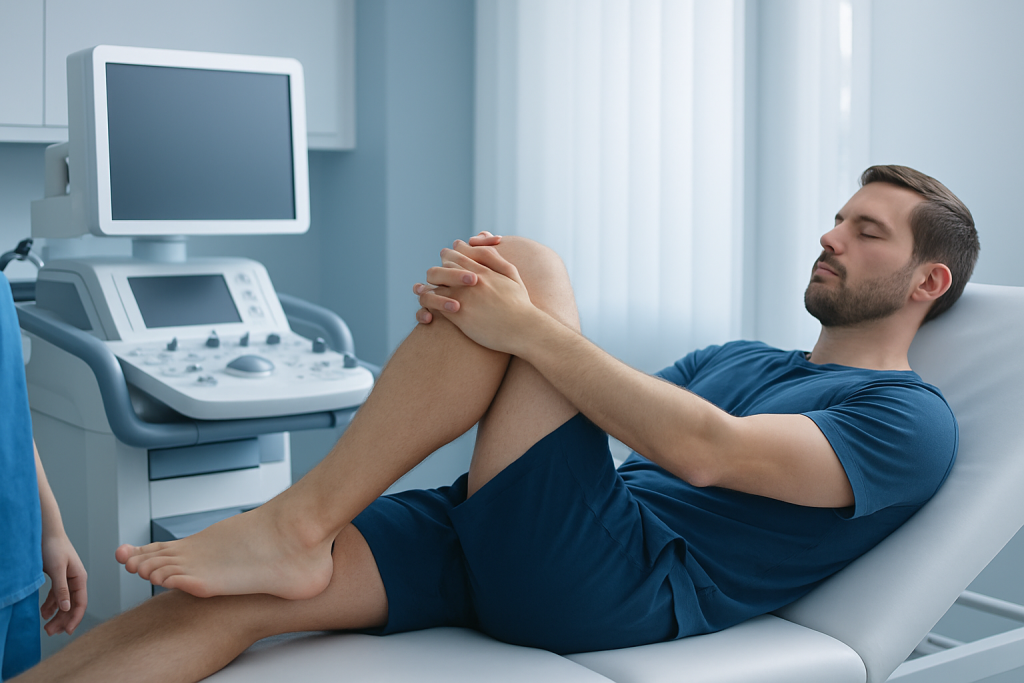
Piriformis-related discomfort is often felt deep in the buttock, sometimes more on one side than the other. The pain may appear when sitting for a long time, rising from a seated position, squatting, or rotating the hip.
Some people notice a dull ache, while others describe a sharp or burning sensation. In certain cases, discomfort can seem to travel toward the back of the thigh, which is why piriformis irritation is sometimes confused with nerve pain coming from the lower back.
Common features may include:
- Deep buttock pain or tenderness
- Discomfort that worsens with sitting
- Hip stiffness or limited rotation
- Pain during walking, stairs, or exercise
- Occasional tingling-like sensations in the back of the leg
Because these symptoms can resemble other conditions, the exact cause should not be assumed without a proper assessment. A piriformis stretch may help some people, but symptoms that are persistent, unusual, or progressive need medical review.
Causes & Risk Factors

Piriformis symptoms often develop when the muscle is overused, strained, or held in a shortened position for long periods. Repetitive movements, prolonged sitting, poor ergonomic setup, and certain sports can all place extra stress on the hip and buttock region.
In some people, the piriformis may also irritate the nearby sciatic nerve or nearby tissues. This does not always mean the muscle is the sole cause; lower back problems, hip joint issues, or other nerve-related conditions can create similar pain patterns.
Factors that may contribute include:
- Extended sitting, especially on hard surfaces
- Running, cycling, or climbing activities with repetitive hip use
- Sudden increases in exercise intensity
- Muscle imbalance in the hips, glutes, or core
- Previous injury to the lower back, pelvis, or hip
International patients sometimes arrive with a diagnosis from elsewhere, but a careful reassessment can still be useful. Pain labels are not always precise, and treatment tends to work best when the underlying movement problem is identified rather than assumed.
Diagnosis
Diagnosis usually begins with a detailed conversation about where the pain is felt, what makes it better or worse, and whether it is linked to sitting, exercise, or recent injury. A clinician will then examine the hips, lower back, legs, posture, and walking pattern.
Because piriformis discomfort can resemble sciatica, clinicians often look for clues that separate muscle-related pain from spinal nerve compression or hip joint disease. Tests may include gentle movement assessments, pressure over the buttock, strength checks, and nerve-related screening maneuvers.
Depending on the findings, imaging or other tests may be used to rule out conditions such as lumbar disc problems, sacroiliac joint issues, or hip disorders. The goal is not simply to name the pain, but to understand whether stretching is appropriate and what else should be included in care.
Treatment Options
For many people, the first step is a conservative plan that combines rest from aggravating activity, targeted stretching, and gradual return to movement. A piriformis stretch may be included, but it should be gentle, controlled, and matched to the person’s comfort level.
Rehabilitation may also involve strengthening the gluteal muscles, improving core stability, and adjusting sitting or training habits. If symptoms are linked to posture or repetitive movement, these changes can be just as important as the stretch itself.
Typical treatment approaches may include:
- Supervised stretching and mobility work
- Strengthening for the hips and trunk
- Activity modification or short-term load reduction
- Heat or other comfort measures recommended by a clinician
- Manual therapy or guided rehabilitation when appropriate
In more stubborn cases, doctors may consider additional options after examination. These are individualized and should be discussed with a qualified professional, especially when pain is affecting sleep, travel, work, or walking tolerance.
How to Do a Piriformis Stretch Safely
A piriformis stretch is usually performed in a position that gently brings one hip across the body or into external rotation. A common example is the figure-four position, done while lying on the back, with one ankle resting over the opposite knee and the legs drawn in only as far as comfortable.
The key is to avoid forcing the movement. A helpful stretch should create a mild to moderate release in the buttock or outer hip, not a sharp pain, numbness, or tingling that travels down the leg. Slow breathing and steady positioning generally work better than bouncing or pushing harder.
Practical safety points include:
- Warm up briefly before stretching if possible
- Move slowly into the position and stop at the first sign of strain
- Keep the lower back relaxed rather than arching forcefully
- Use a towel, strap, or clinician guidance if mobility is limited
- Stop if symptoms worsen or spread
When care is coordinated by a rehabilitation specialist, the stretch can be tailored to body type, prior surgery, pregnancy status, or other health considerations. That is especially helpful for international patients who may need a plan that remains safe after they return home and continue exercises independently.
Prevention & Self-care
Long-term relief often depends on what happens outside the stretching routine. Regular movement breaks, balanced training, and a more supportive sitting setup can reduce repeated irritation of the deep hip muscles.
People who work at desks may benefit from standing up periodically, changing positions, and avoiding a habit of sitting with one leg crossed for hours. Runners and cyclists may need attention to training load, footwear, seat height, or technique if symptoms keep returning.
Useful self-care habits include:
- Taking short movement breaks during long sitting periods
- Building hip and core strength gradually
- Avoiding sudden jumps in exercise intensity
- Using a clinician-approved stretch routine consistently
- Tracking which movements trigger symptoms
Self-care is most effective when it is specific. A plan based on the person’s exact symptoms, sport, work routine, and travel schedule is usually more practical than a generic set of exercises copied from a video.
When to See a Doctor
Medical evaluation is a good idea when pain lasts more than a short time, keeps returning, or does not improve with gentle stretching and activity adjustment. It is especially important to get checked if the pain is interfering with walking, sitting, sleep, or daily function.
Seek prompt medical advice if symptoms include numbness, weakness, worsening pain that travels below the knee, fever, unexplained weight loss, or a recent injury. These features can suggest a problem beyond simple muscle tightness and deserve a proper examination.
For people traveling for care, it can be helpful to leave with a clear diagnosis, written exercise instructions, and guidance on what symptoms should trigger follow-up. Acibadem Health Point’s multidisciplinary specialists and JCI-accredited hospitals diagnose and treat this condition for international patients, with rehabilitation plans designed to support continuity of care after discharge.
Frequently asked questions
What does a piriformis stretch help with?
It may help reduce tightness in the deep buttock muscles and improve hip mobility. Some people also find it eases pain patterns that feel similar to sciatica. It works best when used as part of a broader rehabilitation plan.
How long should a piriformis stretch be held?
There is no single ideal duration for everyone, and the stretch should be guided by comfort and professional advice. In general, gentle, sustained holds are preferred over bouncing or forcing the movement. A clinician can recommend a routine that matches the person’s symptoms and flexibility.
Can piriformis pain feel like sciatica?
Yes, the symptoms can overlap, which is why the two are sometimes confused. Pain may travel into the back of the thigh and feel sharp or burning. A proper examination helps distinguish muscle-related pain from nerve irritation in the spine or elsewhere.
Should a piriformis stretch cause pain?
No, it should not create sharp pain or make symptoms clearly worse. A mild stretch sensation is usually acceptable, but tingling, numbness, or spreading pain means the position should be stopped. If that happens often, a clinician should review technique and diagnosis.
What if stretching does not help?
If symptoms do not improve, the cause may not be simple muscle tightness, or another issue may be contributing. In that case, a medical evaluation is appropriate so the care plan can be adjusted. Treatment may need strengthening, posture changes, manual therapy, or further testing.
Can people travel after treatment for piriformis pain?
Many people can travel, but timing depends on the severity of symptoms and the treatment plan. It is helpful to know which movements to avoid, how to continue exercises during travel, and when to arrange follow-up after returning home. A clear rehabilitation plan makes this much easier.
References
- American Academy of Orthopaedic Surgeons
- National Institute of Neurological Disorders and Stroke
- Mayo Clinic
- Cleveland Clinic
- World Health Organization
This article is for general information only and is not a substitute for professional medical advice. Please consult a qualified doctor about your individual situation.
More from the Health Library



Related Specialists

Dr. Murat Sağlam
Emergency Service
Prof. Dr. Muzaffer Olcay Çizmeli
Interventional Neuroradiology
Dr. Cem Öncüloğlu
Gynecology & Obstetrics
Assoc. Prof. Dr. Kayahan Karaytuğ
Orthopedic Surgery & Traumatology