SVT: Symptoms, Causes and Treatment

Key Takeaways
- SVT is a type of arrhythmia that usually causes a sudden, rapid heartbeat.
- Episodes may last seconds, minutes, or longer and can come with chest discomfort, dizziness, or shortness of breath.
- Diagnosis often involves an ECG, heart monitoring, and a review of personal triggers and medical history.
- Treatment may include vagal maneuvers, medicines, or procedures such as catheter ablation.
- People with recurrent, severe, or first-time symptoms should seek medical evaluation.
Medically reviewed by the Acıbadem clinical team — August 19, 2026
SVT, or supraventricular tachycardia, is a fast heart rhythm that begins above the heart’s lower chambers and often starts and stops suddenly. It can feel unsettling, but many cases are manageable once the rhythm is correctly identified and the trigger pattern is understood.
Overview
SVT stands for supraventricular tachycardia, a fast heart rhythm that starts in the upper part of the heart, above the ventricles. In simple terms, the heart’s electrical system briefly misfires and sends signals too quickly, making the pulse race. Many people describe the experience as a sudden “flip” in the chest rather than a gradual increase in heart rate.
SVT can happen in otherwise healthy people, and it does not always point to a serious underlying heart problem. Still, it deserves proper evaluation because similar symptoms can come from other rhythm disorders, thyroid problems, anemia, dehydration, or medication effects. A careful diagnosis helps distinguish SVT from conditions that need different treatment.
For international patients, SVT often becomes a practical question as much as a medical one: whether the episode is safe to monitor at home, whether travel plans can continue, and which tests should be done before returning abroad. Clear answers usually come from a structured heart evaluation rather than from symptoms alone.
Symptoms
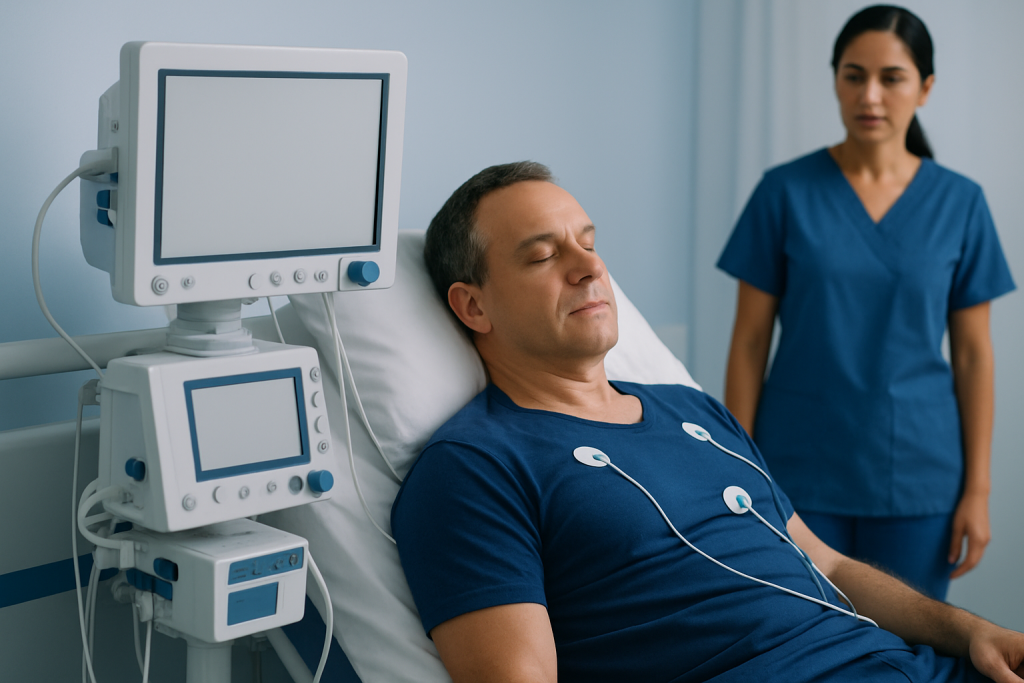
SVT typically begins and ends abruptly. Someone may feel perfectly well one moment and then notice the heart pounding, fluttering, or racing the next. Because the rhythm is fast, the heart may not fill as efficiently between beats, which can cause additional symptoms.
Common symptoms include:
- A rapid or irregular-feeling heartbeat
- Palpitations or chest fluttering
- Lightheadedness or dizziness
- Shortness of breath
- Chest tightness or mild discomfort
- Fatigue or weakness after the episode
Some episodes are brief and stop on their own. Others last longer and may be triggered by stress, caffeine, alcohol, lack of sleep, illness, or strenuous activity. In some people, SVT is discovered only during a routine exam or monitoring test because they have few symptoms between episodes.
Symptoms that include fainting, severe chest pain, marked breathlessness, or confusion should always be assessed promptly, since they may indicate a more urgent situation or a different rhythm disturbance.
Causes & Risk Factors

SVT happens when the heart’s electrical signals take an abnormal pathway or loop. Instead of traveling in a steady, coordinated way, the signal circles back or reenters earlier tissue and drives the heart faster than normal. There are several types of SVT, including atrioventricular nodal reentrant tachycardia and atrioventricular reentrant tachycardia, and the exact mechanism influences treatment planning.
Risk factors and possible triggers can include:
- Stimulants such as caffeine, nicotine, or some decongestants
- Stress, anxiety, or poor sleep
- Dehydration or electrolyte imbalance
- Fever or acute illness
- Thyroid overactivity
- Structural heart disease in some patients
- Family history of certain rhythm disorders
Not every episode has a clear trigger. Some people notice a pattern after exercise, heavy meals, alcohol, or emotional strain, while others cannot identify a consistent cause. A doctor may also look for medication side effects, especially if the person uses inhalers, weight-loss products, or over-the-counter cold remedies that can affect heart rate.
Diagnosis
Diagnosis usually starts with a discussion of the episode itself: how quickly it began, how long it lasted, what it felt like, and whether anything seemed to bring it on. That history matters because SVT often comes and goes, so the heart rhythm may be normal by the time the person reaches a clinic or emergency department.
An electrocardiogram, or ECG, is the main test used to document the rhythm. If the episode is not happening during the visit, a doctor may recommend a Holter monitor, patch monitor, event recorder, or another wearable device to capture intermittent symptoms. Blood tests may also be used to check for contributing issues such as thyroid disease, anemia, or electrolyte changes.
In selected cases, an echocardiogram is ordered to look at the heart’s structure and pumping function. This is especially helpful if symptoms are frequent, severe, or accompanied by signs of another heart condition. For travelers or patients planning treatment abroad, doctors often try to complete as much diagnostic work as possible in one coordinated visit so the follow-up plan is clear before returning home.
Treatment Options
Treatment depends on how often the SVT occurs, how long episodes last, how severe the symptoms are, and whether another heart problem is present. If an episode is active and the person is medically stable, clinicians may first try vagal maneuvers, which are techniques that stimulate the body’s natural reflexes to slow the heart rate. These should be taught by a healthcare professional so they are used correctly and safely.
Medicines may be used to stop an episode or reduce the chance of recurrence. The choice of medication depends on the type of SVT and the person’s overall health, so this is best tailored by a cardiologist. In some situations, doctors may recommend a procedure called catheter ablation, which targets the small area of heart tissue causing the abnormal electrical circuit. For many patients with repeated episodes, ablation is considered because it can address the source of the rhythm rather than only control symptoms.
Emergency care may be needed if the person is unstable, has Blood Pressure: Symptoms, Causes and Treatment" class="ahp-ilk">low blood pressure, severe symptoms, or another concerning heart condition. In those settings, the team may use monitored therapies to restore a normal rhythm quickly and safely. For international patients, treatment plans often also include guidance on whether it is reasonable to fly, when to resume exercise, and what follow-up testing should happen after returning home.
Prevention & Self-care
Not every episode of SVT can be prevented, but some people reduce their recurrence by learning their personal triggers and making practical adjustments. Regular hydration, adequate sleep, and limiting excess stimulants may help, especially if episodes tend to appear during stressful periods or after poor rest.
Self-care strategies may include:
- Keeping a symptom diary with date, time, duration, and possible triggers
- Discussing caffeine, alcohol, nicotine, and decongestant use with a clinician
- Taking prescribed medicines consistently, if advised
- Managing stress with routines that are realistic and sustainable
- Following a doctor’s instructions about exercise and travel
Patients who have been taught vagal maneuvers may use them as directed when an episode begins, but they should not delay medical care if symptoms feel different from prior episodes or if they become more intense. After treatment, follow-up is important because the care team may want to confirm that the rhythm is controlled and that no other heart issue is being missed.
When to See a Doctor
A doctor should evaluate any first-time episode of rapid heartbeat, especially if it lasts more than a few minutes, keeps returning, or causes significant discomfort. Even if symptoms settle on their own, a medical review can help identify the rhythm and reduce uncertainty about what to do next.
Prompt medical attention is especially important if SVT is associated with fainting, severe chest pain, severe shortness of breath, weakness, or confusion. People with known heart disease, pregnancy, or a history of rhythm disorders should also discuss new symptoms early, since the safest approach can vary from one situation to another.
For patients who are considering care away from home, planning ahead matters. A cardiology team can help confirm the diagnosis, explain the treatment options, and outline what is needed before travel, during treatment, and after discharge. At Acibadem Health Point, multidisciplinary specialists and JCI-accredited hospitals diagnose and treat SVT for international patients with coordinated, patient-centered care.
Living With SVT
Many people with SVT learn to live well once they understand their pattern and have a clear plan for episodes. The goal is not only to stop a fast rhythm when it appears, but also to reduce fear and uncertainty so daily life feels manageable again. A well-documented diagnosis can be reassuring because it turns a vague symptom into a defined condition with known treatment paths.
Patients may benefit from keeping copies of ECG results, medication lists, and procedure reports, especially when receiving care across borders. This makes follow-up easier if symptoms recur or if another doctor needs to review the history. A practical, organized record often saves time and prevents duplicated testing.
In many cases, SVT is treatable and controllable. With the right evaluation, people can usually return to normal routines, make informed choices about triggers, and know when to seek help without overreacting to every heartbeat change.
References
Authoritative sources used to inform this article include cardiology society guidance and major public health resources. They support current understanding of SVT symptoms, diagnosis, and treatment.
- American Heart Association
- National Heart, Lung, and Blood Institute
- European Society of Cardiology
- Mayo Clinic
- Merck Manual Professional Edition
Frequently asked questions
What does SVT feel like?
SVT often feels like a sudden racing or fluttering heartbeat that starts and stops quickly. Some people also notice lightheadedness, shortness of breath, or chest tightness. Others may only feel the rapid pulse and nothing else.
Is SVT dangerous?
SVT is often not dangerous in otherwise healthy people, but it still deserves medical evaluation. The concern depends on how long episodes last, how severe the symptoms are, and whether there is another heart condition present. A doctor can help determine the level of risk in each case.
Can SVT go away on its own?
Yes, some episodes stop without treatment. Even so, recurrent or unexplained episodes should be checked by a clinician so the rhythm can be identified and managed appropriately. Self-resolving symptoms do not always mean the cause is harmless.
How is SVT diagnosed if the episode is gone by the time I see a doctor?
Doctors often use a combination of history, ECG, and ambulatory monitoring such as a Holter or event recorder. These tools can capture an intermittent rhythm that is not present during a short office visit. Blood tests and heart imaging may also be used when needed.
What is the most common treatment for recurring SVT?
Treatment depends on the SVT type and how often it happens, but catheter ablation is a common option for recurrent episodes. Medicines and vagal maneuvers may also be used, depending on the situation. A cardiologist can explain which option best fits the patient’s rhythm pattern and overall health.
Should someone with SVT avoid exercise or travel?
Not necessarily, but activity and travel plans should be discussed with a doctor if episodes are frequent or severe. Many people can exercise and travel safely once the rhythm is evaluated and a plan is in place. It is wise to know what symptoms would require urgent medical attention.
References
- American Heart Association
- National Heart, Lung, and Blood Institute
- European Society of Cardiology
- Mayo Clinic
- Merck Manual Professional Edition
This article is for general information only and is not a substitute for professional medical advice. Please consult a qualified doctor about your individual situation.
Explore treatments in Turkey — costs, top hospitals & a free quote
JCI-accredited · board-certified surgeons · reply within 24h
Add us as a Preferred Source to see more of our trusted health content across Google Search, AI Overviews and Discover.