Low Blood Pressure: Symptoms, Causes and Treatment

Key Takeaways
- Low blood pressure is not always a problem, but symptoms such as fainting or confusion should be taken seriously.
- Common triggers include dehydration, medications, heart conditions, and sudden changes in position.
- Diagnosis focuses on blood pressure readings, symptoms, medical history, and sometimes heart or blood tests.
- Treatment depends on the underlying cause and may include lifestyle changes, medication review, and targeted medical care.
- People with repeated dizziness, falls, or fainting should speak with a doctor rather than trying to self-diagnose.
Medically reviewed by the Acıbadem clinical team — August 19, 2026
Low blood pressure, also called hypotension, is often harmless, but in some people it can cause dizziness, fainting, fatigue, or other symptoms that deserve attention. Understanding why it happens and how it is evaluated can help patients manage it safely and know when to seek medical advice.
Overview
Low blood pressure, or hypotension, means blood is flowing through the body at a lower pressure than expected. For many people, this is simply a normal variation and does not cause any harm. In others, however, the pressure is low enough to reduce blood flow to the brain and other organs, leading to symptoms that can interfere with daily life.
The experience can be very different from person to person. One patient may feel nothing at all and only learn about low readings during a routine check, while another may notice lightheadedness when standing, blurred vision, or a brief spell of fainting after a long flight, illness, or a change in medication. The key question is not only the number on the monitor, but whether the body is coping well with that pressure.
In medical practice, low blood pressure is usually discussed alongside the person’s overall situation: age, hydration status, medicines, heart health, and whether symptoms appear at rest or after standing. That wider view helps doctors decide whether the finding is harmless, temporary, or a clue to a condition that needs treatment.
Symptoms
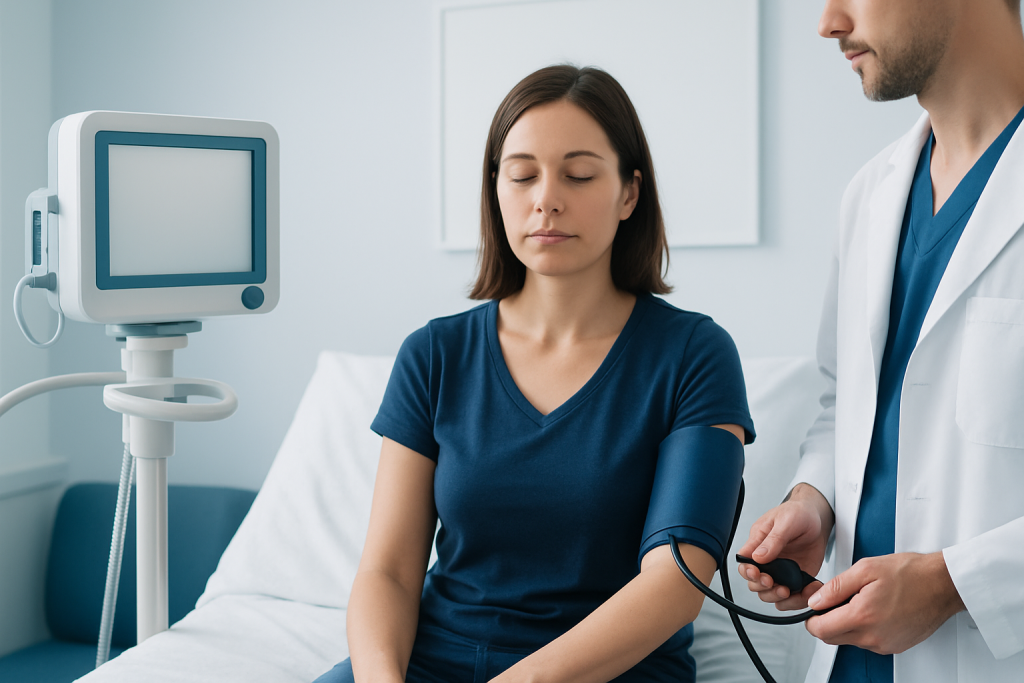
Some people with low blood pressure have no symptoms at all. Others may notice signs that appear when the brain briefly receives less blood flow, especially after standing up quickly, after meals, during illness, or after exertion. These symptoms can come and go, which is one reason they are sometimes overlooked.
Common symptoms may include:
- Dizziness or lightheadedness
- Fainting or near-fainting
- Blurred or dim vision
- Fatigue or unusual weakness
- Nausea
- Difficulty concentrating
- Cold, clammy skin in some situations
In more pronounced cases, low blood pressure can cause confusion, chest discomfort, shortness of breath, or a rapid, weak pulse. These symptoms may point to a more urgent problem, particularly if they occur suddenly, after blood loss, during infection, or with dehydration. Recurrent falls are also an important signal, especially in older adults.
Causes & Risk Factors

Low blood pressure can have many causes, and sometimes more than one is present at the same time. A common and very manageable reason is dehydration, which reduces the amount of circulating fluid in the body. This may happen during vomiting, diarrhea, fever, heavy sweating, or when fluid intake is low during travel or recovery.
Medicines are another frequent contributor. Blood pressure tablets, diuretics, some antidepressants, Parkinson’s medications, and certain heart medicines may lower pressure too much for some patients. Other causes include heart rhythm problems, heart failure, endocrine disorders such as adrenal insufficiency or thyroid disease, severe infection, blood loss, and allergic reactions.
Risk is higher in people who are older, who have been ill for several days, who stand up quickly after sitting or lying down, or who have long periods of bed rest. Pregnancy can also lower blood pressure, especially in the early stages. Orthostatic hypotension, a drop in blood pressure on standing, is especially common when the body cannot adjust quickly enough to the change in position.
Diagnosis
Diagnosis starts with a careful conversation, because the story behind the reading often matters more than the number alone. A doctor will usually ask when symptoms occur, what medicines are being used, whether there has been recent illness or fluid loss, and whether fainting or falls have happened. This history helps separate an occasional low reading from a pattern that needs treatment.
Blood pressure is typically measured more than once, sometimes while lying down, sitting, and standing. This helps detect a positional drop. Depending on the situation, the doctor may also check the pulse, review the heart rhythm, order blood tests to look for anemia, dehydration, infection, or hormone problems, and sometimes arrange an ECG or other heart tests.
For international patients, evaluation may be especially practical when symptoms have been happening during travel, after a change in climate, or after starting a new medicine abroad. In those cases, the doctor may focus not only on the reading itself, but also on the timing of symptoms and the context in which they started.
Treatment Options
Treatment depends on the cause. If low blood pressure is related to dehydration, restoring fluids is often the first step. If a medicine is contributing, a doctor may adjust the dose, timing, or type of medicine. When the cause is an underlying condition such as blood loss, infection, or a hormone disorder, treatment is directed at that problem first.
For some people, especially those with orthostatic symptoms, practical measures can reduce episodes. These may include standing up slowly, avoiding long periods of immobility, eating smaller meals if symptoms occur after eating, and discussing salt and fluid intake with a clinician when appropriate. Compression stockings may help some patients by supporting circulation in the legs.
In selected cases, doctors may recommend medication to raise blood pressure, but this is not needed for everyone and should only be used after proper assessment. The best plan is individualized, because raising blood pressure too much can create other risks. That is why symptoms, medications, and the person’s overall health are considered together rather than treating the monitor reading in isolation.
Prevention & Self-care
Not every episode of low blood pressure can be prevented, but many people can reduce symptoms with steady daily habits. Regular hydration is important, particularly during hot weather, long flights, gastrointestinal illness, or physical activity. Gentle position changes can also help the body adapt more smoothly, especially when getting out of bed in the morning.
Practical self-care steps may include:
- Drinking enough fluids unless a doctor has advised restriction
- Standing up gradually from sitting or lying positions
- Avoiding skipped meals if symptoms appear when hungry
- Reviewing medicines with a doctor or pharmacist
- Limiting alcohol if it worsens dizziness
- Using support stockings if recommended
Keeping a symptom diary can be useful. Noting when dizziness happens, what was eaten or drank, and which activities or medicines were involved can help the doctor identify patterns. For patients traveling for care, bringing a medication list and previous medical records can make follow-up more efficient and reduce delays in identifying the cause.
When to See a Doctor
Medical review is recommended when low blood pressure comes with repeated dizziness, fainting, falls, new weakness, or trouble thinking clearly. Even if the episodes are brief, recurrent symptoms may signal a correctable problem such as dehydration, anemia, a medication effect, or a heart rhythm issue.
Prompt assessment is especially important if low blood pressure appears with chest pain, shortness of breath, black stools, fever, severe vomiting, confusion, or signs of significant blood loss. These situations deserve urgent evaluation because they may reflect a more serious underlying cause.
People who already know they have low blood pressure should also seek advice if the pattern changes, symptoms worsen, or a new medicine has been started. Acibadem Health Point’s multidisciplinary specialists and JCI-accredited hospitals diagnose and treat low blood pressure for international patients, with care coordinated around testing, treatment, and follow-up needs.
Living With Low Blood Pressure
Many people live well with low blood pressure once the cause is understood and the triggers are managed. The goal is usually not to achieve a single “perfect” number, but to reduce symptoms, prevent falls, and protect overall health. When patients know what tends to bring episodes on, they can often make small changes that have a meaningful effect.
That may mean adjusting routines during travel, being careful with heat exposure, or checking back with a doctor after any medication change. For some, follow-up is straightforward and short-term; for others, especially those with ongoing medical conditions, periodic review is part of long-term care. A patient-friendly plan works best when it fits real life rather than asking for unrealistic changes.
Complications and Outlook
Low blood pressure itself is not always dangerous, but the symptoms it causes can lead to falls, injuries, or difficulty carrying out normal activities. If it reflects an underlying condition, the outlook depends on how quickly that condition is identified and treated. In many cases, once the trigger is addressed, symptoms improve substantially.
When episodes are frequent or severe, the most helpful next step is often a structured medical review rather than trial-and-error self-treatment. This is especially true for older adults, people with heart disease, and those recovering from illness or surgery. With the right evaluation, low blood pressure can usually be approached in a practical and reassuring way.
Frequently asked questions
Is low blood pressure always a medical problem?
No. Some people naturally have lower blood pressure and feel completely well. It becomes a concern when it causes symptoms such as dizziness, fainting, fatigue, or confusion, or when it is linked to another medical condition.
What is the most common cause of low blood pressure?
There is no single cause for everyone, but dehydration and medication effects are common reasons. Other causes include heart problems, blood loss, infection, and hormone-related conditions.
Can low blood pressure cause fainting?
Yes. If blood pressure drops enough to reduce blood flow to the brain, fainting or near-fainting can happen. Repeated fainting should always be discussed with a doctor.
How is low blood pressure usually treated?
Treatment depends on the cause. It may involve improving hydration, adjusting medicines, or treating an underlying condition; some people also benefit from lifestyle changes such as standing up slowly and using compression stockings.
Should a person with low blood pressure avoid salt completely?
Not necessarily. Salt advice should be individualized, because some people benefit from a higher intake while others, such as those with certain heart or kidney conditions, may need to limit it. A doctor should guide this decision.
When is low blood pressure urgent?
Urgent care is important if low blood pressure comes with chest pain, shortness of breath, confusion, severe weakness, signs of bleeding, or fainting that causes injury. Sudden symptoms should not be ignored.
References
- Mayo Clinic
- National Heart, Lung, and Blood Institute
- American Heart Association
- NHS
- Merck Manual Professional Edition
This article is for general information only and is not a substitute for professional medical advice. Please consult a qualified doctor about your individual situation.
Explore treatments in Turkey — costs, top hospitals & a free quote
JCI-accredited · board-certified surgeons · reply within 24h
Add us as a Preferred Source to see more of our trusted health content across Google Search, AI Overviews and Discover.