Varicose Veins: Symptoms, Causes and Treatment
Key Takeaways
- Varicose veins happen when vein valves do not move blood upward as efficiently as they should.
- Common symptoms include aching, heaviness, swelling, itching, and visible bulging veins.
- Diagnosis usually starts with a physical exam and may include an ultrasound to assess blood flow.
- Many people improve with compression, movement, and leg elevation, while others may benefit from procedures.
- A doctor should evaluate veins that are painful, suddenly swollen, or linked with skin changes or sores.
Medically reviewed by the Acıbadem clinical team — August 19, 2026
Varicose veins are enlarged, twisted veins that most often appear in the legs and can cause aching, heaviness, swelling, or visible bulging. They are common and usually manageable, with treatment choices ranging from lifestyle measures to minimally invasive procedures.
Overview
Varicose veins are enlarged, rope-like veins that sit close to the surface of the skin, most often on the legs. They develop when the small one-way valves inside the veins weaken or become less effective, allowing blood to pool rather than move smoothly back toward the heart.
For many people, varicose veins are more than a cosmetic concern. They can create a feeling of heaviness, tiredness, or throbbing in the legs, especially after long periods of standing or sitting. Some people notice that symptoms are more noticeable during warm weather or later in the day.
Because the condition can range from mild to more troublesome, the right approach depends on the symptoms, the appearance of the veins, and whether there are signs of more advanced venous disease. A thoughtful evaluation helps determine whether self-care is enough or whether a procedure would offer better relief.
Symptoms
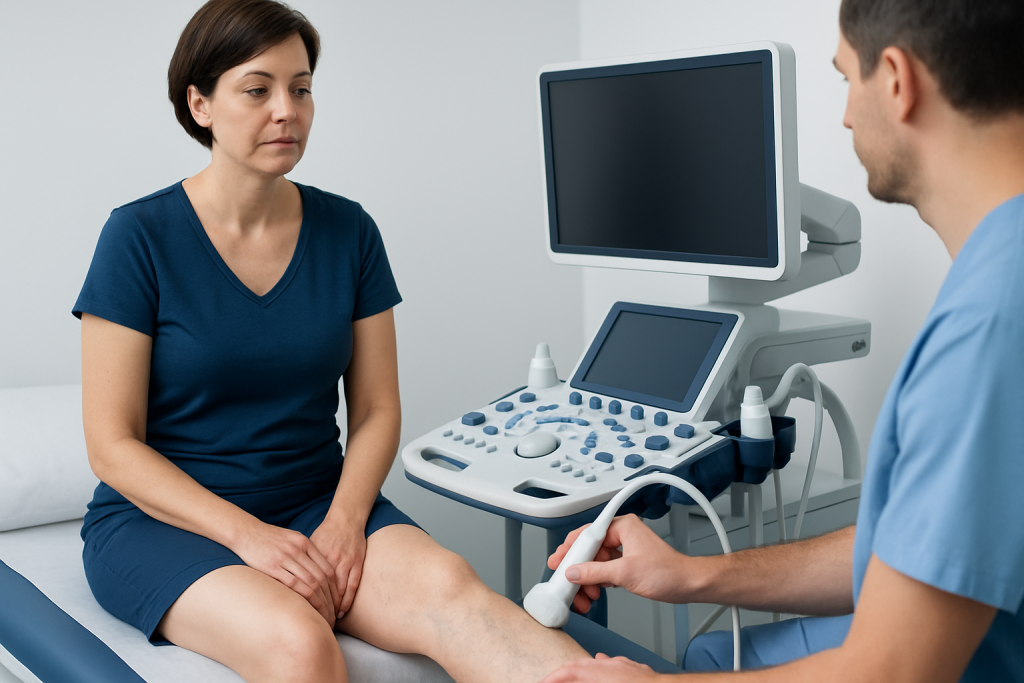
The most recognizable sign is a vein that looks enlarged, twisted, or raised under the skin. These veins often appear blue or dark purple and may cluster along the calves, behind the knees, or on the thighs.
Symptoms can vary widely. Some people feel no discomfort at all, while others describe aching, pressure, burning, cramping, or a sense of fullness in the legs. Swelling around the ankles, itching over the vein, and restlessness in the legs may also appear.
More advanced venous problems can lead to skin discoloration, thickened skin, or slow-healing sores near the ankles. These changes do not mean the situation is urgent in every case, but they do suggest that the veins should be assessed by a clinician.
- Bulging or twisted leg veins
- Leg heaviness or fatigue
- Swelling in the lower legs or ankles
- Itching, burning, or cramping
- Skin darkening or irritation around the ankles
Causes & Risk Factors
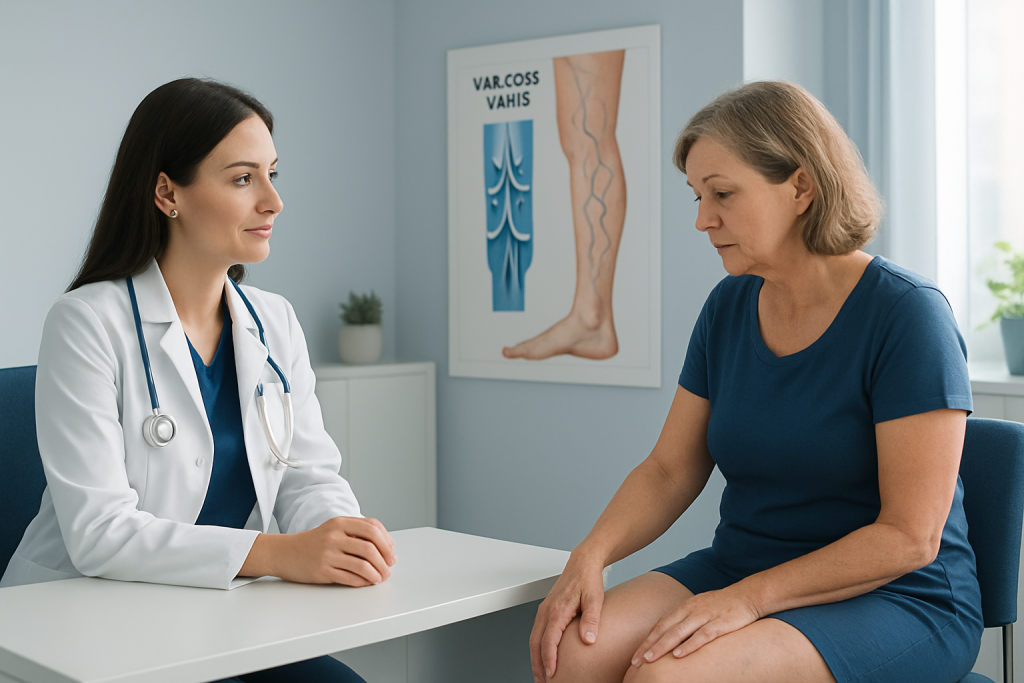
Varicose veins form when blood has a harder time traveling upward through the leg veins. The problem is usually related to weakened vein walls or valves, which can be influenced by inherited factors, age, and pressure placed on the veins over time.
Several everyday and biological factors may raise the likelihood of developing them. Standing or sitting for long stretches, pregnancy, excess body weight, and a family history of vein problems can all contribute. The risk also tends to increase with age, partly because vein valves naturally wear over time.
Although varicose veins are common, not everyone with these factors will develop symptoms. In international patients planning care from abroad, it is often helpful to bring a short history of symptoms, prior treatments, and any leg swelling patterns, since that information can support a more efficient evaluation once care begins.
- Family history of varicose veins or vein disease
- Older age
- Pregnancy
- Prolonged standing or sitting
- Excess body weight
- Past blood clots or vein injury in some cases
Diagnosis
Diagnosis usually begins with a medical history and a physical examination. A clinician may ask when the veins first appeared, what symptoms occur, whether swelling changes during the day, and whether the person has had previous vein procedures, clots, or leg injuries.
In many cases, an ultrasound study is used to look at blood flow in the veins and check whether the valves are allowing blood to move in the right direction. This test is painless and helps distinguish straightforward varicose veins from more complex venous insufficiency.
For patients traveling internationally, diagnosis may be organized efficiently over a short visit, often beginning with an evaluation and ultrasound on the same day. That can help the care team decide whether conservative care, sclerotherapy, endovenous treatment, or another option is most appropriate.
Treatment Options
Treatment is tailored to symptoms, vein size, location, and overall leg health. Not every varicose vein needs a procedure. When symptoms are mild, conservative care may be the first step, while more persistent or advanced cases may benefit from minimally invasive treatment.
Compression stockings are commonly recommended to support circulation and reduce swelling. Other measures such as regular walking, leg elevation, avoiding long periods of stillness, and maintaining a healthy weight can also ease discomfort. These steps may help, but they do not remove the vein itself.
When a procedure is needed, options may include sclerotherapy, endovenous laser treatment, radiofrequency ablation, or other vein procedures depending on the anatomy of the veins. Some treatments are done in an outpatient setting and allow a relatively quick return to normal daily activity, though recovery plans should always be individualized.
- Compression therapy to improve symptoms
- Sclerotherapy for smaller veins or selected veins
- Endovenous thermal treatments for refluxing veins
- Other image-guided or surgical approaches in selected cases
Prevention & Self-care
Not every case of varicose veins can be prevented, especially when family history plays a role. Still, habits that support healthy circulation may lower strain on the leg veins and reduce day-to-day discomfort.
Movement is one of the simplest tools. Walking, ankle flexing, and changing position regularly help calf muscles act as a pump for blood flow. Elevating the legs when resting can also ease pressure and swelling, particularly after long periods on the feet.
For people managing symptoms while arranging care from another country, practical planning matters. Comfortable footwear, compression stockings if prescribed, and time set aside for walking after travel can make a notable difference. After treatment, following the clinician’s recovery instructions is especially important, since it helps support healing and reduces the chance of avoidable setbacks.
- Walk or move regularly throughout the day
- Elevate the legs when resting
- Avoid sitting or standing still for long periods
- Use compression stockings if recommended
- Maintain a healthy body weight when possible
When to See a Doctor
A medical review is worthwhile if varicose veins are painful, swelling is persistent, or the skin around the ankles begins to change color, thicken, or itch. These features can suggest chronic venous insufficiency and may warrant more than simple self-care.
It is also sensible to seek assessment if the veins are bleeding, the discomfort is interfering with sleep or work, or symptoms are affecting travel plans, exercise, or daily mobility. Even when the concern seems mainly cosmetic, a consultation can clarify whether the veins are harmless or part of a larger circulation issue.
Sudden one-sided leg swelling, warmth, or pain should be evaluated promptly because these symptoms may point to a blood clot rather than ordinary varicose veins. For international patients, Acibadem Health Point’s multidisciplinary specialists and JCI-accredited hospitals can help diagnose and treat varicose veins in a coordinated setting.
Living With Varicose Veins
Many people live comfortably with varicose veins once they understand what makes their symptoms worse and what helps them improve. Small routines, such as stretching after long flights or using a stool to shift weight during standing tasks, can make daily life easier.
If a procedure is recommended, the recovery plan may include walking soon after treatment, wearing compression as directed, and attending follow-up visits to confirm that healing is progressing as expected. People traveling for treatment should plan for a return journey only after they understand the clinician’s guidance on activity, wound care, and Heart Attack Warning Signs: Symptoms and When to Seek Help" class="ahp-ilk">warning signs to watch for.
The most useful mindset is usually practical rather than anxious: varicose veins are common, treatable, and worth evaluating when they cause symptoms. With the right plan, many patients find that they can reduce discomfort and regain confidence in their legs.
Frequently asked questions
Are varicose veins dangerous?
Varicose veins are often not dangerous, but they can sometimes lead to discomfort, skin changes, or ulcers if venous problems progress. They should be checked if symptoms are worsening or if the appearance of the skin is changing.
Do varicose veins always need treatment?
No. Some people only need reassurance and self-care, especially if symptoms are mild. Treatment is more often considered when the veins cause pain, swelling, skin changes, or cosmetic concern that affects quality of life.
Can exercise help varicose veins?
Yes, gentle regular activity such as walking can help calf muscles support circulation. Exercise usually does not remove existing veins, but it can ease discomfort and reduce swelling.
Will compression stockings cure varicose veins?
Compression stockings can help reduce symptoms and swelling, but they do not cure the underlying vein problem. They are often used as part of a broader plan that may include other treatments.
What tests are used to diagnose varicose veins?
A clinician usually starts with a physical examination and history. An ultrasound may be used to see how blood moves through the veins and to check for valve reflux.
Can varicose veins come back after treatment?
New or recurring veins can develop over time, even after successful treatment. Follow-up care and healthy circulation habits can help monitor the legs and address new changes early.
References
- Mayo Clinic
- NHS
- American Vein & Lymphatic Society
- National Heart, Lung, and Blood Institute
- Cleveland Clinic
This article is for general information only and is not a substitute for professional medical advice. Please consult a qualified doctor about your individual situation.
Joint and spine care in Turkey — expert assessment & treatment
JCI-accredited · board-certified surgeons · reply within 24h
Add us as a Preferred Source to see more of our trusted health content across Google Search, AI Overviews and Discover.