

Speech Pathologist

Key Takeaways
- Speech pathologists assess and treat communication, voice, and swallowing difficulties.
- They work with children and adults after conditions such as stroke, brain injury, or developmental delay.
- Treatment may include exercises, strategies, home practice, and caregiver guidance.
- Early evaluation can improve daily communication and reduce swallowing-related risks.
- People traveling for care can often benefit from coordinated follow-up and therapy planning before returning home.
A speech pathologist helps people improve speech, language, voice, fluency, and swallowing when these functions are affected by illness, injury, or developmental conditions. Care is personalized and often supports recovery, independence, and confidence in daily life.
Overview
A speech pathologist is a health professional who evaluates and treats problems that affect communication and swallowing. These concerns may involve speech sounds, understanding language, expressing thoughts, voice quality, fluency, reading and writing, or the safe movement of food and liquids from the mouth to the stomach.
Although the title may sound narrow, the role is broad. A speech pathologist often works with children learning to communicate, adults recovering after a stroke, and older adults who notice voice changes or coughing during meals. The goal is practical: helping a person communicate more clearly, eat more safely, and participate more fully in everyday life.
For international patients, speech pathology is often part of a larger rehabilitation plan. A person may arrive for assessment after an illness, surgery, or neurological event, then leave with a therapy program that can be continued at home with clear instructions and follow-up recommendations.
Symptoms That May Lead to Assessment
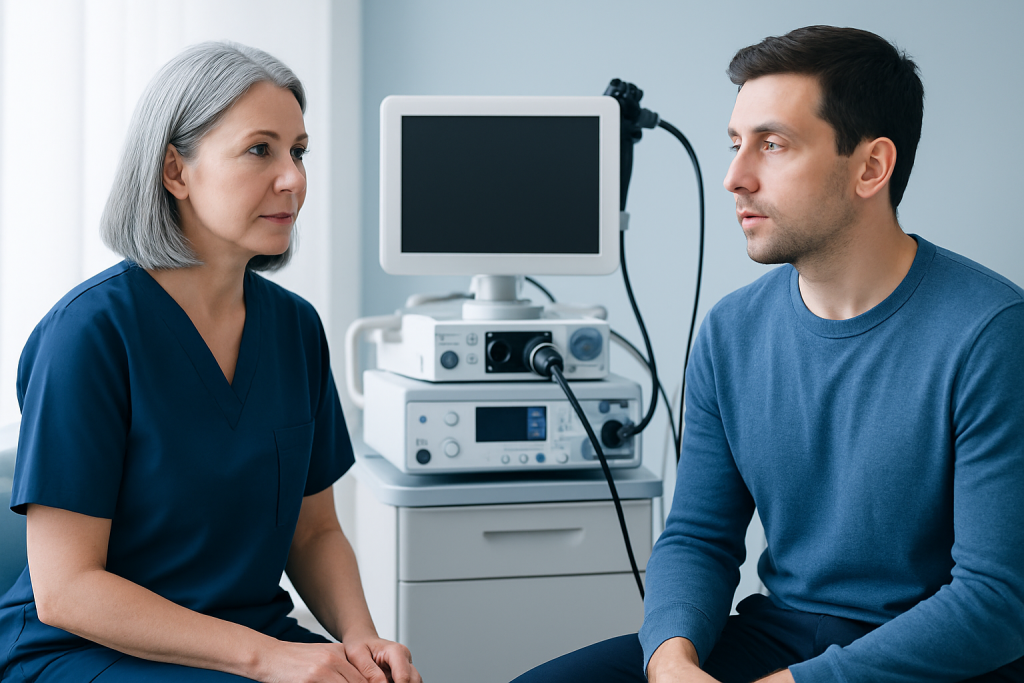
People do not usually see a speech pathologist for a single isolated sign. They often notice a pattern: words are harder to find, conversations take more effort, or meals feel unsafe. In children, family members may observe delayed talking, unclear speech, frustration when trying to communicate, or difficulty following directions.
Adults may describe a hoarse or weak voice, stuttering, slurred speech, trouble naming objects, word-finding pauses, or difficulty understanding rapid conversation. Swallowing concerns can appear as coughing while eating, food “sticking,” repeated throat clearing, a wet-sounding voice after drinking, or unexplained weight loss related to eating difficulties.
- Speech that is hard to understand
- Limited vocabulary or trouble forming sentences
- Stuttering or frequent blocking while speaking
- Voice strain, breathiness, or loss of voice
- Coughing, choking, or throat clearing with meals
These signs do not always point to a serious illness, but they are worth evaluating. A timely assessment can distinguish between a temporary issue and a condition that benefits from structured therapy or medical treatment.
Causes & Risk Factors

Speech and swallowing difficulties can arise at any stage of life, and the cause often shapes the care plan. In childhood, common reasons include developmental speech and language delays, hearing problems, autism spectrum disorder, cleft lip or palate, or learning differences that affect communication. Some children simply need help with articulation, while others need support for broader language development.
In adults, speech pathologists frequently assist people after stroke, traumatic brain injury, Parkinson’s disease, multiple sclerosis, dementia, head and neck cancer treatment, or surgery that changes the voice or swallowing mechanism. Certain medications, prolonged intubation, and general weakness can also affect voice or swallowing. Emotional stress may contribute to symptoms such as stuttering or voice tension, though these symptoms still deserve proper evaluation rather than assumptions.
Risk tends to increase when a condition affects the brain, nerves, muscles, or structures of the mouth and throat. A family history of communication disorders, premature birth, hearing loss, and limited access to early support may also play a role. The important point is that many causes are treatable or manageable, especially when therapy begins before habits and compensations become entrenched.
Diagnosis and Assessment
An evaluation with a speech pathologist usually begins with a detailed conversation about symptoms, medical history, daily routines, and goals. The clinician may listen to speech, observe language use, test memory and attention in some cases, and examine how the voice sounds across different tasks. For swallowing concerns, the assessment may include questions about meal timing, textures that are difficult, and any coughing or chest infections.
Depending on the situation, the speech pathologist may work alongside physicians, audiologists, neurologists, ENT specialists, dietitians, or occupational therapists. Some people need instrumental tests such as a videofluoroscopic swallow study or fiberoptic endoscopic evaluation of swallowing to understand what happens during the swallow. These studies help guide safer, more precise recommendations.
Assessment is not only about identifying what is wrong; it is also about understanding what remains strong. That matters because therapy is most effective when it builds on a person’s existing communication style, family support, culture, language background, and daily needs. For patients traveling from abroad, clinicians often try to fit assessment and planning into a schedule that leaves enough time for instructions, training, and questions before departure.
Treatment Options
Treatment is tailored to the diagnosis, age, medical background, and personal goals. A child with articulation difficulties may practice specific sounds through games and guided repetition. An adult recovering from stroke may focus on word retrieval, sentence building, comprehension, and strategies for clearer conversation. Voice therapy may include exercises that reduce strain and improve breath support, while fluency therapy may address pacing, tension, and speaking confidence.
Swallowing therapy is especially individualized. Recommendations can involve posture changes, pacing, texture modifications, swallowing maneuvers, and exercises to strengthen coordination when appropriate. If swallowing is unsafe, the team may suggest short-term or longer-term changes to reduce aspiration risk and support nutrition and hydration.
Common treatment elements may include:
- Targeted exercises for speech, voice, language, or swallowing
- Home practice plans with written or digital instructions
- Communication strategies for family members and caregivers
- Assistive tools or alternate communication methods when needed
- Coordination with other specialists when a medical condition is involved
Progress is usually gradual. Some people notice early gains in confidence or clarity, while others require longer rehabilitation, particularly after neurological injury or cancer treatment. For international patients, a good treatment plan also includes what to continue at home, when to follow up, and what warning signs should prompt local medical review.
Prevention & Self-care
Not every speech or swallowing problem can be prevented, but several habits can support recovery and reduce strain. People who use their voice heavily may benefit from hydration, voice breaks, and avoiding prolonged shouting or whispering if it makes the voice more tired. Anyone with swallowing concerns should follow the clinician’s texture and positioning advice exactly, since small changes can make meals safer and less exhausting.
Family members and caregivers play a major role. Short, calm phrases, extra response time, reduced background noise, and visual cues can make conversation easier for someone with language or hearing-related challenges. For children, consistent practice in everyday moments often works better than long sessions that feel disconnected from real life.
Self-care also means staying alert to overall health. Good sleep, balanced nutrition, hearing checks when needed, and management of conditions such as reflux, allergies, or chronic neurological disease can support speech and swallowing function. If therapy is started while traveling, keeping copies of reports and exercise instructions helps a local clinician continue care smoothly after return home.
When to See a Doctor
A speech pathologist can be a helpful first step, but certain symptoms should also be discussed with a doctor, especially if they appear suddenly or worsen quickly. New slurred speech, facial weakness, severe swallowing difficulty, coughing with every meal, unexplained weight loss, persistent hoarseness, or communication changes after a head injury deserve medical attention.
In children, evaluation is especially important when speech seems far behind peers, language is difficult to understand, or frustration is interfering with learning and social interaction. In adults, it is wise to seek assessment if a stroke, neurological disease, cancer treatment, or surgery has affected speaking or swallowing. Earlier support often leads to clearer planning and a better chance of recovery.
People traveling for treatment should arrange follow-up before leaving, particularly if they will continue therapy at home or in another country. Acibadem Health Point’s multidisciplinary specialists and JCI-accredited hospitals can diagnose and treat speech, language, voice, and swallowing conditions for international patients as part of coordinated care.
Frequently asked questions
What does a speech pathologist treat?
A speech pathologist treats speech, language, voice, fluency, communication, and swallowing problems. Care is often used after developmental delays, stroke, brain injury, neurological disease, surgery, or head and neck cancer treatment. The exact plan depends on the person’s age and needs.
Do adults need speech pathologists too?
Yes. Adults may need therapy after a stroke, neurological condition, injury, cancer treatment, or even for voice strain and swallowing problems. Speech pathology is not only for children, and many adult treatments focus on recovery and daily function.
How is a swallowing problem evaluated?
The speech pathologist asks about symptoms and meal habits and may watch how the person manages different food or liquid textures. In some cases, imaging or endoscopic tests are used to see what happens during swallowing. These results help guide safer recommendations.
Can speech therapy help after a stroke?
Speech therapy often plays an important role after stroke because communication and swallowing can be affected. Treatment may focus on speaking, understanding language, reading, writing, or swallowing safety. Recovery is different for each person, so therapy is usually customized.
How long does speech therapy take to work?
There is no single timeline. Some people improve quickly, while others need ongoing therapy over weeks or months, especially after neurological injury or complex swallowing issues. Progress depends on the cause, severity, consistency of practice, and overall health.
What can family members do to help?
Family members can speak clearly, allow extra time for responses, reduce background noise, and follow home practice instructions from the clinician. For swallowing care, they should use the recommended food textures and positioning exactly as taught. Support at home often makes therapy more effective.
References
- American Speech-Language-Hearing Association
- National Institute on Deafness and Other Communication Disorders
- World Health Organization
- Mayo Clinic
- NHS
This article is for general information only and is not a substitute for professional medical advice. Please consult a qualified doctor about your individual situation.
More from the Health Library



Related Specialists

Dr. Safiye Sayilir
Physical Medicine & Rehabilitation
Dr. Özgün Barış Çolak
Physical Medicine & Rehabilitation
Prof. Dr. Meltem Vural
Physical Medicine & Rehabilitation
Prof. Dr. Meral Bayramoğlu
Physical Medicine & Rehabilitation