

Chair Yoga For Seniors
Key Takeaways
- Chair yoga uses a stable chair to support safe, low-impact movement.
- It may help improve flexibility, balance, posture, breathing, and relaxation.
- It can be adapted for arthritis, limited mobility, recovery, or reduced stamina.
- Safety matters: proper chair setup, slow transitions, and pain-free range of motion are important.
- A doctor or physical therapist can help decide whether chair yoga fits an individual’s health needs.
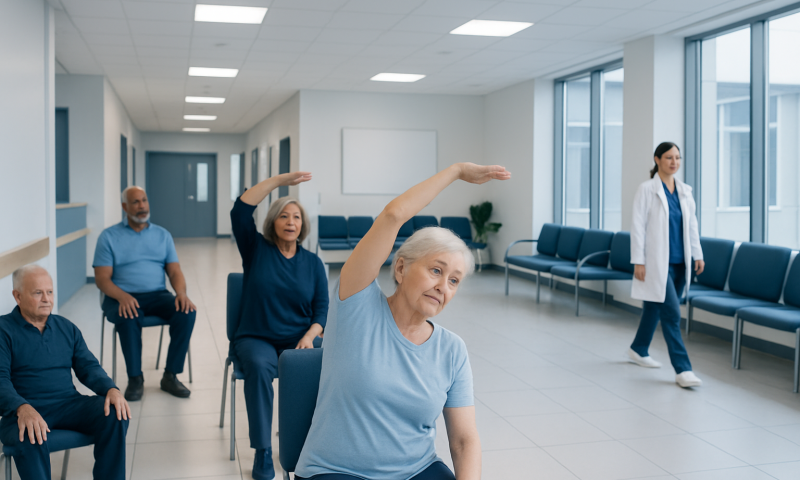
Chair yoga for seniors offers a gentle way to stay active when standing poses, floor work, or fast-paced exercise feel difficult. With simple seated or supported movements, it can help older adults maintain mobility, ease stiffness, and build confidence in everyday movement.
Overview
Chair yoga is a practical way for older adults to keep moving without needing to get down on the floor or hold challenging standing poses. It uses a sturdy chair as support, making many yoga-inspired stretches, breathing exercises, and gentle strength movements more accessible for people with limited mobility or lower energy.
For seniors, the appeal is often simple: the practice can fit into ordinary life. A few minutes in the morning may help loosen stiff joints, while a short evening session can be a calming reset after a long day. Because the movements are adaptable, chair yoga is often used by people who are easing back into exercise, managing chronic joint discomfort, or looking for a safe routine after illness or travel.
It is important to think of chair yoga as part of overall rehabilitation and healthy aging rather than a cure-all. It may support movement and comfort, but it should be matched to the person’s medical conditions, balance level, and fitness background. When used thoughtfully, it can become a steady, reassuring habit rather than an intimidating workout.
How It May Help Seniors

Many older adults notice that the body becomes less forgiving with time. Joints may feel stiffer in the morning, the shoulders may round forward after long periods of sitting, and walking confidence may decline after inactivity. Chair yoga offers a gentle way to practice the very movements that everyday life depends on: reaching, rotating, sitting upright, standing with control, and breathing with ease.
The benefit is not only physical. The predictable pace of chair yoga can make exercise feel manageable again for people who are nervous about falling, worried about pain, or unsure where to begin. That sense of safety often improves follow-through, which matters more than intensity when the goal is consistency.
Potential benefits may include:
- Improved flexibility in the neck, shoulders, hips, and spine
- Better posture awareness and seated alignment
- Gentle strengthening of the core, legs, and upper body
- Calmer breathing and relaxation
- Greater confidence with movement and balance practice
Who May Benefit — and Who Should Be Cautious

Chair yoga can be a useful option for many seniors, including people with arthritis, mild balance concerns, reduced stamina, or limited ability to get down to the floor. It may also suit those recovering from a medical setback who need a gradual return to activity and a routine that can be done in a chair at home, in a clinic, or during a stay away from home.
That said, not every movement is right for every person. Someone with a recent fracture, unstable blood pressure, severe dizziness, significant shortness of breath, advanced osteoporosis, or a new neurological problem may need a modified plan and medical guidance before starting. Even when exercise is encouraged, the safest approach is usually individualized.
People who use wheelchairs or walkers can still benefit from seated movement, but they may need a program designed by a physical therapist or rehabilitation specialist. Chair yoga should feel supportive, not competitive, and it should be adjusted to the person’s range of motion, pain level, and day-to-day energy.
Common Movements and What They Do
Most chair yoga classes begin with simple breathing and posture checks, then move into slow stretches and controlled motions. A typical session may include neck turns, shoulder rolls, side bends, seated spinal twists, ankle circles, and gentle leg lifts. Some routines add supported standing work by holding the chair back, which can help bridge the gap between seated exercise and everyday functional movement.
Each movement has a purpose. Shoulder and chest opening may counter the hunched posture that often develops with age. Gentle rotation can help with stiffness through the torso. Leg and ankle work may support circulation and lower-body mobility. Breath-focused exercises can be especially helpful for relaxation and for bringing attention to a pace that feels comfortable.
People do not need to perform every pose in a perfect way. In chair yoga, a smaller range of motion is often better than forcing a stretch. The useful version of the pose is the one that feels steady, calm, and sustainable.
Safety, Setup, and Simple Modifications
A safe setup matters as much as the exercises themselves. The chair should be stable, without wheels, and placed on a non-slip surface. Good lighting, supportive shoes if needed, and enough room to move the arms and legs freely can make the practice more comfortable. If standing is included, the chair should not slide or tip.
Movements should remain slow and controlled. Seniors are generally encouraged to avoid holding their breath, bouncing into stretches, or pushing through sharp pain. A mild stretching sensation is usually acceptable, but discomfort that lingers or worsens is a sign to back off and reassess.
Helpful modifications include using a cushion for height, placing the feet flat for extra stability, keeping one hand on the chair for support, and reducing the range of motion when joints feel irritated. For people with neck, shoulder, hip, or knee concerns, a physical therapist or qualified yoga instructor can suggest safer alternatives.
Chair Yoga in a Broader Health Plan
Chair yoga works best when it is part of a larger routine that includes everyday walking, balanced nutrition, medication review when needed, and regular medical follow-up. It does not need to replace other forms of exercise; it can complement them. For some seniors, it serves as a bridge that helps them become ready for more activity over time.
For international patients or older adults traveling for treatment, chair yoga may be especially useful because it can be done in hotel rooms, recovery apartments, or quiet waiting areas with minimal equipment. That convenience can help maintain a sense of normalcy during medical travel, particularly when routine and mobility are affected by appointments or fatigue.
In rehabilitation settings, chair yoga may be combined with breathing drills, balance work, or mobility exercises tailored to specific conditions. The goal is not flexibility alone, but safer, more confident movement in daily life.
When to Seek Medical Advice
It is sensible to ask a doctor before starting chair yoga if the person has chest pain, unexplained dizziness, recent surgery, severe osteoporosis, uncontrolled blood pressure, or a history of falls. Medical advice is also important when pain is new, sudden, or associated with swelling, weakness, numbness, or shortness of breath.
Even if chair yoga feels gentle, it should not replace evaluation for symptoms that need attention. A clinician can help decide whether the main issue is joint stiffness, muscle weakness, balance decline, medication side effects, or another condition that may need treatment.
For seniors already under care, a rehabilitation specialist or physiotherapist can recommend the right starting point and adapt movements to individual needs. In centers such as Acibadem Health Point, multidisciplinary specialists and JCI-accredited hospitals can evaluate and treat mobility-related concerns for international patients in a coordinated way.
Frequently asked questions
Is chair yoga safe for seniors who have never exercised before?
Often, yes—if the routine is gentle and the chair is stable. Starting slowly and choosing movements that stay within a comfortable range can make it accessible for beginners. It is still wise to check with a clinician first if there are medical conditions, dizziness, or a history of falls.
Can chair yoga help with arthritis?
It may help maintain joint mobility and reduce the feeling of stiffness when practiced regularly and gently. The key is to avoid forcing the joints and to stop if a movement causes lingering pain. A physical therapist can help adapt poses for specific joints.
How often should seniors do chair yoga?
There is no single schedule that fits everyone. Many people do better with short, regular sessions rather than long workouts, because consistency is easier to maintain. The right frequency depends on energy level, medical conditions, and how the body responds.
Does chair yoga improve balance?
It can support balance indirectly by improving posture, leg strength, and body awareness. Some routines also include supported standing practice, which may help people feel steadier in everyday movement. If balance problems are significant, extra assessment is important before starting.
What should a senior avoid during chair yoga?
They should avoid fast movements, breath-holding, bouncing, and any pose that causes sharp pain or dizziness. A secure chair and a calm pace are more important than stretching deeply. If a movement feels unstable, it should be simplified or skipped.
Can chair yoga be done during recovery or while traveling for care?
Often, yes, if the treating team says movement is appropriate. Its main advantage is flexibility: it can usually be done in limited spaces with little equipment. For recovery after treatment or during medical travel, it is best to match the routine to the person’s current condition and follow medical guidance.
References
- National Institute on Aging
- Arthritis Foundation
- American College of Sports Medicine
- World Health Organization
This article is for general information only and is not a substitute for professional medical advice. Please consult a qualified doctor about your individual situation.
More from the Health Library


Related Specialists

Dr. Safiye Sayilir
Physical Medicine & Rehabilitation
Dr. Özgün Barış Çolak
Physical Medicine & Rehabilitation
Prof. Dr. Meltem Vural
Physical Medicine & Rehabilitation
Prof. Dr. Meral Bayramoğlu
Physical Medicine & Rehabilitation