Rehabilitation After Joint Surgery: What Can Be Done at Home and What Cannot
Key Takeaways
- Home rehabilitation can support healing, but it should follow the surgeon’s plan and activity limits.
- Simple exercises, walking as advised, wound care, and swelling control are often appropriate at home.
- More advanced strengthening, range-of-motion progression, and return-to-sport or work planning usually need professional supervision.
- Pain that steadily worsens, fever, wound changes, or sudden swelling should be discussed with a doctor promptly.
- Recovery is not only physical; sleep, nutrition, mood, and travel logistics can affect progress after joint surgery.
Medically reviewed by the Acıbadem clinical team — June 13, 2026
Rehabilitation after joint surgery is a stepwise process that helps restore movement, strength, and confidence while protecting the repaired joint. Some parts can be done safely at home, but others need guidance from a surgeon, physiotherapist, or rehabilitation team.
Overview
After joint surgery, recovery begins long before a person feels “back to normal.” The repaired joint, the surrounding muscles, and even the way a person moves across a room all need time to adapt. Rehabilitation gives that healing process structure. It helps protect the surgical repair while gradually restoring motion, strength, balance, and everyday function.
For many people, a large part of recovery happens at home. That home phase is valuable because it turns surgeon instructions into daily habits: taking short walks, doing approved exercises, caring for the incision, and avoiding movements that could strain the joint. At the same time, home care has clear limits. Some exercises are too advanced too early, and some symptoms are not safe to manage alone.
The most useful way to think about rehabilitation after joint surgery is as a partnership. The medical team sets the boundaries, and the person recovering carries out the plan in daily life. That is especially important for international patients who may leave the hospital with follow-up appointments, travel plans, and a home exercise program that must be realistic once they return to another country.
What Recovery Usually Looks Like
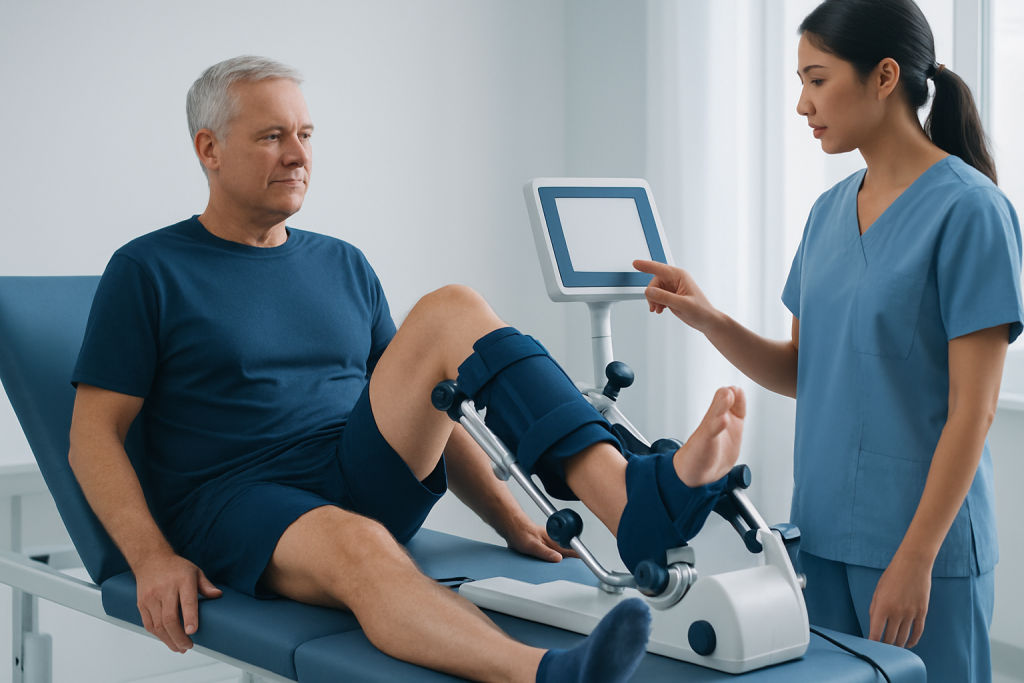
Rehabilitation does not follow a single timeline for every person or every joint. Recovery after knee replacement, hip surgery, shoulder repair, ankle reconstruction, or another orthopedic procedure can look quite different. Still, most plans move through similar stages: protecting the surgical area, regaining gentle motion, rebuilding strength, and returning to daily tasks in a controlled way.
In the early phase, the body often needs rest, elevation, pain control, and very basic movement. As healing progresses, a physiotherapist may introduce guided exercises that improve flexibility and muscle activation without overloading the joint. Later, the focus usually shifts to walking quality, stair use, balance, endurance, and the specific movements needed for work, driving, or hobbies.
Patients sometimes expect rehabilitation to feel linear, but recovery often comes in waves. A good day may be followed by stiffness or swelling after activity, and that does not always mean something has gone wrong. What matters is whether the overall trend is improving and whether symptoms stay within the limits explained by the care team.
What Can Usually Be Done at Home
Home rehabilitation is often the backbone of recovery. The exact plan depends on the operation, but many patients can safely do gentle activities that support circulation, reduce stiffness, and prevent deconditioning. These usually include short, frequent walks as advised, prescribed range-of-motion exercises, and simple muscle-setting movements such as tightening the thigh, buttock, or shoulder muscles without force.
Home is also where the practical parts of recovery happen. The incision can be kept clean and dry according to instructions, swelling can be managed with elevation and cold therapy if recommended, and medications can be taken exactly as prescribed. Patients may also practice safe transfers, such as getting in and out of bed or a chair without twisting the joint.
- Walking only for the distance and frequency approved by the surgeon or therapist
- Gentle exercises taught before discharge or during early follow-up
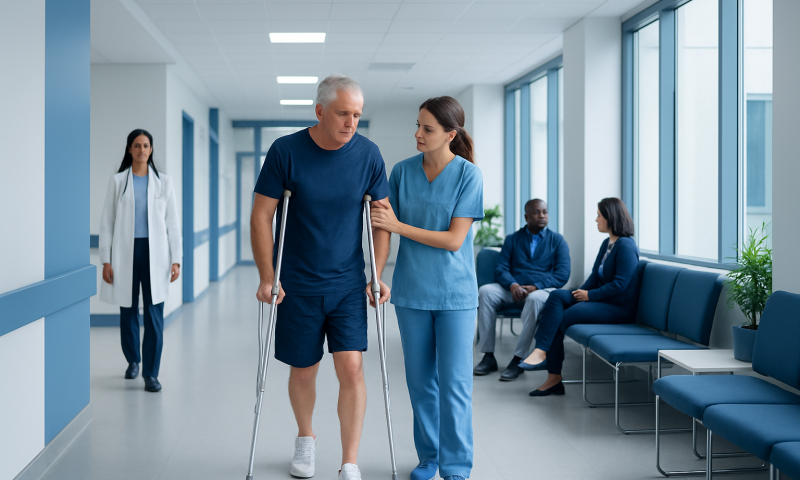
- Using braces, slings, crutches, walkers, or supports exactly as instructed
- Monitoring the incision for redness, drainage, or unexpected opening
- Keeping a simple recovery routine for rest, hydration, and sleep
For many people, consistency matters more than intensity. A few correctly performed exercises several times a day are often more useful than one long session that leaves the joint sore and swollen. If the home plan is unclear, it is reasonable to ask the rehabilitation team for written instructions or a demonstration before discharge.
What Cannot Be Done at Home Without Guidance
Some parts of rehabilitation should not be improvised. Increasing exercise intensity too quickly, trying sports-specific drills too early, or pushing through sharp pain can delay healing and sometimes damage the surgical repair. The same is true for unsupervised stretching that exceeds the movement limits set by the surgeon, especially after ligament, tendon, or shoulder procedures.
People should also avoid using internet routines as a substitute for a personalized plan. A video that is safe for one person after one type of surgery may be inappropriate for another. In the same way, massage, heat, equipment, or supplements should not be added without checking whether they are safe for the specific operation and stage of healing.
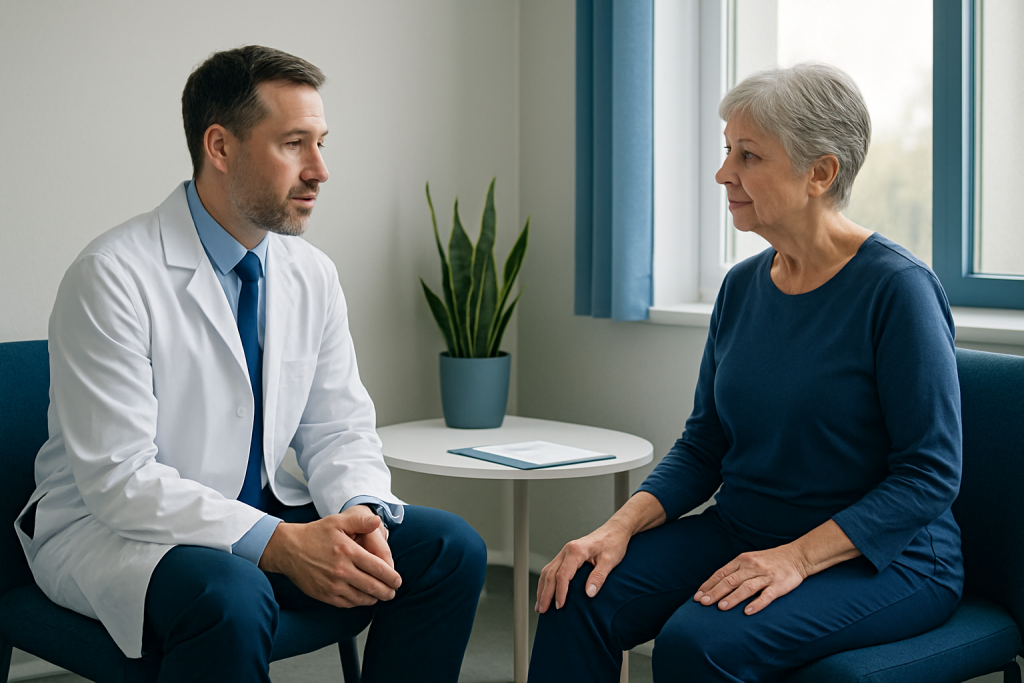
There are also situations that need professional oversight rather than home management alone. These include persistent loss of motion, marked weakness, repeated falls, fear of moving the joint, or swelling that does not settle as expected. For patients traveling internationally, it is especially important to arrange follow-up in advance so that progress can be checked and the program adjusted if needed.
- High-impact exercise, jumping, or running before clearance
- Heavy lifting or forceful pushing and pulling too early
- Forcing the joint through painful ranges of motion
- Driving before safe mobility, reaction time, and medication status are confirmed
- Ignoring new symptoms because they seem “normal after surgery”
Causes & Risk Factors for a Slower Recovery
Not everyone heals at the same pace. A slower recovery can be influenced by the type of surgery, the condition of the joint before the operation, and how much surrounding tissue had to be repaired. A more complex procedure often requires a more cautious rehabilitation plan.
General health also plays a role. Conditions such as diabetes, smoking, poor nutrition, obesity, anemia, or heart and lung disease can make it harder to rebuild strength and tolerate exercise. Pain sensitivity, sleep problems, and worry about reinjury may also reduce participation in therapy.
Other factors are practical rather than medical. Inconsistent access to physiotherapy, difficulty traveling to appointments, lack of space at home for exercises, or unclear discharge instructions can all slow progress. This is why rehabilitation works best when the plan fits the person’s real-life situation, not just the operation itself.
Diagnosis and Follow-up During Rehabilitation
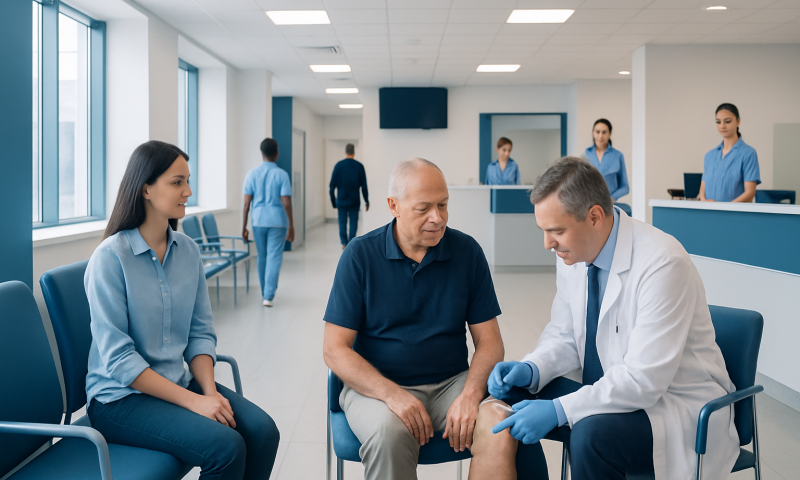
Rehabilitation is guided by follow-up assessments rather than guesswork. The surgeon or rehabilitation specialist may examine the wound, check joint motion, review pain levels, assess walking or arm function, and ask about sleep, swelling, or daily activities. Depending on the surgery, imaging or other tests may be used if healing is not progressing as expected.
Physical therapy evaluations are often just as important as medical checks. A therapist can measure movement, strength, balance, and functional tasks such as standing from a chair, climbing stairs, or reaching overhead. Those findings help determine whether the home program should remain gentle, be progressed, or be modified.
For patients recovering away from the hospital, follow-up may happen in person, through local rehabilitation services, or through a coordinated review plan after returning home. Clear communication between the surgical team and the local provider can make recovery more orderly and reduce confusion about what is allowed at each stage.
Treatment Options and Rehabilitation Methods
Rehabilitation tools are selected based on the operation and the person’s goals. Early treatment often focuses on pain and swelling control, safe mobility, and preventing stiffness. Later treatment may include more structured strengthening, balance exercises, gait training, or shoulder and hand function work, depending on the joint involved.
Common methods include supervised physiotherapy, a home exercise program, assistive devices, and gradual activity progression. Some people may also benefit from occupational therapy, especially if the surgery affects dressing, bathing, cooking, or return to work. The aim is not simply to move the joint, but to restore usable function in daily life.
In some cases, the rehabilitation plan may include task-specific training, scar management, or education on posture and movement habits. The team may also discuss how to pace activity so that exercise helps rather than irritates the joint. When pain relief is needed, medication choices should always be reviewed by the treating doctor, especially if the person is taking blood thinners or other medicines.
Prevention & Self-care
Good self-care can make rehabilitation smoother. Recovery usually benefits from a steady routine, enough protein and fluids, quality sleep, and avoidance of smoking. Gentle movement during the day often helps more than prolonged bed rest, as long as it stays within the boundaries set by the surgeon.
It can also help to prepare the home before surgery or before discharge. Items placed at waist level, clear walking paths, stable chairs, and a safe bathing setup reduce strain and fall risk. For people returning to another country, it is wise to have written exercise instructions, medication lists, and a follow-up plan before travel begins.
Patients should keep expectations realistic. The goal is not to “power through” rehabilitation, but to build durable progress. Small improvements in walking, reaching, or climbing stairs are meaningful signs that the joint is adapting well.
- Follow the exact movement and weight-bearing instructions given by the care team
- Use assistive devices until the doctor or therapist says they are no longer needed
- Stop and rest if an exercise causes sharp pain, instability, or increasing swelling
- Keep follow-up appointments even if recovery seems to be going well
- Ask for clarification before trying gym workouts, sports, or long-distance travel
When to See a Doctor
Some discomfort, swelling, and stiffness are expected after joint surgery, but certain changes deserve prompt medical attention. Increasing redness, warmth, drainage, fever, sudden swelling, chest pain, shortness of breath, or calf pain should not be ignored. A wound that opens, bleeding that does not settle, or pain that becomes worse instead of gradually improving also needs review.
It is equally important to contact the care team if the joint feels unstable, if movement suddenly decreases, or if a prescribed exercise seems impossible because of pain or weakness. These issues may simply mean the plan needs adjustment, but they should be checked rather than assumed to be normal.
For international patients, having a clear contact path matters. If a concern appears after travel, the original surgical team or a local doctor should be contacted early so that the right next step can be chosen. Acibadem Health Point’s multidisciplinary specialists and JCI-accredited hospitals can diagnose and treat joint-surgery recovery needs for international patients, while helping coordinate follow-up in a medically appropriate way.
Frequently asked questions
What is the most important part of rehabilitation after joint surgery?
The most important part is following the surgeon’s and physiotherapist’s instructions consistently. Rehabilitation works best when movement, rest, and activity limits are balanced to protect the joint while it heals.
Can most rehabilitation exercises be done at home?
Many early exercises can be done at home if they were specifically taught by the care team. However, progression to harder exercises, higher resistance, or sports activity usually needs professional guidance.
How much pain is normal during home rehabilitation?
Mild discomfort, stretching, or soreness after exercise can be expected, especially early on. Sharp pain, rapidly worsening pain, or pain that does not settle with rest should be reported to a doctor or therapist.
Is swelling normal after joint surgery?
Some swelling is common during recovery and may increase after activity. It should generally improve with rest, elevation, and the measures recommended by the care team; new or sudden swelling should be checked.
When can a person return to work or driving?
That depends on the type of surgery, which joint was treated, pain control, and physical ability. The surgeon should confirm when it is safe, because reaction time, strength, and mobility all matter.
What if the patient lives in another country after surgery?
A written home program and follow-up plan become especially important. The patient should know who to contact if symptoms change and should arrange local medical support if the original team is far away.
References
- American Academy of Orthopaedic Surgeons
- National Institute of Arthritis and Musculoskeletal and Skin Diseases
- NHS
- Mayo Clinic
- World Health Organization
This article is for general information only and is not a substitute for professional medical advice. Please consult a qualified doctor about your individual situation.
More from the Health Library


Related Specialists

Dr. Safiye Sayilir
Physical Medicine & Rehabilitation
Dr. Özgün Barış Çolak
Physical Medicine & Rehabilitation
Prof. Dr. Meltem Vural
Physical Medicine & Rehabilitation
Prof. Dr. Meral Bayramoğlu
Physical Medicine & Rehabilitation