

Psoas Stretch
Key Takeaways
- The psoas is a deep hip flexor that helps the trunk and legs move smoothly.
- Tightness may contribute to discomfort in the front of the hip, lower back strain, or limited stride length.
- A good psoas stretch should feel like gentle lengthening, not pinching or sharp pain.
- People with recent injury, surgery, or persistent symptoms should ask a clinician before stretching.
- Stretching works best when combined with strengthening, posture awareness, and regular movement.
A psoas stretch is a simple way to improve hip flexor mobility and ease stiffness that can affect posture, walking, and daily movement. Done correctly, it can be a helpful part of rehabilitation, but ongoing pain or weakness deserves medical assessment.
Overview
The psoas muscle sits deep in the front of the body, linking the spine to the upper thigh. Because it helps lift the leg and stabilize the pelvis, it plays a quiet but important role in standing, walking, climbing stairs, and getting up from a chair.
When people talk about a psoas stretch, they usually mean a movement that gently lengthens the hip flexors, including the psoas and nearby muscles. This is often used in rehabilitation plans for stiffness, sedentary work routines, sports recovery, and posture-related discomfort.
It is worth keeping expectations realistic. Stretching can improve flexibility and ease a sense of tightness, but it is not a cure-all for lower back or hip pain. If symptoms keep returning, a clinician or physiotherapist can help identify whether the issue is actually the psoas, another muscle group, the hip joint, or the spine.
Symptoms and Signs of Psoas Tightness
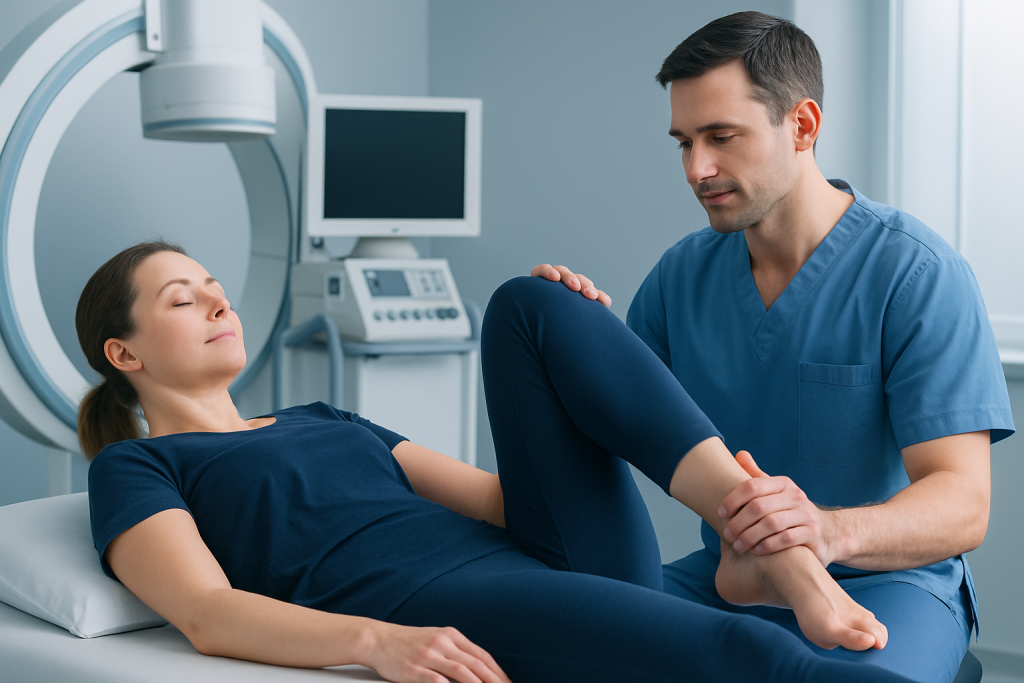
Psoas tightness does not always announce itself clearly. Some people notice a pulling sensation at the front of the hip, while others feel it as a shortened stride, stiffness after sitting, or discomfort when taking a long step or rising from the floor.
Because this muscle influences the pelvis and lumbar spine, symptoms may show up in places that seem unrelated at first. A person may describe a dull ache in the lower back, a feeling of being “stuck” after long hours at a desk, or difficulty fully extending the hip during walking or exercise.
Common signs that may point toward hip flexor tightness include:
- Limited hip extension, especially when stepping backward or lunging
- Discomfort in the front of the hip or groin area
- Lower back stiffness after prolonged sitting
- A sense that one leg cannot move as freely as the other
- Poor tolerance for running, cycling, or repeated stair climbing
These symptoms can overlap with many other conditions, so self-diagnosis is not reliable. A careful assessment is especially helpful when the pain is one-sided, sharp, or linked to weakness, numbness, or instability.
Causes and Risk Factors

The psoas may feel tight for several reasons, and the cause is often related to habits rather than a single injury. Long periods of sitting can leave the hip flexors in a shortened position, while repetitive activities such as cycling, uphill running, or frequent stair use may increase strain over time.
Muscle imbalance is another common factor. When the glutes and core are not doing enough of the stabilizing work, the psoas may compensate and become overactive. The body then moves less efficiently, which can make everyday tasks feel harder than they should.
Risk factors can include:
- Sedentary work or long travel days
- Sports with repeated hip flexion
- Weakness in the abdominal or gluteal muscles
- Poor movement mechanics during exercise
- Recent hip, pelvic, or back strain
- Recovery from surgery or prolonged bed rest
In international patients, travel itself can temporarily increase stiffness because of long flights, unfamiliar sleeping arrangements, and reduced movement. A rehabilitation specialist can help distinguish short-term travel-related tightness from a more persistent musculoskeletal problem.
Diagnosis
There is no single home test that confirms a psoas problem. Diagnosis usually starts with a history of symptoms, followed by a physical examination that looks at posture, hip range of motion, walking pattern, and tenderness in nearby structures.
A clinician may also examine the lower back, hip joint, and surrounding muscles to see whether the pain is coming from the psoas or from another source. This step matters because groin pain, front-hip pain, and low-back symptoms can arise from many different conditions.
Depending on the findings, additional tests may be recommended. Imaging is not always necessary, but it can be useful when the diagnosis is unclear, symptoms are persistent, or a structural problem is suspected. The goal is not to “prove” tightness alone, but to understand the whole movement pattern and rule out other causes that need different care.
Treatment Options
Most psoas-related complaints are managed conservatively at first. Stretching is often part of the plan, but it usually works best when combined with strengthening, movement retraining, and adjustments to daily habits. A physiotherapist can teach the right technique and help the person avoid compensating through the lower back.
Common rehabilitation approaches include gentle hip flexor stretches, glute and core strengthening, manual therapy when appropriate, and gradual return to activity. In some cases, treatment also focuses on posture, walking mechanics, or sport-specific movement patterns so the muscle is not repeatedly overloaded.
Interventions are individualized, especially for people with pain that has lasted for weeks or months. If the discomfort is significant, the clinician may look for underlying joint irritation, tendon issues, or spinal contributors before recommending a stretching plan. When a person is traveling for care, a clear home program and follow-up plan become especially important so recovery continues smoothly after returning home.
Prevention and Self-care
For many people, the best psoas stretch is the one that fits into a broader routine of regular movement. Long sitting breaks the body into one position for too long, so standing up, walking, and changing posture every so often can reduce stiffness before it becomes noticeable.
Self-care is usually most effective when it is simple and sustainable. Gentle stretching after a warm-up, balanced strengthening, and attention to posture are often more helpful than forcing a deep stretch. The psoas should feel lengthened, not compressed or pinched.
Practical habits that may help:
- Take short walking breaks during long sitting periods
- Use slow, controlled hip flexor stretches rather than bouncing
- Pair stretching with glute and core exercises
- Warm up before sport or prolonged exercise
- Notice whether one-sided pain keeps returning with the same activity
People recovering after a trip, surgery, or a long period of reduced movement may need to start very gently. A rehabilitation professional can suggest a progression that matches current mobility, strength, and pain level.
How to Do a Psoas Stretch Safely
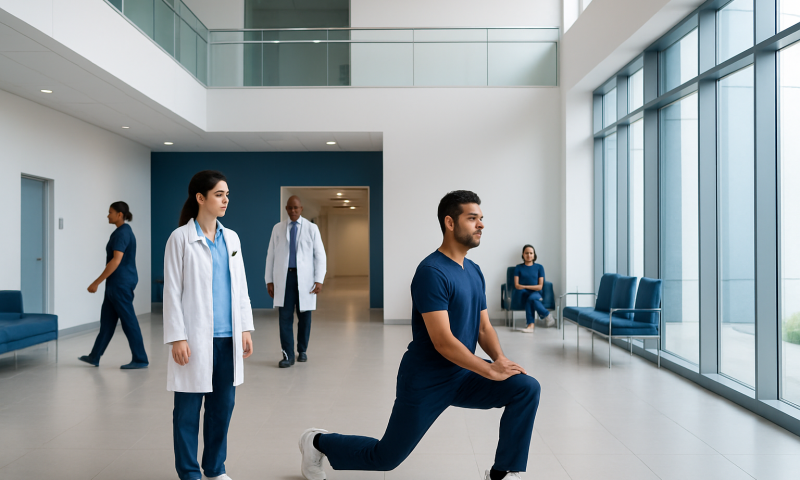
A commonly used psoas stretch is the half-kneeling hip flexor stretch. In this position, one knee rests on the floor while the other foot stays in front, creating a stable base. The torso remains upright as the pelvis gently moves forward until a mild stretch is felt at the front of the hip on the kneeling side.
Safety matters more than depth. The lower back should not arch sharply, and the stretch should not cause groin pain, numbness, or a sense of joint catching. Keeping the ribs gently stacked over the pelvis and squeezing the glute of the kneeling side can help the stretch stay focused where it belongs.
Not every person should do the same version. Those with knee problems may need padding or a standing alternative, while people with balance concerns may do better with support from a wall or chair. If pain appears during the movement or worsens afterward, the technique should be reviewed by a physiotherapist rather than pushed harder.
When to See a Doctor
Medical evaluation is a good idea when hip or lower back discomfort keeps returning, limits walking or exercise, or does not improve with a few days of sensible rest and gentle mobility work. A doctor or physiotherapist can help identify whether the psoas is involved or whether another structure needs attention.
Prompt assessment is especially important if pain is severe, associated with swelling, fever, sudden weakness, numbness, trouble bearing weight, or a recent fall or injury. These features are not typical of simple muscle tightness and deserve proper medical review.
For people traveling for care, a coordinated evaluation can be helpful because symptoms may need both an in-person examination and a follow-up plan after returning home. Acibadem Health Point’s multidisciplinary specialists and JCI-accredited hospitals diagnose and treat this condition for international patients, with rehabilitation tailored to the person’s needs.
Ultimately, a psoas stretch should support comfortable movement, not replace medical care when symptoms are persistent or unclear. The right plan is the one that matches the underlying cause and respects the body’s current limits.
Frequently asked questions
What does a psoas stretch help with?
A psoas stretch may help improve hip flexor flexibility and reduce stiffness from prolonged sitting or repetitive activity. It is often used as part of a broader rehabilitation plan for mobility and movement comfort. It works best when combined with strengthening and posture awareness.
How can someone tell if the psoas is tight?
Common clues include a pulling sensation in the front of the hip, reduced stride length, and stiffness after sitting. Some people also notice lower back discomfort because the psoas influences pelvic position. Since these symptoms overlap with other conditions, a clinician’s assessment is useful if the discomfort persists.
Is a psoas stretch safe for lower back pain?
It can be safe for some people, but not for everyone. If the stretch causes the lower back to arch or increases pain, the technique may need adjustment or a different exercise altogether. Persistent back pain should be evaluated before starting a new routine.
How often should someone stretch the psoas?
There is no universal schedule, because it depends on the person’s symptoms, flexibility, and overall program. A physiotherapist may recommend brief, regular sessions rather than aggressive stretching. The goal is steady progress, not forcing the muscle to lengthen quickly.
Can walking help a tight psoas?
Gentle walking can help reduce stiffness by keeping the hips moving through a natural range. It is often useful as part of daily self-care, especially after long periods of sitting. If walking consistently increases pain, medical advice is recommended.
When should someone avoid psoas stretching?
Stretching should be avoided or modified if there is sharp pain, recent injury, numbness, instability, or a known hip or spine problem that has not been assessed. People recovering from surgery or significant trauma should ask their care team first. A qualified clinician can suggest safer alternatives if needed.
References
- American Academy of Orthopaedic Surgeons
- National Institute of Arthritis and Musculoskeletal and Skin Diseases
- Mayo Clinic
- Cleveland Clinic
- World Physiotherapy
This article is for general information only and is not a substitute for professional medical advice. Please consult a qualified doctor about your individual situation.
More from the Health Library



Related Specialists

Dr. Safiye Sayilir
Physical Medicine & Rehabilitation
Dr. Özgün Barış Çolak
Physical Medicine & Rehabilitation
Prof. Dr. Meltem Vural
Physical Medicine & Rehabilitation
Prof. Dr. Meral Bayramoğlu
Physical Medicine & Rehabilitation