

Scoliosis Treatment in Adults: When Observation Is Not Enough

Key Takeaways
- Adult scoliosis can be stable for years, but symptoms and function may change over time.
- Observation is reasonable for some people, yet worsening pain, nerve symptoms, or posture changes may call for active treatment.
- Non-surgical care often includes targeted exercise, physical therapy, pain management, and activity adjustments.
- Surgery is considered when symptoms are persistent, neurologic problems appear, or spinal imbalance becomes significant.
- A personalized evaluation is especially important for adults traveling for care, because imaging, planning, and follow-up all shape the treatment path.
Medically reviewed by the Acıbadem clinical team — June 13, 2026
Adult scoliosis does not always require surgery, but it should not be reduced to “just living with it” either. The right plan depends on pain, balance, nerve symptoms, curve progression, and how the spine affects daily life.
Overview
Adult scoliosis is a sideways curvature of the spine that is present in adulthood, either because it began earlier in life or developed later from wear-and-tear changes in the spine. For some people, it remains a quiet background finding on an X-ray. For others, it gradually becomes a source of back pain, fatigue, stiffness, nerve irritation, or a sense that standing upright takes more effort than it used to.
The phrase “when observation is not enough” captures an important turning point. Monitoring can be appropriate when the curve is mild and symptoms are limited, but it is not the whole story if the spine begins to affect walking, sleep, posture, breathing comfort, or nerve function. In adult scoliosis, treatment is usually guided by function rather than the curve alone.
For international patients, that often means an evaluation that looks beyond one image report. A careful spine assessment may include a discussion of travel plans, prior treatment, medication use, daily activity demands, and whether recovery can be safely managed away from home. The goal is not simply to label the curve, but to build a plan that fits the person living with it.
Symptoms
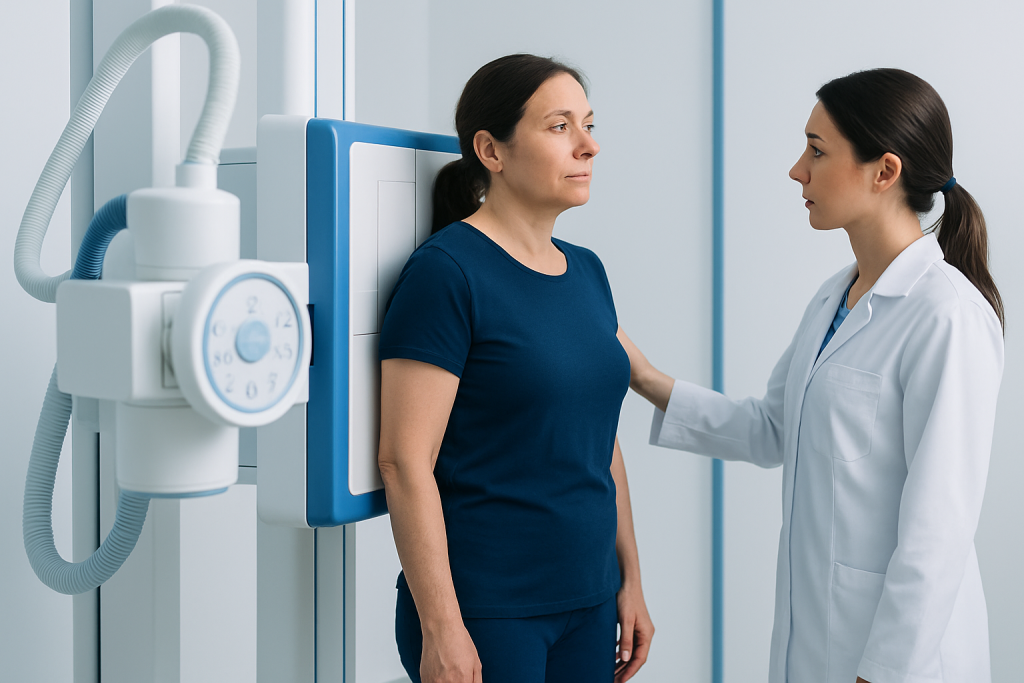
Adult scoliosis does not always cause pain, and some people learn about it only after imaging for another reason. When symptoms do appear, they are often subtle at first: one shoulder sitting higher, clothes hanging unevenly, a rib hump, or a waistline that looks different from side to side. Over time, the spine may feel increasingly stiff, especially after sitting or standing for long periods.
Pain is common, but it is not always caused by the curve itself. In adults, discomfort may come from the small joints of the spine, muscle strain, disc degeneration, or the body working harder to keep balance. Some people notice leg pain, tingling, numbness, or weakness if nerves are compressed. Others report a feeling of being “crooked,” needing to lean on a shopping cart, or tiring quickly when upright.
Symptoms that deserve close attention include:
- Persistent back pain that limits activity
- Radiating pain into the buttock or leg
- Numbness, tingling, or weakness
- Visible progression in body alignment
- Reduced walking tolerance or balance problems
- Shortness of breath with large curves, especially if posture is affected
In adults, the impact of scoliosis is often best measured by how the condition changes daily life. A curve that is “moderate” on paper can still be very disruptive if it interferes with sleep, work, caregiving, or travel.
Causes & Risk Factors
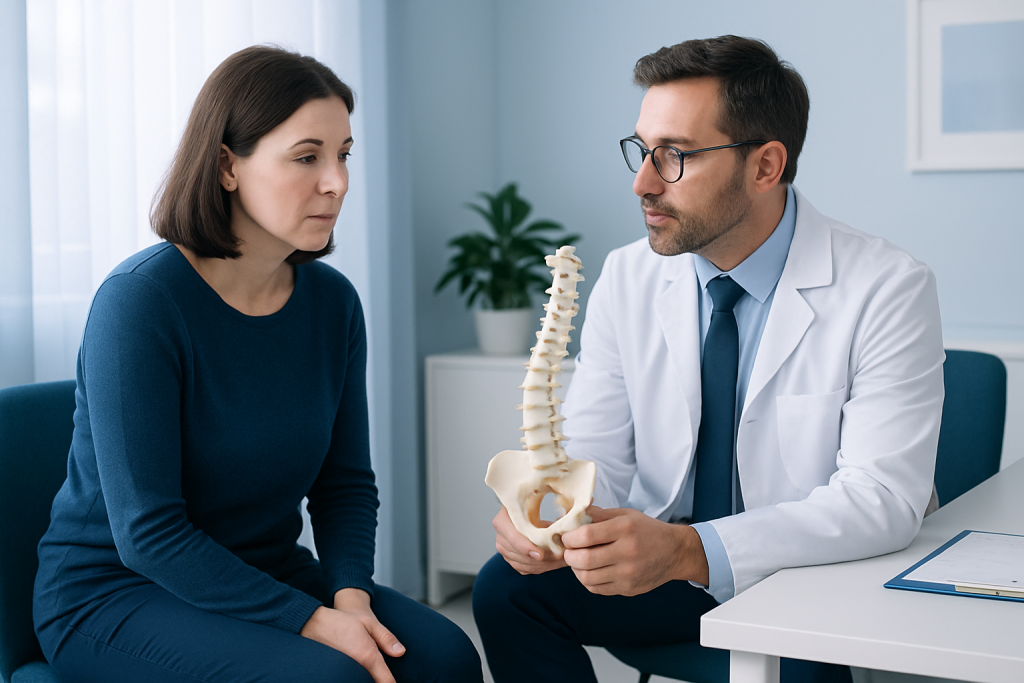
Adult scoliosis falls into two broad groups. Some adults are living with idiopathic scoliosis that began in adolescence and became more noticeable with age. Others develop degenerative scoliosis, which is linked to age-related changes in the discs, facet joints, and supporting ligaments of the spine. As the spine loses symmetry and flexibility, it may gradually bend and rotate.
Several factors can raise the chance of symptoms or progression. These include prior scoliosis, osteoarthritis, osteoporosis, disc degeneration, previous spine injury, and family history. Age itself is not the cause, but it changes the mechanical environment of the spine, which can make an old curve more symptomatic or allow a new one to appear.
Not every curve behaves the same way. The degree of curvature, spinal balance, bone strength, and presence of nerve compression all matter. Lifestyle factors also influence how well the body compensates. Regular movement, strong core and hip muscles, and healthy bone support can help the spine tolerate load more effectively, while inactivity and frailty may make symptoms more noticeable.
Diagnosis
Diagnosis begins with a history and physical examination. A clinician may ask when the pain started, whether it is constant or activity-related, and whether walking, standing, or bending has become more difficult. The exam usually looks at posture, shoulder and pelvic alignment, range of motion, muscle strength, reflexes, and signs of nerve irritation.
X-rays are the main starting point because they show the shape of the spine and help measure the curve. In adults, standing images are especially useful since they reveal how the spine behaves under load. If symptoms suggest nerve compression or if surgery is being considered, magnetic resonance imaging (MRI) may be ordered to look at discs, nerve roots, and the spinal canal. Sometimes a CT scan is useful for more detail about bone anatomy, especially in complex cases.
Diagnosis is also about context. A person with a stable curve and mild symptoms may simply need observation and exercises. Someone with progressive pain, loss of balance, or leg symptoms may need a more detailed workup. For patients traveling from another country, it is often helpful to bring prior imaging on disc or through a secure digital file, because comparing studies over time can show whether the spine is changing.
Treatment Options
Adult scoliosis treatment is usually staged, beginning with the least invasive approach that can still meet the person’s goals. Observation remains appropriate when the curve is stable and symptoms are minor. But when pain, posture changes, or nerve symptoms begin to limit life, more active treatment is considered. The right plan depends on the source of discomfort, not just the size of the curve.
Non-surgical care often includes physical therapy, posture and core-strengthening exercises, activity modification, heat or cold therapy, and medicines that a doctor may recommend for pain or inflammation. In some cases, injections are used to calm inflamed joints or irritated nerve roots. Bracing is less commonly helpful in adults than in children, but it may occasionally support comfort in selected situations.
Surgical treatment may be discussed if symptoms are persistent despite conservative care, if nerve compression is causing weakness or severe leg pain, or if spinal imbalance is making standing and walking increasingly difficult. Surgery is individualized and can involve decompression, fusion, or correction of alignment, depending on the pattern of scoliosis and the patient’s overall health. Because adult spine surgery is major treatment, decisions are typically made after reviewing symptoms, imaging, bone quality, and expected recovery needs.
For international patients, planning matters as much as the operation itself. A clear treatment pathway should include pre-operative evaluation, coordination of imaging, an estimate of recovery time, and a practical follow-up plan after returning home. In suitable cases, multidisciplinary specialists and JCI-accredited hospitals such as those at Acibadem Health Point can diagnose and treat adult scoliosis for international patients with coordinated care.
Prevention & Self-care
Adult scoliosis cannot always be prevented, especially when it has already developed from earlier life or age-related spinal changes. Still, self-care can make a meaningful difference in symptoms and day-to-day function. The aim is to reduce strain on the spine, keep muscles supportive, and preserve mobility without overprovoking pain.
Helpful habits often include staying as active as tolerated, working on core and hip strength under professional guidance, and paying attention to sitting and standing posture. Many people do better when they vary positions during the day rather than staying in one posture for long periods. Supportive footwear, careful lifting mechanics, and pacing during chores or travel can also ease mechanical stress.
Bone health is another important piece, particularly for adults whose scoliosis is linked to degeneration or osteoporosis. Adequate calcium and vitamin D intake, weight-bearing activity as advised, and treatment of low bone density can support the spine indirectly. Sleep quality, stress management, and a home setup that reduces unnecessary bending or twisting can also help people remain more comfortable and independent.
For those recovering from treatment or living with a stable curve, the most practical self-care plan is often simple and repeatable: move regularly, strengthen safely, protect bone health, and return for follow-up if symptoms change.
When to See a Doctor
An adult with scoliosis should seek medical review if pain is becoming persistent, if posture is changing, or if daily activities are getting harder to manage. It is also wise to be evaluated if the curve has not been checked for years, because adult spinal changes can progress quietly. A routine visit may be enough to confirm stability, but it can also reveal issues that are better treated earlier rather than later.
Prompt assessment is especially important if there is new leg weakness, numbness, tingling, bowel or bladder changes, or trouble walking. These symptoms do not always mean something dangerous, but they do suggest that the nerves may be affected and deserve timely attention. Likewise, increasing shortness of breath, marked trunk imbalance, or pain that wakes a person regularly should not be ignored.
Adults who are considering treatment abroad should arrange evaluation before travel whenever possible, or at least gather prior records, imaging, and a symptom timeline. That preparation helps the receiving team understand what has changed and whether observation, rehabilitation, injections, or surgery is the most reasonable next step.
Living With Adult Scoliosis: What Monitoring Should Actually Look Like
Observation should be active, not passive. A reasonable monitoring plan usually includes periodic clinical review, repeat imaging when indicated, and an honest look at how symptoms are affecting movement, work, sleep, and confidence. If nothing is changing, the plan may stay conservative; if the spine or the symptoms begin to shift, the plan should shift too.
It can help to keep a simple symptom log between visits. Notes about pain location, walking distance, leg symptoms, and activities that trigger flare-ups give the care team a more accurate picture than memory alone. This is particularly useful for adults who travel, because appointments may be spaced farther apart and decisions often need to be made efficiently.
Adult scoliosis is best treated as a long-term spine condition that can be managed thoughtfully rather than feared. Many people do well with rehabilitation-focused care, some need interventions to relieve nerve pain or restore balance, and a smaller group benefits from surgery. The common thread is individualized care, matched to what the spine is doing now rather than what it looked like years ago.
Frequently asked questions
Is adult scoliosis always painful?
No. Some adults have scoliosis with little or no pain, especially if the curve is stable. Others develop back pain, stiffness, or nerve-related symptoms as the spine changes with age.
When is observation no longer enough?
Observation may no longer be enough when pain becomes persistent, walking or standing becomes harder, or leg numbness, weakness, or balance problems appear. A visible increase in trunk lean or posture changes can also suggest that a new evaluation is needed.
Can physical therapy help adult scoliosis?
Physical therapy can help many adults by improving core strength, flexibility, posture awareness, and movement habits. It does not straighten the spine, but it may reduce strain and improve function.
Does adult scoliosis always require surgery?
No. Surgery is usually reserved for people who have ongoing symptoms despite non-surgical care, nerve compression, or significant spinal imbalance. Many adults manage well without an operation.
Should an adult with scoliosis get regular X-rays?
Not everyone needs frequent imaging. Follow-up X-rays are usually recommended when symptoms change, when progression is being monitored, or when treatment decisions depend on seeing the spine under standing load.
Can someone travel for scoliosis treatment?
Yes, many adults do travel for specialized spine care, but planning is important. The care team should review prior records, imaging, recovery needs, and follow-up arrangements before travel whenever possible.
References
- American Academy of Orthopaedic Surgeons
- Scoliosis Research Society
- Mayo Clinic
- National Institute of Arthritis and Musculoskeletal and Skin Diseases
- North American Spine Society
This article is for general information only and is not a substitute for professional medical advice. Please consult a qualified doctor about your individual situation.
More from the Health Library



Related Specialists

Dr. Safiye Sayilir
Physical Medicine & Rehabilitation
Dr. Özgün Barış Çolak
Physical Medicine & Rehabilitation
Prof. Dr. Meltem Vural
Physical Medicine & Rehabilitation
Prof. Dr. Meral Bayramoğlu
Physical Medicine & Rehabilitation