

Lymphatic Massage
Key Takeaways
- Lymphatic massage uses light, rhythmical strokes rather than deep pressure.
- It is commonly used for swelling related to surgery, cancer treatment, or lymphedema.
- It should be performed only when appropriate, because some conditions need medical clearance first.
- Results are often best when the massage is part of a broader treatment plan.
- A qualified clinician can help determine whether it is safe and useful for a specific person.
Lymphatic massage, also called manual lymphatic drainage, is a gentle technique used to encourage fluid movement in the body’s lymphatic system. It may be recommended after surgery, during lymphedema care, or when swelling needs a careful, medically guided approach.
Overview
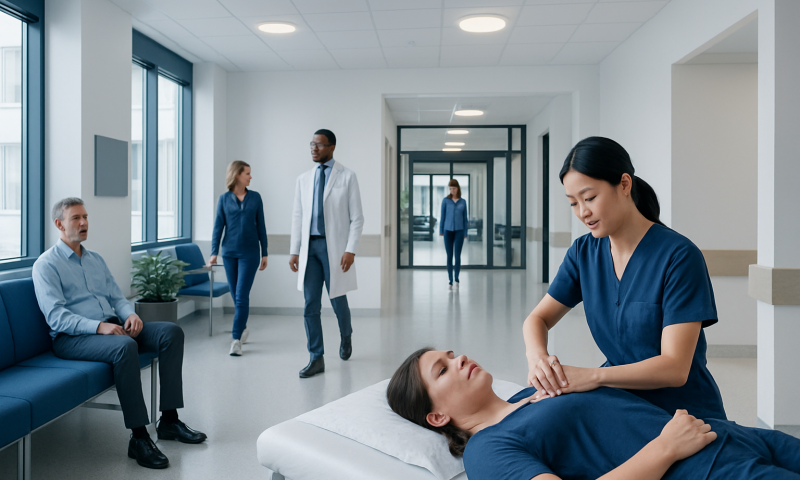
Lymphatic massage, more formally called manual lymphatic drainage, is a specialized hands-on technique designed to support the body’s lymphatic system. The method is intentionally gentle. Instead of working deep into muscles, it uses light, rhythmic movements over the skin to encourage lymph fluid to move toward areas where it can drain more effectively.
This therapy is often discussed in the context of swelling after surgery, cancer treatment, injury, or chronic lymphatic problems such as lymphedema. For international patients who travel for care, it is often part of a wider recovery plan that may include compression, movement exercises, skin care, and follow-up visits. It is not a wellness trend in the casual sense; in the right setting, it is a structured therapeutic technique used by trained professionals.
People sometimes use the term “lymphatic massage” broadly, but in medical care the details matter. The body’s lymphatic system helps carry excess fluid, waste products, and immune cells. When that system is sluggish or blocked, swelling can develop. Manual lymphatic drainage may help, but it is not suitable for every type of swelling, which is why proper assessment is important before treatment begins.
Symptoms and situations where it may be considered
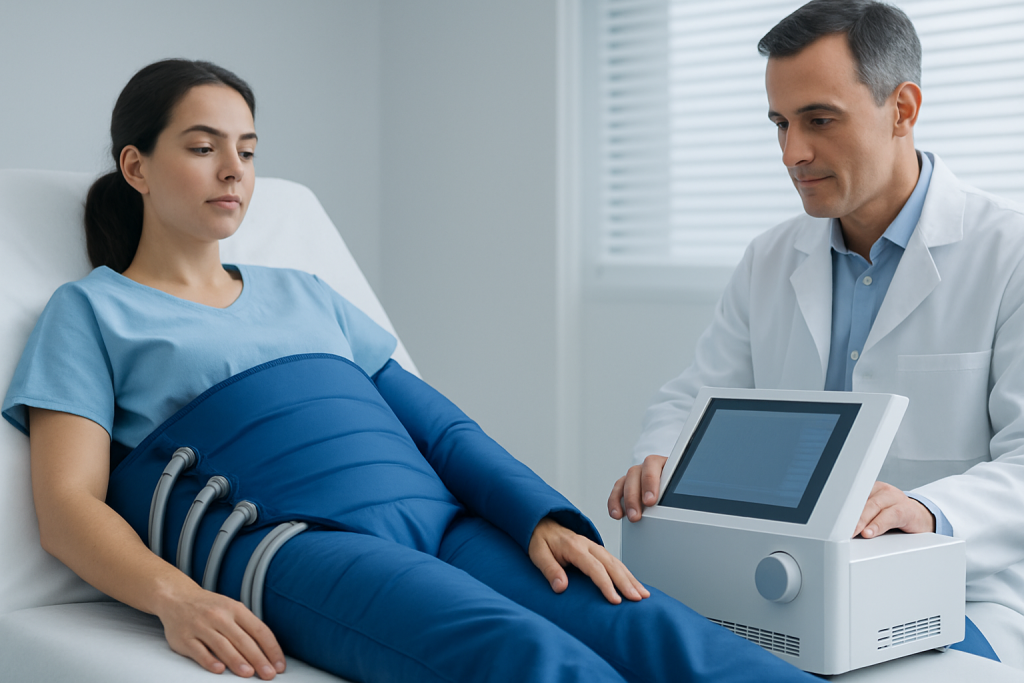
Lymphatic massage is not usually chosen for everyday muscle tightness. It is more often considered when swelling is the main concern. A person may notice a feeling of heaviness, tightness, reduced flexibility, or an arm, leg, face, or other area that seems persistently puffy. In some cases, the skin may feel stretched or uncomfortable even when there is not much pain.
The technique may be used in people with lymphedema, which is swelling caused by impaired lymph drainage. It may also be discussed after lymph node removal, certain cancer treatments, or reconstructive surgery. Some patients seek it after cosmetic procedures when a surgeon has confirmed that manual drainage is appropriate as part of healing.
It is important to distinguish lymphatic swelling from other causes of swelling, such as infection, blood clots, heart failure, Kidney Disease Treatment" class="ahp-ilk">kidney disease, or liver disease. Those conditions need medical evaluation rather than massage alone. A trained clinician will usually look at the whole picture before recommending treatment.
- Persistent limb swelling
- Heaviness or tightness in a swollen area
- Swelling after surgery or lymph node treatment
- Lymphedema-related discomfort
- Reduced range of motion caused by fluid buildup
Causes and risk factors
The lymphatic system is a network of vessels and nodes that moves fluid back into circulation. When that network is damaged, blocked, or overwhelmed, fluid can collect in tissues. Lymphatic massage may be used to help redirect that fluid through functioning pathways, but it cannot repair a blocked system on its own.
Common reasons for lymphatic flow problems include surgery that removes lymph nodes, radiation therapy, infection, trauma, scar tissue, and congenital lymphatic conditions. In some people, swelling develops gradually; in others, it appears after a clear trigger such as an operation or injury.
Risk can be higher when someone has had breast, pelvic, head and neck, or lower-limb cancer treatment, because these areas may involve lymph nodes or vessels. Obesity, limited movement, repeated skin infections, and a history of lymphedema may also increase the likelihood of ongoing swelling. Because the causes vary, treatment should be individualized rather than based on a one-size-fits-all routine.
How diagnosis and evaluation are done
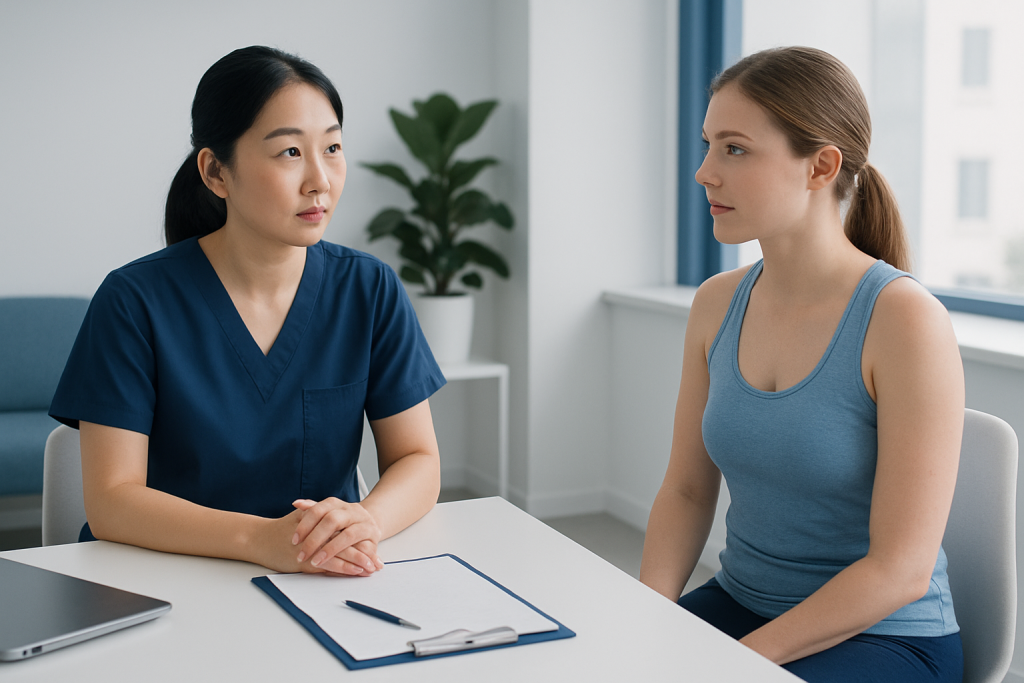
Before lymphatic massage is recommended, a clinician typically confirms why the swelling is happening. That evaluation may include a medical history, physical examination, and questions about surgery, cancer treatment, injury, infection, and any new symptoms. The goal is to make sure the swelling is consistent with lymphatic dysfunction and not another condition that needs different care.
In some cases, imaging or other tests may be used to clarify the diagnosis. This is especially helpful when swelling is one-sided, sudden, painful, red, or associated with fever. A doctor may also assess whether compression therapy, exercise, or other treatments should be started alongside manual drainage.
For patients traveling from another country, it is useful to bring operative reports, pathology notes, imaging results, and current medication lists. These records help the rehabilitation team understand whether lymphatic massage is suitable, where it should be applied, and how it fits into the overall recovery plan. Clear documentation can also make follow-up care easier once the patient returns home.
Treatment options and what to expect
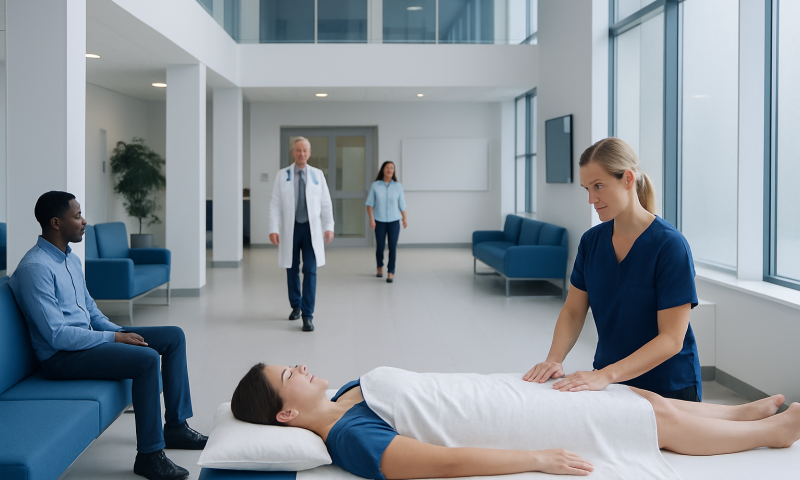
Manual lymphatic drainage is usually performed by a therapist trained in lymphatic techniques. The movements are slow, light, and purposeful. Many patients are surprised by how gentle the therapy feels, especially if they expect something similar to a deep tissue massage. The aim is not to press fluid out forcefully, but to guide it along superficial lymphatic pathways.
Treatment is often part of complete decongestive therapy, which may also include compression bandaging or garments, skin care, exercise, and education on self-management. When used together, these strategies can be more effective than massage alone. In some situations, a therapist may teach the patient or caregiver simplified self-drainage techniques for home use.
How often treatment is needed depends on the condition, the extent of swelling, and response over time. Some people need a short course after surgery; others with chronic lymphedema may need ongoing management. Good care usually includes reassessment, because swelling patterns can change and the treatment plan may need adjustment.
It is worth emphasizing that lymphatic massage is not a substitute for medical treatment when infection, blood clots, or heart-related fluid retention are present. In those cases, the priority is the underlying illness. A careful diagnosis helps ensure the right therapy is selected at the right time.
Prevention and self-care
Not every case of lymphatic swelling can be prevented, but certain habits may reduce flare-ups and support the lymphatic system. Gentle movement is often helpful, because muscle activity assists fluid flow. Walking, range-of-motion exercises, and therapist-guided activity plans are commonly used in recovery programs.
Skin care matters as well. Keeping skin clean and moisturized helps reduce the chance of cracks and infections, which can worsen swelling. If compression garments have been prescribed, they should be worn as directed and checked for proper fit, especially after weight changes or long flights.
For patients who travel internationally for treatment, planning ahead can make recovery smoother. This may include arranging follow-up appointments, learning self-care steps before departure, and knowing when to seek help at home if swelling changes. A consistent routine often matters more than dramatic interventions.
- Move regularly and avoid long periods of sitting still
- Follow compression instructions if prescribed
- Protect skin from cuts, burns, and infections
- Maintain hydration and balanced nutrition
- Attend follow-up visits to monitor swelling changes
When to see a doctor
A doctor should evaluate swelling that is new, unexplained, persistent, or getting worse. Lymphatic massage may be helpful in some situations, but only after a clinician confirms that it is appropriate. Early assessment is especially important when swelling appears after cancer treatment or surgery, because timely care can prevent complications.
Medical review is also needed if swelling is painful, red, hot, associated with fever, or accompanied by shortness of breath or chest symptoms. Those signs may point to a problem that requires urgent treatment rather than massage. If swelling is in one leg and came on suddenly, a blood clot must be considered.
For international patients, it is reasonable to ask whether the treatment center offers coordinated rehabilitation and follow-up after return home. At Acibadem Health Point, multidisciplinary specialists and JCI-accredited hospitals diagnose and treat this condition for international patients, with care plans designed to be clear and practical across the recovery journey.
Frequently asked questions
What is the difference between lymphatic massage and regular massage?
Lymphatic massage uses very light, rhythmic pressure aimed at moving lymph fluid, while regular massage usually works deeper into muscles. The techniques have different goals and are not interchangeable. A trained clinician can advise which approach is appropriate for a specific problem.
Can lymphatic massage reduce swelling after surgery?
It may help in selected cases, especially when swelling is related to lymphatic drainage and the surgeon or treating doctor approves it. It is often combined with compression, movement, and skin care. The exact plan depends on the type of surgery and the person’s healing stage.
Is lymphatic massage safe for everyone?
No. It is not suitable for every kind of swelling, and some conditions need medical treatment first. A doctor should rule out infection, blood clots, and other causes before massage begins.
How quickly does lymphatic massage work?
Some people notice a feeling of lightness or less tension after a session, but chronic swelling usually improves gradually. The response depends on the underlying cause, how long the swelling has been present, and whether other therapies are used. Consistent follow-up often matters more than a single treatment.
Can a person learn to do lymphatic massage at home?
In some situations, a therapist may teach simplified self-drainage methods. This should only happen after proper instruction, because the pressure and direction of movement need to be correct. Home techniques are usually part of a broader care plan rather than a stand-alone solution.
When should swelling be checked urgently?
Swelling should be checked promptly if it appears suddenly, is painful, red, warm, or comes with fever or breathing symptoms. These signs can point to a condition that needs immediate medical attention. It is better to get evaluated before trying any massage.
References
- National Cancer Institute
- National Lymphedema Network
- Mayo Clinic
- World Health Organization
This article is for general information only and is not a substitute for professional medical advice. Please consult a qualified doctor about your individual situation.
More from the Health Library
Related Specialists

Dr. Safiye Sayilir
Physical Medicine & Rehabilitation
Dr. Özgün Barış Çolak
Physical Medicine & Rehabilitation
Prof. Dr. Meltem Vural
Physical Medicine & Rehabilitation
Prof. Dr. Meral Bayramoğlu
Physical Medicine & Rehabilitation