

Arthroscopy Costs Abroad: What Changes the Final Bill More Than the Procedure

Key Takeaways
- The procedure fee is only one part of the total arthroscopy expense abroad.
- Pre-op testing, imaging, anesthesia, hospital stay, and rehabilitation can affect the final bill.
- Travel, accommodation, and the length of recovery abroad may matter as much as the operation itself.
- A clear written treatment plan helps patients compare quotes fairly and avoid unexpected charges.
- Follow-up care after returning home should be planned before travel whenever possible.
Medically reviewed by the Acıbadem clinical team — June 13, 2026
Arthroscopy is often discussed as a minimally invasive procedure, but the final bill for care abroad can change for many reasons beyond the surgery itself. Understanding what is included, what may be added later, and how recovery affects costs can help patients plan more confidently.
Overview
When people compare arthroscopy costs abroad, the first number they usually see is the procedure fee. That figure can be helpful, but it rarely tells the whole story. Arthroscopy is a treatment path, not a single isolated event, and the final expense often depends on what happens before, during, and after the operation.
For international patients, the bill can shift because of diagnosis, imaging, anesthesia, hospital type, length of stay, rehabilitation needs, and even the timing of travel. A patient who expects a simple same-day procedure may face a larger total if unexpected cartilage repair, meniscus work, or additional testing becomes necessary. That is why a careful cost review should look at the full care journey rather than the surgical room alone.
Arthroscopy is commonly used for joints such as the knee, shoulder, hip, wrist, and ankle. It is often chosen because it may allow smaller incisions and quicker recovery than open surgery, but recovery still takes planning. Patients traveling from another country benefit most when they understand how each step affects the overall budget and how to prepare for follow-up once they return home.
Symptoms
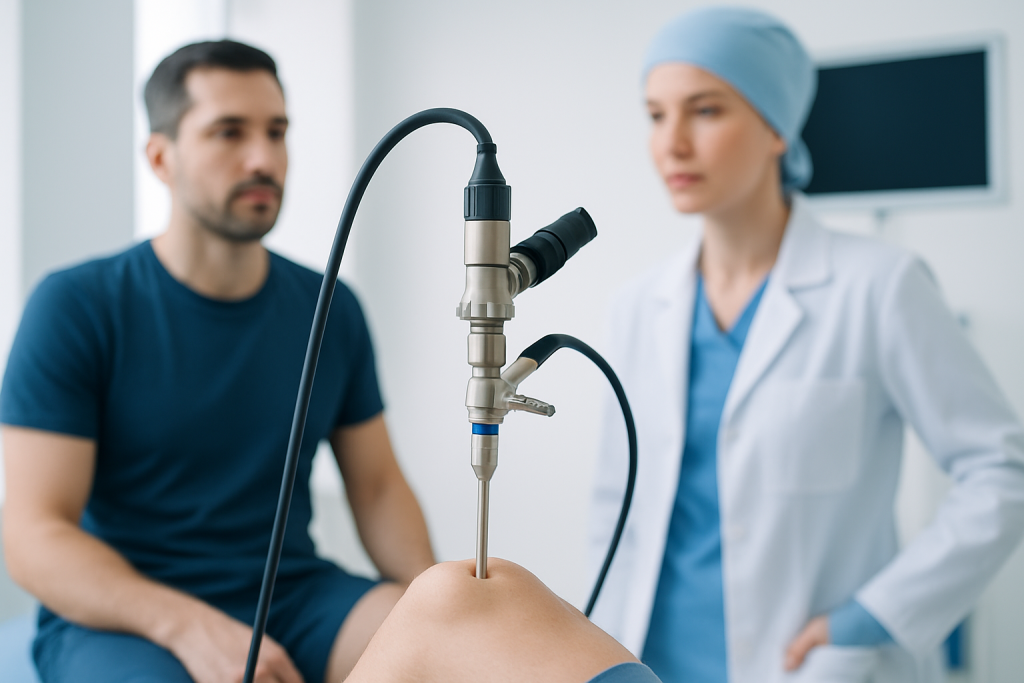
Arthroscopy is usually considered when joint symptoms do not improve with rest, medication, or physical therapy. The symptoms themselves do not change the price directly, but they often shape the type of investigation and treatment needed, which can influence cost. A swollen knee with a suspected meniscus tear may require a different workup than shoulder pain caused by repeated impingement.
Common reasons doctors may recommend arthroscopy include:
- Persistent joint pain that limits daily activity
- Swelling or stiffness that does not settle
- Clicking, catching, locking, or a feeling that the joint gives way
- Reduced range of motion
- Pain after an injury that suggests internal joint damage
For international patients, symptom severity can also affect scheduling. More urgent symptoms may lead to faster imaging, more complex consultations, or a broader treatment plan, all of which can alter the final bill. In many cases, the doctor’s goal is to confirm whether arthroscopy is truly needed and whether a less invasive option could work just as well.
Causes & Risk Factors

The reason for arthroscopy is often tied to the underlying joint problem rather than the procedure itself. Cost differences abroad often arise because one diagnosis is straightforward while another requires more extensive repair. A simple removal of loose tissue may be less complex than surgery that includes cartilage smoothing, ligament assessment, or repair of a torn structure.
Several factors can increase the chance of more detailed evaluation or treatment:
- Sports injuries or trauma that damage cartilage, ligaments, or tendons
- Degenerative joint changes, especially in weight-bearing joints
- Recurrent inflammation or swelling
- Previous surgery in the same joint
- Underlying medical conditions that require extra clearance before anesthesia
Risk factors matter because they often lead to more planning. A patient with diabetes, heart disease, blood-thinning medication use, or a history of anesthesia problems may need additional medical review before arthroscopy. That added preparation is not a complication in itself, but it can affect testing needs, appointment time, and overall expense.
Diagnosis
Diagnosis is one of the clearest places where arthroscopy costs abroad can begin to diverge. Some patients arrive with a full workup already completed in their home country, while others need repeat examinations or imaging after arrival. If earlier records are incomplete or not recent enough, a doctor may recommend new X-rays, MRI scans, blood tests, or a specialist consultation before finalizing the surgical plan.
During assessment, an orthopedic specialist typically reviews symptoms, injury history, physical examination findings, and imaging. The purpose is not only to decide whether arthroscopy is appropriate, but also to determine what exactly should be done during the procedure. A more detailed diagnosis often leads to a more accurate estimate, while a vague referral can leave room for added costs later.
International patients can reduce surprises by bringing previous imaging reports, operative notes, medication lists, and pathology results if available. When records are translated clearly and shared ahead of time, the medical team may be able to confirm the plan more efficiently. In practical terms, that can help distinguish between a complete package and a quote that only covers the basic surgery.
Treatment Options
The procedure itself is only one line item in the cost equation. Arthroscopy may include surgeon fees, operating room use, anesthesia, disposable instruments, implants or repair materials, preoperative testing, hospital admission, and postoperative visits. If the doctor discovers a more extensive problem during surgery, the treatment may expand beyond the initial plan, and the bill may change accordingly.
Patients should ask what the estimate includes and what it does not. Useful questions often cover whether the quote includes the surgeon, anesthesiologist, nursing care, medications given in hospital, imaging, follow-up appointments, and rehabilitation sessions. It is also wise to ask how unexpected findings are handled, because some joint repairs can only be fully understood once the camera is inside the joint.
For patients traveling abroad, nonmedical costs can be just as important. Flights, visas, local transportation, interpreter services, hotel nights, a caregiver’s expenses, and extended stay needs after surgery may all influence the total budget. A joint procedure that appears affordable at first glance can become more expensive if the recovery period requires a longer stay than expected.
Common cost drivers include:
- Type of joint treated and complexity of the repair
- Diagnostic tests before surgery
- Hospital and anesthesia fees
- Implants, grafts, or repair devices if needed
- Length of stay and postoperative monitoring
- Physiotherapy and follow-up care after discharge
Prevention & Self-care
Patients cannot always prevent joint damage, but they can lower the chance of budget surprises. The most practical step is to request a written treatment plan before traveling, ideally with separate details for consultation, tests, surgery, hospital stay, rehabilitation, and likely additional charges. This makes it easier to compare hospitals fairly rather than comparing a full package with a partial estimate.
Self-care also includes preparing the body and the paperwork. Bringing recent imaging, reports, and medication lists can reduce duplicate testing. If a patient is taking blood thinners, diabetes medication, or regular pain relief, those details should be shared early so the medical team can plan safely and avoid last-minute changes that may delay treatment or add costs.
After surgery, recovery habits affect both health and expense. Following weight-bearing instructions, attending physiotherapy, using assistive devices as recommended, and keeping follow-up appointments can help prevent setbacks that may lead to extra visits. International patients should also arrange a plan for care once they return home, including who will review stitches, manage rehabilitation, and respond if recovery is slower than expected.
When to See a Doctor
Medical advice is appropriate when joint pain lasts longer than expected, swelling keeps returning, or the joint begins to lock, catch, or feel unstable. Arthroscopy is not always the first answer, but a specialist can determine whether it is a suitable option after conservative treatment has been considered. For someone planning care abroad, that consultation also helps create a realistic estimate of time, recovery, and likely expenses.
It is especially important to seek prompt review after a joint injury if there is severe swelling, inability to bear weight, visible deformity, fever, redness, or worsening pain. These symptoms do not necessarily mean surgery is needed, but they do mean the joint should be assessed without delay. A timely diagnosis can prevent unnecessary tests and reduce the risk of avoidable complications.
Patients considering treatment in another country benefit from discussing the full plan with an orthopedic specialist before booking travel. Acibadem Health Point notes that its multidisciplinary specialists and JCI-accredited hospitals diagnose and treat arthroscopy-related conditions for international patients, helping coordinate care across consultation, procedure, and follow-up. A clear plan from the start often makes the journey easier to manage.
What to Ask Before You Book
Before deciding on arthroscopy abroad, patients can save time and money by asking for a detailed breakdown rather than a single total. A transparent estimate should show whether the quote covers the first consultation, diagnostic testing, anesthesia, surgery, hospital stay, postoperative medication, and rehabilitation. If any of these are excluded, they should be listed plainly.
It is also helpful to ask whether the estimate assumes a straightforward procedure or allows for common findings that may require additional work. In joint surgery, unexpected details are not unusual, so the team should explain how added procedures are priced and when they would contact the patient or family. This is particularly important for travelers who need to plan flights and lodging around treatment dates.
Good planning does not remove uncertainty completely, but it makes the unknowns smaller. Patients who understand where costs can change are better prepared to choose a hospital, arrange support, and recover without financial confusion.
Frequently asked questions
Why can arthroscopy abroad cost more than the first quote suggests?
The first quote may cover only the operation itself. Extra costs can come from scans, anesthesia, hospital stay, implants, medicines, and rehabilitation, as well as travel and accommodation. A complete estimate should include both medical and practical expenses.
Does a minimally invasive procedure always mean a lower bill?
Not always. Arthroscopy may involve smaller incisions, but the final price depends on the diagnosis, the complexity of the repair, and the services included in the care package. A straightforward scope can cost less than a procedure that needs additional treatment during surgery.
What should an international patient ask before traveling for arthroscopy?
They should ask exactly what the quote includes, whether tests need to be repeated, how long the hospital stay is expected to be, and what follow-up care will be needed after discharge. It is also wise to ask about physical therapy and any possible added charges if the surgeon finds more extensive damage.
Can old MRI scans or reports help reduce costs?
Yes, if they are recent and clear enough for the specialist to use. Bringing prior records may reduce the need for duplicate testing, which can save time and money. The doctor will decide whether the existing information is adequate for planning surgery safely.
How much recovery time should be planned into the trip?
That depends on the joint, the exact procedure, and the patient’s overall health. Some patients return home quickly, while others need extra days for monitoring, mobility support, or early rehabilitation. The surgical team should help estimate this before travel is booked.
What if pain continues after arthroscopy once the patient returns home?
Some discomfort is expected during healing, but worsening pain, swelling, fever, or a sudden change in joint function should be reviewed by a doctor. Before leaving the treatment country, patients should know who to contact and how follow-up will be handled locally.
References
- American Academy of Orthopaedic Surgeons
- Mayo Clinic
- National Institute of Arthritis and Musculoskeletal and Skin Diseases
- NHS
- World Health Organization
This article is for general information only and is not a substitute for professional medical advice. Please consult a qualified doctor about your individual situation.
More from the Health Library



Related Specialists

Dr. Safiye Sayilir
Physical Medicine & Rehabilitation
Dr. Özgün Barış Çolak
Physical Medicine & Rehabilitation
Prof. Dr. Meltem Vural
Physical Medicine & Rehabilitation
Prof. Dr. Meral Bayramoğlu
Physical Medicine & Rehabilitation