

Soleus Muscle

Key Takeaways
- The soleus is a deep calf muscle that works constantly during standing and movement.
- Pain may feel like a deep ache, tightness, or cramping in the lower calf.
- Overuse, sudden loading, poor conditioning, and sports activity can strain the muscle.
- Diagnosis usually relies on history, physical examination, and sometimes imaging.
- Most cases improve with activity modification, guided rehab, and gradual return to sport.
The soleus muscle is a deep calf muscle that helps the body stand, walk, run, and keep balance. When it is strained or overworked, it can cause lower-leg pain and stiffness that often improve with proper assessment, rest, and rehabilitation.
Overview
The soleus muscle sits deep in the back of the lower leg, beneath the larger Gastrocnemius Muscle" class="ahp-ilk">gastrocnemius muscle. Together, they form much of the calf and connect to the heel through the Achilles tendon. While it is not a muscle most people can see or feel easily, it plays an everyday role in standing, walking, climbing stairs, and controlling the body’s balance.
Because the soleus is active during prolonged standing and repeated pushing off, it can become overloaded in runners, dancers, hikers, military trainees, and people who suddenly increase their activity. When irritation develops, symptoms may be mistaken for a generic “calf strain,” which is one reason a careful evaluation matters. The pattern of pain, the way it changes with movement, and the person’s activity history often help identify the soleus as the source.
For international patients deciding whether to travel for care, a soleus problem is usually managed step by step: confirm the diagnosis, rule out more serious causes of calf pain, then build a recovery plan that fits the person’s sport, work, and travel schedule. That practical approach is especially important because lower-leg pain can have more than one cause.
Symptoms
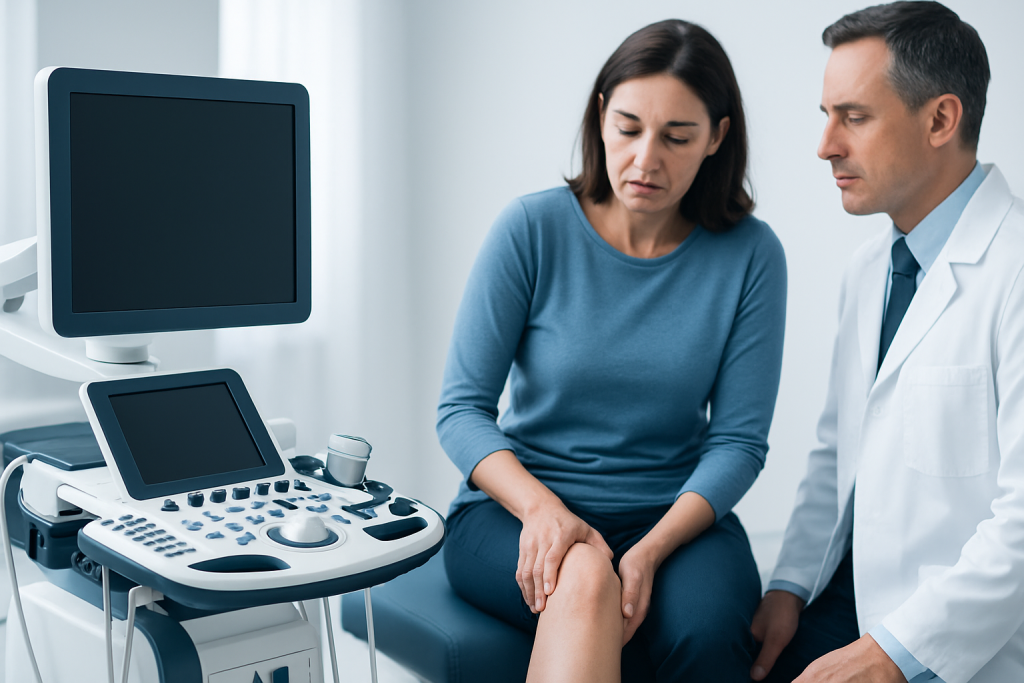
Soleus muscle problems often cause a deep, aching sensation in the lower calf rather than a sharp pain on the surface. The discomfort may become more noticeable during walking uphill, running, jumping, or standing for long periods. Some people also report stiffness when they first get up after sitting or sleeping.
If the muscle is strained, the area may feel tender when pressed, tight during ankle movement, or weak when pushing off the ground. Symptoms can appear gradually after overuse or suddenly after a forceful movement. In some cases, the pain is so local that a person can point to a small area in the back of the lower leg.
Common features can include:
- Deep calf pain or heaviness
- Tightness that increases with activity
- Discomfort when bending the ankle upward
- Reduced endurance during walking or running
- Occasional cramping or a “pulled” feeling
It is important to remember that not every calf pain is a muscle problem. Swelling, redness, breathing changes, or pain that arrives without clear strain should be assessed promptly to rule out other conditions.
Causes & Risk Factors

The soleus can be irritated by repeated loading rather than a single dramatic injury. This is why it is often involved in overuse patterns, especially when training volume rises faster than the body has adapted. Activities that involve frequent pushing off, long-distance walking, or hill work can place sustained demand on the muscle.
Several factors may increase the chance of soleus pain or strain. A person may be returning to exercise after a break, using footwear that no longer supports their usual activity, or compensating for weakness in the hips, knees, or ankles. A previous calf injury can also leave the area more vulnerable.
Risk factors often include:
- Sudden increase in running, jumping, or stair climbing
- Sports that require repeated acceleration or deceleration
- Tight calf muscles or limited ankle mobility
- Weakness or poor endurance in the lower leg
- Inadequate warm-up before activity
- Fatigue, especially during long training sessions
In some people, symptoms are linked to broader movement patterns rather than one isolated muscle. That is why clinicians often look at the whole lower limb, not only the painful spot, when planning treatment.
Diagnosis
Diagnosis usually begins with a detailed history. A clinician may ask when the pain started, what activities trigger it, whether it came on gradually or after a specific movement, and how it affects walking or exercise. This information helps separate soleus-related pain from Achilles tendon problems, stress injuries, vascular concerns, or pain referred from another area.
During the physical examination, the clinician may press on the calf, test ankle motion, check strength, and observe how the person walks or rises onto the toes. The pattern of pain often gives important clues. Pain that worsens with certain calf-loading movements may suggest the soleus, especially if the deeper part of the calf feels tender.
Imaging is not always required, but it may be helpful when the diagnosis is unclear or when symptoms are severe or persistent. Ultrasound and magnetic resonance imaging can sometimes show a strain, fluid, or another soft-tissue issue. If there is concern about a clot or another non-muscle cause of calf pain, additional tests may be needed to keep the evaluation safe and complete.
Treatment Options
Treatment depends on whether the problem is simple overuse, a mild strain, or a more significant injury. In many cases, the first step is to reduce the activity that is provoking symptoms while keeping movement gentle and controlled. The goal is not to “push through” the pain, but to allow the tissue to settle and then rebuild capacity in a measured way.
Early care often includes relative rest, short periods of ice or heat if recommended by a clinician, and temporary changes to walking or training. A rehabilitation plan may then introduce calf stretching, gradual strengthening, balance work, and sport-specific drills. This progression is usually more effective than returning to full activity too quickly.
Depending on the case, treatment may involve:
- Activity modification and load management
- Physical therapy and guided calf strengthening
- Footwear review or temporary support measures
- Techniques to improve ankle mobility and movement control
- Pain-relieving medicines only if advised by a doctor
If the soleus injury is part of a larger biomechanical issue, treatment may also address hip strength, training errors, or altered gait. For international patients, a clear rehab timeline is especially useful because follow-up may need to continue after returning home.
Prevention & Self-care
Once symptoms improve, prevention focuses on matching the calf’s workload to the person’s real activity demands. A sudden jump from low activity to intense training is one of the most common reasons calf problems return. Gradual progression gives the soleus time to adapt.
Simple self-care habits can lower the chance of recurrence. Warming up before exercise prepares the muscle for force, while regular calf-strengthening exercises can improve endurance. It also helps to vary training surfaces, pay attention to fatigue, and replace worn footwear when needed.
Helpful habits may include:
- Increasing distance, speed, or hill work slowly
- Doing calf strengthening as part of routine conditioning
- Stretching after activity if it feels comfortable
- Using supportive shoes suited to the sport or walking pattern
- Taking recovery days seriously
- Listening to early warning signs such as tightness or a deep ache
For people recovering while traveling, keeping a simple log of symptoms, walking tolerance, and exercise progress can make remote follow-up more productive. It also helps the next clinician see what the muscle can already tolerate.
When to See a Doctor
Medical assessment is wise if calf pain does not improve after a few days of rest, keeps returning, or limits normal walking and daily activity. A doctor should also evaluate pain that follows a clear injury, especially if the person heard or felt a sudden “pop.” Early review can prevent a minor strain from becoming a longer recovery.
Prompt care is especially important if the calf is swollen, warm, red, or visibly different from the other side, or if there is shortness of breath or chest discomfort. These symptoms are not typical of a simple muscle strain and need urgent attention. A clinician can help determine whether the issue is muscular or whether another cause is present.
People who are traveling for treatment should seek a plan that includes diagnosis, rehabilitation, and follow-up instructions that are realistic after returning home. At Acibadem Health Point, multidisciplinary specialists and JCI-accredited hospitals support international patients with diagnosis and treatment planning for conditions such as soleus muscle injuries.
Frequently asked questions
What does the soleus muscle do?
The soleus helps point the foot downward and supports steady standing, walking, and running. It is especially active during sustained weight-bearing and helps control ankle movement and balance.
How is soleus pain different from other calf pain?
Soleus pain is often deeper in the calf and may worsen with prolonged walking, running, or standing. Pain from other structures, such as the Achilles tendon or a blood clot, can feel different and may come with other signs that require evaluation.
Can a soleus strain heal on its own?
Many mild strains improve with rest, activity modification, and gradual rehabilitation. Even when symptoms settle, guided strengthening is important so the muscle can handle normal activity again.
Should walking continue with soleus muscle pain?
Gentle walking may be acceptable if it does not worsen pain significantly, but pushing through limping or escalating discomfort is not helpful. A clinician or physical therapist can suggest the right level of activity for recovery.
How long does recovery usually take?
Recovery time varies with the severity of the strain and the person’s activity level. Mild problems may settle relatively quickly, while more significant injuries often need a longer, staged return to exercise.
When should imaging be considered?
Imaging may be helpful if the diagnosis is uncertain, symptoms are persistent, or a more serious injury is suspected. It can also be used if the doctor wants to rule out other causes of calf pain.
References
- American Academy of Orthopaedic Surgeons
- Mayo Clinic
- Cleveland Clinic
- National Health Service
- Merck Manual Professional Edition
This article is for general information only and is not a substitute for professional medical advice. Please consult a qualified doctor about your individual situation.
More from the Health Library



Related Specialists

Prof. Dr. Ahmet Alanay
Orthopedic Surgery & Traumatology
Dr. Sinan Aksu
Orthopedic Surgery & Traumatology
Dr. Sirri Baştürk
Orthopedic Surgery & Traumatology
Prof. Dr. Korhan Özkan
Orthopedic Surgery & Traumatology